
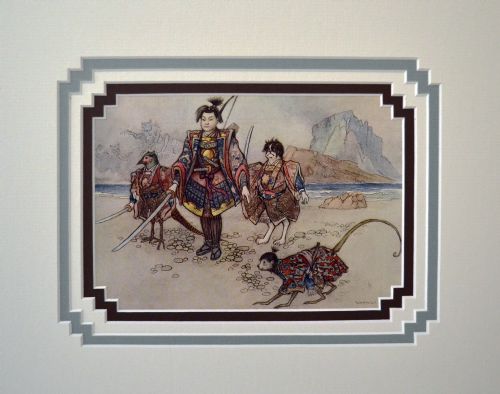


Antique Mythology Print
An antique mythology print brings classical narrative and grand tour sculpture into domestic spaces through centuries of fine engraving and etching.
Antique Mythology Print
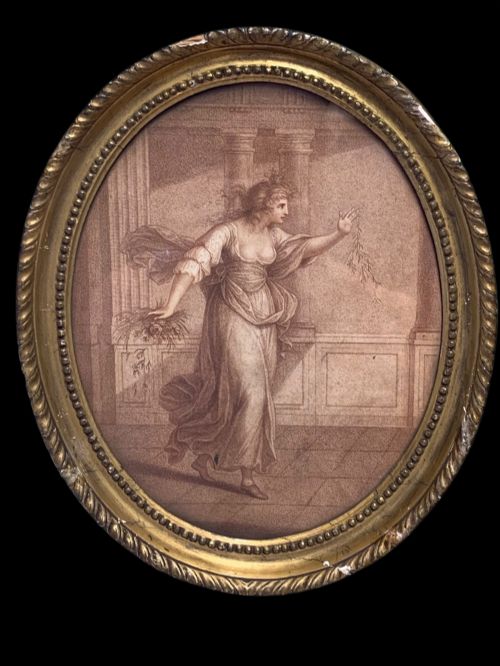
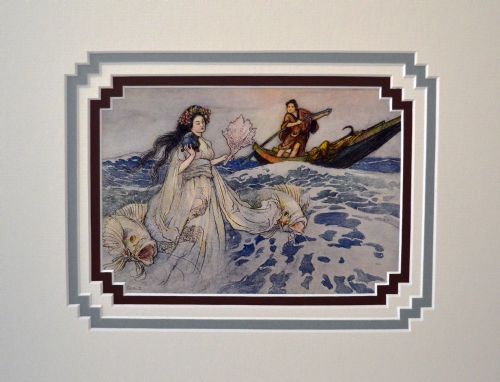
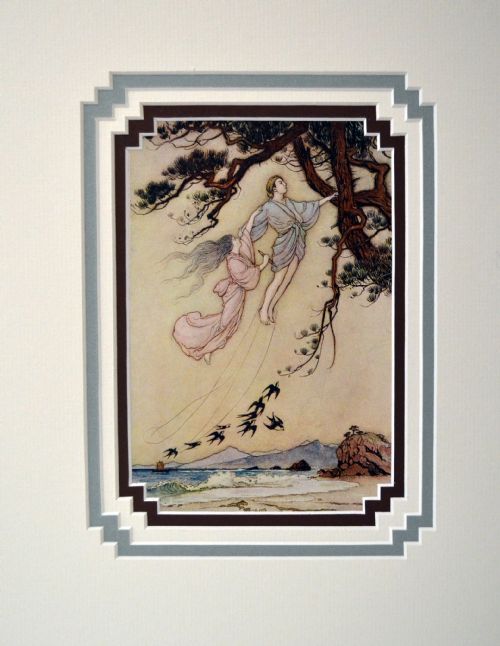
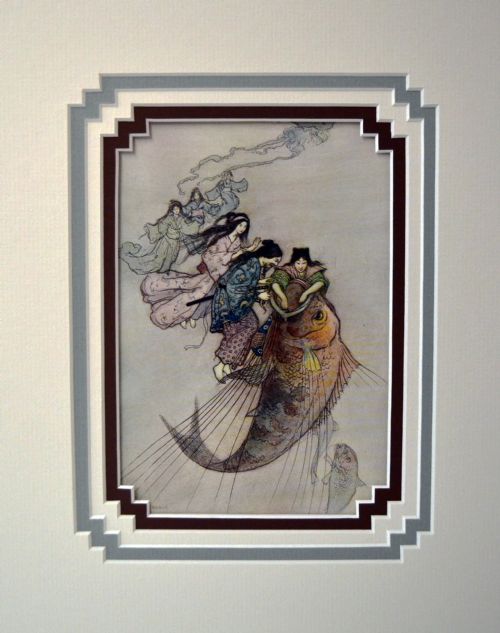
An antique mythology print spans classical antiquity subjects, architectural ruins from Athens, and traditional fairy tales rendered across multiple centuries. Buyers encounter works ranging from seventeenth-century baroque etchings to eighteenth-century engravings of Greek and Roman deities.
The material formats on this page include framed prints on paper, card, and cardboard, often set within period wooden or giltwood surrounds. Eighteenth-century architectural plates and nineteenth-century classical depictions dominate the selection.
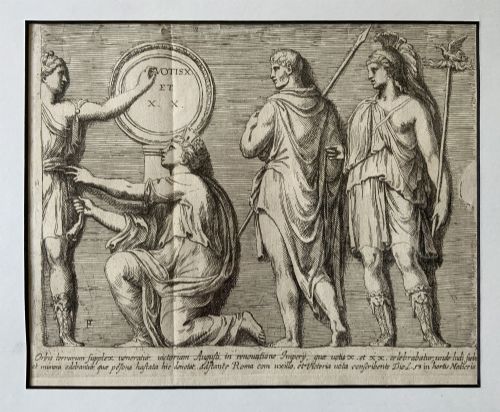
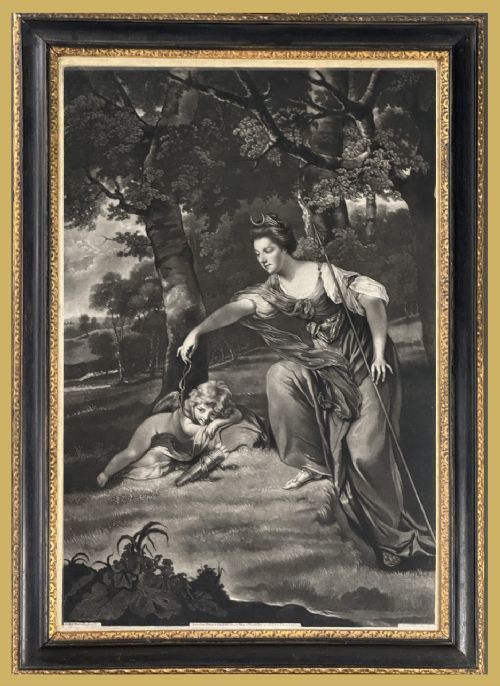
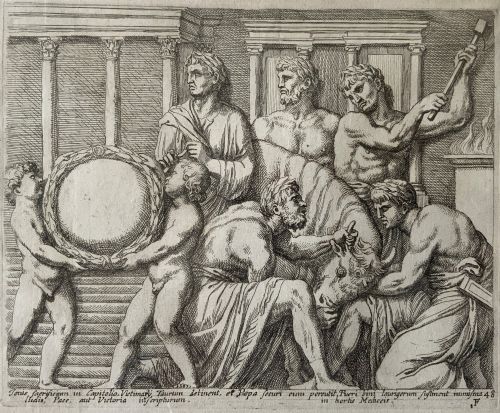
Makers and engravers such as James Basire and François Perrier appear alongside publishers of classical antiquities and early twentieth-century illustrators. Each piece records mythological narratives from Diana and Cupid to Perseus and the Tower of the Winds.
Materials and methods
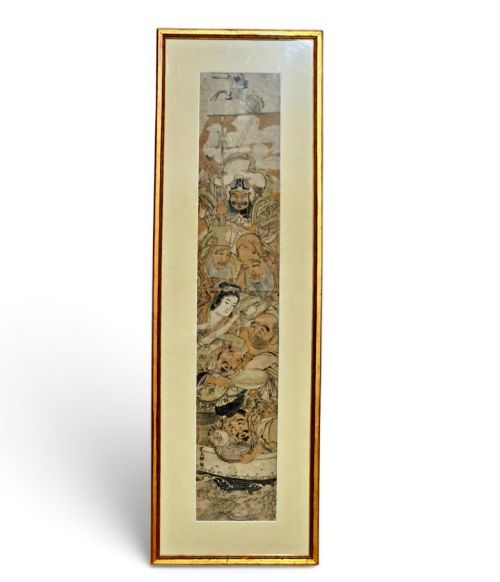
The physical objects rely on ink applied to paper or card through traditional printmaking techniques including mezzotint, stipple engraving, etching, and chromolithography. These methods allow fine lines to capture complex anatomical details and classical drapery.
Surrounding frames utilise wood, gold leaf, and giltwood, protecting the paper sheets under glass. The combination of ink on paper within period frames preserves the visual integrity of works from the seventeenth century onward.
Listings feature works from the seventeenth century through to the nineteen-twenties, executed on paper and card.
Factors of distinction
Quality rests upon the crispness of the ink impression and the depth achieved by the engraver's hand, particularly in eighteenth-century architectural plates and seventeenth-century baroque works. Early impressions show sharp lines on the paper without blurring.
The condition of the paper sheet and the authenticity of the surrounding wood or giltwood frame influence the integrity of the piece. Well-preserved sheets retain their original tone within period mounts.
James Basire·François Perrier·Warwick Goble·John Flaxman·Arthur Hacker·Andrea Mantegna
The Antique Mythology Print Glossary
- Mezzotint
- A printmaking process where the copper plate is roughened to achieve rich tonal gradations rather than simple lines. This technique produces soft shadows suited to portraits.
- Etching
- A method where acid bites lines into a metal plate covered with a protective ground. Artists draw freely through the ground to create detailed illustrative designs.
- Chromolithography
- A planographic colour printing technique using multiple limestone blocks for each hue. It creates vibrant reproductions of paintings on paper.
- Stipple engraving
- A technique using dots of varying density to depict light and shade on a printed plate. It is frequently found on eighteenth-century portraiture.
- Grand Tour
- The traditional journey of continental Europe undertaken by upper-class young men to study classical art and architecture. Resulting prints recorded antiquities for home display.
Antique Mythology Print: Frequently Asked Questions
How do I date an antique mythology print?
Dating relies on the paper type, printing technique, plate marks, and stylistic indicators such as neoclassical or baroque framing elements. Margins and publisher details often provide clues to the decade of production.
Comparing the paper quality and ink characteristics with known periods from the seventeenth to the twentieth century helps narrow the origin.
What subjects appear in these prints?
Common subjects include Greek and Roman gods, architectural antiquities from Athens, architectural ruins, and scenes from Homer's Odyssey. Fairy tales and literary myths also feature in later editions.
These narratives reflect classical education and the artistic tastes of the eighteenth and nineteenth centuries.
How should I frame and display these prints?
Displaying prints away from direct sunlight protects the ink and paper from fading over time. Acid-free mounts and glass preservation techniques safeguard the delicate card and paper materials.
Period wooden and giltwood frames complement the historical nature of the artwork when properly maintained.
What is the difference between an etching and an engraving?
An etching uses acid to bite lines into a metal plate, resulting in free and expressive marks created by the artist. An engraving relies on a burin tool pushed directly into the metal to cut sharp, precise lines.
Both techniques produced the detailed classical imagery seen across seventeenth and eighteenth-century plates.