

Antique Mythological Figures
Antique mythological figures bring classical deities and heroes into the room through bronze, marble, porcelain and oil paint.
Antique Mythological Figures
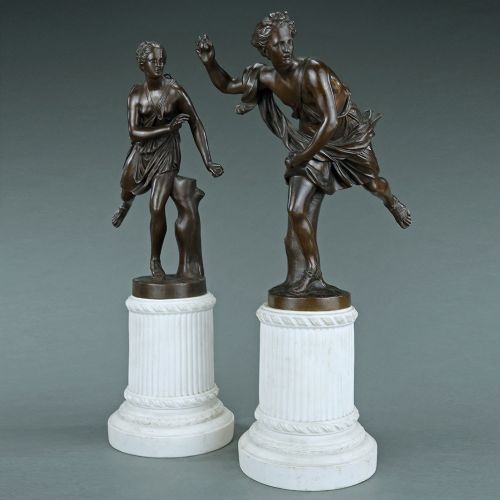
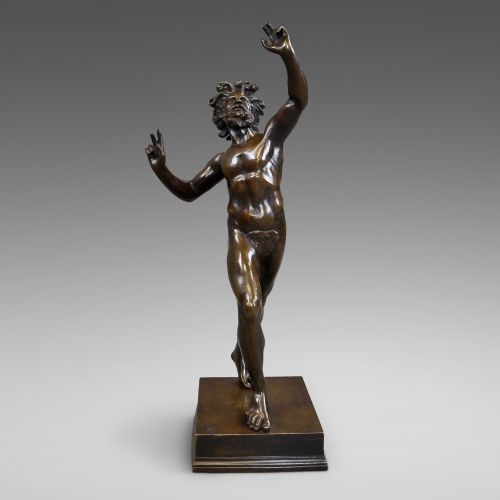
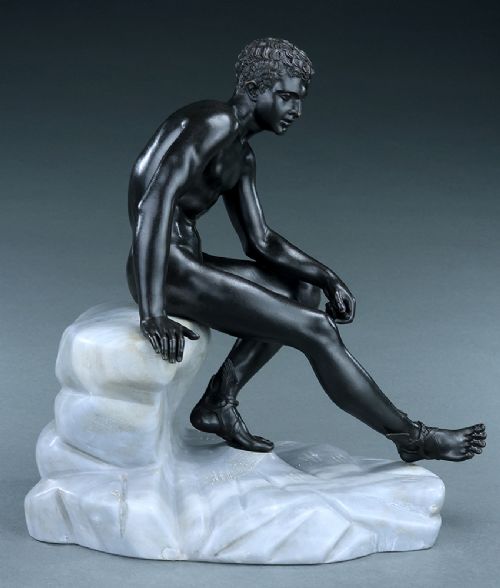
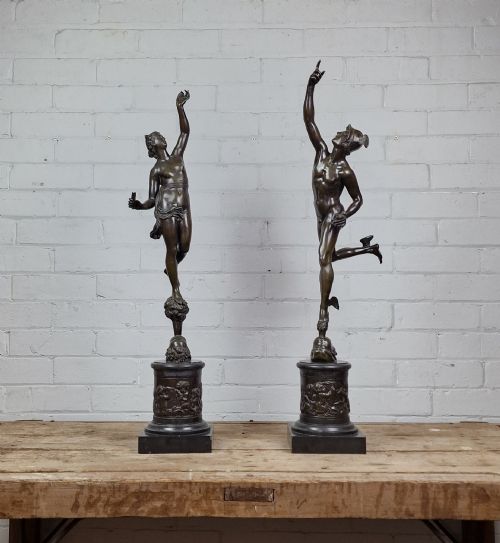
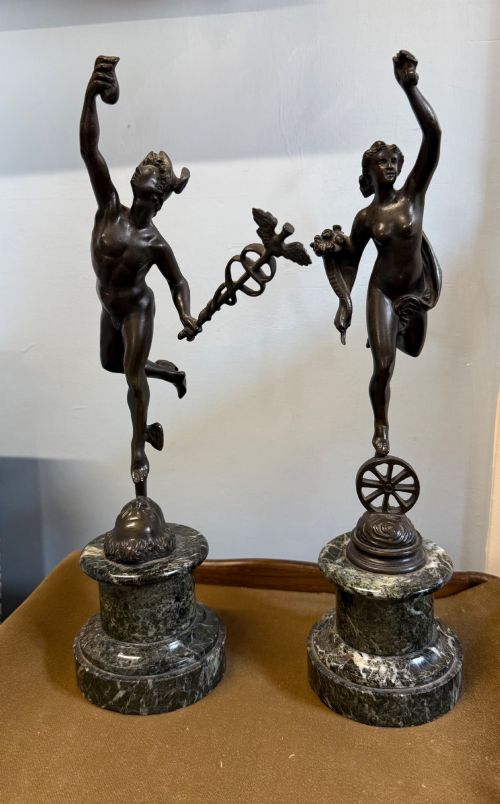
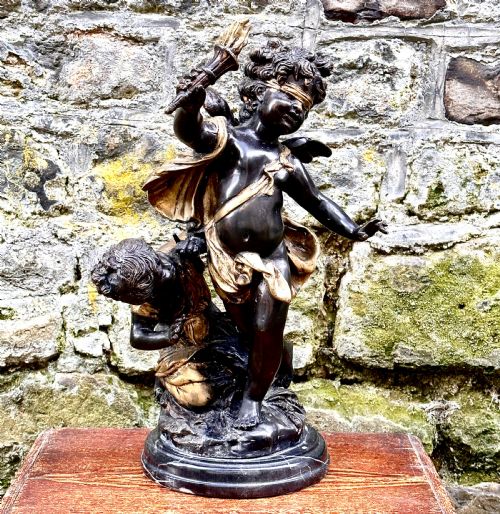
When you search for antique mythological figures, you encounter representations of gods, nymphs and heroes drawn from classical antiquity. The selections here span sculptures, oil paintings, figurines, inkwells and wall brackets created across the eighteenth, nineteenth and early twentieth centuries. Bronze sculptures and nineteenth century iterations dominate the selection, frequently translating classical marble prototypes into cast metal for European drawing rooms.
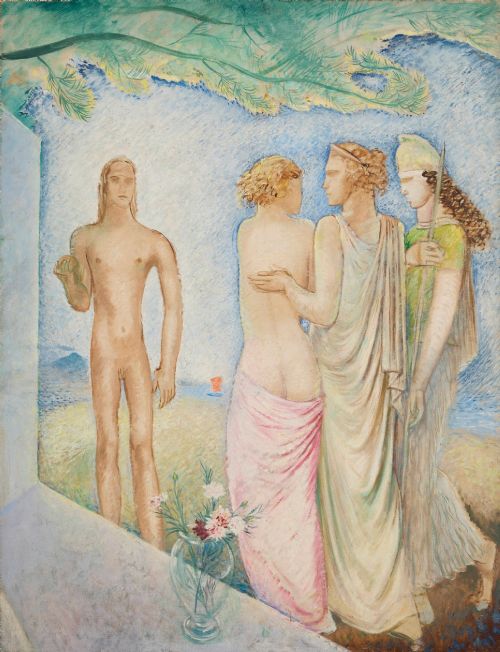
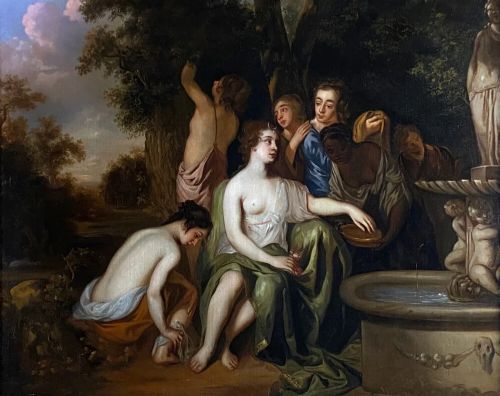
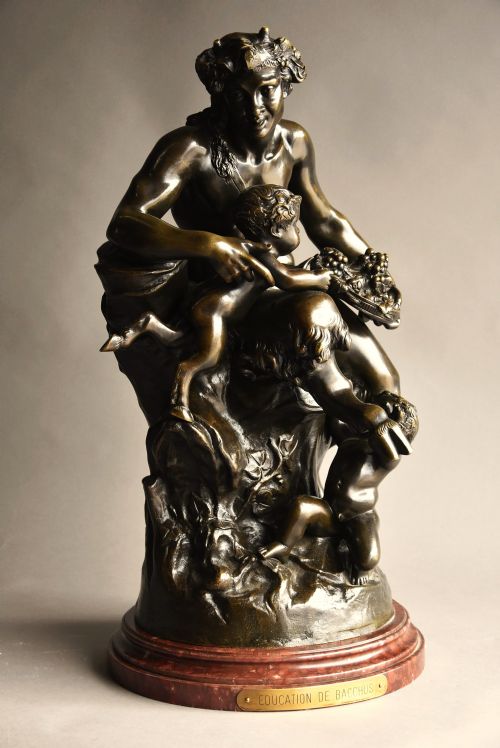
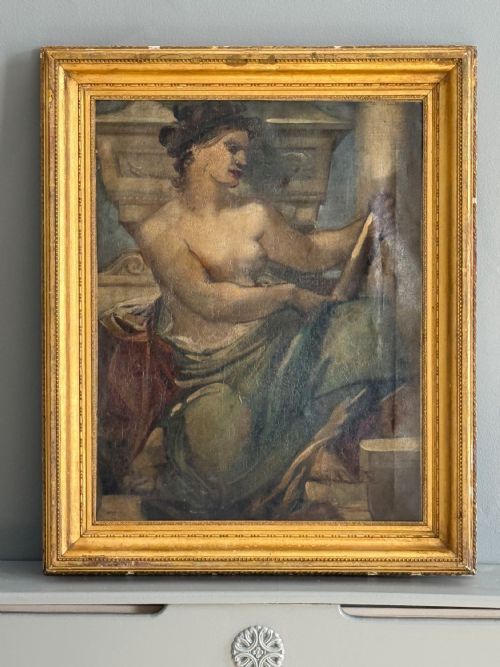
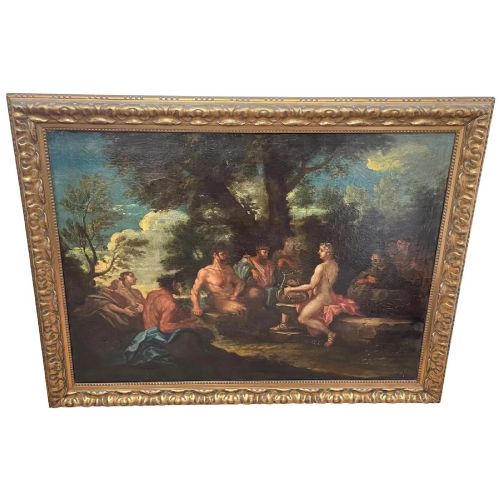
You will also find porcelain figures from factories such as Samson Paris and Royal Crown Derby, alongside oil paintings depicting dramatic narratives from Ovid and classical legend. Grand Tour souvenirs in bronze sit alongside larger French and Italian sculptural groups depicting figures like Narcissus, Dionysus and Venus. Balinese hardwood carvings and shell cameo brooches widen the geographic scope beyond Western classical revivals.
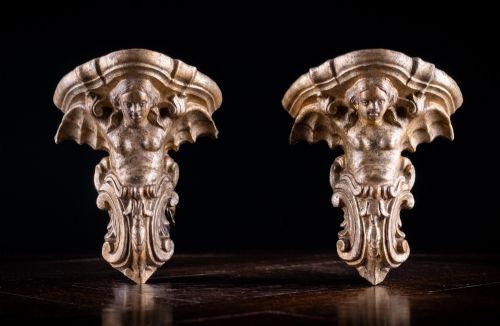
The physical forms vary from small tabletop bronzes and porcelain figurines to wall-mounted terracotta brackets and framed oil paintings. Many pieces explicitly reference known sculptors through inscriptions or stylistic attribution, translating Renaissance and classical models into domestic objects. These works served as indicators of classical learning and refined taste for their original owners.
Materials and technique
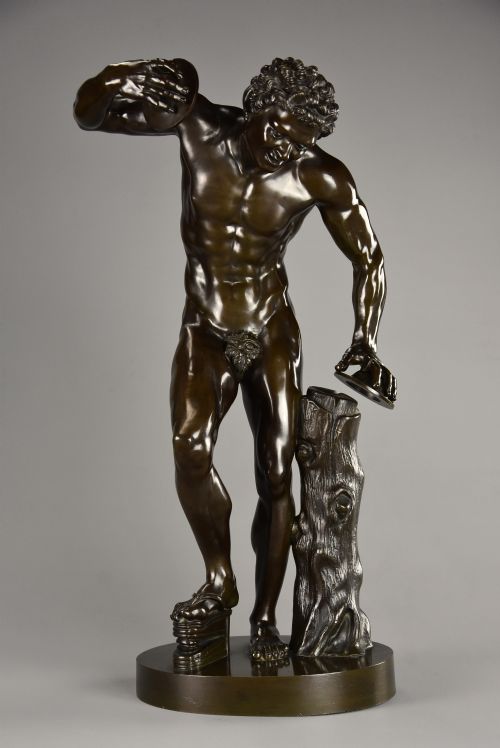
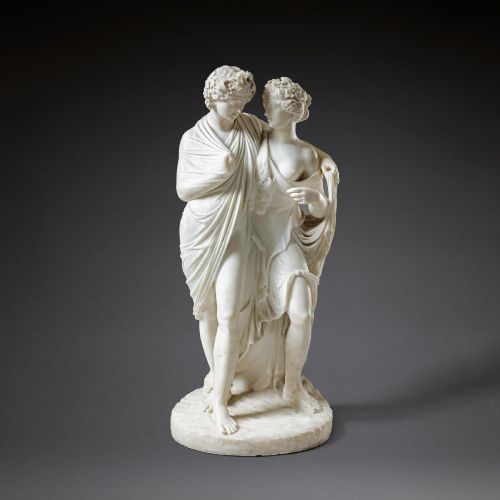
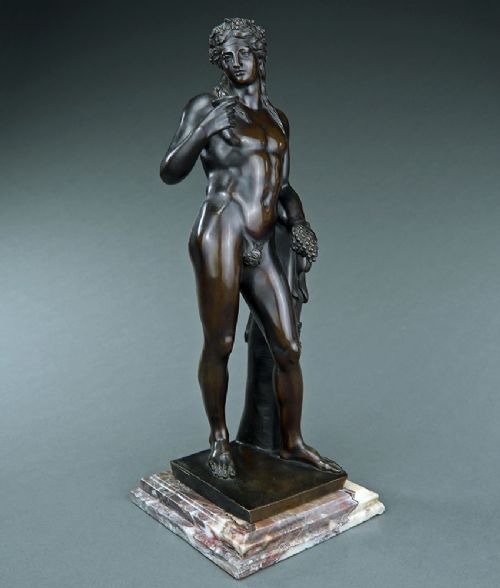
Bronze casting forms the backbone of these sculptural objects, utilising the lost-wax method or sand casting to achieve sharp detail in figures like Mercury, Narcissus and various fauns. Patination treatments applied to the bronze surfaces range from dark green tones to warm brown metallic finishes. Marble provides a contrasting medium, carved into statues and groups on fitted bases.
Porcelain works rely on hand-painted enamel decoration over glazed ceramic bodies, often emulating earlier factory styles such as Chelsea or Derby. Wood appears in hand-carved forms, from Balinese hardwood deities to European giltwood wall brackets. Oil paintings and gouache works employ traditional canvas, panel and paper supports rendered by academic painters and studio circles.
Antique Mythological Figures Retail Price Guide 2026
Typical asking prices for mythological figures among the pieces listed under this phrase on Sellingantiques today, from the lower quarter to the upper quarter. They describe what is for sale here now, not the wider market.
The listings combine European bronze sculptures, Italian Grand Tour souvenirs, French porcelain figures and Balinese hardwood carvings.
Distinctions in quality
For paintings and works on paper, the fluidity of the brushwork and the anatomical correctness of the mythological subjects distinguish academy-trained output from routine decorative copies. The quality of the underlying material, whether fine-grained statuary marble or substantial bronze weight, directly influences the tactile presence of the piece.
Barbedienne·Louis Garnier·Claude Michel Clodian·Emile Carlier·Auguste Moreau·Antonio Canova·Sir Peter Lely·Cornelis Van Poelenburgh
The Antique Mythological Figures Glossary
- Grand Tour
- A nineteenth century practice where wealthy travellers collected bronze souvenirs of classical sculptures in Italy. These small-scale bronzes replicated famous antiquities found in Roman and Florentine museums.
- Lost-wax casting
- A metalcasting method where a wax model is melted from a mould and replaced with molten bronze. This technique allows for intricate detail in sculptural figures.
- Patination
- The chemical or natural coloration of a bronze surface resulting from age or applied treatments. Dark green and warm brown patinas are common on nineteenth century bronzes.
- Neoclassical
- An artistic movement spanning the eighteenth and nineteenth centuries that revived the styles and subjects of ancient Greece and Rome. This aesthetic underlies many oil paintings and marble sculptures in the selection.
- Terracotta
- Fired clay used for sculptural groups and wall brackets. The material is often glazed, painted with gold leaf or left in its natural reddish-brown state.
Antique Mythological Figures: Frequently Asked Questions
What periods do these pieces come from?
The listings span from the seventeenth century through the Georgian and Victorian eras up to the early twentieth century. Nineteenth century items, particularly from the eighteen-eighties and eighteen-nineties, form the largest portion of the inventory.
Earlier works include seventeenth century oil paintings and eighteenth century academic studies, while later pieces touch upon Art Nouveau interpretations of classical themes.
How were bronze mythological figures displayed?
Tabletop bronzes and marble groups were typically placed on mantelpieces, desks or dedicated pedestals within nineteenth century libraries and drawing rooms. Smaller pieces like inkwells served functional roles while incorporating classical deities.
Wall brackets and relief panels were designed to be mounted directly onto interior walls, often incorporating giltwood or terracotta materials to complement domestic architectural schemes.
How do I identify a Grand Tour bronze?
Grand Tour bronzes usually date from the nineteenth century and depict famous classical statues encountered by travellers in Italy. They often feature characteristic dark green or brown patination and are mounted on simple marble or slate bases.
These pieces were produced specifically as portable souvenirs for collectors touring European cultural sites.
What is the difference between porcelain figures and bronzes here?
Porcelain figures, such as those from Samson Paris or Royal Crown Derby, utilise glazed ceramic and hand-painted enamel decoration to portray mythological scenes in pastel or vibrant palettes. Bronzes rely on metal casting and chemical patination to render muscular forms and drapery.
While both mediums depict figures like Venus, Cupid and Bacchus, porcelain offers a ceramic gloss whereas bronze provides metallic weight and texture.
Are the paintings original works or prints?
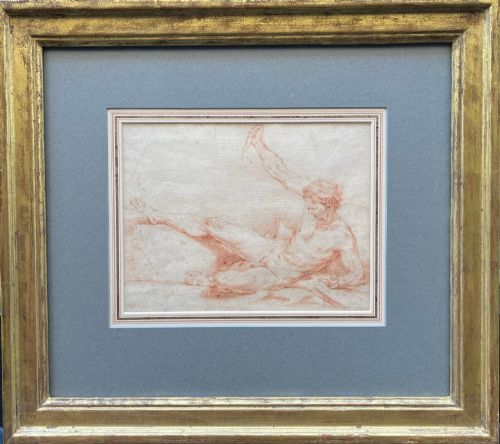
The paintings listed are original oil paintings, gouache works and pencil drawings created on canvas, panel or paper supports. They feature classical narratives ranging from the death of Attis to the bath of Diana.
Attributions span specific historical painters, studio circles and academic draftsmen from various European schools.