

Antique Music Paper Holder
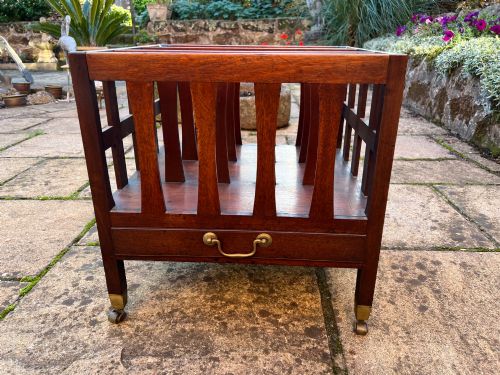
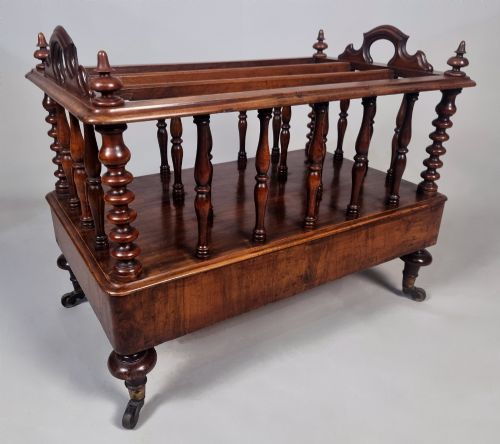
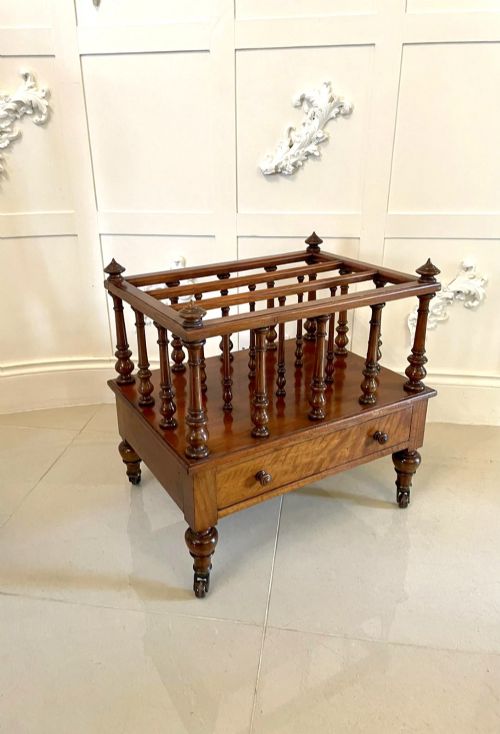
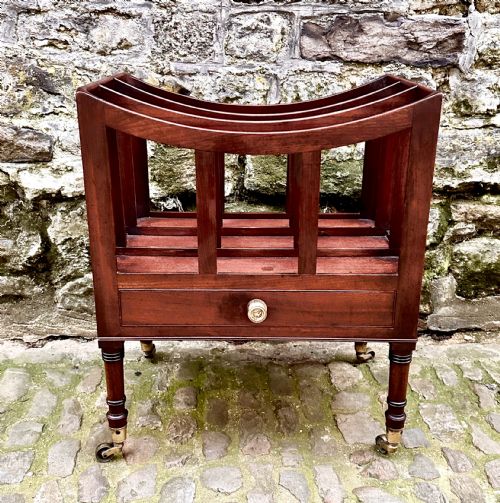
An antique music paper holder, commonly known as a canterbury, keeps sheet music and periodicals organised with distinct elegance.
Antique Music Paper Holder
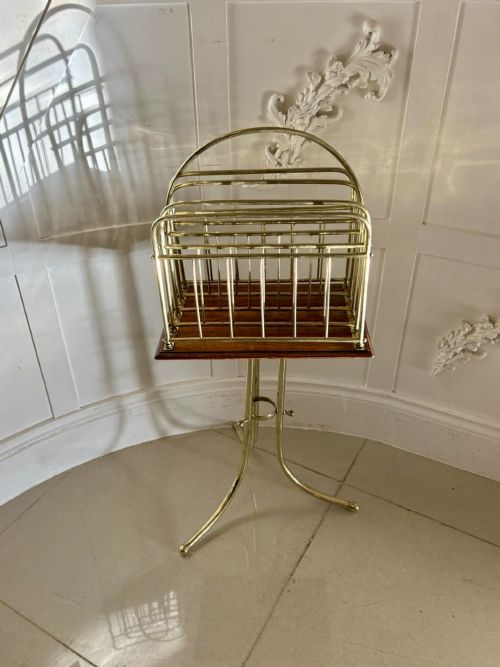
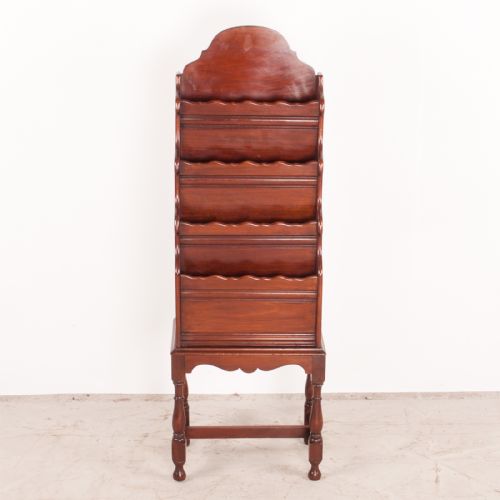
When you search for an antique music paper holder, you are looking at items designed to hold sheet music, newspapers, and periodicals close to a piano or in a parlour. The pieces listed under this search are predominantly canterburys, alongside related stands and magazine racks originating from the Georgian, Regency, Victorian, and Edwardian periods.
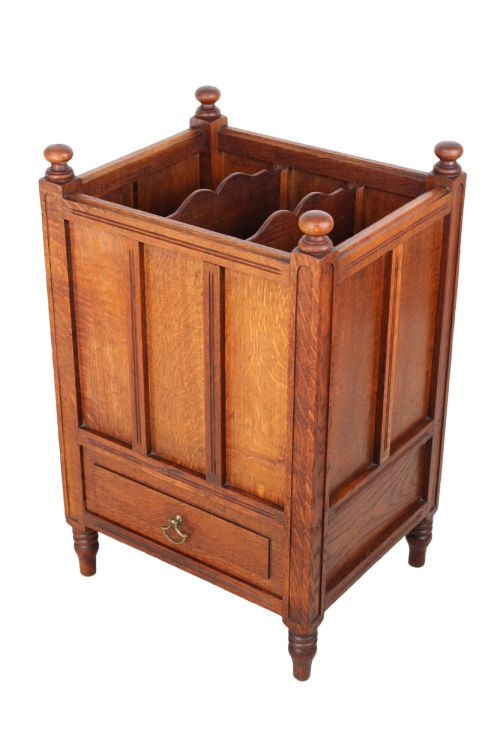
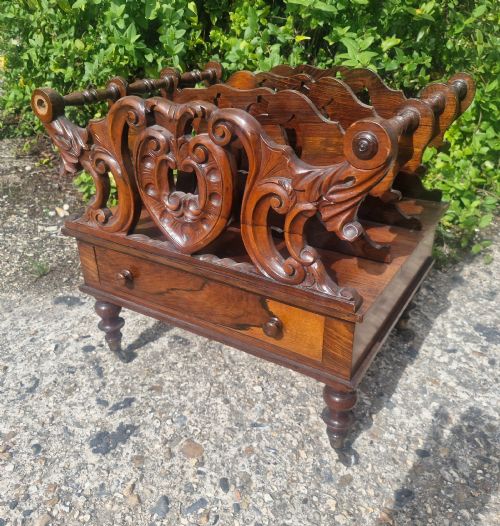
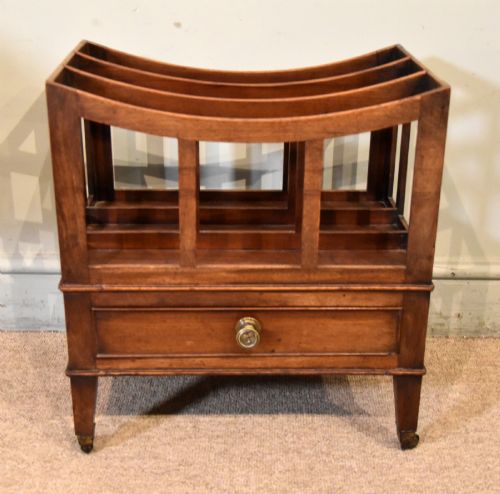
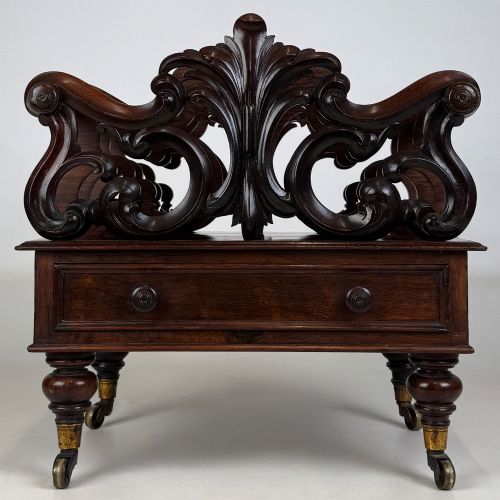
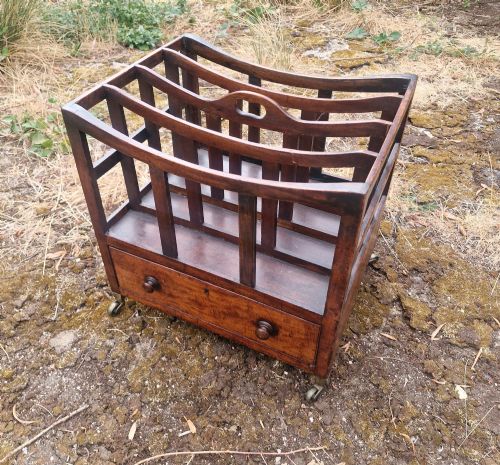
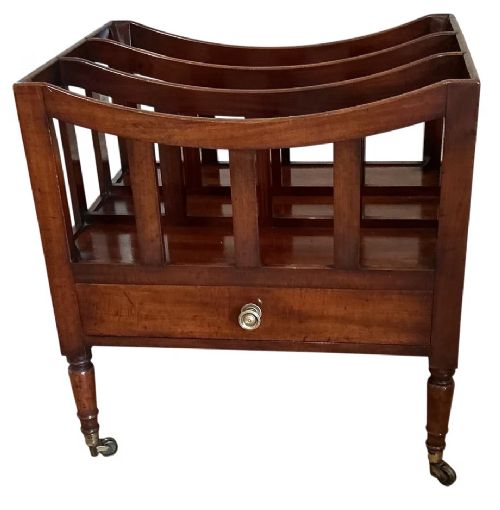
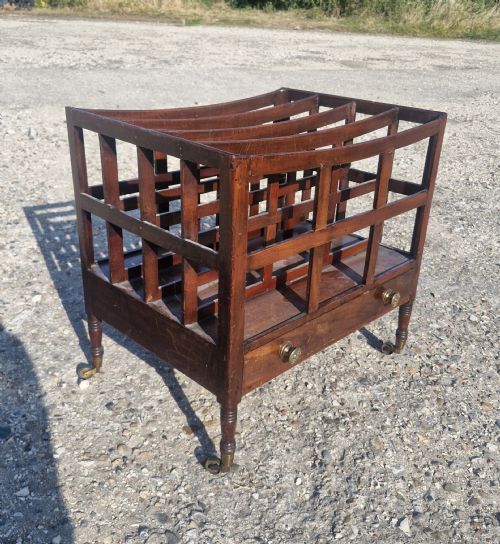
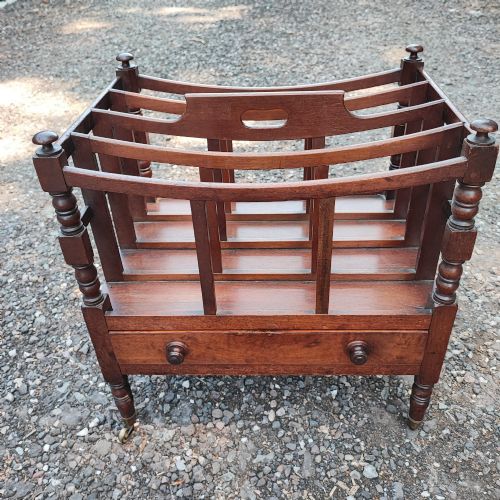
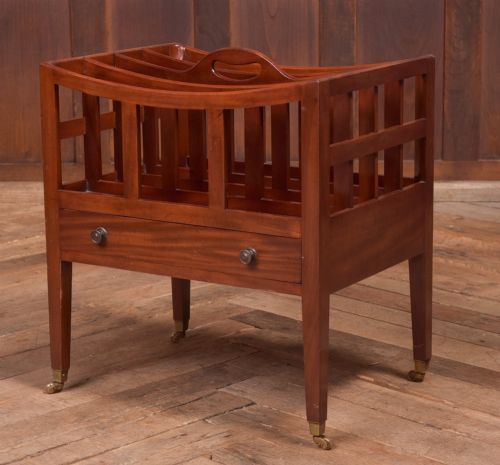
The most common form you will meet on this page is the wooden canterbury featuring upright slatted divisions for holding papers vertically, often incorporating a low drawer below and small turned feet or castors for mobility. These practical items reflect the domestic music-making habits of nineteenth-century households, transitioning smoothly into general magazine storage today.
How they were made
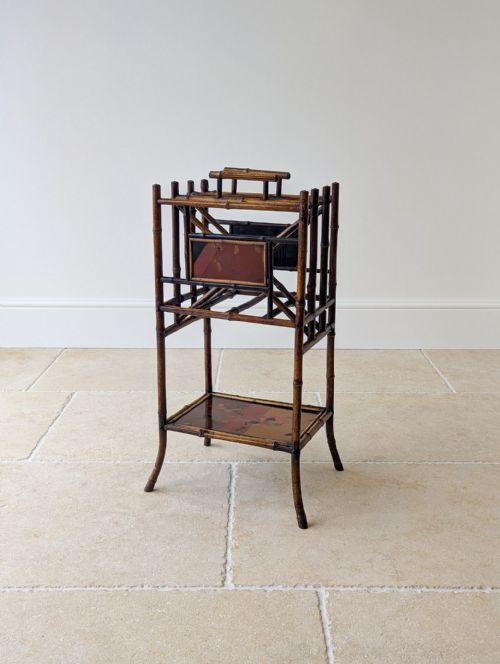
Cabinet makers constructed these stands primarily using dense timbers such as mahogany and rosewood, frequently selecting figured walnut, burr walnut, and oak for later examples. Brass fittings appear regularly as castors, carrying handles, or decorative mounts, while occasional pieces utilise bamboo or ceramic elements.
Joinery methods involved precise framing for the slatted partitions and dovetail construction for the under-tiers or drawers. Turning, carving, and subtle ebony banding decorate the upright supports and structural divisions.
Antique Music Paper Holder Retail Price Guide 2026
Typical asking prices for music paper holder among the pieces listed under this phrase on Sellingantiques today, from the lower quarter to the upper quarter. They describe what is for sale here now, not the wider market.
Materials represented across the available pieces include mahogany, rosewood, walnut, burr walnut, oak, brass, ceramic, metal, and bamboo.
What varies in quality
The refinement of the timber selection and the crispness of the turning on the upright supports set finer examples apart from simpler utility pieces. Rich grain patterns in rosewood or burr walnut indicate a superior grade of material chosen by the maker.
Construction detail also distinguishes the range, observable in the careful shaping of the slatted dividers, the integration of a smoothly functioning drawer, and the retention of original brass castors.
The Antique Music Paper Holder Glossary
- Canterbury
- A low stand with upright divisions designed for holding sheet music, newspapers, or books. The form dates back to the late eighteenth century and often includes a small drawer beneath the main tier.
- Regency
- A style period spanning the early nineteenth century, characterised by classical restraint, elegant proportions, and a preference for dark exotic timbers like rosewood. Pieces from this era often display fine brass inlay or delicate turned supports.
- Aesthetic Movement
- A late nineteenth-century design style that emphasised artistic expression, frequently incorporating unusual materials such as bamboo alongside traditional woods. Objects from this movement lean away from heavy historic revivalism towards simpler, nature-inspired forms.
Antique Music Paper Holder: Frequently Asked Questions
What is an antique music paper holder?
An antique music paper holder is a piece of nineteenth-century furniture designed to keep sheet music, newspapers, and periodicals tidy near a piano or seating area. These stands usually feature vertical slatted partitions and sometimes incorporate a small drawer.
Most examples found on the market are referred to as canterburys, reflecting their traditional domestic purpose. They combine practical compartment storage with decorative cabinet work suited to period interiors.
How were canterburys used originally?
In period homes, these stands sat beside pianofortes or in drawing rooms to hold unbound sheet music and daily newspapers. The divided compartments kept loose sheets upright and sorted for easy selection.
As the nineteenth century progressed, their utility expanded to accommodate general magazines and periodicals. Today, they serve the same organisational function in modern living spaces.
How do I date an antique music paper holder?
Dating relies on identifying the prevailing style, timber choice, and construction methods associated with specific periods. Georgian and Regency examples frequently feature refined mahogany or rosewood with delicate turned legs, whereas Victorian pieces often utilise heavier walnut or burr walnut.
Edwardian items tend to show lighter construction in oak or mahogany following earlier revival designs. Details like brass castors and turning styles offer further clues to the decade of manufacture.
How do I live with a music paper holder?
These versatile stands integrate easily into modern rooms as side tables, magazine racks, or bedside storage units. Their compact footprints and divided sections make them ideal for holding current reading material or vinyl records.
Positioning them away from direct heat sources helps protect the polished timber surfaces and prevents the wood from drying out over time.