






Antique Mounting Specimen
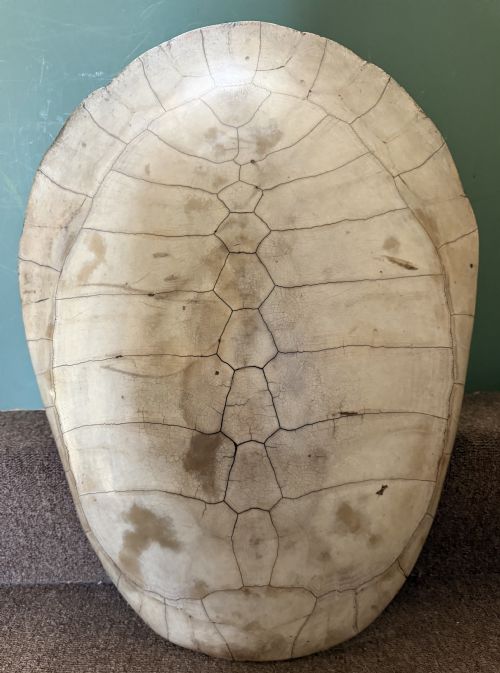
An antique mounting specimen brings the study of natural history indoors, offering preserved animals and fossils set within glass cases, frames, and wooden shields.
Antique Mounting Specimen
An antique mounting specimen comprises preserved fauna, skeletal remains, and natural history objects originating from the nineteenth and early twentieth centuries. Pieces span the Victorian, Edwardian, and early twentieth-century eras, reflecting an intense domestic fascination with natural history and exploration.
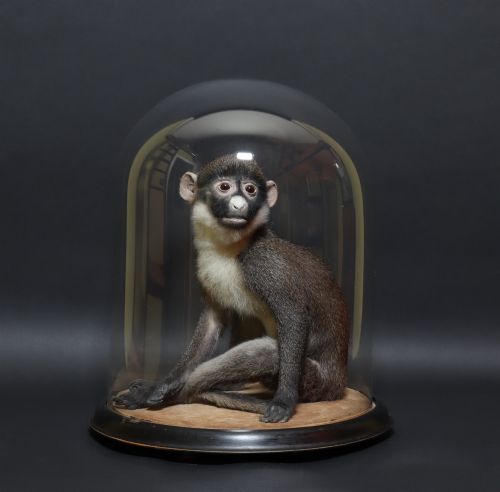
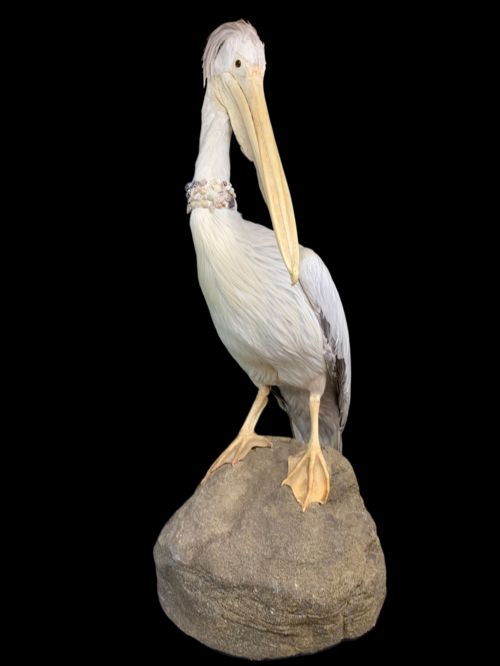
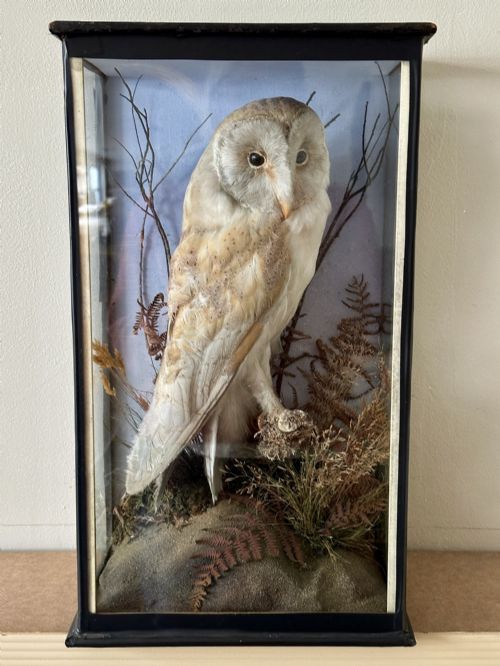
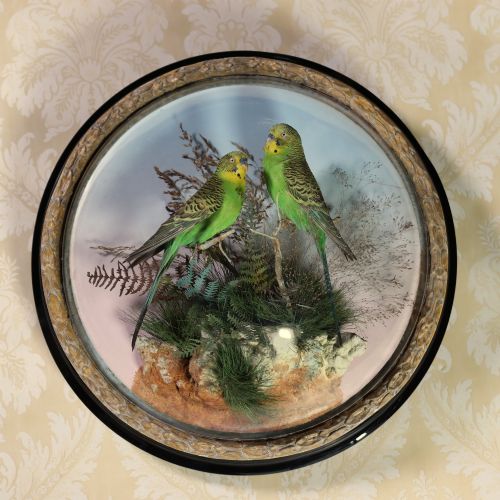
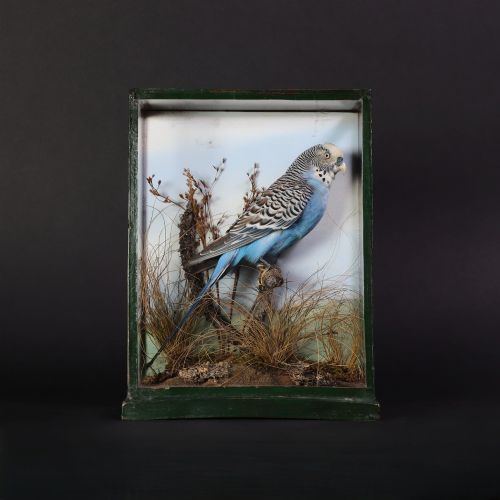
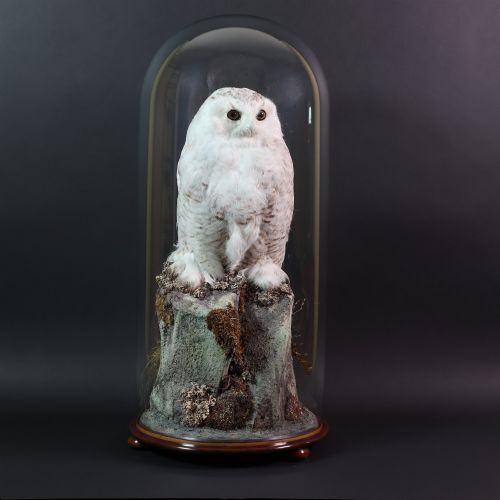
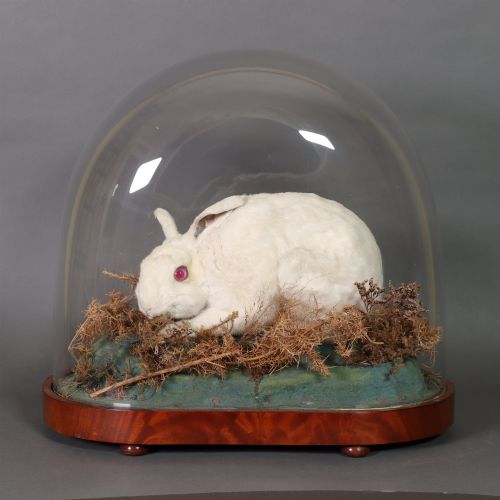
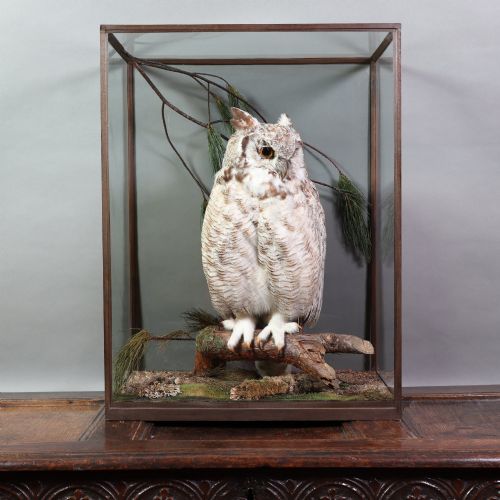
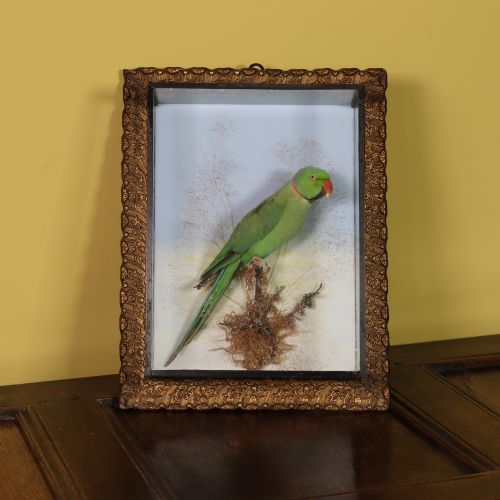
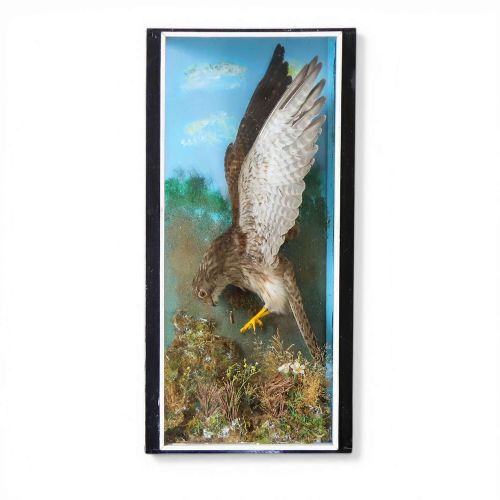
The most frequent forms met on this page include taxidermy cases, wall mounts, and freestanding specimens such as birds, fish, and mammals. Items range from cased dioramas of individual birds to large trophy heads and domestic display objects.
Materials and Construction
Taxidermy specimens utilise animal hides, feathers, bones, and horns mounted over structural forms, paired with glass cases framed in wood or brass. Cases frequently incorporate painted interior backdrops to mimic natural habitats for birds and mammals.
Wooden shields and backing boards, fashioned from oak and mahogany, support mammalian trophies and skull displays. Glass domes and glazed wooden frames protect delicate specimens from dust and atmospheric degradation.
Antique Mounting Specimen Retail Price Guide 2026
Typical asking prices for mounting specimen among the pieces listed under this phrase on Sellingantiques today, from the lower quarter to the upper quarter. They describe what is for sale here now, not the wider market.
Listings feature items spanning the nineteenth and early twentieth centuries, including Victorian, Edwardian, and Regency periods.
Evaluating Quality
Quality rests upon the taxidermist's ability to render anatomical accuracy and lifelike posture in the preserved specimen. Works by notable practitioners demonstrate superior attention to detail in taxidermy mounting and taxidermy case construction.
The condition of the surrounding housing, including original glass panels and painted dioramas, influences the integrity of the piece. Well-preserved wooden and glass enclosures maintain the historical context of the natural history display.
J Griffiths of Burford·James Gardner·Rowland Ward Ltd·William Bazeley & Sons·A Pollard·Edward Gerrard & Sons·J Cooper & Sons·W.F. Homer·J Dobson
The Antique Mounting Specimen Glossary
- Taxidermy
- The art of preserving, stuffing, and mounting the skin of animals for display. Specimens range from single birds to complex multi-species dioramas.
- Diorama
- A three-dimensional scene depicting wildlife within a recreated natural environment. These settings are typically enclosed within glass-fronted wooden display cases.
- Dome
- A blown glass cover placed over a circular base to protect delicate specimens. They were popular in Victorian interiors for displaying exotic birds.
- Trophy Head
- An animal head and neck preserved and mounted for wall display. These pieces are frequently fixed to carved wooden shields indicating origin or date.
Antique Mounting Specimen: Frequently Asked Questions
How should antique mounting specimen pieces be cleaned?
Dust glass enclosures gently with a soft, dry cloth to prevent scratching the historic surface.
Avoid liquid cleaners and direct sunlight, which can damage delicate feathers and faded taxidermy mounts.
Where were these natural history displays originally kept?
Victorian households positioned these specimens in drawing rooms, studies, and dedicated curiosity cabinets.
They served as conversational centrepieces reflecting scientific curiosity and global exploration during the nineteenth century.
How do I identify the period of a taxidermy case?
Examine the construction methods of the wooden frame and the type of glass utilised in the glazing.
Maker signatures, trade labels on the backing, and stylistic trends help narrow the date between the Victorian era and the twentieth century.
What is the difference between cased and wall mounted specimens?
Cased specimens feature animals enclosed within glass fronted boxes or domes, frequently accompanied by painted backgrounds.
Wall mounts, such as trophy heads and horns, are fixed directly to wooden shields for hanging upon domestic walls.