
Antique Monochrome Sketch
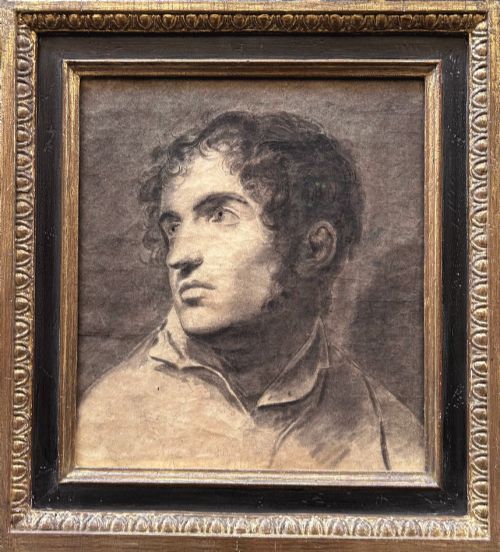
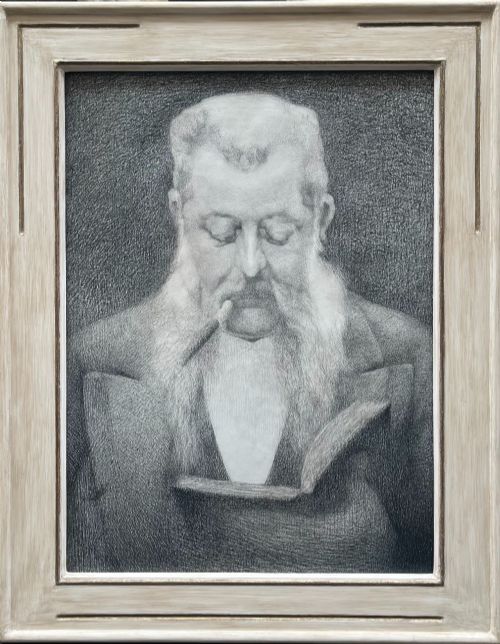
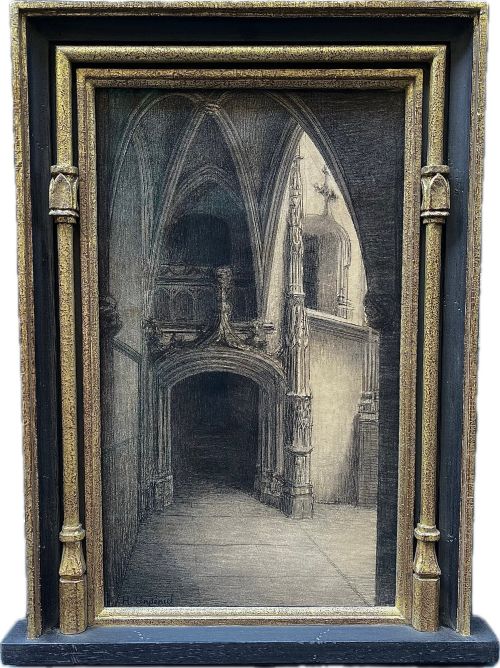
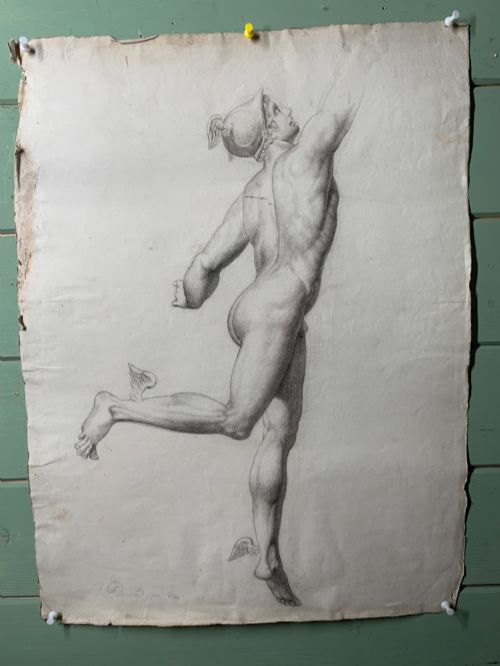
An antique monochrome sketch brings immediate atmosphere to a room through the direct touch of graphite, charcoal, or ink on paper.
Antique Monochrome Sketch
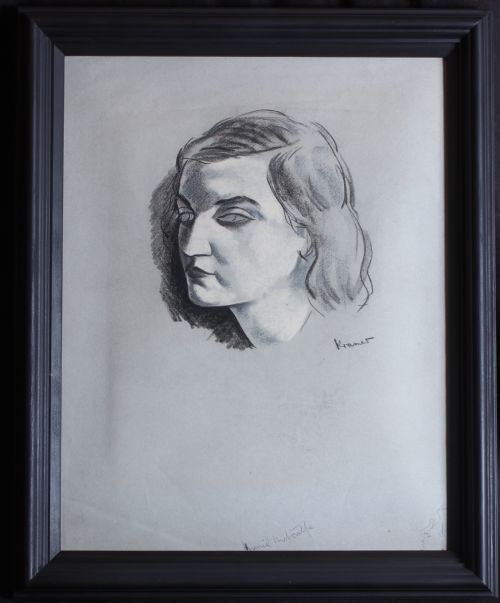
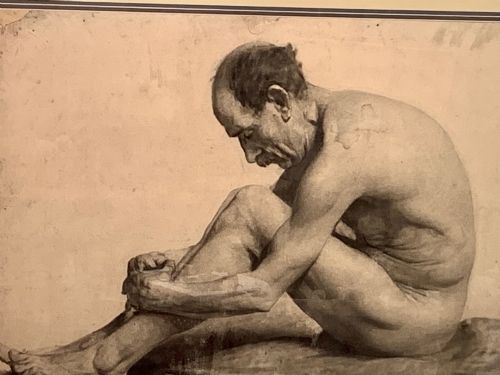
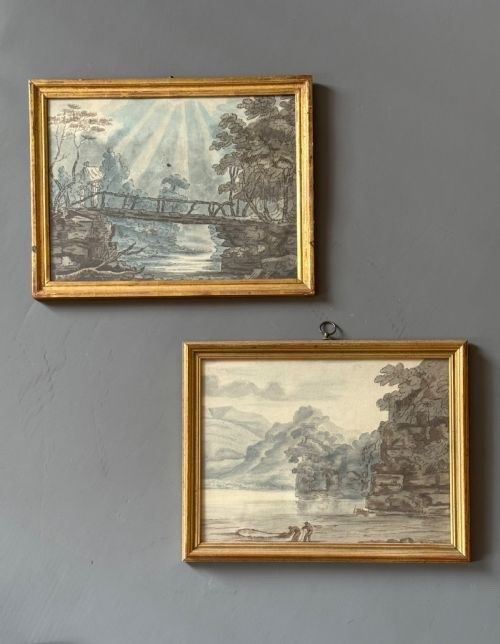
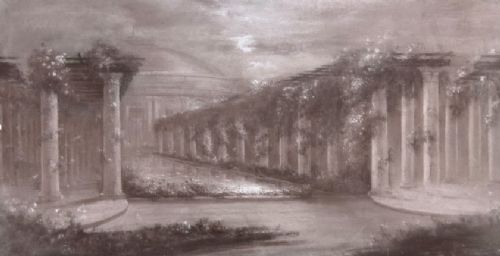
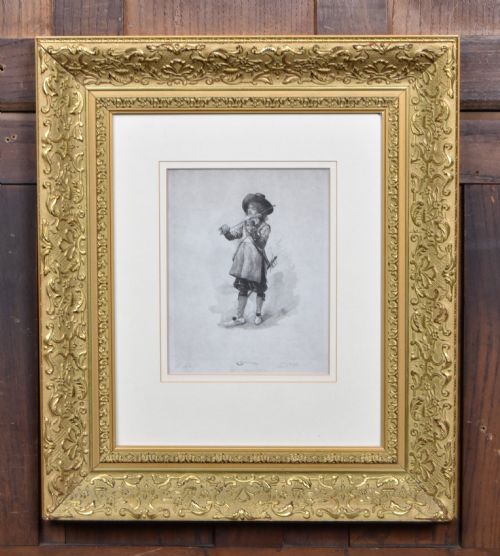
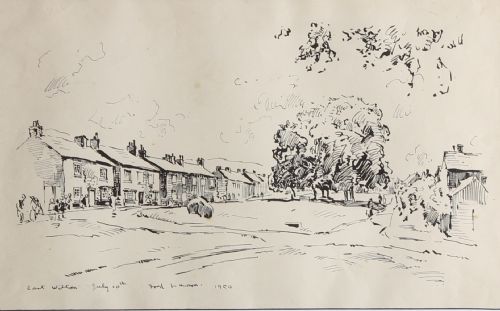
When searching for an antique monochrome sketch, you are looking at original works on paper executed in single-colour media such as graphite, charcoal, ink, or chalk. These pieces range from rapid preparatory studies and architectural drawings to finished portraits and landscapes spanning the eighteenth, nineteenth, and early twentieth centuries. You are most likely to encounter nineteenth-century academic studies, Victorian portraits, and early twentieth-century landscape drawings housed in traditional frames.
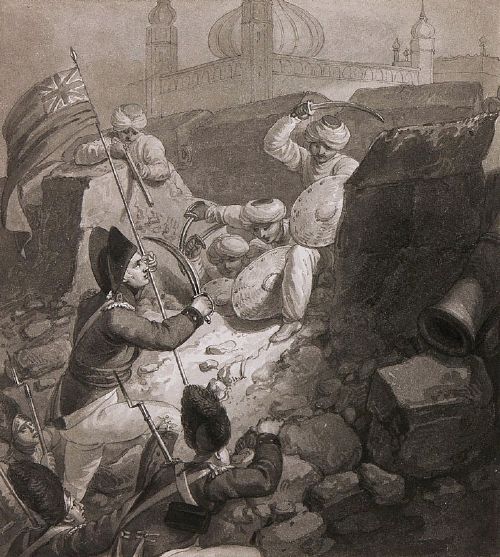
The subjects vary widely, capturing everything from classical figures and gothic architecture to intimate human portraits and battle scenes. Many bear the hand of named artists or reflect distinct European schools, offering a direct window into historical draughtsmanship. Whether rendered with the soft blur of charcoal or the sharp precision of pen and ink, each piece preserves the spontaneous hand of its creator.
How they were made
These works rely on fundamental dry and wet media applied directly to paper supports, utilising graphite, charcoal, chalk, pencil, and pen and ink, sometimes augmented with wash or gouache. Draughtsmen built form and shadow through hatching, smudged tones, and delicate linework to capture light and volume without the distraction of colour. The paper itself varies from heavy antique stock to lighter sheets that have aged naturally over the decades.
Framing often preserves the fragile surface of these works behind glass, protecting the delicate carbon and pigment particles from atmospheric degradation. Many drawings began as studio life studies or plein-air observations, capturing rapid gestures before being mounted for display.
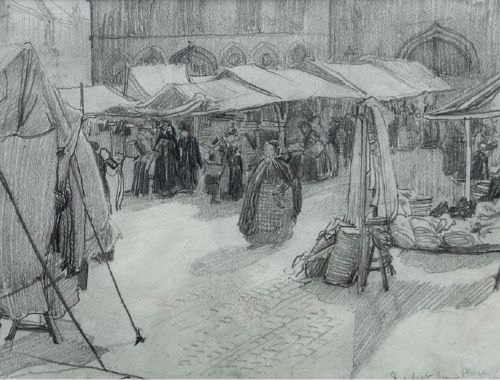
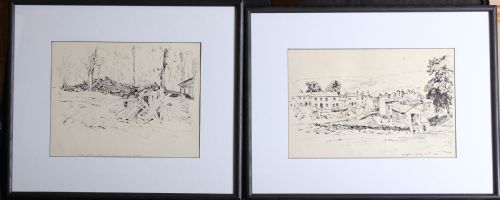
A solitary Belgian soldier recorded the muddy chaos of Arras in 1915 using little more than charcoal and paper.
What varies in quality
The distinction between average and exceptional works lies in the sureness of the line and the control of tonal gradation. A superior drawing demonstrates anatomical precision or atmospheric depth where every stroke serves a structural purpose, whereas lesser pieces often show hesitant shading or stiff proportions.
The prestige of the hand also elevates a piece, with signed works by recorded artists or documented academic studies commanding greater attention than anonymous sketches. Furthermore, the condition of the paper and the strength of the composition determine the overall presence of the finished piece.
Henry Percy Huggill·William Marshall Craig·Henri Charles Angéniol·Sir Edwin Landseer·Pierre-Paul Prud'hon·Edward Dayes·J D Fergusson·Winifred Eugene Ballard·John Hoppner·Sir Francis Leggatt Chantrey
The Antique Monochrome Sketch Glossary
- Grisaille
- A painting or drawing executed entirely in shades of grey or monochrome, often used to mimic sculpture or as a base for finished works.
- Wash
- A thin layer of diluted ink, watercolour, or paint applied to paper to create smooth background tones and deep shadows.
- Academic Realism
- A style of painting and drawing produced under the influence of European academies, emphasising strict adherence to classical form and anatomical accuracy.
- Trench Art
- Objects made by soldiers and civilians from wartime materials, occasionally producing poignant battlefield drawings on location.
- Life Study
- An artwork created by observing a live nude or clothed model, forming the cornerstone of traditional artistic training.
Antique Monochrome Sketch: Frequently Asked Questions
How should I display antique drawings?
Keep works on paper away from direct sunlight to prevent the ink and paper from fading over time.
Ensure they are framed behind protective glass with acid-free mounts to maintain proper air circulation.
What is the difference between a sketch and a study?
A sketch is typically a rapid, informal recording of an idea or a scene captured quickly.
A study is a more deliberate and detailed examination of a specific subject, such as a hand or a figure.
How do I identify the period of a drawing?
Examine the watermark and texture of the paper alongside the stylistic conventions of the handwriting and framing.
Costume details, architectural elements, and signature formats also help narrow down the date of execution.
Can I remove a drawing from its old frame?
It is usually best to leave historical framing intact if it provides original context and physical protection.
Consult a professional restorer before attempting any interventions on aged paper or degraded backing boards.