




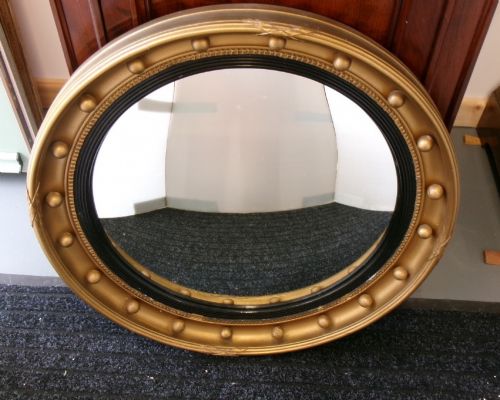
Antique Mirrored Balls
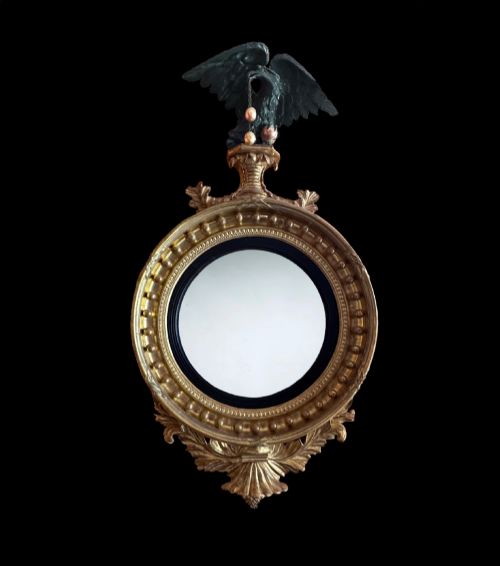
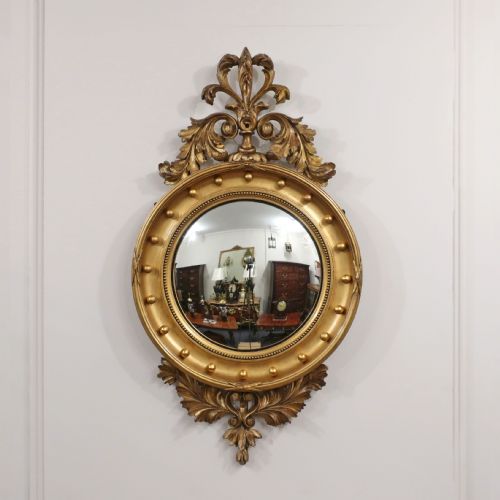
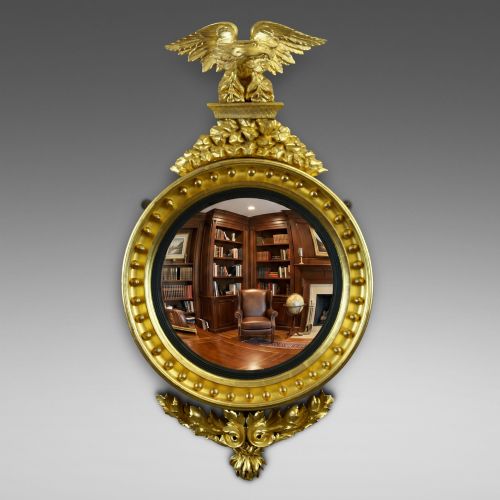
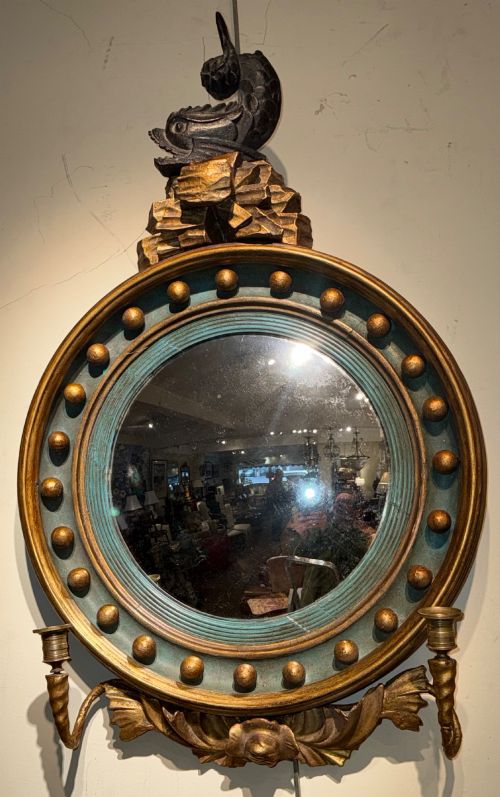
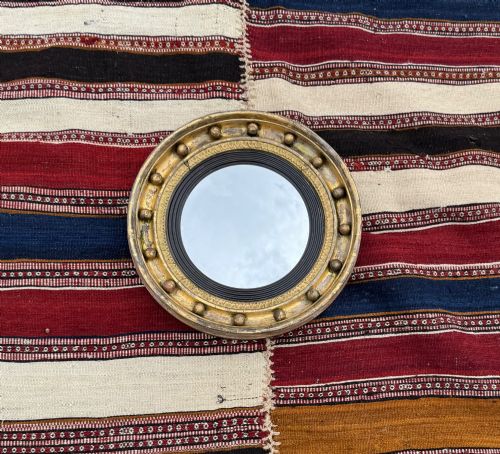
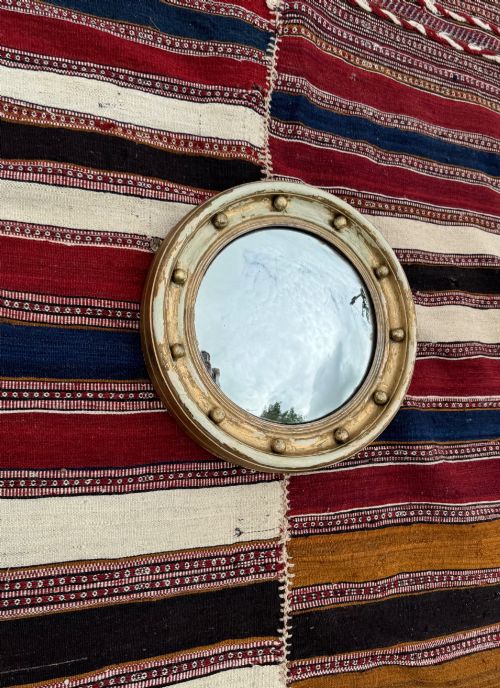
These antique mirrored balls, chiefly encountered as convex wall mirrors from the Regency and Victorian periods, expand a room with a curved distortion of light.
Antique Mirrored Balls
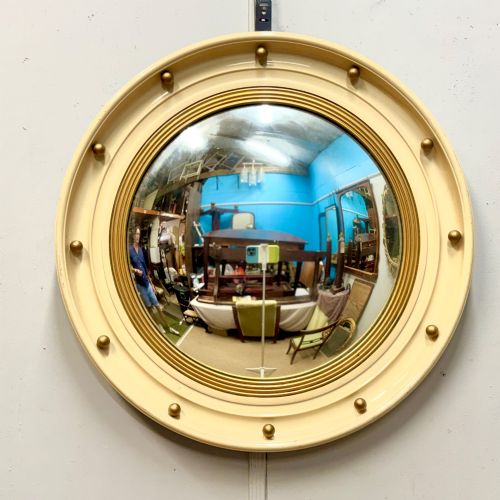
When you search for antique mirrored balls, you are generally looking at convex mirrors, often known as butler's mirrors or porthole mirrors, designed to reflect an entire room in miniature. The pieces you are most likely to meet on this page hail from the nineteenth century, spanning the Regency, Victorian, and Edwardian eras.
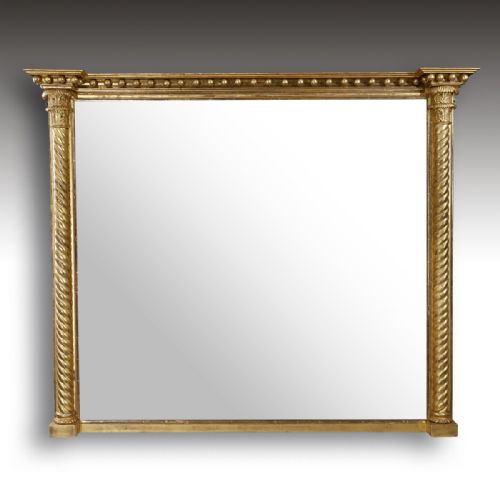
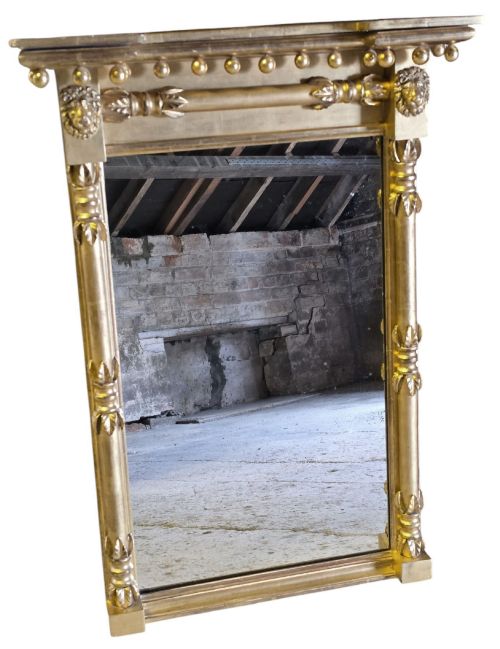
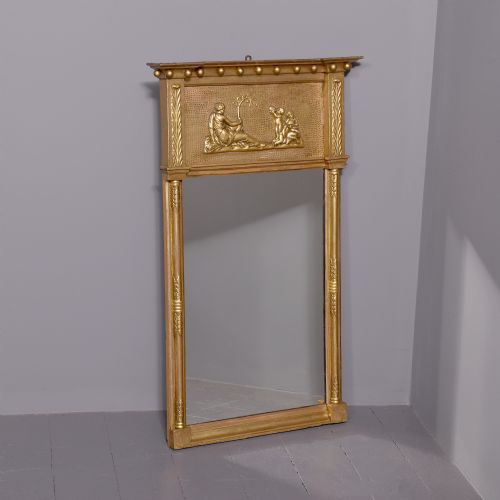
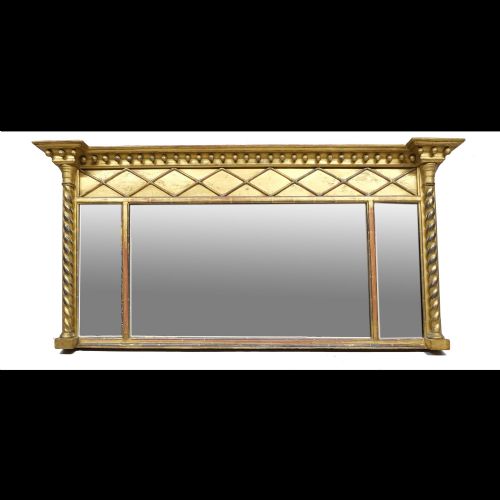
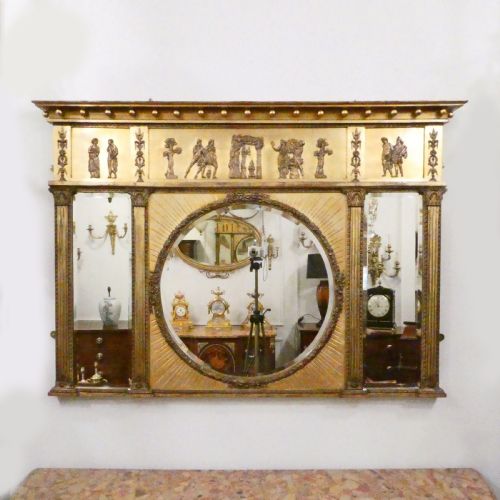
The forms vary from simple circular wall pieces to grand overmantels, pier mirrors, and triptychs, framed in giltwood or painted timber. Styles range from strict Regency design to later revivals incorporating classical motifs like lion masks or ebonised slips.
Originating predominantly from English workshops, these mirrors served both practical surveillance purposes in domestic spaces and purely decorative functions in formal reception rooms.
Materials and construction
The primary construction relies on timber frames carved or moulded from wood, gesso, and ebonised wood, which are then finished with gold leaf or giltwood paint. The distinctive curved glass is set securely within the circular or rectangular rebate, occasionally accompanied by verre eglomise panels.
Makers utilised traditional joinery and plasterwork techniques to build up the intricate relief work on frames, applying gold leaf by hand to achieve the characteristic metallic sheen seen across the period pieces.
Antique Mirrored Balls Retail Price Guide 2026
Typical asking prices for mirrored balls among the pieces listed under this phrase on Sellingantiques today, from the lower quarter to the upper quarter. They describe what is for sale here now, not the wider market.
Some Victorian convex mirrors sport fierce little dragon frames, watching over your hallway with scaly, gilded intensity.
Factors of quality
Quality in these mirrors rests upon the crispness of the frame's carved detail, such as the definition in giltwood mouldings, lion masks, and applied ornamentation. Superior examples maintain their original gilding and retain depth without excessive regilding or repair.
The integrity of the convex glass itself dictates value, where historical silvering shows natural ageing rather than modern replacement, preserving the characteristic optical distortion without heavy clouding.
The Antique Mirrored Balls Glossary
- Convex mirror
- A round mirror with an outward-curving surface that produces a wide-angle, panoramic reflection of the interior. These are frequently referenced as butler's mirrors.
- Giltwood
- Wood that has been coated with gold leaf or a gold-coloured metallic finish. It forms the primary framing material for many nineteenth-century pieces.
- Verre eglomise
- A cold decoration technique where a design and gilding are applied to the reverse side of glass. It appears in borders above or beside the main mirror plate.
- Overmantel mirror
- A large mirror designed to hang specifically above a fireplace mantelpiece. They often feature landscape or triptych formats from the Regency period.
- Ebonised wood
- Timber treated with a chemical stain or finish to imitate ebony. This dark contrasting treatment often appears on inner frame slips.
Antique Mirrored Balls: Frequently Asked Questions
Where should I hang a convex mirror?
These mirrors work best in reception rooms, halls, or dining spaces where their wide-angle reflection can capture natural light and movement from across the entire floor plan.
Because they project visually from the wall, ensure they hang at eye level on a secure wall stud to support the weight of the timber and glass.
How do I identify a Regency mirror?
Regency pieces typically feature classical motifs such as ball-bearing decorated bezels, reeded ebony inner slips, and occasionally eagle crests or painted panels.
Examining the construction methods, such as hand-cut timber joints and early gesso application, helps distinguish true period items from later revivals.
Why are they called butler's mirrors?
Historically, the wide field of view provided by a convex glass allowed domestic staff to monitor the entire dining room from a discreet vantage point.
This practical utility in large houses gave rise to the enduring name for smaller round wall mirrors.
How do I clean antique mirror glass?
Use a soft, dry microfibre cloth to gently remove dust from both the frame and the glass surface without applying excessive pressure to the antique silvering.
Avoid liquid cleaners entirely, as moisture can seep behind the glass or damage the delicate giltwood and gesso finishes.