

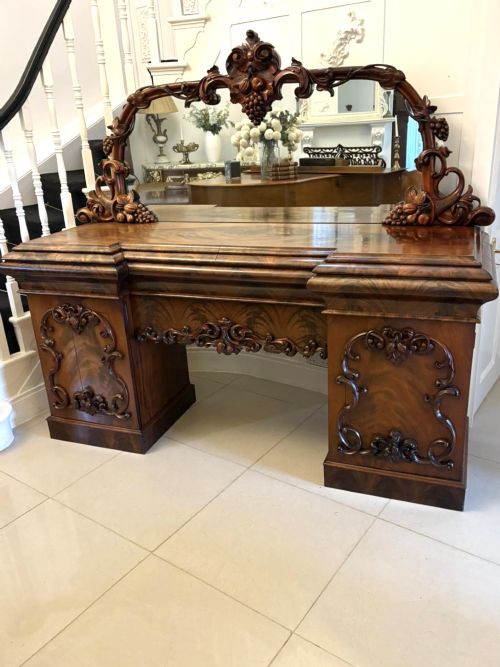
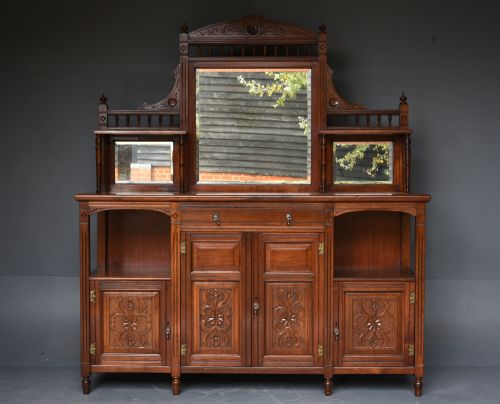
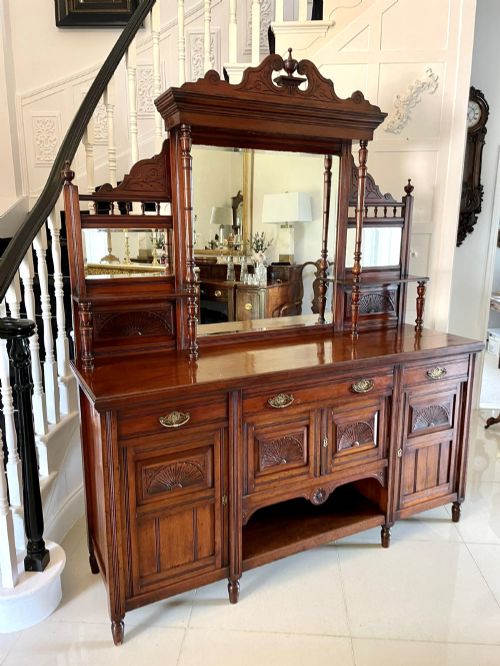
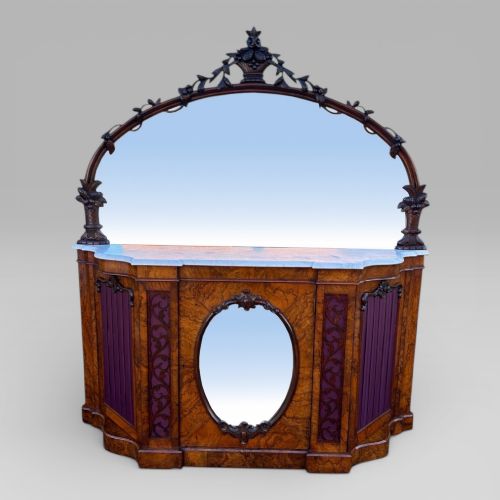

Antique Mirror Backed Buffet
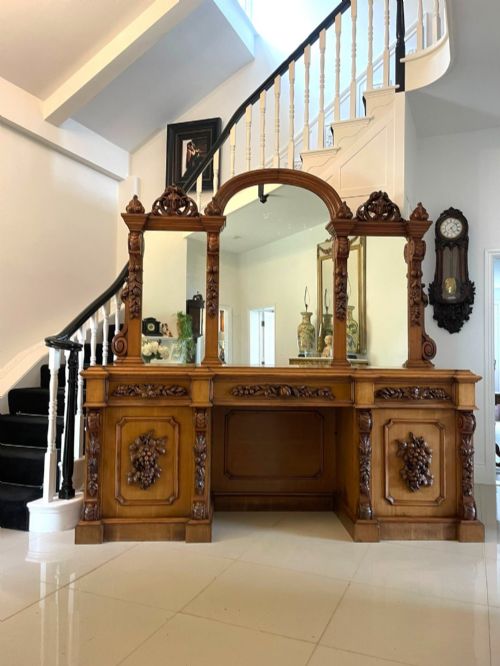
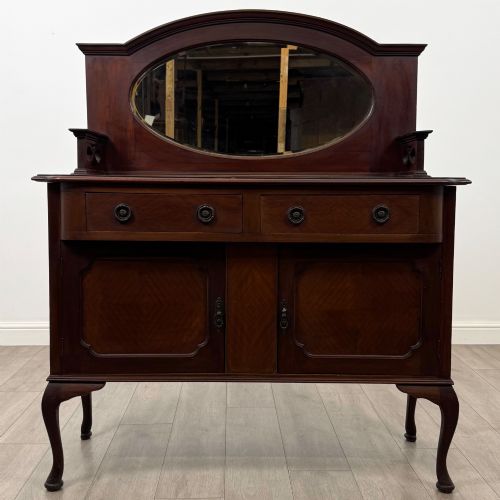
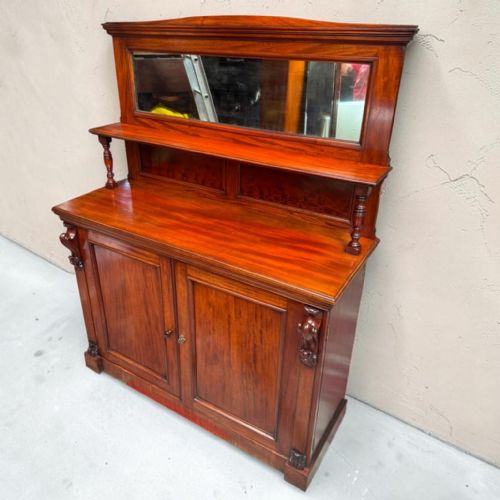
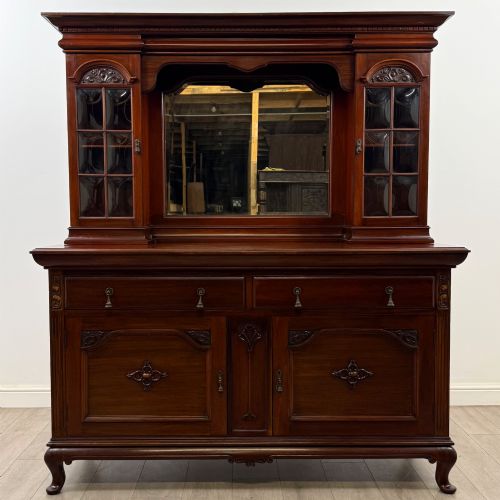
An antique mirror backed buffet brings height, reflection and substantial storage to a dining room through rich timbers and integrated glass plates.
Antique Mirror Backed Buffet
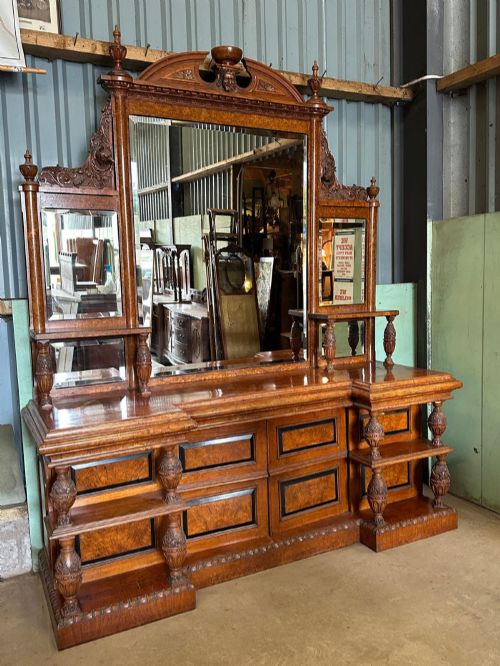
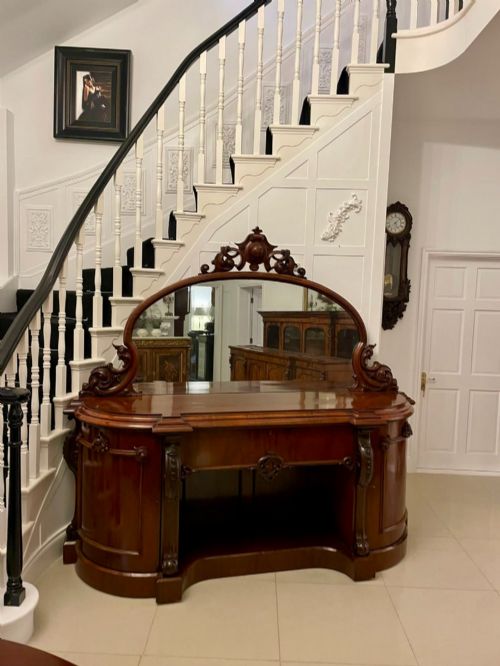
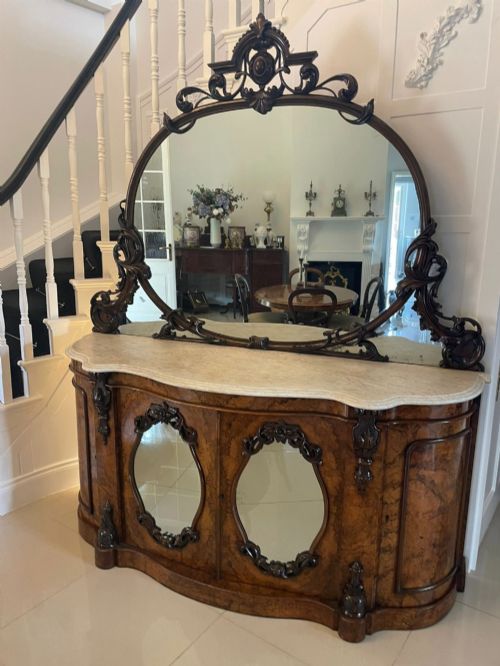
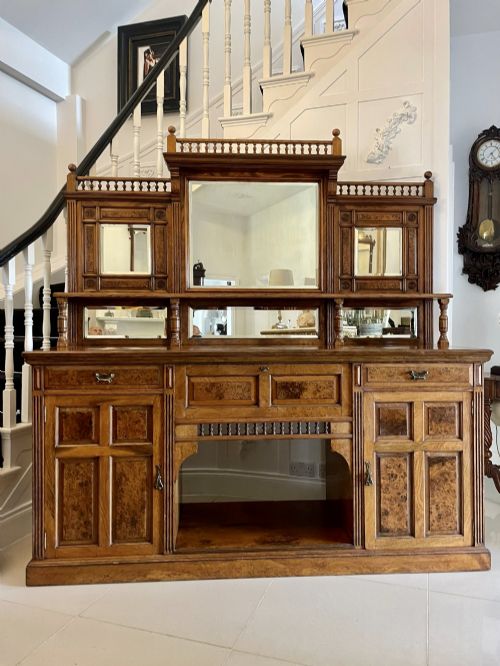
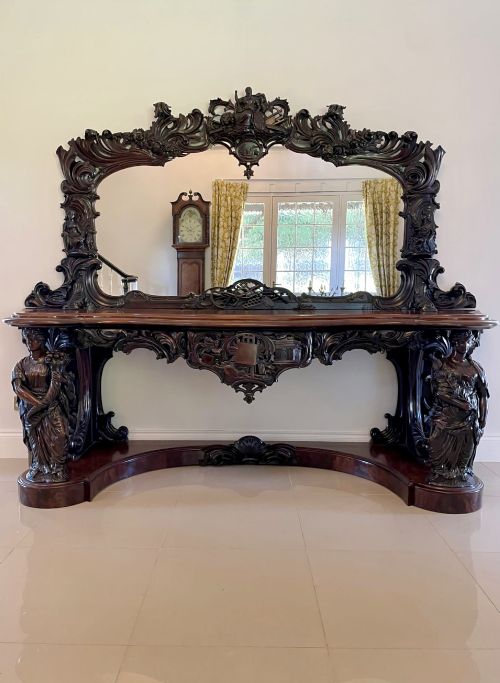
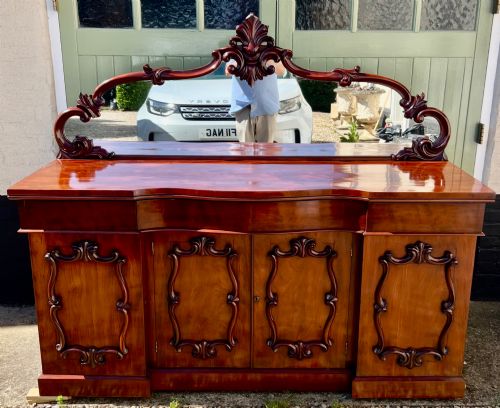
An antique mirror backed buffet combines a heavy base cabinet with an upright superstructure fitted with a mirror plate. These pieces emerge predominantly from the Victorian and Edwardian eras, spanning the mid-nineteenth century through to nineteen hundred.
The form bridges the gap between a traditional sideboard and a display cabinet, using the reflective glass to brighten dark dining spaces. You will encounter substantial mahogany, oak and walnut examples built to anchor large formal rooms.
Materials and Construction
Cabinetmakers utilised dense hardwoods such as mahogany, oak and walnut for the structural carcase and exterior panelling. Decorative veneers like pollard oak and burr walnut added rich grain movement to drawer fronts and door panels.
Silvered mirror glass was set into carved wooden frames above the main serving surface, secured with traditional backboards. Joinery relied on solid framing, dovetail drawers and robust turnings to support heavy marble or timber tops.
Antique Mirror Backed Buffet Retail Price Guide 2026
Typical asking prices for mirror backed buffet among the pieces listed under this phrase on Sellingantiques today, from the lower quarter to the upper quarter. They describe what is for sale here now, not the wider market.
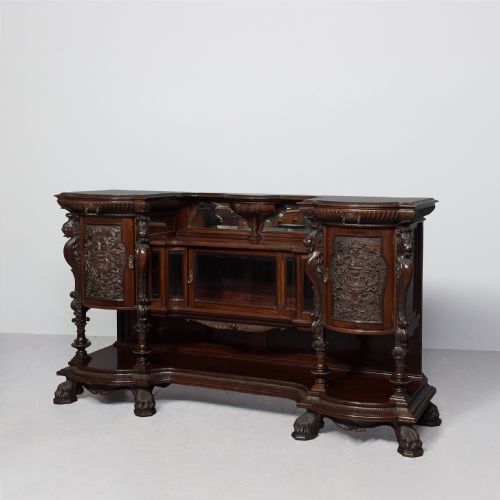
Several heavy oak iterations incorporate carved green man motifs, watching over the dining room with leafy foliage sprouting from their mouths.
Distinctions in Manufacture
Quality reveals itself in the selection of timbers and the depth of the carving. Superior examples feature figured veneers and deeply undercut ornamentation rather than shallow machine work.
The integration of the mirror superstructure separates standard utilitarian pieces from exhibition grade work. Heavier carcases, superior glass clarity and documented cabinetmaker attribution elevate the standing of a piece.
T Simpson and Son·Shapland & Petter·Gillows
The Antique Mirror Backed Buffet Glossary
- Credenza
- A sideboard or side cabinet originally lacking a high back, though frequently adapted with mirrors in Victorian iterations. These pieces often incorporate glazed side cupboards and marquetry inlay.
- Pollard Oak
- Timber taken from pollarded oak trees, prized for its clustered knot formation and dense swirling patterns. Cabinetmakers used it as a decorative veneer on front panels.
- Burr Walnut
- Wood harvested from the abnormal growth of a walnut tree, yielding complex, highly figured grain patterns. It was sliced into thin veneers for high status Victorian furniture.
- Chiffonier
- A low sideboard or side cabinet equipped with an enclosed cupboard and a small shelf superstructure. They offer a more compact alternative to full height buffets.
- Breakfront
- A cabinet design where the central section projects forward from the flanking cupboards. This configuration adds architectural depth to large dining room pieces.
Antique Mirror Backed Buffet: Frequently Asked Questions
How were mirror backed buffets used?
These pieces served as functional servers in Victorian and Edwardian dining rooms, holding silver, linens and serving dishes. The upper mirror reflected candlelight and silver service, while the top surface held food during large meals.
Over time, the focus shifted toward display, with owners placing ceramics and glassware on the open shelves and console tops. They functioned as the visual anchor of the formal dining interior.
How do I style a buffet in a modern home?
Position the piece against a substantial dining room wall where the mirror can reflect natural light and open up the room. Keep the serving surface uncluttered by using the interior cupboards for storage.
Pair the rich wood tones with neutral walls to let the grain and carving stand out without overwhelming the space. Simple ceramic or metallic objects on the top surface complement the historic glass without causing visual clutter.
How do I tell Victorian from Edwardian pieces?
Victorian examples tend to be heavier, featuring darker timbers, ornate carvings and revival styles like Gothic or Renaissance. The mirror frames often display elaborate crests and heavy mouldings.
Edwardian pieces generally exhibit lighter oak or mahogany, simpler lines and influences from the Arts and Crafts movement. The carving is more restrained, favouring naturalistic motifs over historical revivals.
Are the mirrors original?
Original mirrors often show slight foxing, minor silver loss or soft distortion due to the historic manufacturing processes. These subtle imperfections confirm the age and authenticity of the glass plate.
Clear, perfectly unblemished glass in an antique frame typically indicates a modern replacement. Examine the backing boards and frame fixings to determine if the mirror plate has ever been replaced.