



Antique Mintons Transferware
These antique Mintons transferware pieces bring 19th-century blue and white ceramic artistry to your home, offering distinctive patterns and rich history.
Antique Mintons Transferware
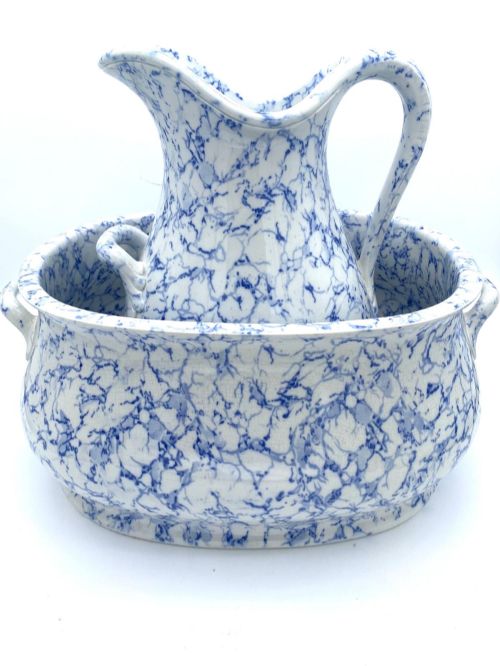
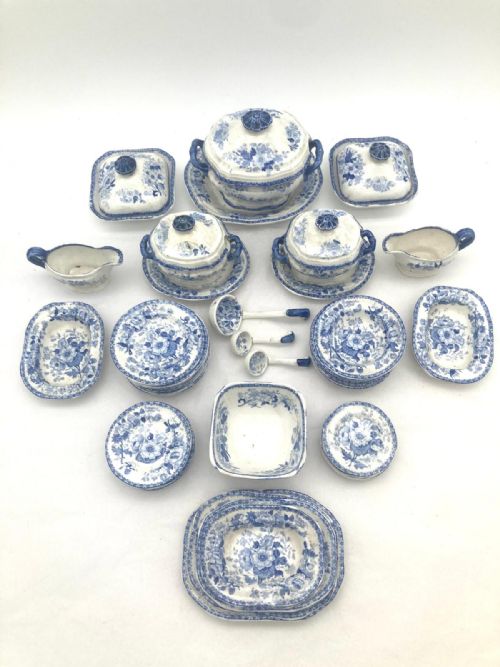
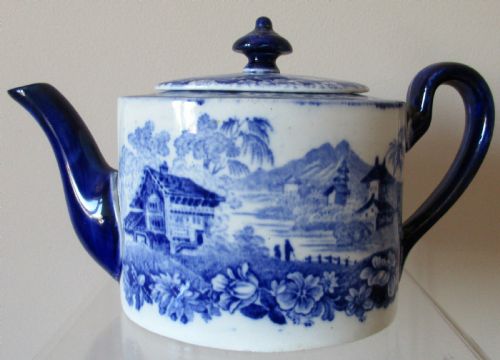
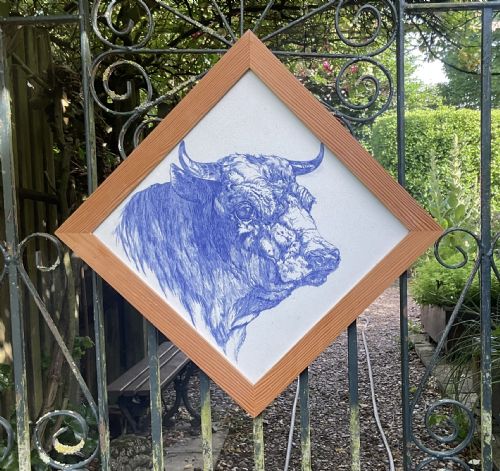
When you search for antique mintons transferware, you encounter a selection of 19th-century ceramics spanning Victorian, Georgian, Edwardian, Arts & Crafts, and Regency styles. The inventory on this page showcases a diverse range of forms, including teapots, wash sets, miniature dinnerware, decorative tiles, water jugs, serving trays, jugs and pitchers, and charger plates.
The most common pieces you are likely to meet include blue and white transfer patterns such as the Genevese pattern, floral sheet designs, and Italian marble styles. Many items date from the 19th century, with specific examples originating around 1820, 1840, 1880, and 1904, reflecting the enduring output of the Minton factory across multiple decades.
Objects range from large meat platters and footbaths to delicate child's services and decorative tiles. Specific pieces feature notable details like the London Goldsmiths coat of arms or designs attributed to Dr Christopher Dresser, demonstrating the varied output found within this ceramic tradition.
Materials and production methods
These pieces are primarily fashioned from earthenware, porcelain, pearlware, and ceramic bodies finished with a glaze. The transferware technique involved applying a printed design from an engraved copper plate onto the ceramic surface before glazing and firing.
Additional materials appear on specific decorative items, such as pine frames or mounts, alongside gold leaf accents. The combination of glazed ceramic and printed blue pigments defines the visual character of the majority of these works.
Antique Mintons Transferware Retail Price Guide 2026
Typical asking prices for mintons transferware among the pieces listed under this phrase on Sellingantiques today, from the lower quarter to the upper quarter. They describe what is for sale here now, not the wider market.
A solitary teapot might quietly contemplate joining your morning routine after two centuries of waiting.
Distinctions in quality and execution
Quality varies in the clarity of the transfer print and the crispness of the underlying ceramic form. Pieces featuring complex multi-part sets, such as footbaths with jugs or extensive child's services, demonstrate greater ambition in production than single utility items.
The involvement of notable designers, such as attribution to Dr Christopher Dresser, or specific commissions bearing the London Goldsmiths coat of arms, elevates the historical interest of individual pieces above standard production wares.
Minton·London Goldsmiths·Dr Christopher Dresser
The Antique Mintons Transferware Glossary
- Transferware
- A pottery decoration method where a design is engraved on a copper plate, printed onto tissue paper, and then transferred onto the unglazed or bisque ceramic body.
- Pearlware
- A refined earthenware developed in the late 18th century featuring a bluish glaze that pooled in recesses to create a whiter overall appearance.
- Flow Blue
- A style of transferware where the cobalt blue pigment intentionally blurred or bled into the surrounding white glaze during the firing process.
- Compote
- A raised bowl used for serving fruit or sweets, typically supported by a central stem and foot.
- Ewer
- A large jug or pitcher with a flared spout, traditionally used for holding water alongside a wash basin.
Antique Mintons Transferware: Frequently Asked Questions
What is antique transferware?
Transferware is pottery decorated by transferring a printed design from an engraved metal plate onto the ceramic body. This technique allowed factories to produce intricate patterns consistently across plates, jugs, and platters.
Most pieces from this tradition utilise cobalt blue pigments on a white earthenware or porcelain ground. The method became widespread during the 19th century, resulting in the diverse patterns collected today.
How do I date Minton ceramics?
Dating Minton pieces involves examining factory marks, style characteristics, and the specific composition of the ceramic body. Early 19th-century items often display different body types, such as pearlware, compared to later Victorian productions.
Written dates on specific items, such as tiles, provide direct evidence of their creation year. Comparing pattern names and registry marks helps narrow down the period of manufacture.
How were wash sets used?
Wash sets were essential bedroom accessories in the 19th century, prior to modern indoor plumbing. A large water jug or ewer was paired with a matching basin to provide water for washing hands and face.
Complete sets often included soap dishes and chamber pots, all decorated in matching transferware patterns like floral sheets or marble designs. Today, these larger forms function as decorative display pieces.
Can I use these antique pieces daily?
While these ceramics were originally created for functional use, their age and historical value generally prompt careful handling today. Decorative tiles, platters, and teapots are frequently displayed as interior ornaments rather than employed in daily dining.
Hand washing is essential for preserving the historic glaze and transfer prints. Avoiding dishwashers and microwaves protects the ceramic body from thermal shock and wear.