



Antique Minton China Plate
These antique minton china plate examples offer a tangible link to ceramic history, prized for their fine porcelain bodies and intricate hand-painted decoration.
Antique Minton China Plate
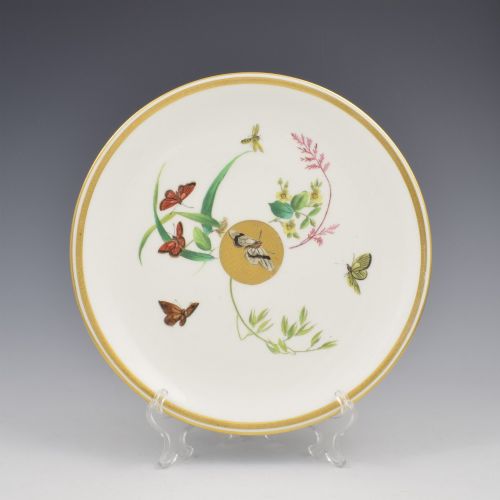
You are most likely to meet Victorian and 19th-century examples on this page, often decorated in floral patterns, aesthetic movement styles, or chinoiserie designs. Forms such as the Newcastle shape basketweave plate appear alongside hand-painted landscape and armorial plates.
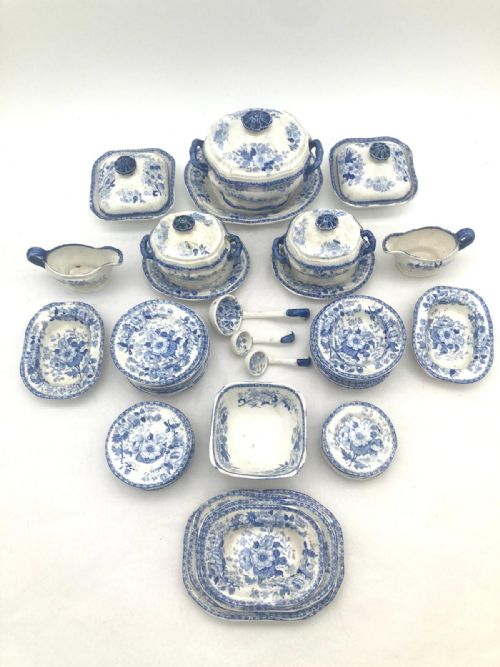
The origins of these pieces trace back to early nineteenth-century production methods, encompassing earthenware and fine porcelain bodies. Collectors often find service pieces like rectangular platters and miniature dinnerware alongside individual cabinet plates.
Materials and methods
Makers utilised fine porcelain and earthenware to form the foundation of each piece, shaping them into standard plates, baskets, and platters. Glaze was applied to seal the ceramic body before any decoration took place.
Decoration relied heavily on hand-painting, blue and white transfer printing, and delicate gilt or gold leaf applications. Techniques such as pate-sur-pate and enamel work added raised textures and rich colour to the finished surfaces.
Antique Minton China Plate Retail Price Guide 2026
Typical asking prices for minton china plate among the pieces listed under this phrase on Sellingantiques today, from the lower quarter to the upper quarter. They describe what is for sale here now, not the wider market.
Listings span the Georgian, Regency, and Victorian periods, showcasing materials from basic earthenware to fine porcelain, enamel, and gold leaf.
Assessing quality
The refinement of the ceramic body and the precision of the moulding set the baseline for each item, with basketweave textures and Newcastle shapes showing varying degrees of crispness. Superior examples display sharper relief work and a more even glaze.
The complexity and execution of the decoration dictate the upper tier of the range, distinguishing simple transfer prints from meticulous hand-painted landscapes and raised gilt work. The integration of specialised techniques like pate-sur-pate indicates a higher grade of manufacture.
Minton
The Antique Minton China Plate Glossary
- Cabinet plate
- A decorative plate intended for display rather than dining use. These often feature elaborate hand-painted scenes or rich gilding.
- Pate-sur-pate
- A ceramic decoration technique where layers of liquid clay are built up to create a raised cameo effect. This method requires considerable skill from the artisan.
- Transfer printing
- A process where a design is engraved on a copper plate, transferred to paper, and then applied to the ceramic body. Blue and white transfer patterns became widespread during the nineteenth century.
- Gilt
- Application of gold or gold leaf onto the ceramic surface to highlight rims and motifs. The thickness and burnishing of the gilding vary across different pieces.
- Newcastle shape
- A specific moulded form often featuring basketweave or textured borders. It is frequently seen on nineteenth-century tableware.
Antique Minton China Plate: Frequently Asked Questions
How do I date an antique Minton plate?
Dating relies on stylistic clues, registered pattern numbers, and the specific shape of the ceramic body, such as the Newcastle basketweave. Comparing the decorative motifs to known periods like the Regency or Victorian eras helps narrow the timeline.
Changes in ceramic bodies from early earthenware to later porcelain also assist in establishing an approximate decade of manufacture.
Were these plates used for dining?
Many items, such as dessert plates and child's service pieces, were created for actual table use during the nineteenth century. Platters and serving trays functioned primarily to present food.
Cabinet plates, however, were specifically produced for visual display in parlours and dining rooms rather than functional service.
What is the difference between transferware and hand-painted plates?
Transfer printing involved stamping a printed design onto the ceramic using a prepared paper sheet, allowing for consistent patterns like blue and white transfer flowers. Hand-painted plates required an artist to apply pigments directly with a brush.
Hand-painted examples often exhibit subtle brushwork variations, whereas transfer-printed items show uniform outlines.