




Antique Minton Ceramic Dish
These antique Minton ceramic dish examples offer exceptional craftsmanship and historical charm, making them sought-after centrepieces for any discerning collector.
Antique Minton Ceramic Dish
When you search for an antique Minton ceramic dish, you encounter a variety of forms including dessert plates, servingplatters, and centrepieces. The pieces range across Victorian and Georgian periods, showcasing diverse historical styles.
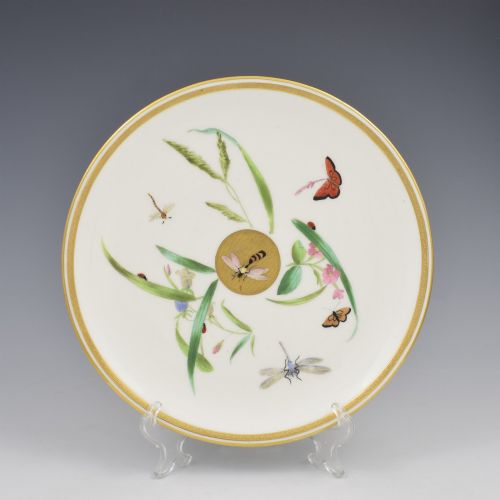
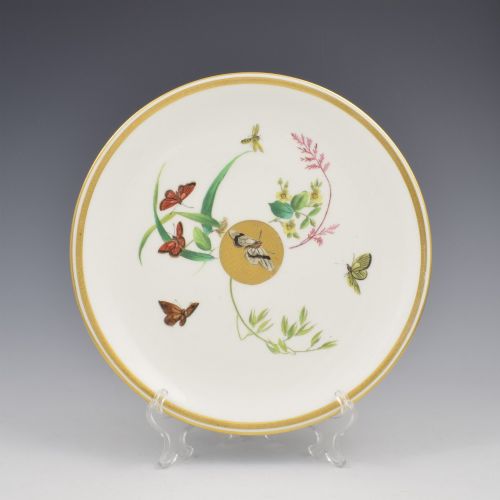
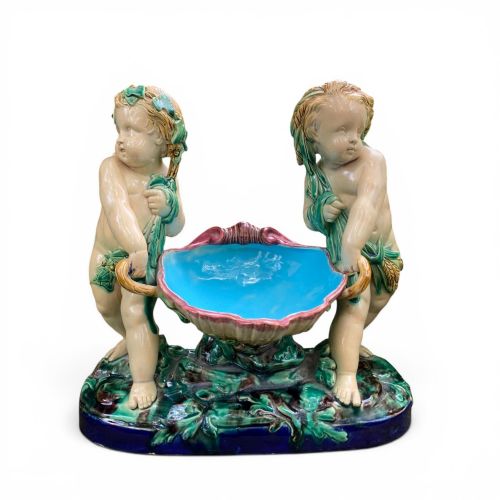
You are most likely to meet Victorian majolica pieces and aesthetic period porcelain dessert plates on this page. These items reflect the shifting tastes of the nineteenth century, moving from classical Regency designs to ornate Japanese styles.
The selection includes specialised items like tureen dishes, compotes, and blue and white china trays. Each object demonstrates the versatility of the Minton factory across different decades of production.
How they were made
The manufacturing process relies on high-quality porcelain, earthenware, and glazed ceramic bodies moulded or thrown into complex shapes. Artisans then applied detailed hand-painted designs and transfer-printed patterns.
Decoration often incorporates gold leaf, rich enamel colours, and glossy coloured glazes to achieve the distinct finishes seen on majolica and pearl-jewelled plates.
Antique Minton Ceramic Dish Retail Price Guide 2026
Typical asking prices for minton ceramic dish among the pieces listed under this phrase on Sellingantiques today, from the lower quarter to the upper quarter. They describe what is for sale here now, not the wider market.
Listings span Victorian, Georgian, and Regency periods, featuring porcelain, earthenware, and majolica materials.
What varies in quality
Quality depends on the precision of the hand-painting and the complexity of the moulding, such as basketweave textures or figural elements like cherubs. Higher tier items feature intricate gilding and specialised colour grounds.
The depth of the glaze and the preservation of delicate enamel work distinguish standard production wares from exhibition-grade pieces created by the pottery.
Minton
The Antique Minton Ceramic Dish Glossary
- Majolica
- A colourful, lead-glazed earthenware type championed by Minton during the Victorian era, known for naturalistic moulded motifs and vibrant hues. It gained immense popularity for its decorative appeal on plates and centrepieces.
- Compote
- A raised decorative dish used for serving fruit or sweets, typically featuring a pedestal base. In Minton ceramics, these often incorporate figural supports like cherubs.
- Well and tree platter
- A large serving dish featuring channels and a well to collect meat juices during carving. These heavy platters were essential for formal dining.
- Aesthetic movement
- A late nineteenth-century design style emphasising art for art's sake, heavily influenced by Japanese art. Minton plates from this period often display asymmetric motifs and gilt insects.
- Pearl jewelled
- A decorative ceramic technique involving raised enamel dots that resemble pearls or jewels. It creates a tactile, luxurious surface on dessert plates.
Antique Minton Ceramic Dish: Frequently Asked Questions
How do I date a Minton ceramic dish?
Dating relies on factory registration marks, pattern numbers, and stylistic markers recorded in the piece details. Comparing the glaze type and decorative motifs helps narrow the manufacturing period.
Victorian pieces often display specific shape registry diamonds, while earlier Georgian items rely on pattern numbers and body characteristics.
Can I use these antique dishes for serving food?
Most collectors treat these historical ceramics as display pieces rather than functional tableware. The delicate enamel work and older glazes require careful handling to preserve their condition.
Hand washing in lukewarm water is essential if you occasionally use them, avoiding modern dishwashers entirely.
Why do some Minton plates feature Japanese designs?
Late nineteenth-century European designers drew heavy inspiration from Japanese art and trade goods introduced during the Meiji period. Minton embraced this aesthetic movement on dessert plates.
These items combine traditional British ceramic shapes with asymmetrical motifs, gilt suns, and butterflies.