

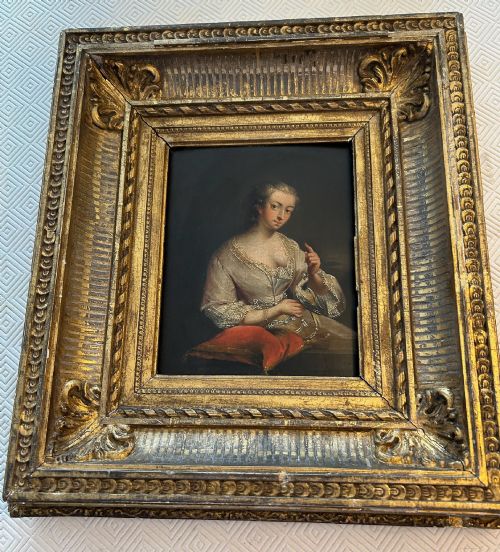

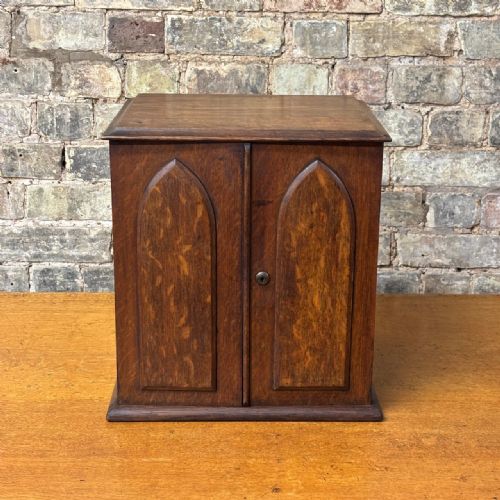


Antique Miniature Panel
An antique miniature panel brings concentrated craftsmanship to a room, offering small painted scenes, carved woodwork or glazed porcelain plaques scaled down for intimate display.
Antique Miniature Panel
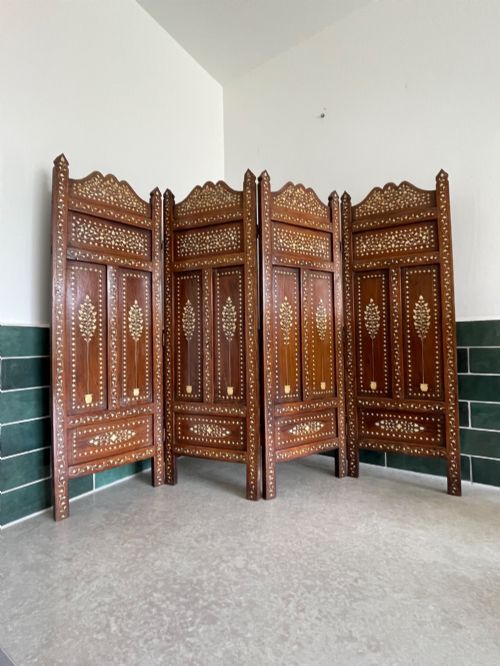
An antique miniature panel encompasses small format works of art and fitted architectural elements, ranging from hand-painted porcelain plaques and gouache paintings to carved wooden coffer doors and inlaid screens. When buyers search for an antique miniature panel, they encounter diverse objects including portrait miniatures on ivory or agate, Limoges enamel plaques, and architectural panels set into small oak cabinets.
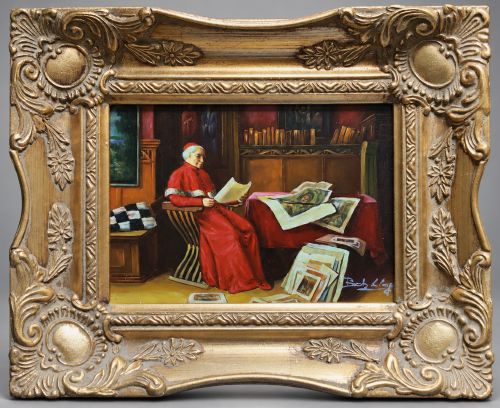
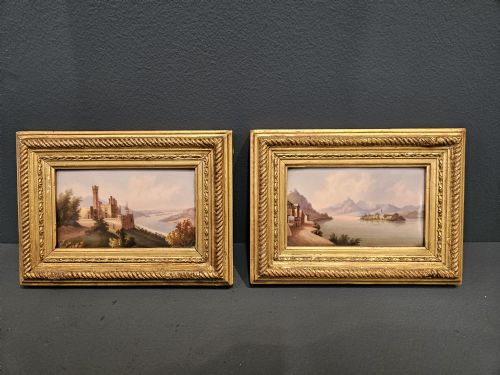
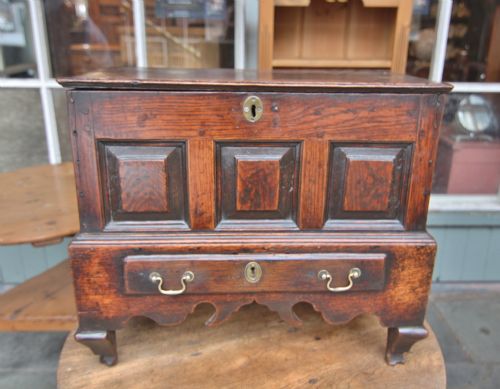
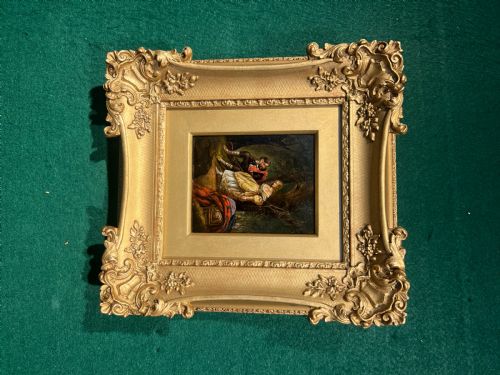
The material formats vary widely across European, Asian and Middle Eastern traditions. Examples span Welsh oak coffer bach panels, Japanese Shibayama screens, and Indian carved erotic panels alongside framed oil portraits and porcelain plaques from factories like KPM Berlin.
How they were made
Makers utilised rigid natural supports such as copper, dense oak, ivory, agate and porcelain plaques to receive delicate layers of oil paint, gouache, enamel or carved detail. Enamel works involved fusing powdered glass to metal bases through repeated firing, whilst porcelain plaques required meticulous hand-painting followed by high-temperature glazing.
Wood panels often relied on traditional regional joinery, particularly in vernacular pieces like Welsh coffer bach chests featuring carved or panelled construction. Gilding and bronze mounting frequently framed these small surfaces to enhance their visual depth.
Antique Miniature Panel Retail Price Guide 2026
Typical asking prices for miniature panel among the pieces listed under this phrase on Sellingantiques today, from the lower quarter to the upper quarter. They describe what is for sale here now, not the wider market.
Some miniature panels hide intimate portraits behind tiny sliding doors, keeping private affections safely tucked away.
What varies in quality
Provenance and mounting also influence the character of the piece, particularly where original precious metal frames or bespoke display cabinets are intact. Finer examples maintain crisp surface details and rich colour retention across enamel, oil and porcelain mediums.
KPM Berlin·Samson·J C Vickery
The Antique Miniature Panel Glossary
- Coffer bach
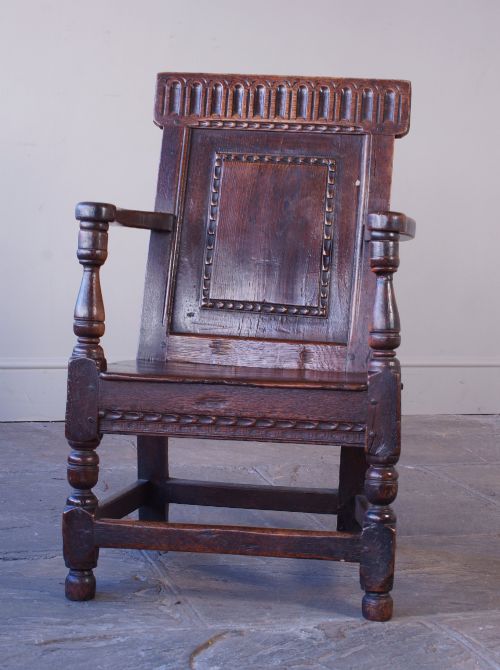
- A miniature Welsh chest featuring panelled construction, traditionally used for storing valuables or documents. These small coffers often mirror the joinery techniques of full-sized oak furniture from the eighteenth century.
- Plaque
- A flat ornamental tablet made of porcelain, enamel or metal, designed for wall mounting or insertion into furniture. Many carry hand-painted portraits or landscapes.
- Shibayama
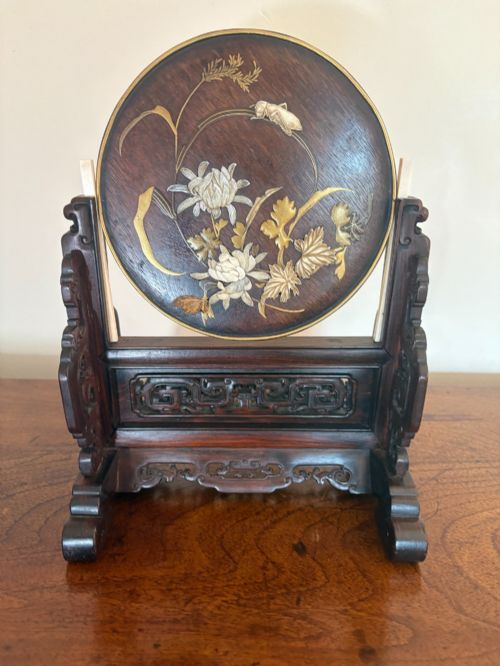
- A Japanese decorative technique involving inlaid mother-of-pearl, ivory, and tortoiseshell on wood or lacquer backgrounds. It appears frequently on intricate table screens and panels.
- Gouache
- An opaque water-based paint medium used for detailed miniature portraits on paper or vellum. It yields a matte finish with intense pigment saturation.
- Enamel
- Vitreous material fused to a metal substrate such as copper or silver through firing. Limoges and various European workshops specialised in painted enamel panels.
Antique Miniature Panel: Frequently Asked Questions
What is a coffer bach?
A coffer bach is a small Welsh oak chest featuring panelled construction, built in miniature scale during the eighteenth and nineteenth centuries.
Craftsmen constructed these miniature pieces with the same dovetail and panel techniques used for domestic furniture storage chests.
How were porcelain plaques displayed?
Porcelain plaques were typically mounted within fitted giltwood frames or integrated directly into the doors of small cabinets and table screens.
They allowed artists to execute detailed portraiture and landscape scenes on a stable ceramic surface that resisted warping.
What are Shibayama panels?
Shibayama panels feature intricate Japanese decorative work utilising inlaid mother-of-pearl, ivory, and metals to form pictorial subjects on wood.
These pieces arrived in Western collections during the late nineteenth century, prized for their meticulous multi-material assembly.
How do you date enamel panels?
Dating enamel panels involves examining the metal substrate, the framing technique, and the chemical composition of the vitreous pigments.
Earlier eighteenth-century works differ in palette and mounting style from the revival pieces produced by nineteenth-century French workshops.