


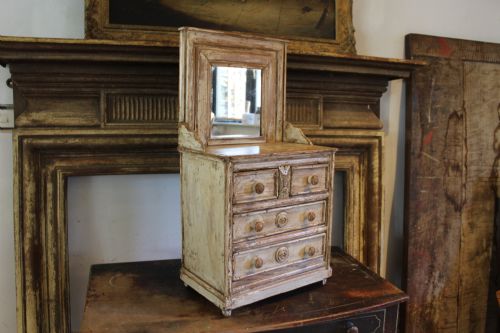


Antique Miniature Mirror
An antique miniature mirror packs the decorative power of a full-scale looking glass into a tiny, portable format made for dressing tables and desks.
Antique Miniature Mirror
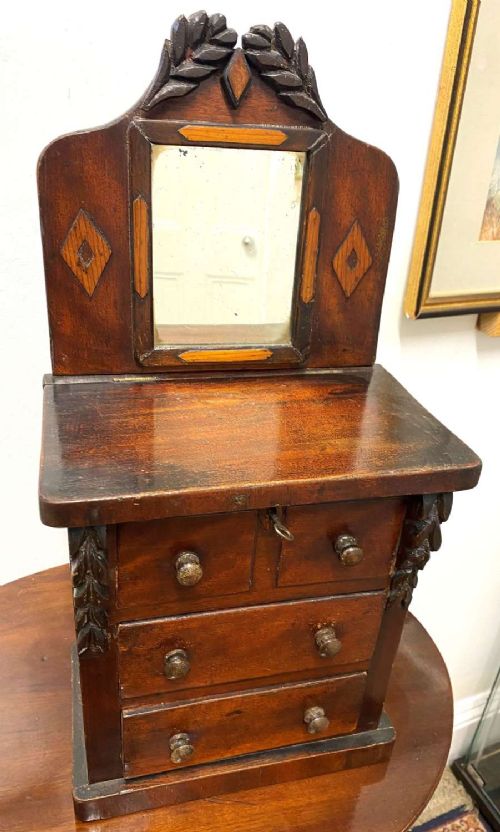
An antique miniature mirror serves as a charming addition to a dressing table, desk, or collector's cabinet. These pieces compress the elaborate styles of larger furniture into portable formats designed for intimate spaces.
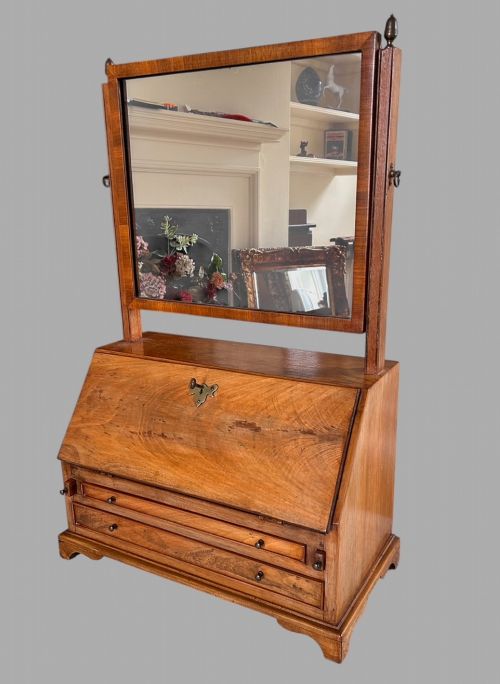
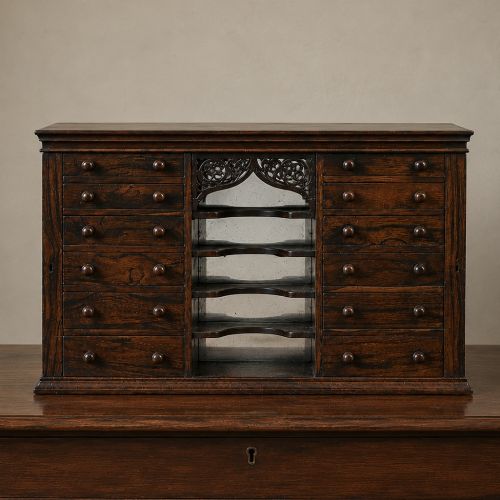
The selection here encompasses several distinct forms, from tabletop bureau mirrors and hand mirrors to wall-hanging ovals and framed dressing glasses. Cabinet pieces often incorporate small drawers or compartments alongside the reflective surface.
Makers drew on various aesthetic movements across the nineteenth and early twentieth centuries, producing items influenced by Regency, Victorian, Edwardian, and Art Deco tastes.
Materials and construction
Timbers such as mahogany, rosewood, satinwood, and figured walnut form the structural carcasses and frames of many examples, often enhanced by decorative inlays or giltwood finishes.
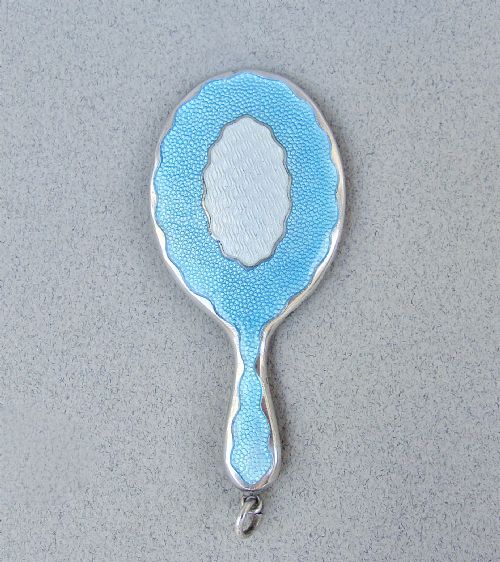
Metalwork plays a prominent role through brass mounts, ormolu, and sterling silver frames adorned with guilloché or Limoges enamel details.
Reflective surfaces rely on traditional mirror glass set securely into hand-finished wooden or metallic bezels.
Antique Miniature Mirror Retail Price Guide 2026
Typical asking prices for miniature mirror among the pieces listed under this phrase on Sellingantiques today, from the lower quarter to the upper quarter. They describe what is for sale here now, not the wider market.
The selection includes tabletop bureaus, compact wardrobes, and hanging ovals alongside traditional hand-held dressing mirrors.
Assessing craftsmanship
Quality rests in the precision of the joinery and the crispness of the carved or cast ornamentation, distinguishing finely worked items from simpler productions.
The choice of materials dictates the tier of the piece, with select hardwoods, heavy bronze mounts, and genuine vitreous enamel elevating the status of the object.
Integration between the mirror frame and any supporting bureau or cabinet fittings reveals the care taken by the original maker.
Henry Williamson·Meyle & Mayer·F. Bienvue
The Antique Miniature Mirror Glossary
- Guilloché enamel
- A decorative technique involving precise, intricate patterns engraved beneath a translucent enamel coating. It frequently appears on silver purse mirrors and compacts from the early twentieth century.
- Ormolu
- Gilded bronze mounts applied to furniture and decorative objects for ornamentation. The finish requires careful hand-chiselling after casting to achieve sharp definition.
- Satinwood
- A durable, yellowish timber prized for its lustrous grain and smooth texture. Cabinetmakers utilised it extensively for fine inlay work and high-status tabletop pieces.
- Wellington chest
- A tall, narrow chest of drawers secured by a locking stile hinged on one side. Miniature versions occasionally incorporate a mirrored section or serve specialised dressing functions.
- Credenza
- A low-profile cabinet historically used for display or storage. Miniature interpretations adapt the proportions for tabletop placement, sometimes featuring porcelain plaques.
Antique Miniature Mirror: Frequently Asked Questions
How were antique miniature mirrors used?
These small looking glasses served practical grooming purposes on dressing tables or travelled inside purses and vanity cases for touch-ups away from home.
Cabinet versions also functioned as decorative display pieces on desks, holding small valuables, trinkets, or correspondence alongside the mirror.
What periods do these mirrors span?
The pieces available range across the nineteenth and early twentieth centuries, capturing shifts in design from Regency elegance through Victorian elaboration to Edwardian refinement and Art Deco geometry.
Earlier examples from the early eighteen-hundreds rely on carved giltwood and classic timber veneers, while later items embrace bright enamels and silver mounts.
Are miniature mirrors part of larger furniture?
Several examples function as standalone items, such as pocket mirrors, hand-held pieces, and small wall-hanging ovals.
Others integrate directly into miniature bureaus, compact wardrobes, or dressing table chests of drawers, combining storage with a functional glass.
How do I care for an antique mirror?
Keep wooden frames and metal mounts away from direct sunlight and excessive moisture to protect the timber grain and enamel work from degradation.
Clean the mirror glass gently with a dry or slightly dampened cloth, avoiding harsh chemicals that might seep behind the bevel and damage the silvered backing.