
Antique Miniature Art
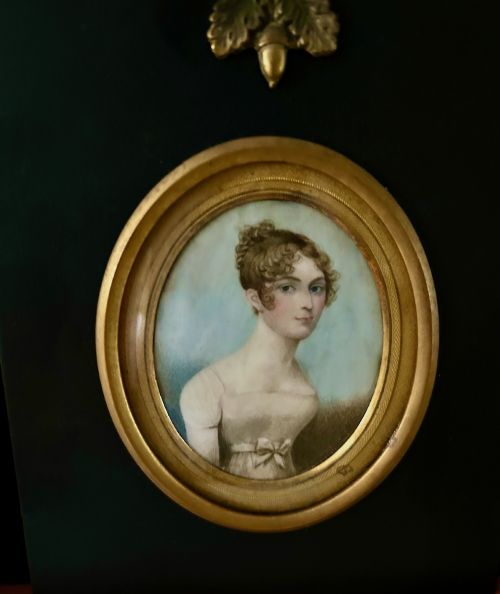
Antique miniature art encompasses delicate portrait miniatures, silhouettes and painted framed works spanning the Georgian, Regency and Victorian periods.
Antique Miniature Art
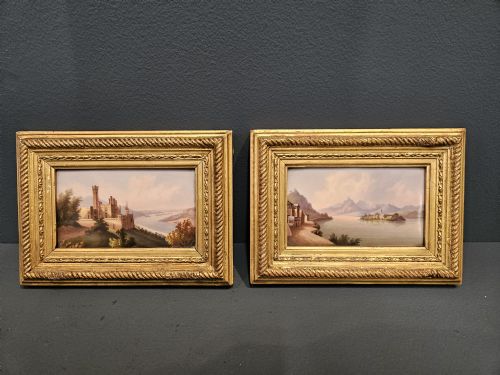
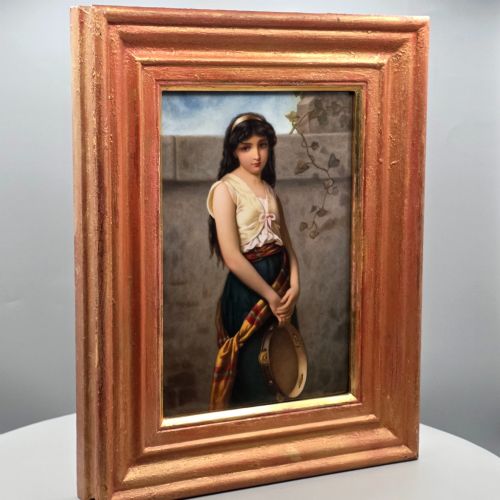
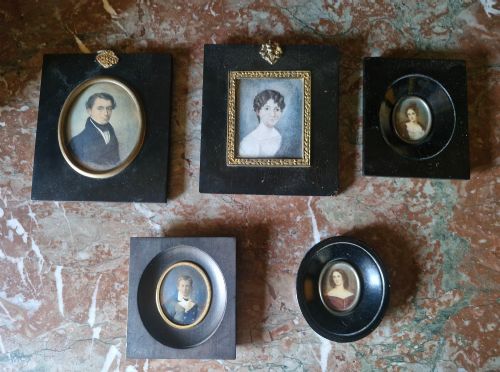
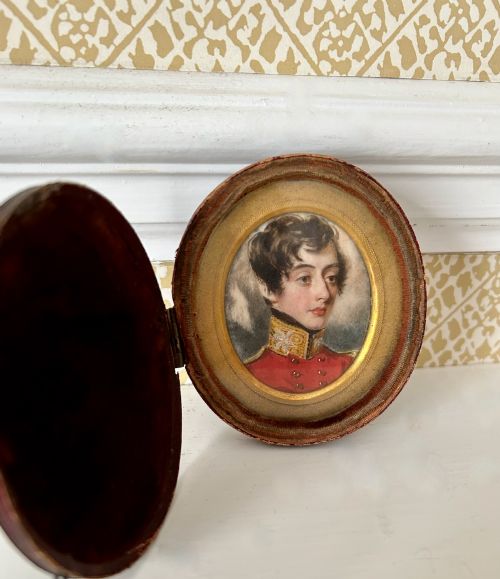
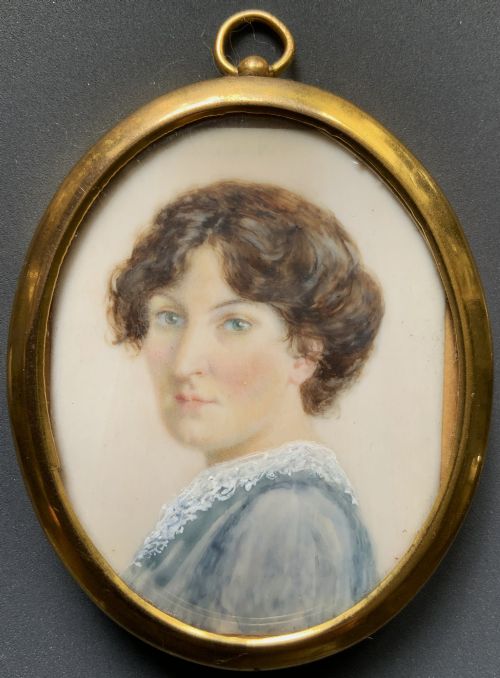
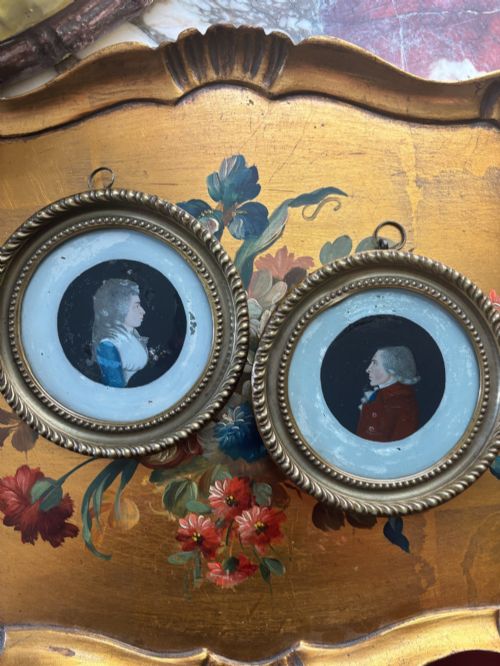
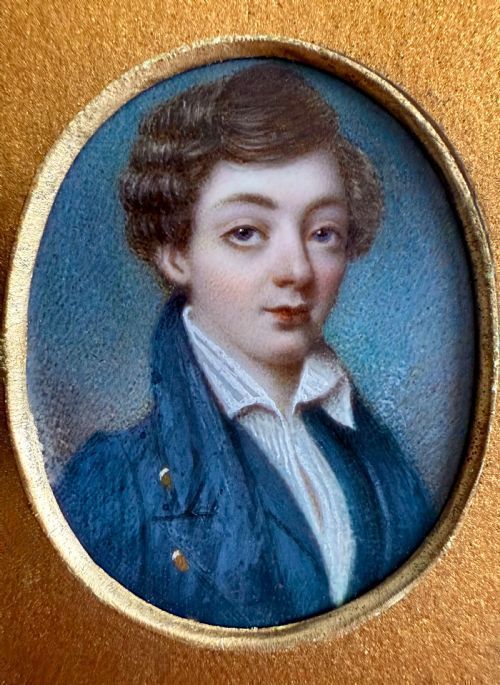
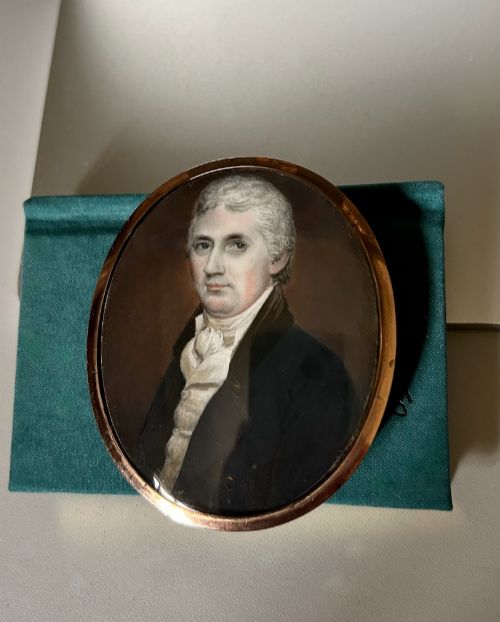
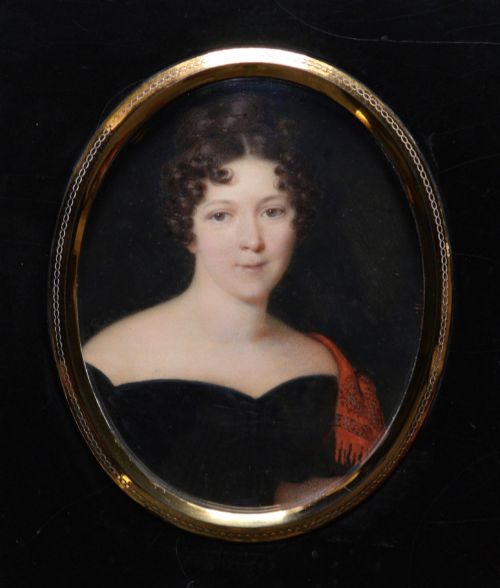
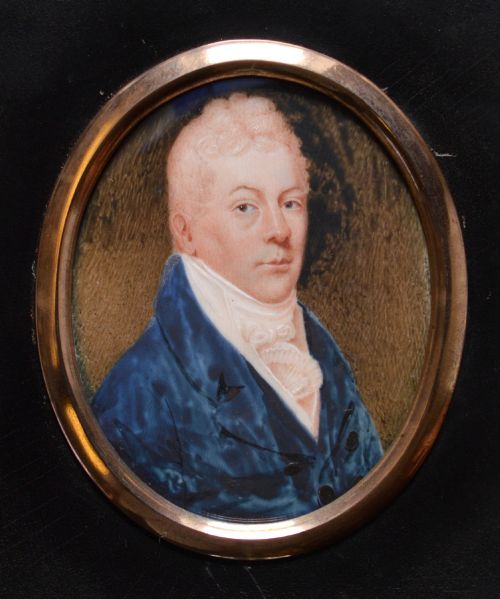
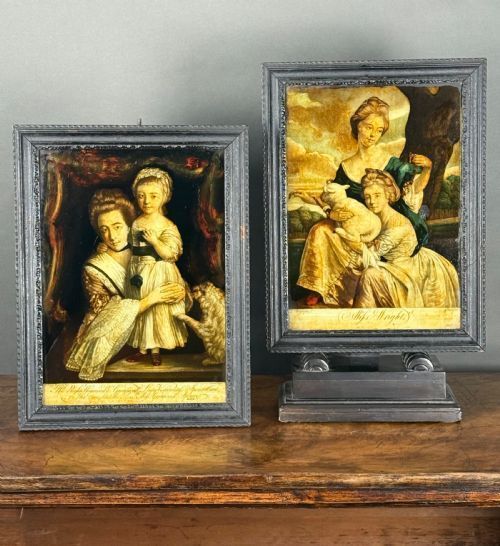
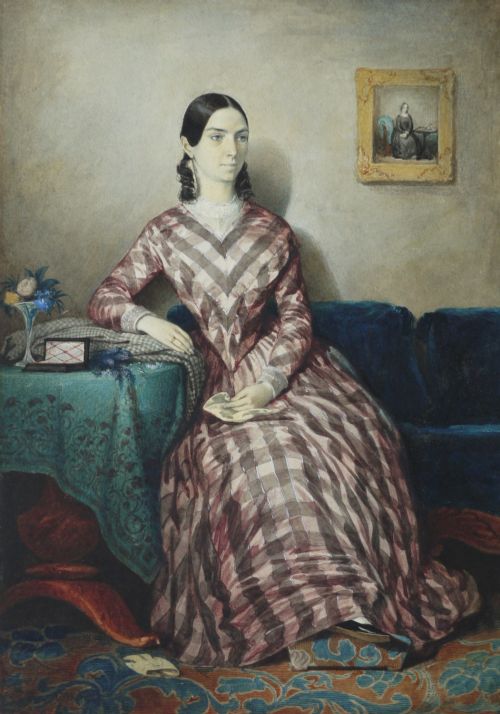
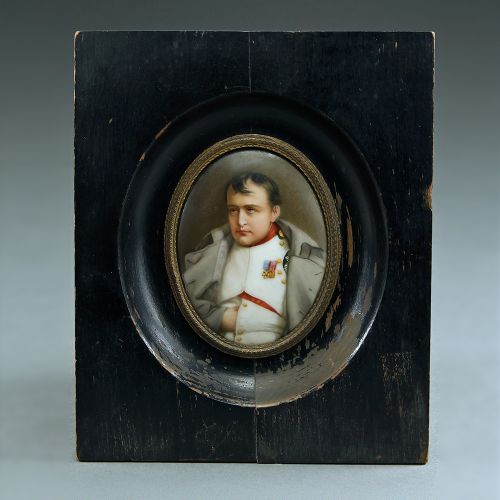
When you search for antique miniature art, you encounter small-scale visual works created primarily across the 18th, 19th and early 20th centuries. These pieces encompass portrait miniatures, silhouette portraits, reverse glass mezzotints, paintings and framed artwork.
The most common examples on this page are 19th-century portrait miniatures and cut-paper silhouettes, alongside French and English folk art items such as dioramas and ships in bottles. These works served as intimate personal tokens, keepsakes and domestic decorations long before the widespread use of photography.
How they were made
Makers produced these works using delicate watercolours on paper or ivory, alongside opaque paint, ink and enamel. Many portrait miniatures relied on meticulous brushwork applied to thin ivory sheets, while silhouettes utilised precision hand-cutting from black paper, often enhanced with gold leaf and watercolour details.
Framing and mounting played an essential role in construction, utilising brass, gilt metal and timber surrounds to protect the fragile surfaces. Reverse glass techniques involved painting directly onto the glass panel itself, creating a durable and luminous finished image.
Current listings feature works spanning the Georgian, Regency, Victorian, and Art Deco periods, created using watercolour, paper, glass, and gold leaf.
What varies in quality
The degree of anatomical precision and facial expression distinguishes superior portrait miniatures from simpler commercial work. Master practitioners achieved remarkable likeness and depth within a postage-stamp format, whereas lesser pieces exhibit stiff lines and flat tones.
Materials and framing contribute significantly to overall standard. Pieces set into original 14K gold or finely chased gilt frames retain greater integrity than those altered or rehoused in later centuries.
Alessandro Cittadini·William James Hubard·Henri Fradelle·James Sharples·Thomas John Horsley·Horace Hone·Charles Shirreff·Richard Cosway·Augustin Edouart·Georg Adam Scheid
The Antique Miniature Art Glossary
- Silhouette
- A profile portrait filled in with a solid dark colour, usually cut from paper or painted on card or glass.
- Reverse glass mezzotint
- An image applied directly to the underside of a glass sheet, creating a finished picture viewed through the transparent front.
- Diorama
- A three-dimensional scene enclosed within a container, such as a bottle, depicting maritime subjects or folk art narratives.
- Enamel portrait
- A miniature painting fused onto a metal ground by heat, offering exceptional longevity and vibrant colour retention.
Antique Miniature Art: Frequently Asked Questions
What is antique miniature art?
Antique miniature art refers to small-scale paintings, silhouettes, and framed works created during the 18th, 19th, and early 20th centuries.
These pieces were collected as personal portraits, keepsakes, and decorative items before photography became common.
How were portrait miniatures displayed?
Makers housed portrait miniatures in small gilt frames, pendant settings made of gold or brass, and hinged leather cases.
Owners often wore them as jewellery or displayed them on small tabletops using specialised miniature easels.
What materials did artists use?
Artists worked with watercolour, ink, paint, and enamel applied to paper, card, glass, and thin slices of ivory.
Silhouettes relied on black cut paper, sometimes accented with gold leaf and delicate brushwork.
How do I care for miniatures?
Keep fragile miniatures away from direct sunlight to prevent the watercolour pigments and paper from fading over time.
Maintain stable indoor humidity levels to protect the delicate wooden frames and organic materials like ivory.