




Antique Mine Cut Ring
An antique mine cut ring brings together hand-faceted stones and historic metalwork from the Georgian, Victorian, Edwardian and Art Deco eras.
Antique Mine Cut Ring
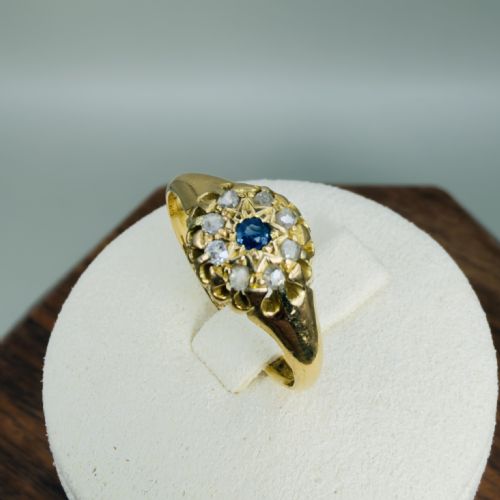
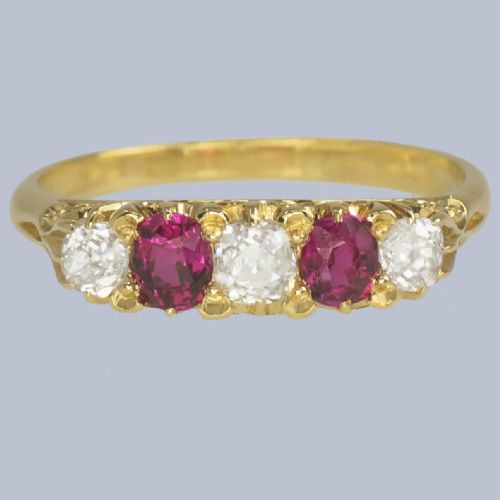
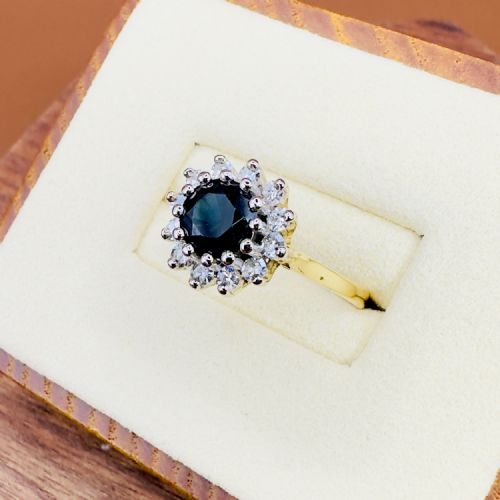
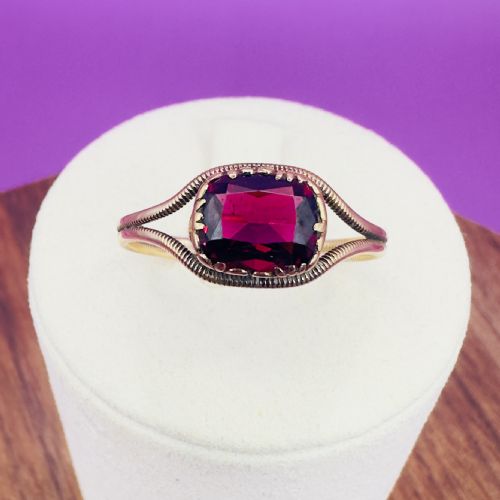
Solitaires, five-stone half-hoops, and multi-stone clusters dominate the available selections. Buyers frequently encounter designs incorporating sapphires, rubies, garnets, or pearls alongside the central old cut stones.
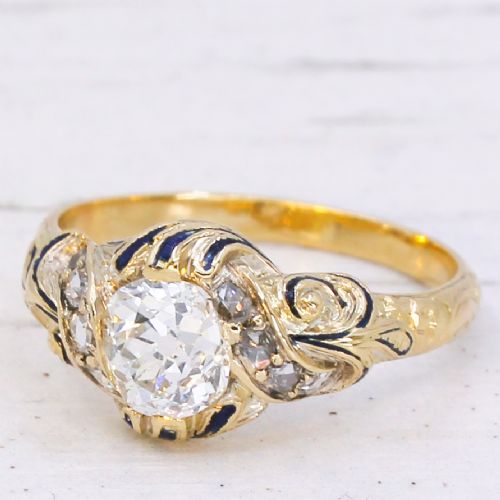
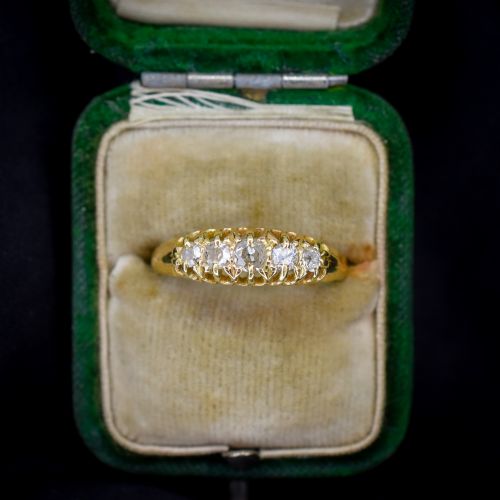
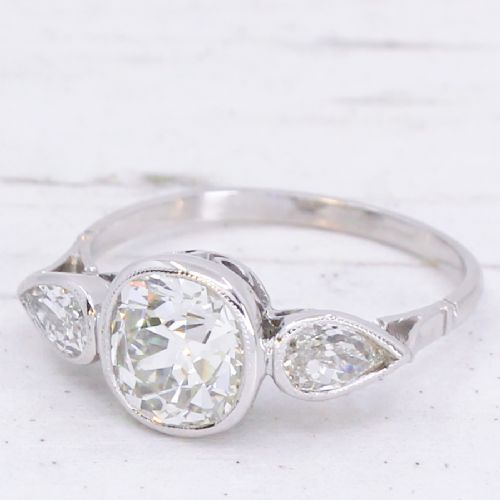
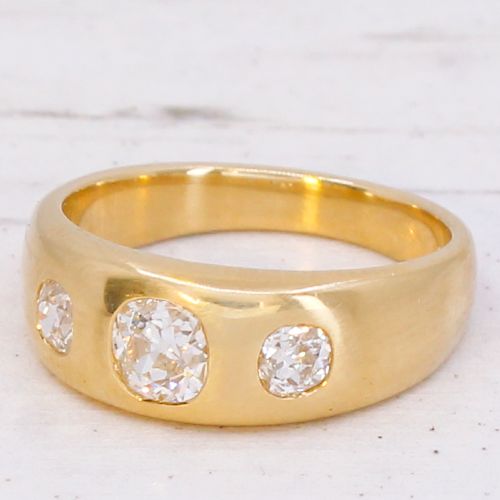
Metals range from yellow gold and 18ct yellow gold to platinum and white gold. Common configurations include boat-shaped settings, gypsy bands, and elaborate carved half-hoop mountings.
How they were made
Goldsmiths shaped mounts by hand using 18ct gold, 15ct gold, or platinum, often combining yellow gold bands with white metal claw settings to enhance the appearance of the diamonds. Techniques such as carved half-hoop work and snake motifs required skilled manual metal manipulation.
Diamonds were cleaved and polished by hand under candlelight or early lighting, resulting in chunky facets and distinctive cushion or pear silhouettes that differ entirely from modern machine-cut stones.
Some Victorian designers expressed everlasting attachment by carving coiled gold serpents to hold sparkling old mine cut diamonds.
What varies in quality
The overall proportion, symmetry, and carat weight of the central old mine cut diamonds establish the primary distinction between pieces. Stones with higher clarity grades and balanced cushion shapes command greater attention.
The integrity of the mounting and the complexity of surrounding gemstone work also define the tier of a piece. Intricate gallery wirework, well-matched secondary stones like rubies or sapphires, and clear hallmarks elevate the standing of an individual ring.
The Antique Mine Cut Ring Glossary
- Old mine cut
- An early diamond cutting style characterised by a near-square or cushion outline, a high crown, and a small table facet. These stones were shaped by hand before modern machinery existed.
- Gypsy ring
- A band style where gemstones are flush-set directly into the thick metal hoop. This design became popular during the late Victorian period for everyday wear.
- Half-hoop
- A ring mounting featuring a row of stones stretching across the top half of the band. Five-stone configurations in this style frequently incorporate old cut diamonds.
- Carat
- A unit of weight used to measure gemstones. In older jewellery, weights often reflect individual hand-carved proportions rather than precise modern calibration.
- Cluster ring
- A setting arrangement where a central stone is surrounded by a border of smaller gems. Sapphires, rubies, and diamonds often form these clustered floral patterns.
Antique Mine Cut Ring: Frequently Asked Questions
How do I date an antique ring?
Dating relies on a combination of metal types, setting styles, and official hallmarking. Victorian pieces often use heavy yellow gold and ornate boat-shaped settings.
Later Edwardian and Art Deco examples frequently incorporate platinum and lighter white gold filigree work alongside geometric cluster arrangements.
Are these rings suitable for daily wear?
These historic pieces were built for everyday adornment using durable materials like 18ct gold and platinum. Solid bands and secure settings handle regular use well.
Owners should consult a jeweller for routine prong checks to ensure the security of hand-set stones over time.
What metals were used in these rings?
Yellow gold in 18ct and 15ct purities forms the foundation of most Georgian and Victorian pieces. Platinum and white gold emerge more frequently in later Edwardian and Art Deco designs.
Combination mountings utilising yellow gold bands with platinum top settings appear regularly across the selection.