


Antique Military Officer Art
Antique military officer art brings historical portraits of commanders and soldiers into domestic spaces.
Antique Military Officer Art
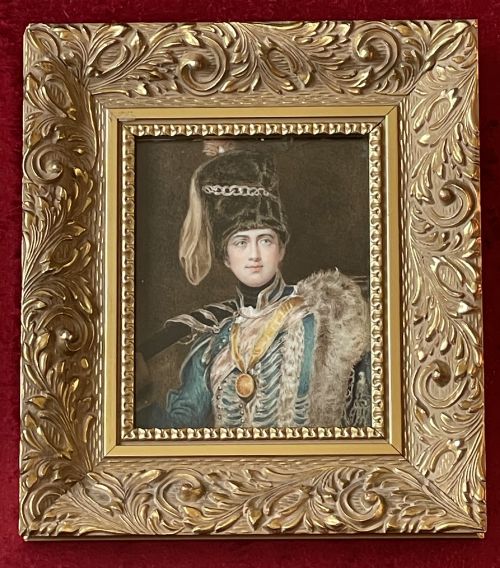
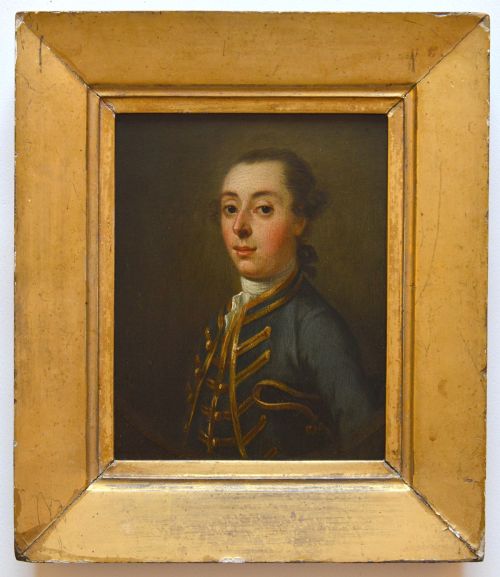
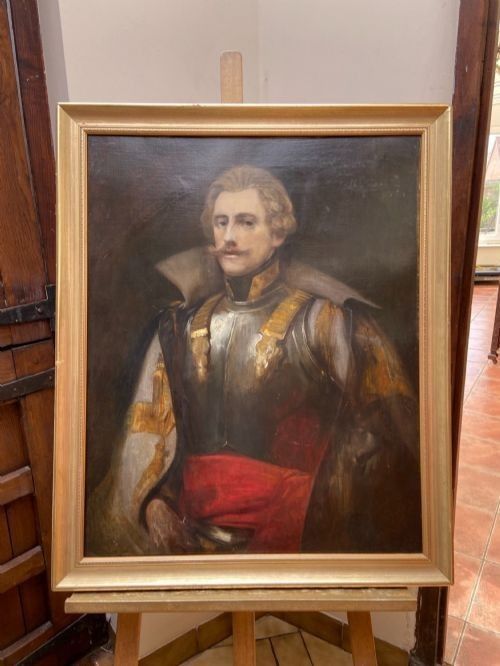
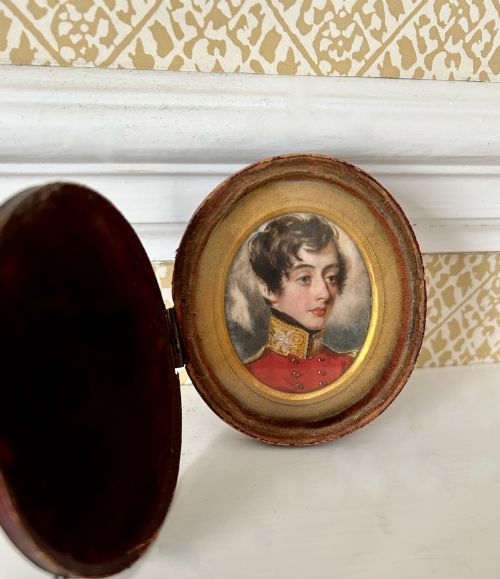
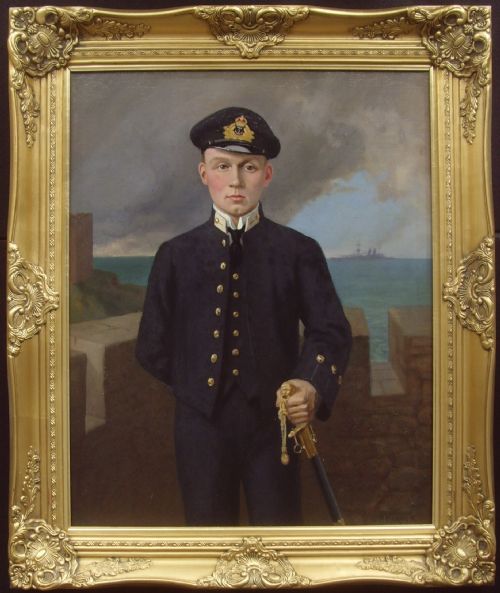
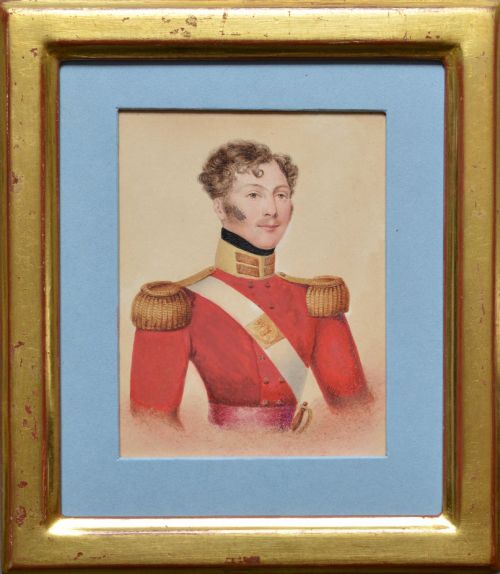
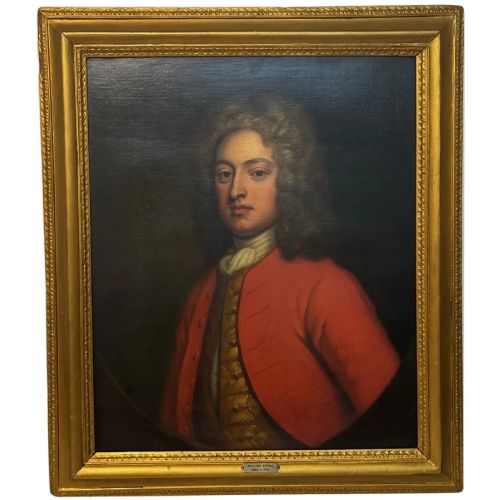
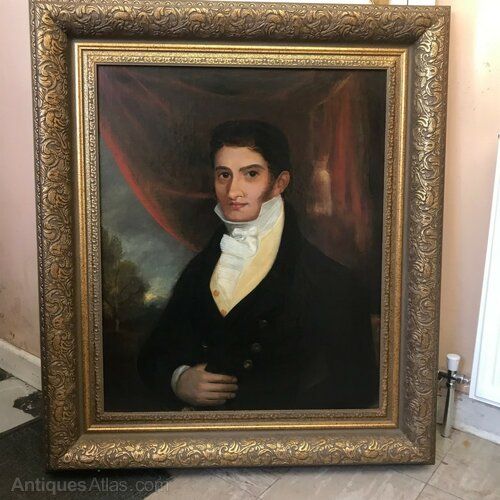
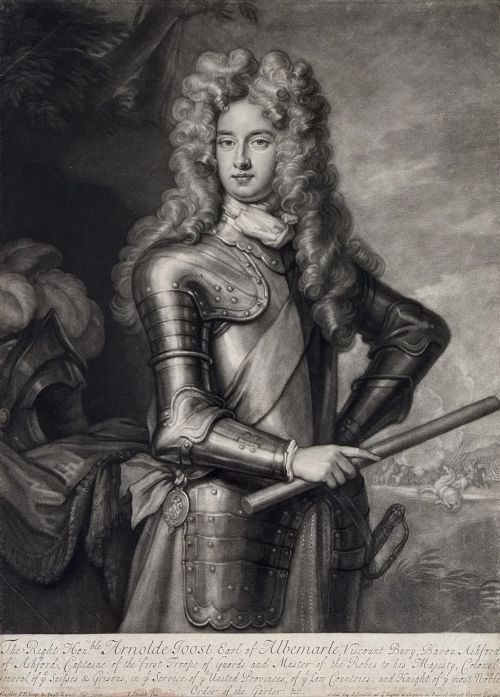
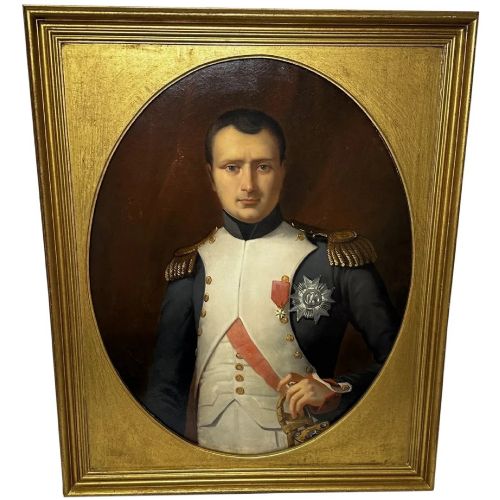
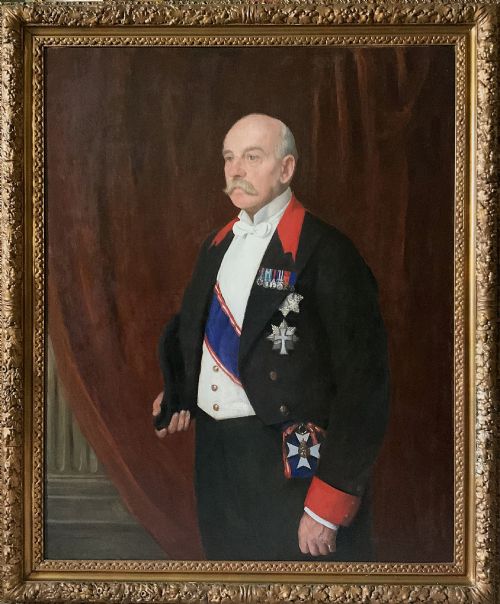
Antique military officer art encompasses painted portraits, watercolours, pastels, and miniatures depicting figures from various historical conflicts and regiments. These works record the likenesses of captains, generals, and naval officers across the seventeenth, eighteenth, and nineteenth centuries.
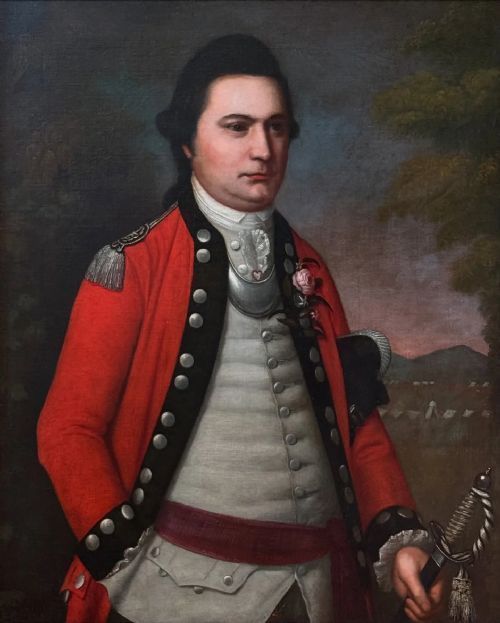
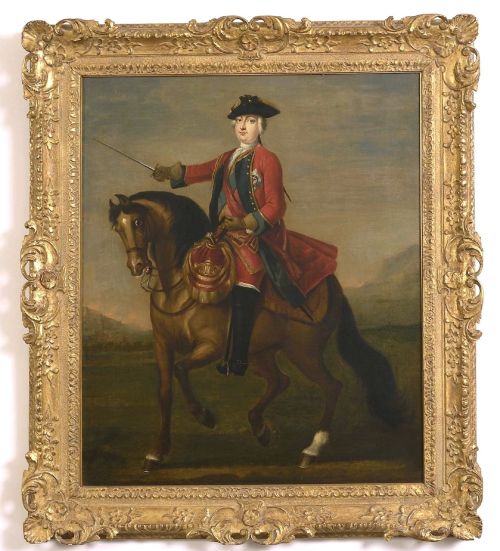
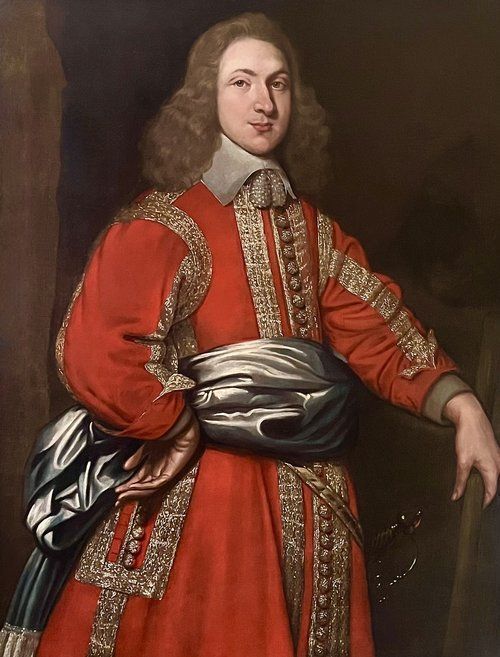
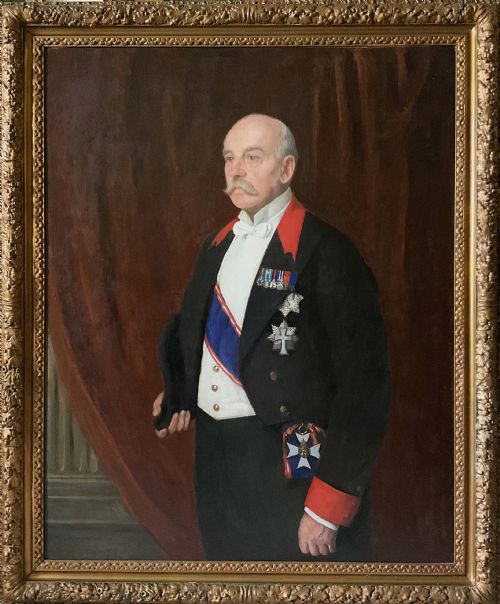
The buyer meets oil paintings on canvas most frequently on this page, often showing subjects in red coats or uniform. Works range from monumental canvases to intimate portrait miniatures framed in gold.
Pieces derive from British, French, and Anglo-Dutch schools, reflecting changing military uniforms and portrait conventions over three centuries.
Materials and methods
Miniatures employ delicate work on surfaces like agate panels or ivory, housed within protective metal frames. Engravings and mezzotints utilise printed plates to multiply portrait likenesses.
Antique Military Officer Art Retail Price Guide 2026
Typical asking prices for military officer art among the pieces listed under this phrase on Sellingantiques today, from the lower quarter to the upper quarter. They describe what is for sale here now, not the wider market.
Listings feature oil on canvas, paper, watercolour, and giltwood frames across Georgian, Regency, and Victorian styles.
Distinctions in quality
Quality rests on the skill of the brushwork and the precision with which facial expressions and uniform details are rendered. Superior pieces capture individual character rather than relying on generic formulas for military dress.
The condition of the canvas, original pigments, and period frames influence the integrity of the artwork. Works by recorded painters or recognised schools carry distinct artistic weight compared to anonymous studio output.
John Smith·Sir Godfrey Kneller·Samuel Harry Hancock·Stickland Lowry·Sir Anthony van Dyck
The Antique Military Officer Art Glossary
- Mezzotint
- A printmaking process where the copper plate is roughened to achieve rich tonal gradations. This technique allows for subtle shadows in portrait prints.
- Giltwood
- Wood carved and covered with a thin layer of gold leaf. This material forms decorative period frames for paintings.
- Miniature
- A small-scale portrait painted with fine detail. These works were often carried or worn as personal items.
- Gouache
- An opaque water-based paint mixed with a binding agent. It provides solid flat areas of colour in works on paper.
Antique Military Officer Art: Frequently Asked Questions
What periods do these pieces span?
The works stretch from the seventeenth century through the Victorian era and into the twentieth century. Earlier examples show officers in elaborate armour and lace cravats, while later pieces feature nineteenth-century uniforms.
Changes in military dress help date the artworks alongside stylistic shifts in portraiture.
How were these portraits displayed originally?
Large oil paintings hung in country houses, officers' messes, and regimental headquarters to commemorate service and lineage. Smaller watercolours and miniatures stayed in private hands as personal keepsakes.
Framing often reflects the status and wealth of the subject or regiment.
How do I identify a naval officer from an army officer?
Uniform colours and insignia provide the primary clues for identification. Naval officers historically wore blue coats with white facings, whereas many British army regiments wore distinctive red coats.
Epaulets, medals, and background elements such as ships or encampments further clarify the branch of service.
How do I care for antique paintings?
Keep artworks away from direct sunlight and sources of heat to prevent cracking in the canvas or fading of pigments. Stable room temperatures protect the structural integrity of both the support and the frame.
Dust surfaces gently with a soft brush without applying liquid cleaners.