


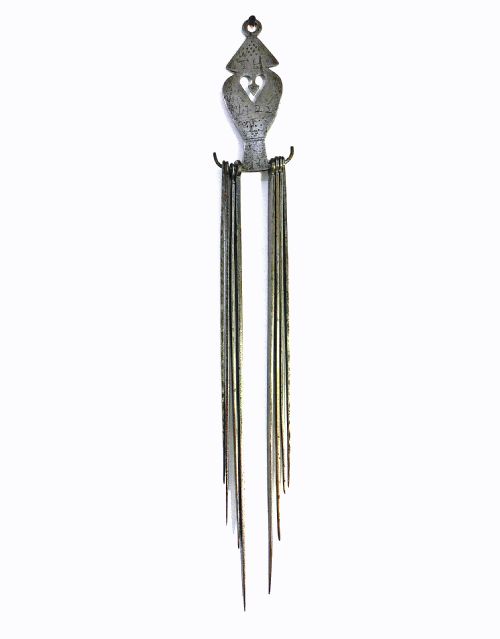


Antique Metalware Set
An antique metalware set brings together matched functional objects in copper, brass, pewter, and silver plate from Georgian, Victorian, and earlier periods.
Antique Metalware Set
When searching for an antique metalware set, buyers encounter matched groups of functional objects designed for domestic, tavern, or ecclesiastical use. These collections range from graduated copper measures and pewter plates to brass mortar and pestle duos and silver plated chamber sticks.
The versions most frequently met on this page span the 17th, 18th, and 19th centuries, featuring traditional forms produced by English makers. Kitchenware, desk accessories, and tavern measures dominate the available selections across Georgian and Victorian styles.
Makers utilised durable metals to create utilitarian sets that survived centuries of daily handling. Collectors find distinct expressions ranging from plain Georgian utility to decorative Art Nouveau and Arts and Crafts designs.
Materials and construction
Pieces in an antique metalware set were shaped from copper, brass, pewter, bronze, and silver plate using traditional hammering, casting, and soldering techniques. Wrought iron and steel appear in utilitarian kitchen and hearth equipment.
Surface treatments involve manual engraving, such as inscribed dates and initials, alongside maker marks and verification stamps like the Victorian VR cipher. These manufacturing traces reveal the handwork of period metalworkers and workshops.
Antique Metalware Set Retail Price Guide 2026
Typical asking prices for metalware set among the pieces listed under this phrase on Sellingantiques today, from the lower quarter to the upper quarter. They describe what is for sale here now, not the wider market.
Listings feature items spanning the 17th, 18th, and 19th centuries, alongside 1910 Art Nouveau works.
Markers of quality
Quality in an antique metalware set depends on the integrity of the matching elements and the clarity of period touchmarks or maker stamps. Complete graduated sets maintain higher cohesion when all original components share identical wear patterns.
Finely executed engraving and substantial metal gauge elevate specific pieces above standard utilitarian ware. The balance between functional survival and original surface preservation dictates the standing of each set.
Picards·Elkington Mason·William Wright
The Antique Metalware Set Glossary
- Pewter
- A malleable metal alloy primarily composed of tin, historically used for tableware and measures. It develops a dark grey patina over centuries.
- Seer measure
- A traditional unit measuring vessel, frequently found in copper and brass sets. These items were utilised for capacity liquid measurement.
- Chamber stick
- A short candlestick fitted with a pan to catch dripping wax, often designed with a handle for carrying through a house. Sets of these served bedrooms in larger residences.
- Mortar and pestle
- A heavy bowl and club used for grinding substances, commonly cast in brass or bronze for apothecary or kitchen use. Period examples often display decorative Tudor rose motifs.
- Touchmark
- An official stamp impressed into pewter by a member of a guild or a recognised maker to guarantee metal quality. These marks assist in dating and attributing domestic wares.
Antique Metalware Set: Frequently Asked Questions
What is an antique metalware set?
An antique metalware set consists of multiple related objects made from materials such as copper, brass, pewter, or silver plate. These collections typically include matching measures, plates, egg cups, or chamber sticks.
Such groupings preserve utilitarian items designed for kitchens, taverns, or formal rooms during earlier centuries.
How were these metal sets used?
Domestic and commercial settings relied on these objects for daily measurement, food preparation, lighting, and dining. Graduated measures handled liquids, while pewter plates served meals.
Other items functioned in pharmacies for grinding compounds or provided illumination in bedchambers before electricity.
How do I care for antique metal?
Metal objects require minimal intervention to preserve their historic surface and patination. Gentle dusting and avoiding harsh chemical polishes protect original engravings and touchmarks.
Keeping items away from excessive moisture prevents active corrosion, particularly on iron, steel, and early pewter.
How can I tell periods apart?
Stylistic shifts and manufacturing techniques indicate the era of a piece, moving from heavy 17th century bronze castings to plain Georgian utility and ornate Victorian or Arts and Crafts designs.
Inscribed dates, maker marks, and government verification stamps like royal ciphers further establish precise chronological origin.