



Antique Metalware Pair
An antique metalware pair brings matched symmetry to a room, offering dual vessels or lights crafted from bronze, brass, pewter or silver plate.
Antique Metalware Pair
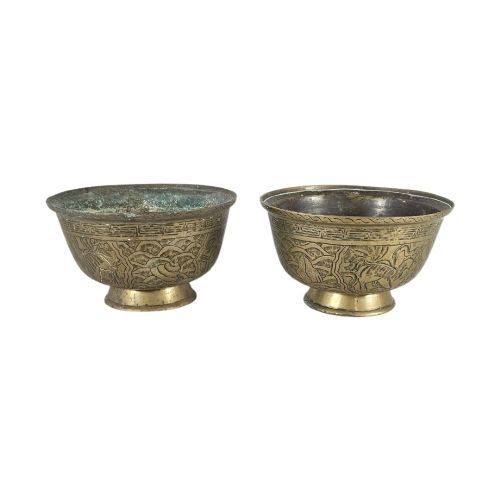
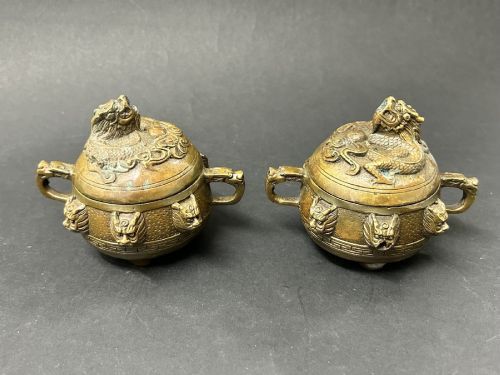
When you search for an antique metalware pair, you encounter dual objects created for domestic, ceremonial or decorative use. These matching sets span centuries, originating from English, French, American, Chinese, Japanese and Indian workshops.
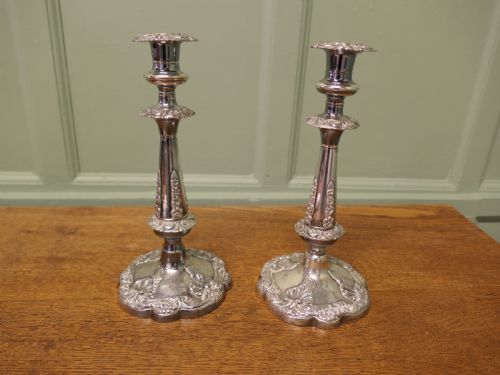
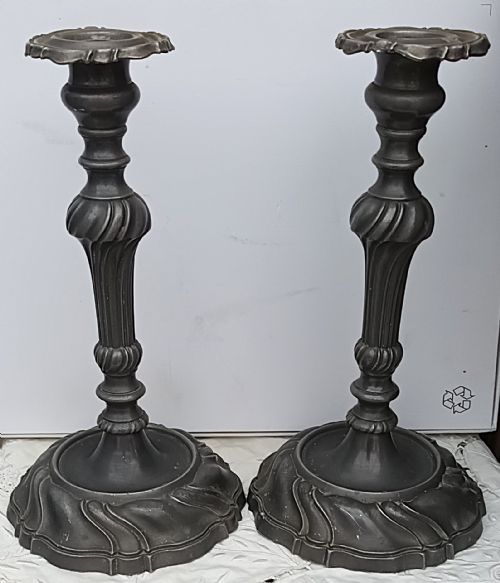
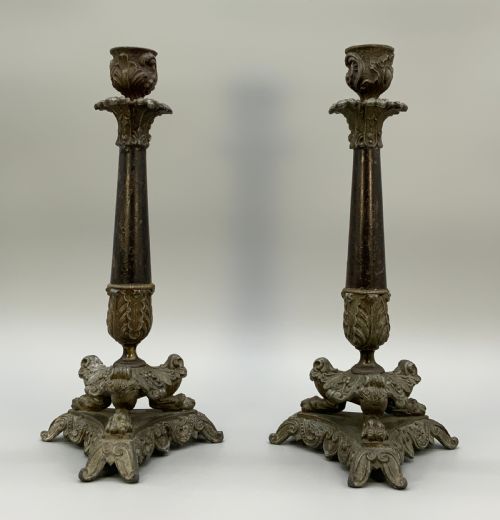
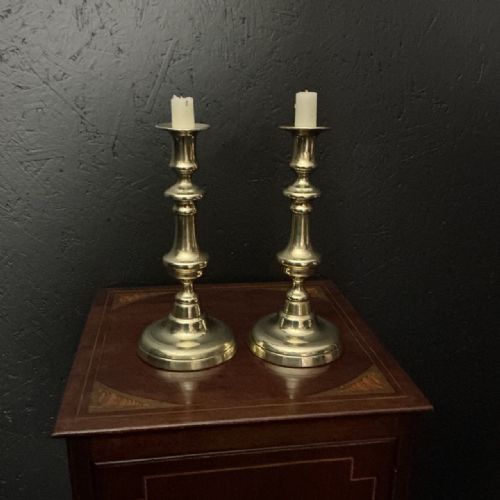
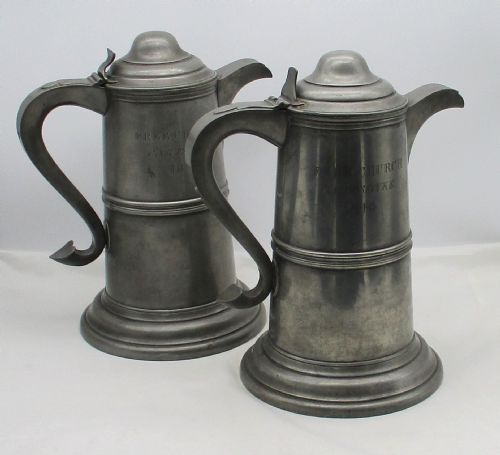
Candlesticks and chambersticks dominate the selection, alongside decorative bowls, vases, flagons, chalices and andirons. You meet Georgian brass candlesticks, Victorian pewter vessels, French Empire holders and Asian bronze pieces.
The materials range from cast and wrought brass, bronze, copper and iron to pewter, silver plate and Old Sheffield Plate. Each pairing preserves the utilitarian or ornamental purpose intended by its maker.
Materials and construction methods
Many pieces rely on casting methods, particularly for brass and bronze items where molten metal is poured into moulds to create intricate forms and sturdy candle holders. Wrought iron and copper components involve hammering, shaping and joining individual sections together.
Plating techniques define another significant group, utilising silver plate and Old Sheffield Plate over base metals to achieve a reflective finish. Surface ornamentation often includes chased floral decoration or engraved details applied by hand.
Antique Metalware Pair Retail Price Guide 2026
Typical asking prices for metalware pair among the pieces listed under this phrase on Sellingantiques today, from the lower quarter to the upper quarter. They describe what is for sale here now, not the wider market.
Listings feature 18th and 19th-century items made from brass, bronze, pewter, copper, silver plate and iron.
Distinctions in quality and execution
The calibre of an antique metalware pair rests on the crispness of its casting and the precision of its assembly. Superior examples retain sharp decorative details, such as chased foliage or heraldic motifs, without softening from excessive polishing or wear.
Proportion and matching balance distinguish finer sets from standard production. A high-quality pair maintains identical weight distribution, symmetric height and uniform patination across both items, showing that they were conceived and executed together.
WMF
The Antique Metalware Pair Glossary
- Andiron
- A horizontal metal support raised on legs, used to hold logs in an open fireplace. They are typically found in pairs flanking a hearth.
- Chamberstick
- A low candlestick fitted with a pan to catch dripping wax and a handle for carrying from room to room. These portable lights were essential before electric illumination.
- Paktong
- A copper-nickel-zinc alloy originating from China, valued for its bright silvery appearance and utilised for eighteenth-century candlesticks.
- Flagons
- Large drinking vessels with handles and lids, often associated with ecclesiastical or ceremonial use in pewter or silver plate.
- Old Sheffield Plate
- A composite material formed by fusing a thin sheet of silver to a thicker copper base, common in eighteenth and nineteenth-century tableware.
Antique Metalware Pair: Frequently Asked Questions
How were brass candlesticks used?
Brass candlesticks provided primary illumination in homes before electricity, placed on tables, mantels or carried via chamberstick handles.
Their heavy metal bases kept them stable while burning tallow or beeswax candles.
What is Old Sheffield Plate?
Old Sheffield Plate is an early fusing technique where a thin layer of silver is bonded to a copper core under heat.
This method predates electroplating and produces items with a warm, distinctive metallic lustre.
How do I identify pewter?
Pewter is a grey metal alloy composed mainly of tin, often used for flagons, chargers and candlesticks.
It develops a soft, dark matte patina over centuries of handling and age.
Where were bronze vases made?
Bronze vases and bowls frequently originate from Asian traditions, including Qing Dynasty China and Meiji period Japan.
These pieces often feature cast birds, lotus motifs or specific reign marks.