




Antique Metalware Dish
An antique metalware dish brings tactile weight and centuries of craftsmanship to a table, uniting utilitarian function with enduring decorative design.
Antique Metalware Dish
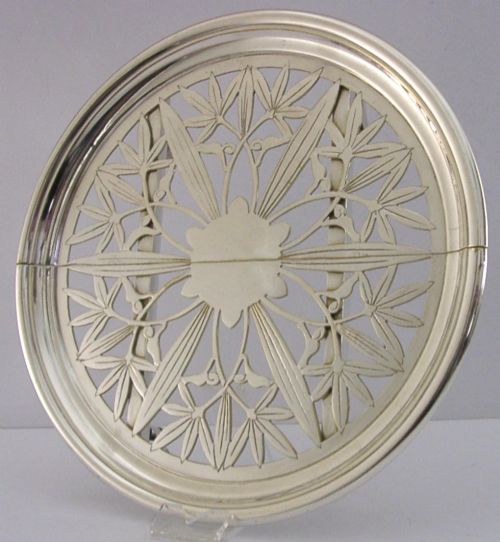
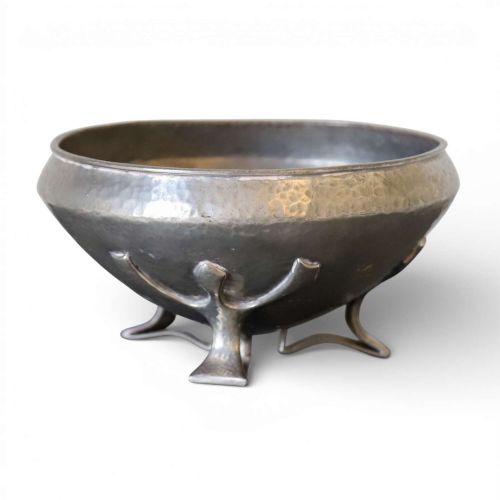
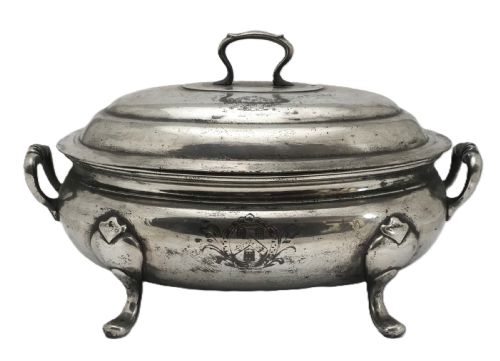
An antique metalware dish encompasses a broad spectrum of domestic and decorative vessels, ranging from heavy chargers and platters to decorative bowls and serving trays. These objects span multiple centuries, appearing in forms shaped by Georgian dining habits, seventeenth-century domestic life, and later Arts and Crafts ideals.
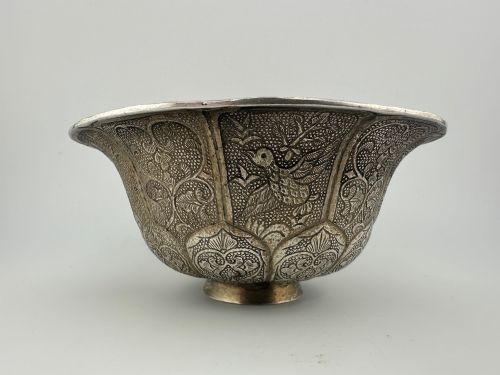
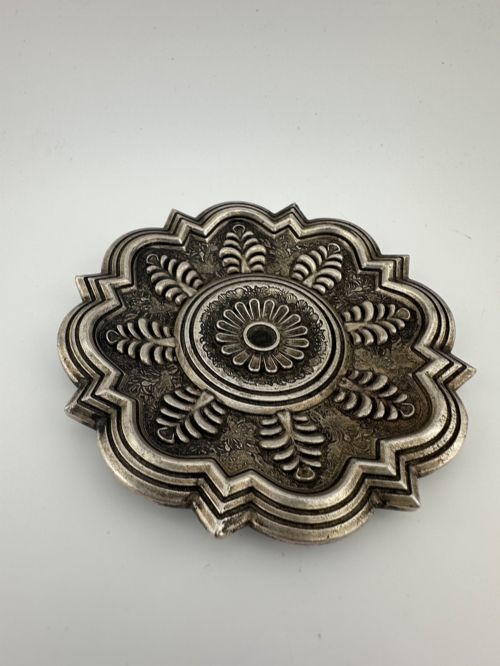
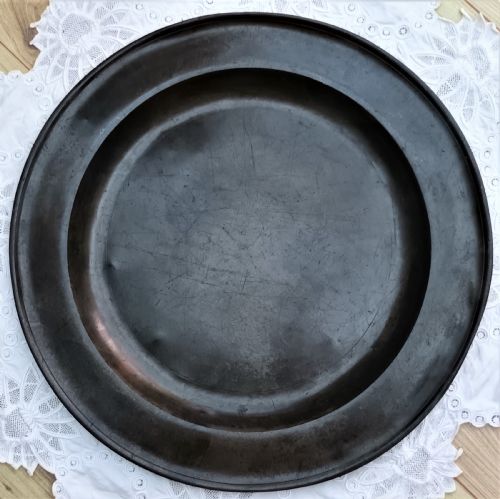
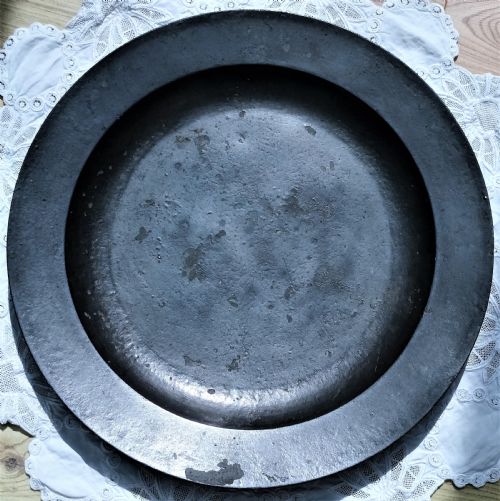
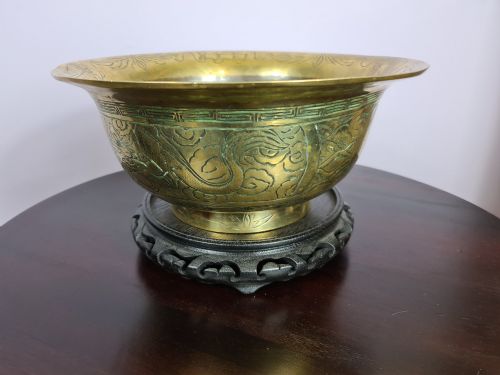
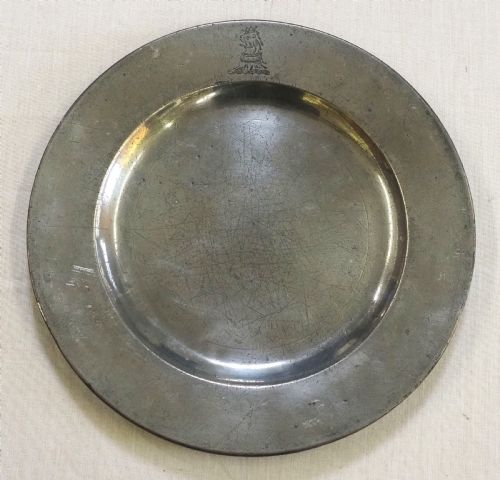
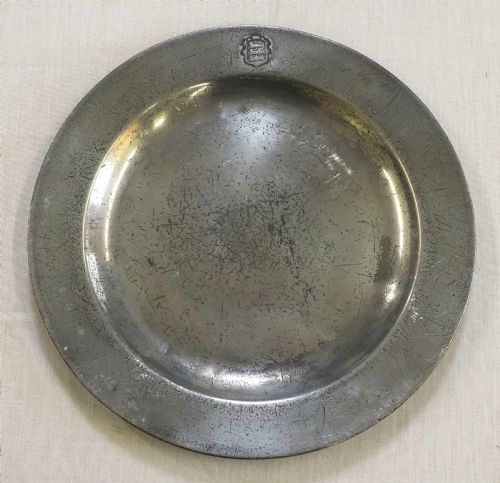
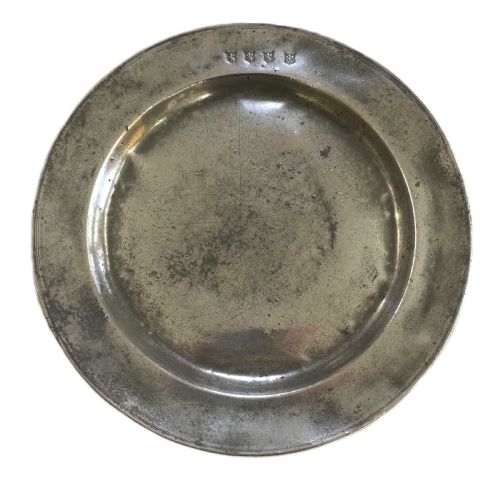
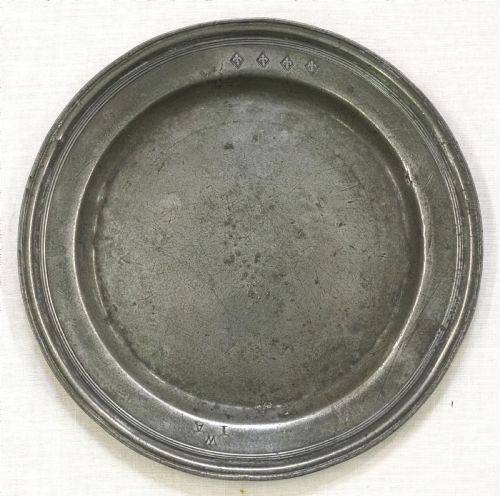
The versions most commonly met on this page are sturdy English pewter plates and chargers bearing makers' touchmarks, alongside continental brass items and intricate Middle Eastern copper and silver-inlaid vessels. Such pieces range from plain-rimmed utility plates to wide-rimmed chargers engraved with family crests or coats of arms.
Materials and methods of construction
Pewter and brass dominate the material record, shaped through casting, hammering, and lathe-turning to achieve precise rims and flat bases. Smiths utilised tin alloys for plates and copper-zinc combinations for brass vessels, frequently finishing surfaces with hand-engraving or punched armorial details.
Middle Eastern and Asian examples demonstrate alternative techniques such as silver inlay on copper, Canton enamel application, and cloisonne wirework on metal bases. Wood handles appear on utilitarian pans and chafing dishes, combining thermal insulation with turned structural utility.
Listings feature metalware spanning from the seventeenth century through the Art Deco and Arts and Crafts movements, incorporating pewter, copper, brass, and enamel.
Separating the ordinary from the exceptional
Quality rests upon the crispness of the maker's touchmark and the integrity of the original metal surface, where minimal distortion preserves the maker's intended proportions. Pieces retaining clear ownership crests or heraldic engraving command greater historical interest than unmarked utility items.
Execution of decorative detail distinguishes standard production from masterwork, visible in the depth of chased floral relief on copper or the precision of inlaid silver wire on cairoware bowls. The weight of the metal and the balance of applied elements further define the standing of each vessel.
John Duncomb·Samuel Smith·James Spackman·Wood & Michell·John Trapp II·Robert Moulins II·Thomas Templeman·Lawrence Dyer·Thomas Haward·Oliver Baker·William Wright
The Antique Metalware Dish Glossary
- Charger
- A large ceremonial or dining plate, typically measuring over sixteen inches across, used for serving food or display.
- Touchmark
- An indented stamp applied by a metalworker or pewterer to certify the standard of their alloy and identify their workshop.
- Cairoware
- Nineteenth-century brass or copper metalware featuring intricate inlaid patterns of silver and other metals, originating from Egypt.
- Alms dish
- A shallow basin historically used for collecting charitable donations or offerings within religious settings.
- Old Sheffield plate
- A composite material formed by fusing a thin layer of silver to a thicker copper base, common in Georgian serving items.
Antique Metalware Dish: Frequently Asked Questions
How do I identify a pewter maker?
Pewter pieces often carry touchmarks stamped directly into the metal surface near the rim or base. These small symbols and initials correspond to records maintained by trade guilds.
Matching these marks to historical directories reveals the maker's name and approximate working dates.
What is a charger used for?
Chargers served as large base plates for dining tables or decorative display chargers mounted on walls or sideboards. In earlier centuries, they anchored formal table settings before finer porcelain became common.
Heavier examples functioned as platters for joint meats or communal sharing.
How should I clean antique metalware?
Preserving the aged patina requires gentle cleaning with warm water and mild soap, avoiding harsh commercial dips that strip surface character. Soft cloths prevent scratching on softer metals like pewter and copper.
Keeping pieces dry prevents oxidation and maintains the historic surface finish.
How do I date an English pewter plate?
Plate rims provide strong chronological clues, with broad flat rims typically indicating seventeenth-century production and narrow plain rims pointing towards the Georgian era. Maker touchmarks and engraved coats of arms offer further verification when linked to historical records.
Weight and hammer marks also indicate whether a piece dates from the era of hand-hammered production or later industrial methods.