






Antique Metalware Charger
These antique metalware chargers range from broad seventeenth-century pewter plates to inlaid Middle Eastern copper and Japanese cloisonne.
Antique Metalware Charger
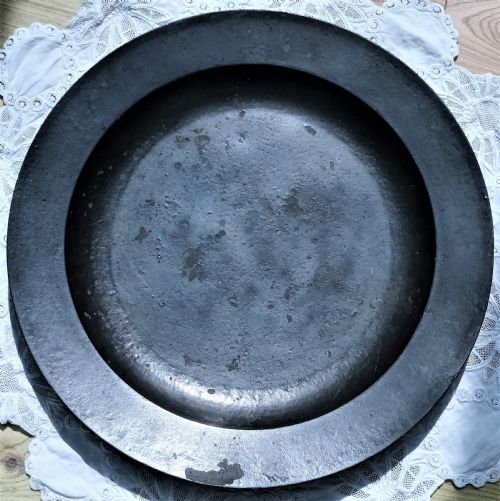
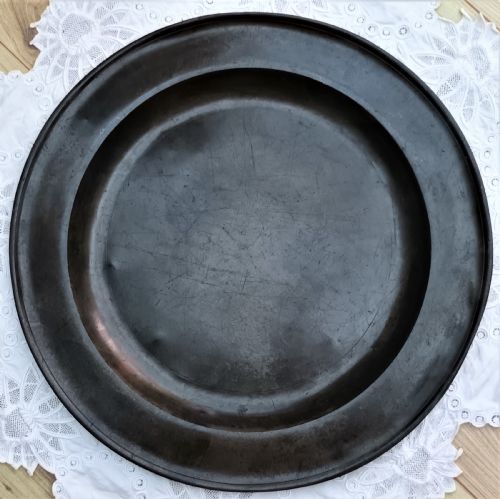
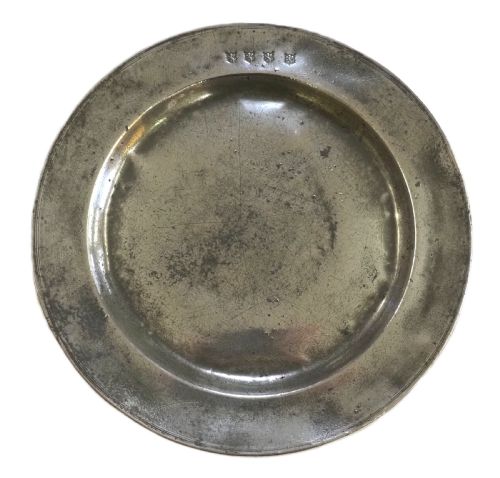
An antique metalware charger functions as a large decorative plate or serving dish, appearing frequently in seventeenth and eighteenth-century English pewter forms with plain, broad, or incised rims.
Buyers seeking this phrase encounter circular vessels produced across various periods, including Georgian examples alongside nineteenth-century Arts and Crafts copper and Islamic metalwork.
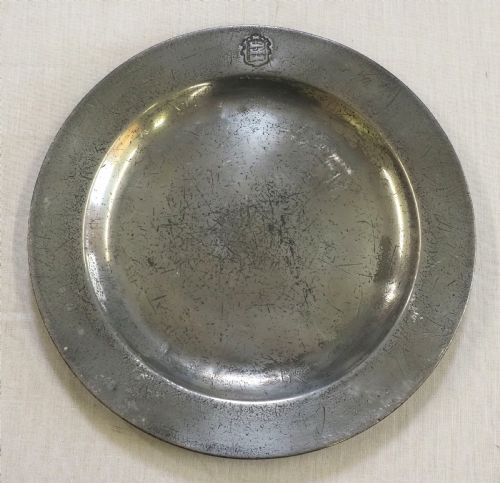
Origin variations span English workshops bearing family crests to Chinese export brass, Japanese cloisonne, and Persian engraved trays.
How they were made
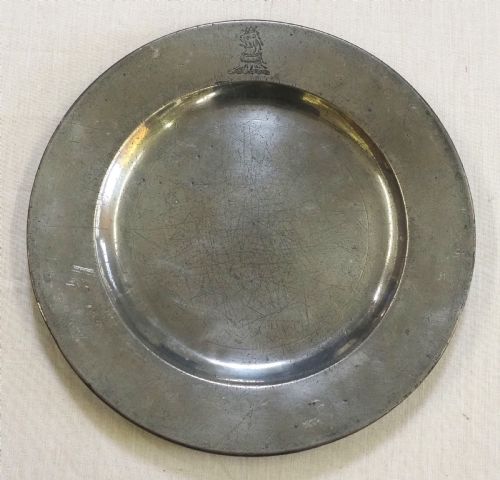
Pewter and copper examples rely on traditional hammering and casting techniques, occasionally featuring incised rims and hand-engraved armorial crests.
Middle Eastern and Islamic metalwork incorporate silver inlay into patinated copper surfaces, whilst Japanese pieces utilise detailed cloisonne enamelling on metal bases.
Antique Metalware Charger Retail Price Guide 2026
Typical asking prices for metalware charger among the pieces listed under this phrase on Sellingantiques today, from the lower quarter to the upper quarter. They describe what is for sale here now, not the wider market.
Some seventeenth-century English plates bear private family crests hammered directly into the rim, revealing generations of proud household ownership.
What varies in quality
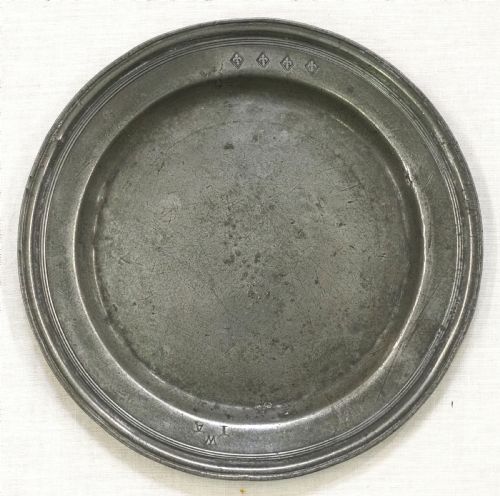
Quality rests upon the clarity of maker marks, the crispness of armorial crests or incised rim details, and the overall integrity of the hand-hammered surface.
The precision of silver inlay work in Persian and Cairo ware dictates the visual strength of the piece, separating standard utility vessels from high-status display items.
John Duncomb·Samuel Smith·James Spackman·Wood & Michell·John Trapp II·Robert Moulins II·Thomas Templeman·Lawrence Dyer·Thomas Haward
The Antique Metalware Charger Glossary
- Charger
- A large ornamental plate or platter, traditionally used for formal dining or display on sideboard furniture.
- Pewter
- A durable tin alloy mixed with copper or lead, forming the primary material for English seventeenth and eighteenth-century plates.
- Cloisonne
- An enamelling technique where metal wire forms partitioned cells on a copper or brass base before firing.
- Armorial
- A design displaying a family coat of arms or crest, frequently engraved or cast into the rim of metalware.
- Patinated
- A surface altered by age, chemical treatment, or handling, producing a darkened or oxidised metallic finish.
Antique Metalware Charger: Frequently Asked Questions
What is an antique metalware charger?
An antique metalware charger is a large decorative plate or serving dish fashioned from materials such as pewter, brass, copper, or silver.
These pieces originate from various traditions, including English domestic pewter and Middle Eastern inlaid metalwork.
How were antique chargers used?
These large vessels served as formal dining platters or decorative display dishes in wealthy households.
Many examples feature family crests or coats of arms, indicating presentation status or ownership by prominent families.
How do I date an antique pewter charger?
Dating relies on stylistic elements such as rim width, hammer marks, and maker hallmarks stamped into the metal.
Broad rims and incised line decorations typically point to seventeenth-century English manufacture, while plain Georgian rims date to the following century.
How do I clean antique metalware?
Metalware requires minimal intervention to preserve the historic surface and original patination developed over centuries.
Harsh chemical polishes should be avoided, as they strip away age-related character and can damage soft alloys like pewter or delicate silver inlay.
Where were these chargers made?
The listings encompass English, European, Middle Eastern, and East Asian workshops.
English output centres largely on pewter dishes, while international pieces include Persian copper, Cairo ware, and Japanese cloisonne.