




Antique Metallic Embroidery
Antique metallic embroidery brings rich threads of gold and silver into textiles crafted across centuries and empires.
Antique Metallic Embroidery
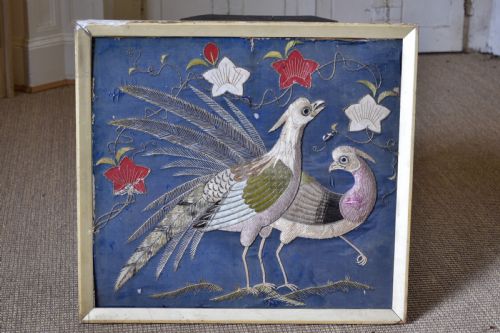
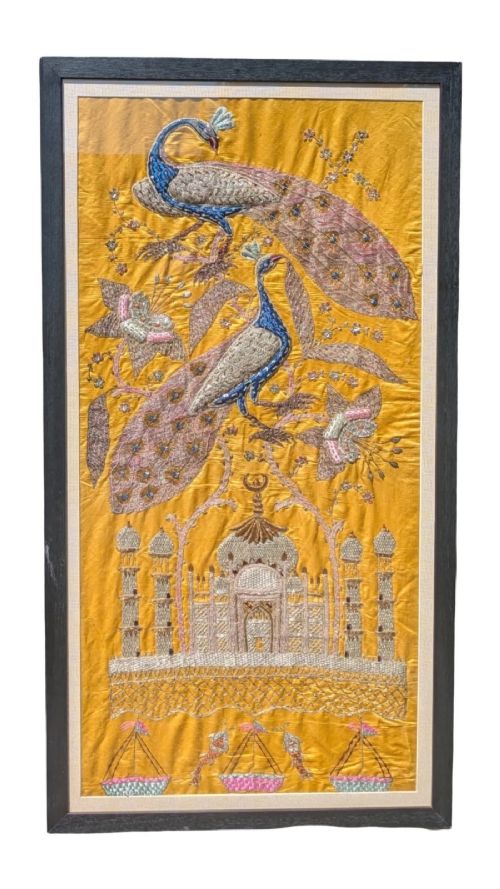
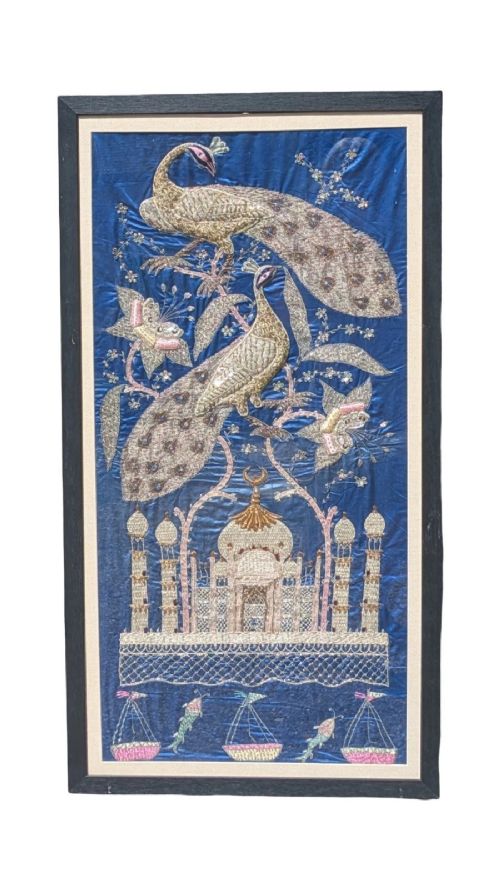
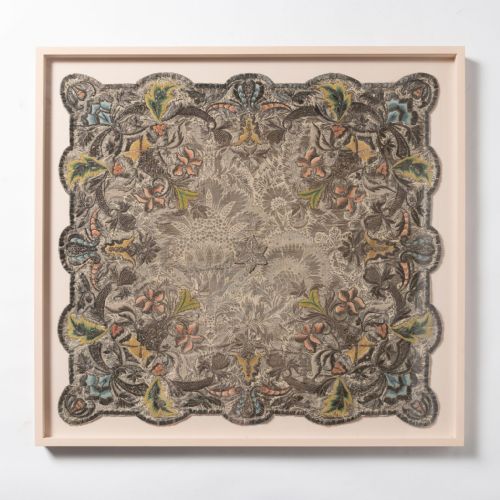
When you search for antique metallic embroidery, you encounter historic textiles enriched with metal threads across various global traditions. The selection spans framed panels, garments, and domestic items originating from Ottoman, Indian, European, and Asian workshops.
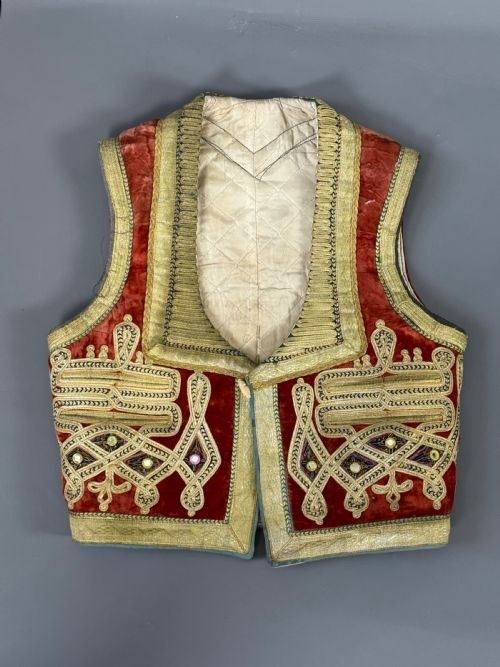
The objects take many forms, including waistcoats, coifs, jackets, scarves, and wall hangings. These pieces bridge decorative art and wearable history, showcasing intricate needlework on textiles like silk and velvet.
Dated examples stretch from the early seventeenth century through the nineteenth century. Buyers find everything from small framed fragments to complete traditional garments.
How they were made
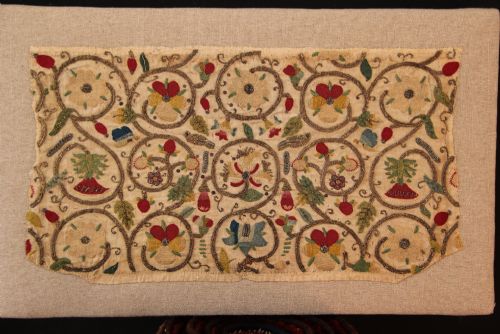
The construction relies on base textiles such as silk, cotton, wool, and velvet. Artisans then applied metal thread, sometimes incorporating silk threads, glass beads, and brocade work to build intricate surface patterns.
Stitching techniques varied by region and period, from the raised gold work on English coifs to the silver metal thread brocade on Uzbek dresses and Ottoman garments.
The listings feature textiles utilising silk, velvet, cotton, wood, and glass alongside metal threads from the seventeenth to the nineteenth century.
What varies in quality
Quality rests on the density and complexity of the metal thread work relative to the condition of the base textile. Pieces with intact metal wires and well-preserved silk velvet foundations display greater integrity.
The precision of the needlework and the survival of delicate components such as tülbent scarves or framed panels determine the distinction between ordinary fragments and exceptional survivals.
The Antique Metallic Embroidery Glossary
- Coif
- A close-fitting cap worn in early periods, often heavily decorated with needlework. Early seventeenth-century examples show intricate domestic embroidery.
- Brocade
- A class of richly decorative shuttle-woven fabrics, often made with coloured silks and metallic threads. It creates a raised pattern on the surface.
- Tülbent
- A traditional Ottoman lightweight scarf or head covering. These fine textiles frequently feature delicate border embroidery.
- Abaya
- A traditional long outer garment or jacket. Examples incorporate heavy wool and metal thread decoration from regional traditions.
- Fragment
- A surviving portion of a larger historic textile or garment. These pieces allow close study of period stitching and materials.
Antique Metallic Embroidery: Frequently Asked Questions
How should I display a framed textile?
Framed antique textiles benefit from specialist conservation framing using UV-filtered glass. This protects fragile silk and metal threads from environmental damage while keeping the piece visible.
Keep framed panels away from direct sunlight and damp conditions to preserve the integrity of the metallic elements and ground fabrics.
Can antique garments be worn?
Historic garments and waistcoats are generally intended for display or study rather than regular wear. The age of the silk and velvet makes them sensitive to physical stress and body oils.
Storing or mounting them carefully prevents further strain on the threads and fragile seams.
What periods do these textiles come from?
The pieces span from the early seventeenth century through the nineteenth century. Seventeenth-century English coifs sit alongside nineteenth-century Ottoman waistcoats and Qajar jackets.
Each period utilises distinct regional motifs and metal thread techniques that help identify its origins.
How do I care for velvet textiles?
Velvet grounds require gentle handling to avoid crushing the pile. Professional textile conservators should clean or stabilise these items.
Maintain a stable room temperature and low humidity to protect both the velvet base and the metal embroidery.