




Antique Metal Tobacco Container
An antique metal tobacco container keeps leaf, snuff, or twist secure and brings period craft straight to a desk or pocket.
Antique Metal Tobacco Container
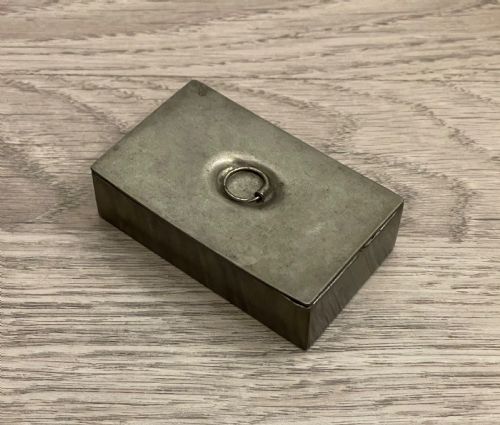
An antique metal tobacco container serves as a durable receptacle for smoking or snuff tobacco, spanning pocket snuff boxes to larger shop storage jars. These pieces emerge in forms such as tobacco boxes, storage tins, and snuff boxes from diverse European and Asian traditions.
The selections range from pocket-sized brass and pewter snuff boxes to larger French and Belgian shop tins and Dutch pocket containers. Collectors encounter variations spanning the eighteenth century through the Edwardian era.
Makers utilised metals and mixed materials to fashion utilitarian objects that often bear personal inscriptions, trade names, or decorative engravings. Each piece reflects the specific social habits of smoking and tobacco use in past centuries.
How they were made
Artisans formed these containers using sheet metal, brass, copper, bronze, white metal, and painted tin. Workshops often shaped brass and copper through casting and sheet fabrication, applying hand engraving for names, dates, and decorative motifs.
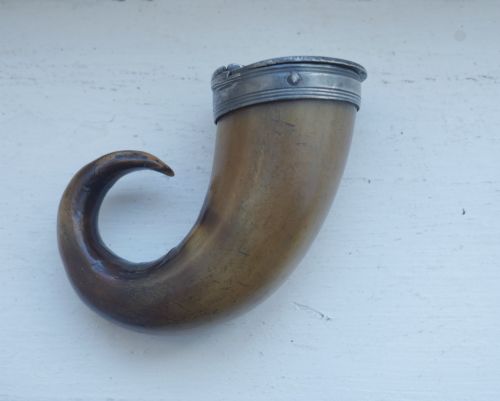
Painted tin and tole ware items relied on surface decoration, while horn and mixed metals appeared in specific regional pieces like Scottish mull forms and Chinese cases. Metalworkers utilised soldering, riveting, and hinge construction to ensure lids fitted tightly for leaf preservation.
Antique Metal Tobacco Container Retail Price Guide 2026
Typical asking prices for metal tobacco container among the pieces listed under this phrase on Sellingantiques today, from the lower quarter to the upper quarter. They describe what is for sale here now, not the wider market.
What varies in quality
Quality rests upon the crispness of engraving, the integrity of hinges, and the preservation of original surfaces such as paint or natural metal patina. Sharply rendered inscriptions and tight lid closures separate superior examples from worn pieces.
The complexity of construction also dictates merit, as seen in mixed-metal work or detailed pictorial engravings on eighteenth-century German and Dutch boxes compared to plain utility tins.
The Antique Metal Tobacco Container Glossary
- Snuff box
- A small container designed to hold pulverized tobacco for inhalation. These pocket-sized items frequently feature hinged lids and personal engravings.
- Tole ware
- Lacquered or enamelled metalware, typically tinplate, decorated with painted designs. This technique created durable storage vessels for domestic use.
- Snuff mull
- A traditional Scottish receptacle for snuff, often fashioned from animal horn mounted with metal rims. These pieces reflect regional pastoral craftsmanship.
- Mixed metals
- An artisanal technique combining two or more metallic alloys, such as copper, brass, and bronze, to create contrasting decorative surface effects.
Antique Metal Tobacco Container: Frequently Asked Questions
What is an antique metal tobacco container used for?
These vessels served to store loose leaf tobacco, twist, or ground snuff safely away from moisture and air.
Today, collectors use them on desks or display shelves as decorative objects with a tangible link to past social rituals.
How do I date an antique tobacco box?
Dating relies on stylistic clues, construction methods, and any engraved dates, maker names, or town inscriptions found on the surface.
Eighty-century German and Dutch brass boxes often display distinctive pictorial relief work, whereas Victorian and Edwardian examples show machine-assisted manufacturing and different hinge styles.
What metals were used for tobacco containers?
Makers most commonly worked in brass, copper, pewter, white metal, and painted tinplate.
Some specialised pieces incorporated organic materials like horn or featured mixed-metal alloys for visual contrast.
How should I clean an old metal tobacco box?
It is best to preserve the natural aged surface and patina rather than attempting to polish the metal to a bright shine.
A gentle wipe with a dry, soft cloth removes dust without harming historic engravings or original paintwork.