
Antique Metal Table
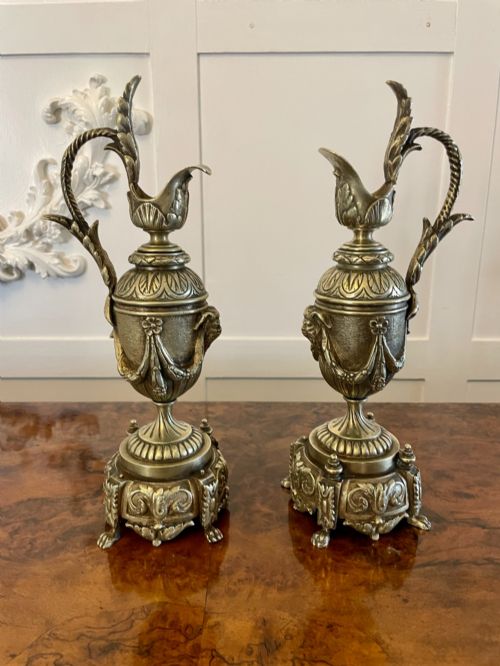
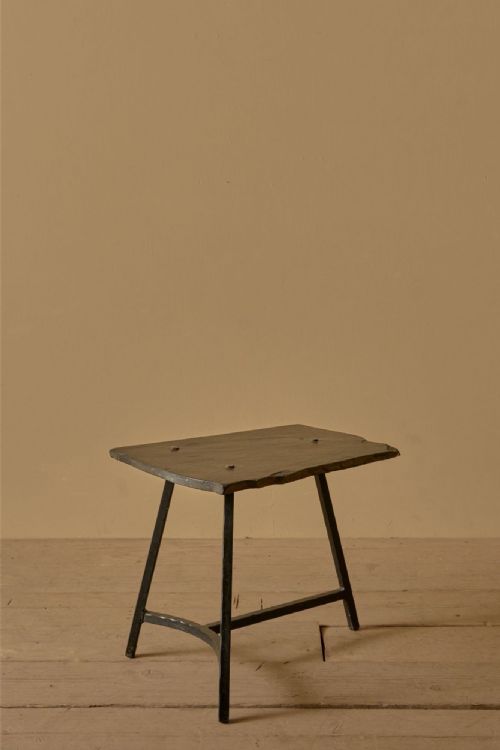
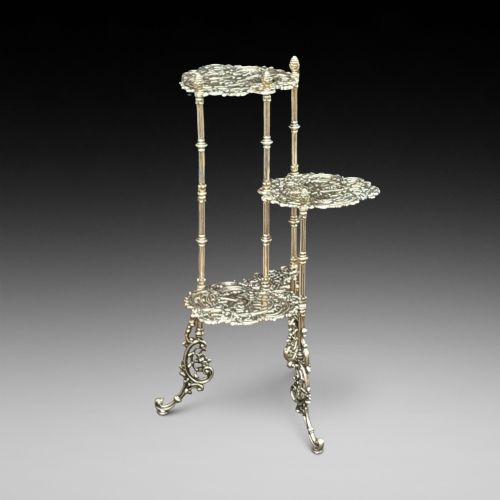
An antique metal table brings lasting structure and substance into a room, spanning garden furniture, heavy cast bases and slender brass stands.
Antique Metal Table
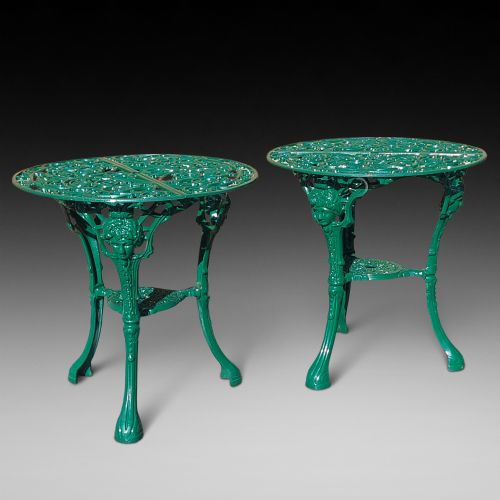
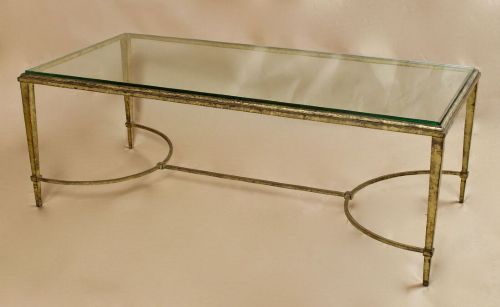
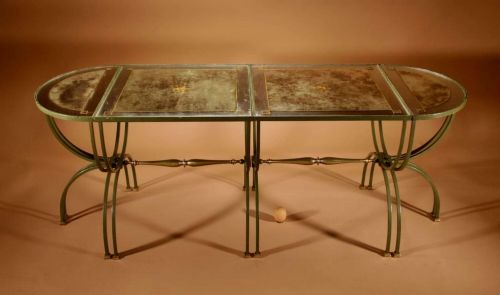
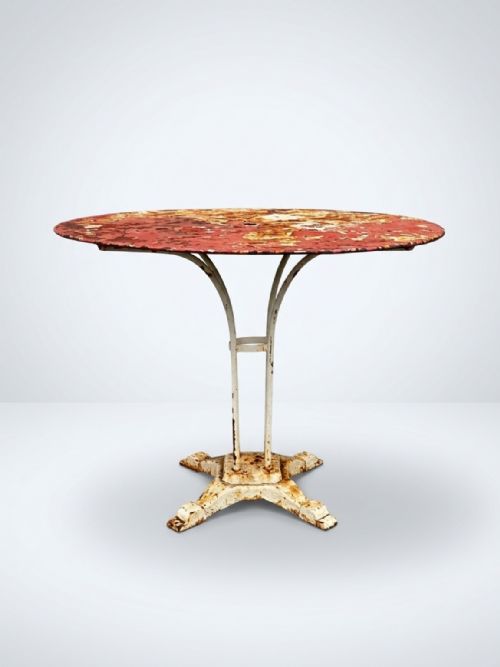
An antique metal table appears in domestic interiors and gardens alike, taking the form of garden dining sets, coffee tables, console tables with marble tops, and occasional pieces. The selection spans the Victorian period, Edwardian era, and the 1920s and 1930s, alongside nineteenth-century examples.
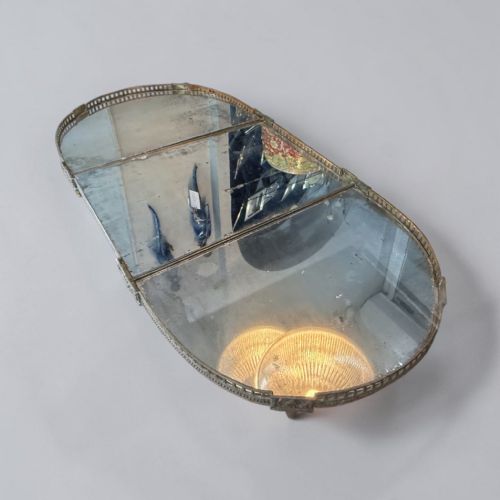
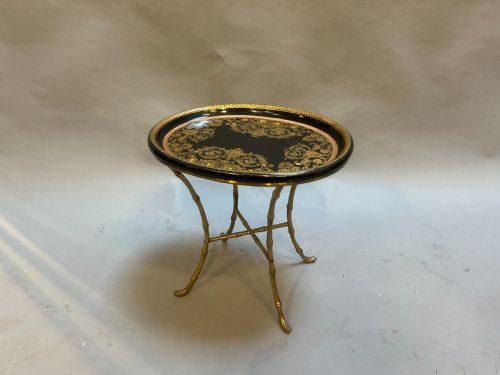
Garden pieces rely on sturdy cast iron and wrought iron, often paired with matching chairs for outdoor use. Interior versions incorporate brass, gilt metal, bronze, and tole trays, reflecting styles from French Empire and Art Deco to Arts and Crafts.
Buyers seeking an antique metal table encounter items ranging from utilitarian pub furniture to decorative occasional furniture featuring marble tops and intricate metalwork. The diverse selection represents manufacturing traditions across England, France, and Italy.
Materials and construction
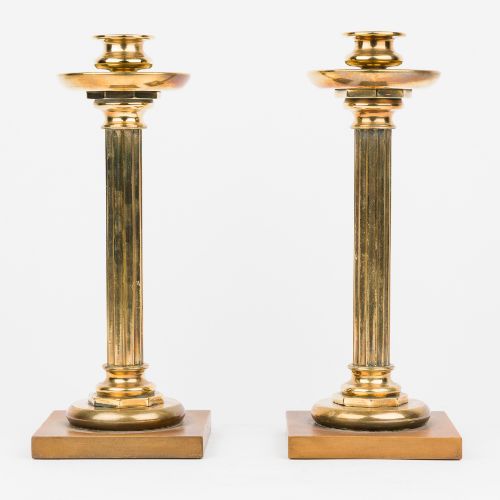
Construction relies heavily on casting and forging iron, brass, and bronze, shaping molten or heated metal into structural frames, garden tables, and decorative candlesticks. Iron components are frequently cast in moulds to achieve ornate Victorian or garden designs.
Surface treatments include silver plating, gilding, parcel gilding, paint, and patination, which protect the metal while defining the aesthetic of the piece. Marble tops are fitted to wrought iron console bases, combining heavy stone surfaces with rigid metal supports.
Assembly methods unite metal frames with wooden elements, glass, or stone inserts using screws, rivets, and traditional joinery. Artisans applied hand-finishing techniques such as engraving on brass and hand-painting on cast metal surfaces.
Materials recorded across the inventory include brass, cast iron, wrought iron, bronze, marble, wood, and paint.
Distinctions in manufacture
Quality rests on the crispness of the casting and the precision of hand-finishing, where sharply defined details in ormolu, bronze, and cast iron distinguish finer items from simpler production. The weight of the metal and the integrity of the joins determine the structural stability of tables and stands.
The selection of complementary materials, such as genuine verde marble tops, original glass, and heavy gauge brass, separates standard utilitarian objects from luxury interior pieces. Surface finishes display varying degrees of preservation, with original gilding, silver plating, and patination retaining more integrity than later repainting.
Design complexity also sets items apart, ranging from plain functional pub tables to sculptural wrought iron and brass coffee tables incorporating multiple mixed materials. The reputation of makers and the stylistic coherence of the design influence the standing of each piece within its period.
Liberty and Co·Mappin and Webb
The Antique Metal Table Glossary
- Cast Iron
- An iron-carbon alloy poured into moulds to create heavy, rigid forms. It is frequently utilised for durable garden tables and pub furniture.
- Ormolu
- Gilt bronze produced by applying a finely ground high-carat gold-mercury amalgam to a bronze object. This technique was widely employed on decorative French nineteenth-century items.
- Wrought Iron
- Iron that is heated and hammered into shape by hand, resulting in fibrous, strong structures. It is commonly found in console tables and garden furniture.
- Tole
- Painted or lacquered sheet metal used for decorative trays and table tops. These pieces often feature hand-painted classical or pictorial scenes.
- Spelter
- An alloy of zinc and other metals used as a cheaper alternative to bronze for figures and decorative bases. It is frequently patinated to resemble bronze.
Antique Metal Table: Frequently Asked Questions
How do I clean an antique metal table?
Dust the surface regularly with a soft, dry cloth to prevent dirt accumulation. Avoid harsh chemical cleaners that can strip original gilding, plating, or historic patination.
For brass and bronze, use specialised non-abrasive metal polishes sparingly only when necessary. Painted or patinated iron requires gentle wiping with a damp cloth followed by thorough drying.
Can I use an antique iron table outside?
Tables specifically designated as garden tables or garden dining sets are built to withstand outdoor environments. Cast iron and wrought iron pieces tolerate garden placement well if protected from standing water.
Interior tables featuring gilt metal, marble tops, or delicate finishes should remain indoors to prevent moisture damage and corrosion. Shelter exterior furniture during winter months to preserve the metal.
How do I date an antique metal table?
Examine the construction methods, screw types, and material composition to determine the manufacturing era. Victorian and nineteenth-century pieces often feature heavier castings and distinct hand-finishing details compared to later twentieth-century production.
Stylistic indicators such as Art Deco geometric lines or French Empire motifs provide further chronological context. Comparing the piece with documented examples from the same period helps narrow the date.
Are marble tops original to metal tables?
Many console tables and occasional pieces were originally designed with fitted marble tops resting on wrought iron or bronze bases. The edges of the marble and the seating rebate within the metal frame usually show consistent wear matching the age of the base.
Inspect the underside of the stone and the supporting metal frame for signs of later alteration or replacement. Original marble adds structural weight and stability to the table base.