

Antique Metal Table Light
These antique metal table light selections bring illumination and period form together, offering lasting craft for the home.
Antique Metal Table Light
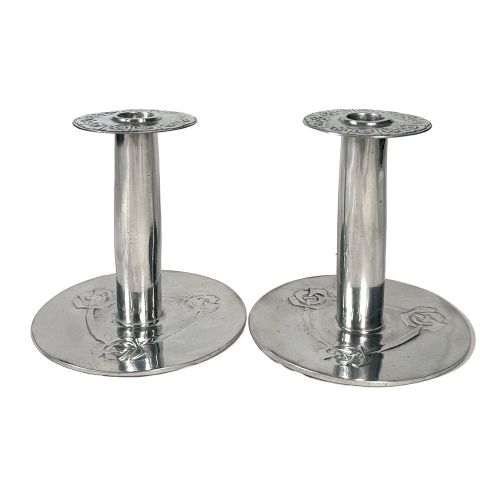
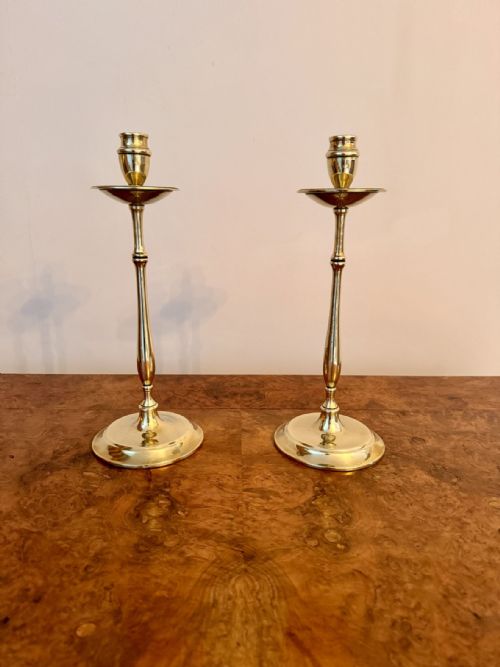
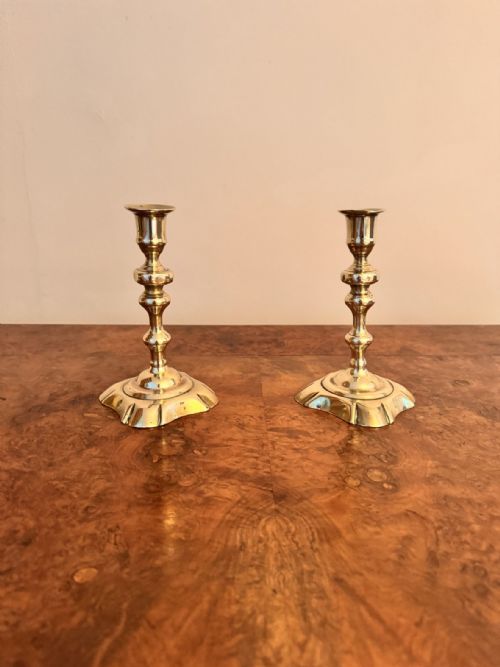
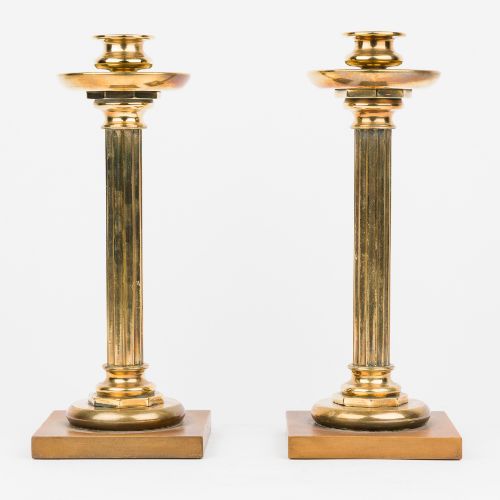
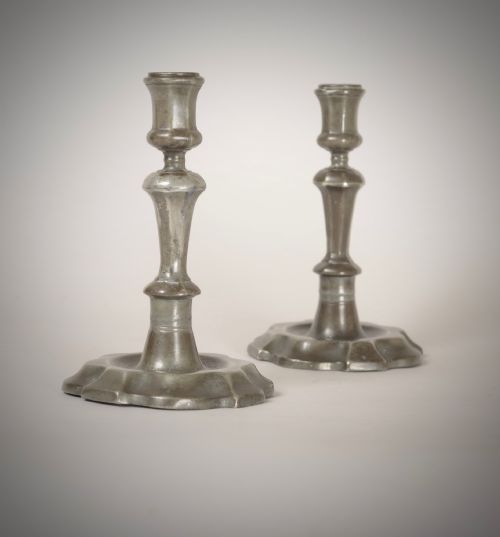
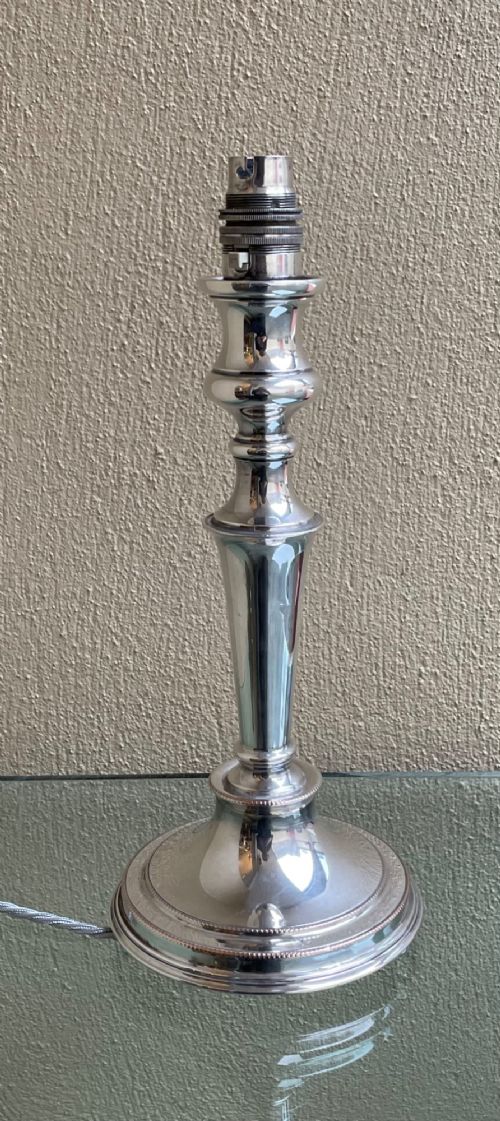
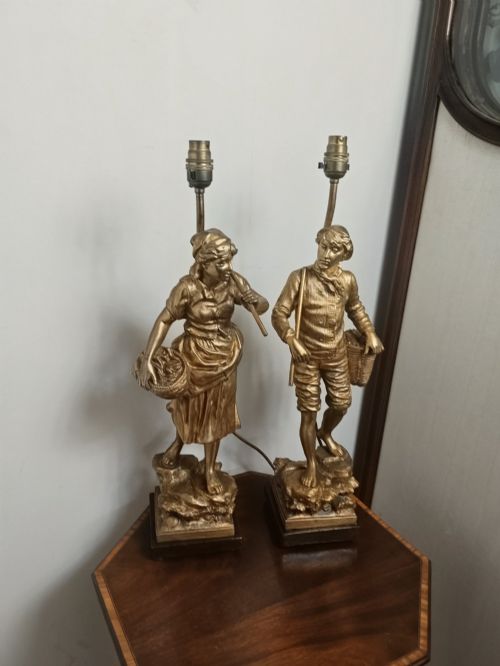
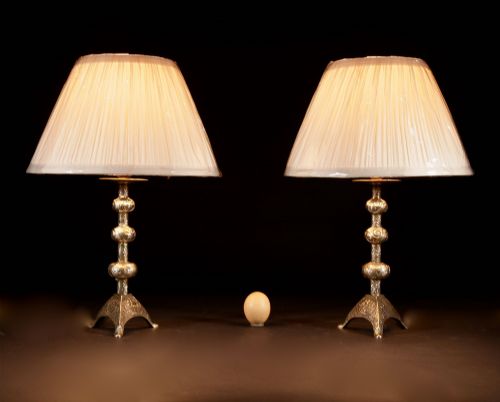
An antique metal table light encompasses lighting fixtures and candle holders fashioned from materials such as brass, bronze, silver plate, and gilt metal, spanning periods from the eighteenth century through to the art deco era. Buyers searching for an antique metal table light will frequently encounter converted candlesticks, oil lamps, bouillotte desk lamps, and figural sculptures adapted for illumination.
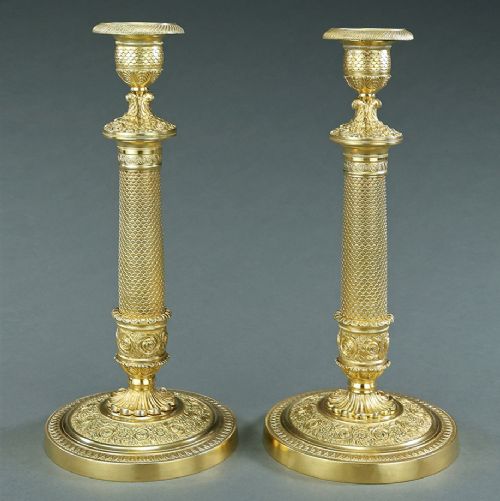
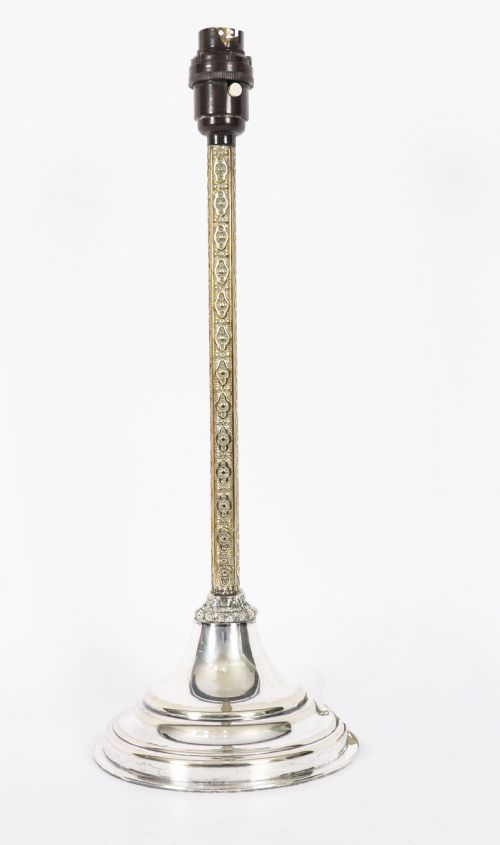
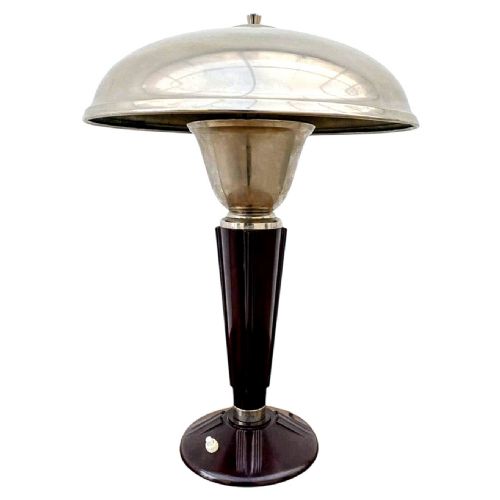
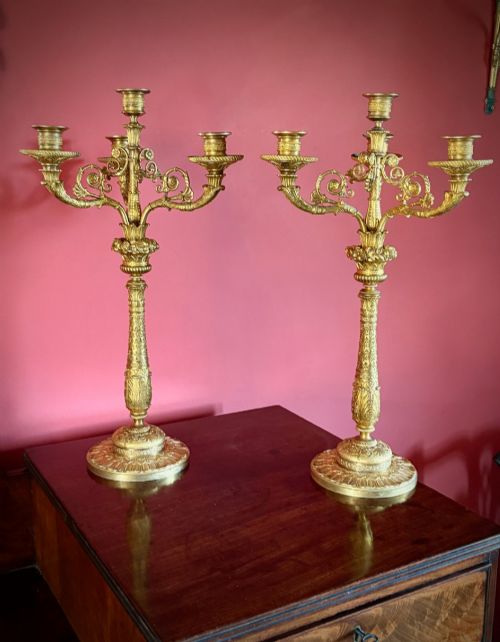
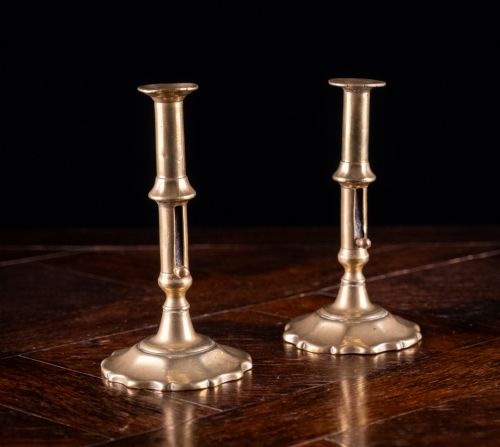
The selections range from Georgian and Regency brass candlesticks to French Empire gilt and marble designs, alongside Edwardian silver-plated table lamps and art deco novelty pieces. Many examples arrive paired, reflecting their original purpose on dining tables, desks, and sideboards.
How they were made
The construction of these pieces relies on metalworking techniques such as casting, seaming, and chasing, utilising brass, bronze, copper, and cast iron. Metals are often finished with gilt, silver plating, cold painting, or patination to achieve varied surface textures and tones.
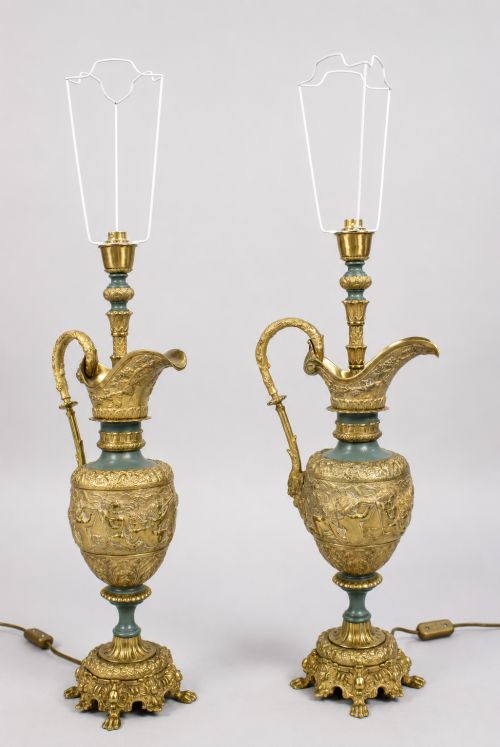
Many items incorporate mixed media, pairing metal bases with marble plinths, glass shades, fabric elements, and carved wood components. Conversion from earlier oil lamps, candlesticks, and andirons is a common manufacturing method seen across the listings.
The collection includes French Empire, Chinoiserie, Regency, and Arts and Crafts styles, alongside converted andirons and tea canister lamps.
What varies in quality
The distinction between tiers rests in the crispness of the cast ornamentation, the weight of the metal utilised, and the integration of secondary materials like marble or cloisonné. Superior examples display refined hand-chiselling on gilt bronze and ormolu, whereas simpler utilitarian items rely on basic seamed brass or cast iron.
Originality of components and surface finishes also dictate standing, with untouched patination and complete matching pairs commanding greater recognition than heavily restored or mismatched assemblies.
Mappin & Webb·Eileen Grey·E Rousseau·L & F Moreau·Wild And Wessel
The Antique Metal Table Light Glossary
- Ormolu
- Gilt bronze, where a finely ground high-carat gold mercury amalgam is applied to a bronze base. This technique was widely utilised by French makers during the eighteenth and nineteenth centuries.
- Bouillotte lamp
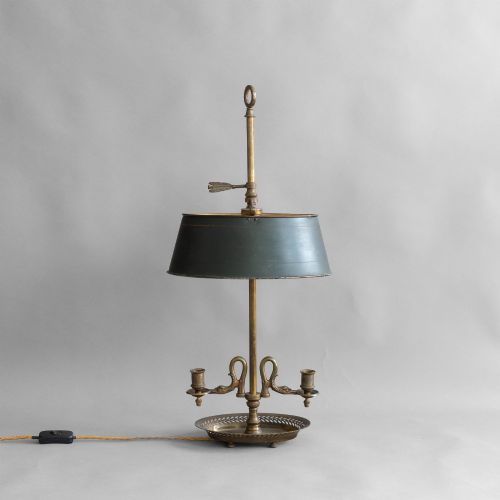
- An adjustable desk lamp featuring a central metal shaft, a Toleware or metal shade, and multiple candle arms or lamp fittings. They were originally designed for the card game bouillotte.
- Spelter
- A zinc alloy frequently cast to imitate bronze, commonly used for figural pieces and candlesticks during the nineteenth and early twentieth centuries. It is softer than bronze and generally takes a painted or patinated finish.
- Pricket candlestick
- A candle holder featuring a sharp metal spike upon which a wax candle is pushed, rather than sitting inside a socket. This form appears frequently in earlier ecclesiastical and domestic contexts.
- Toleware
- Lacquered or enamelled sheet metal items, often painted in green or dark hues with gilt decoration. They frequently form the adjustable shades on desk and reading lamps.
Antique Metal Table Light: Frequently Asked Questions
How do I date an antique metal table light?
Dating relies on stylistic clues, manufacturing techniques, and materials associated with specific periods such as the Georgian era, Victorian times, or the Art Deco movement.
Inspect the casting quality, assembly methods, and any maker marks or signatures present on the metal or base.
Were these lights originally electric?
Many metal table lights from the eighteenth and nineteenth centuries began as oil lamps, candle holders, or andirons before later conversion to electricity.
Original candlesticks and bouillotte lamps frequently show adaptations made to accommodate wiring while preserving the historic metal structure.
How do I care for antique metal finishes?
Care depends on the specific metal and finish, whether it is patinated bronze, gilt ormolu, silver plate, or painted spelter.
Avoid abrasive cleaners that can strip historic patination or plating, opting instead for gentle dusting with a soft cloth.