



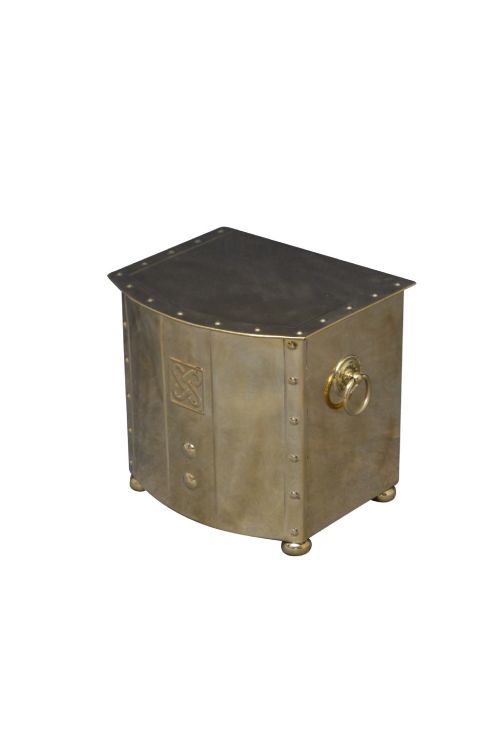
Antique Metal Storage Container
An antique metal storage container brings practical utility and robust character into a room, holding logs, umbrellas, or documents with enduring style.

Antique Metal Storage Container
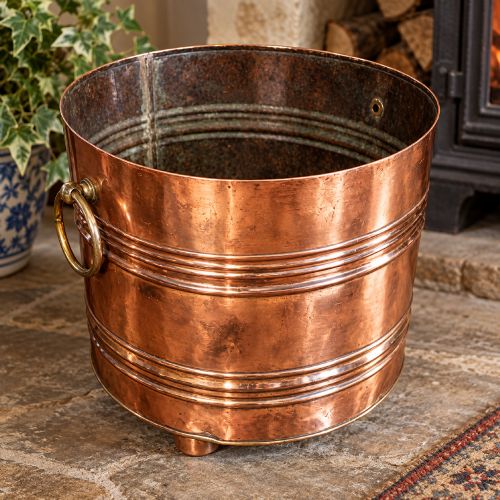
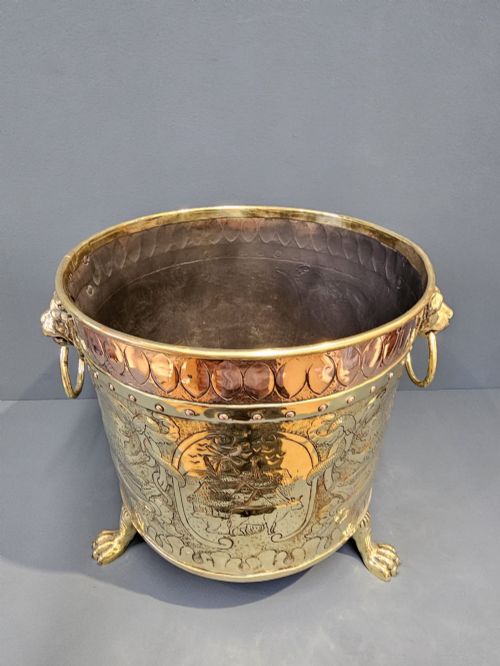
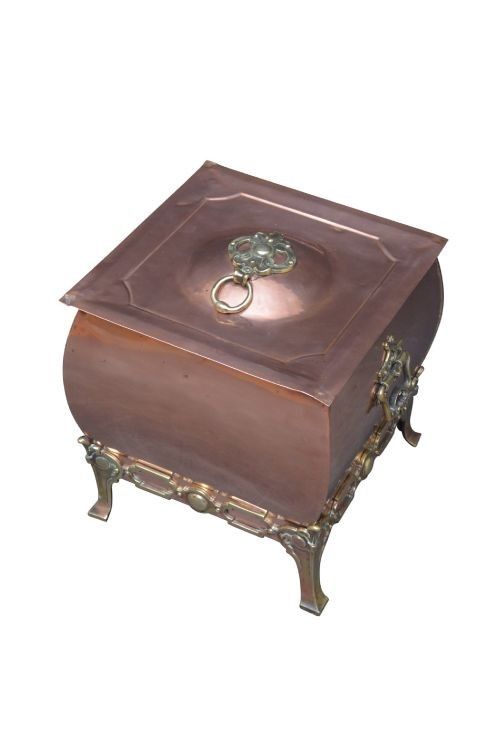
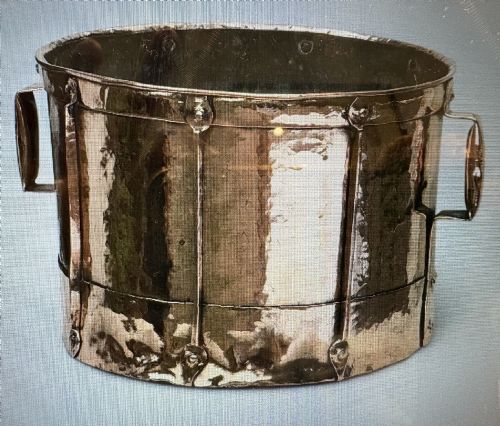
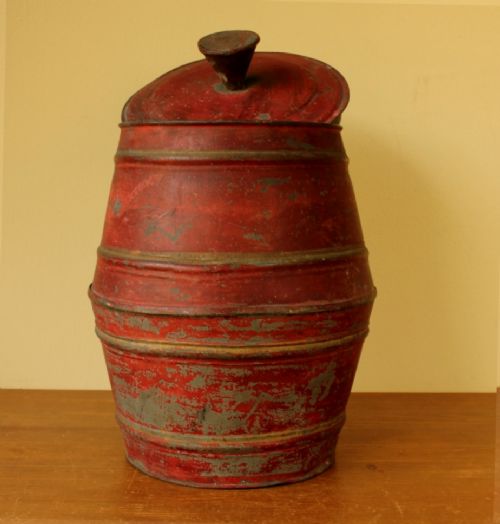
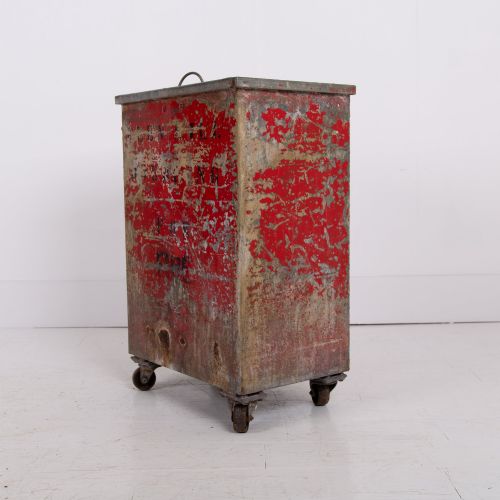
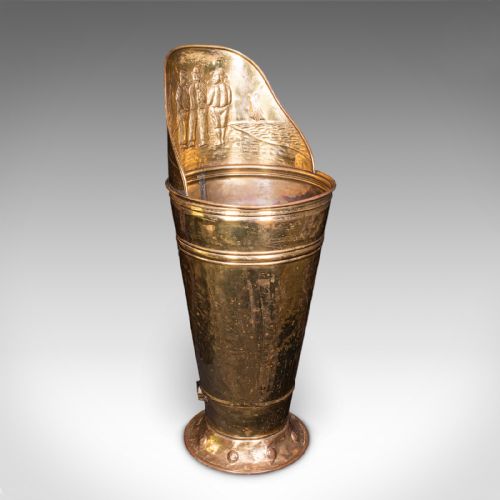
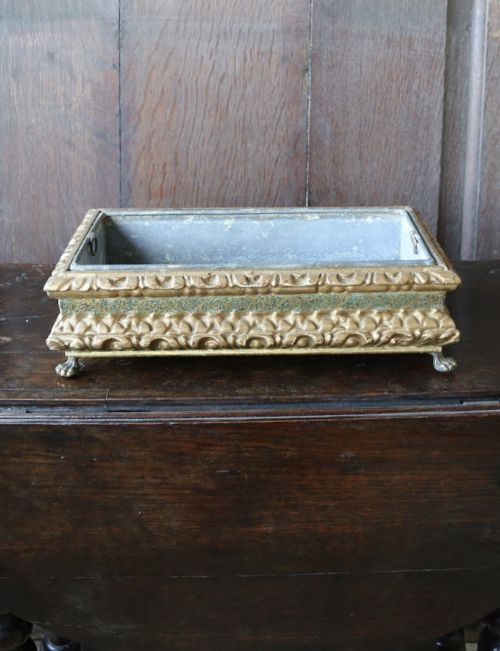
When you search for an antique metal storage container, you encounter utility objects originally designed for hearthside service, provisions, or office organisation. These vessels range from heavy coal bins and water barrels to decorated toleware tins and umbrella stands.
Victorian and Edwardian examples dominate the selection, often shaped from copper, brass, or painted iron. Many pieces double as planters or decorative focal points in country house and traditional interiors.
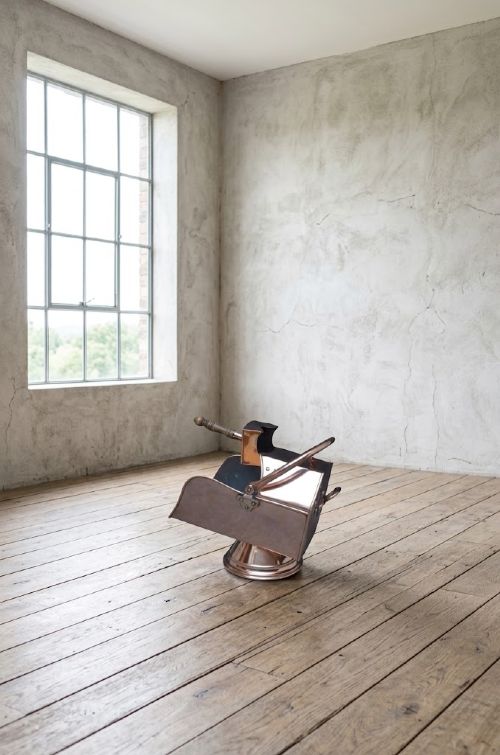
The assortment includes specialised forms such as grain measures, coal helmets, solicitor document tins, and biscuit containers. Each item reflects the robust industrial and domestic needs of the nineteenth and early twentieth centuries.
How they were made
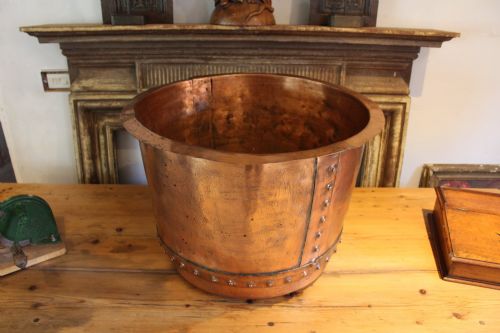
Craftsmen utilised sheet copper, brass, and iron, frequently joining panels through hand-beating, riveting, or soldering to ensure structural strength. Wrought iron frames and handles provided necessary support for heavy contents like coal and water.
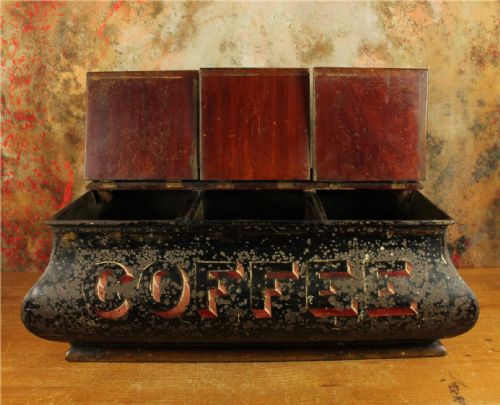
Surface decoration involved embossing, engraving, and applied brass bands or copper fittings. Toleware items received layers of painted and lacquered finishes, sometimes incorporating detailed stencilling or gilt motifs.
Blacksmiths shaped sturdy iron buckets and wagons through traditional forging techniques, while commercial tins utilised lithographed paper labels and specialised metal shaping machinery for consumer packaging.
Materials span copper, brass, iron, toleware, and wood, reflecting varied industrial applications from coal storage to biscuit packaging.
What varies in quality
Quality rests upon the weight of the metal gauge, the crispness of any embossed or hand-hammered detail, and the integrity of structural joins. Thicker copper and brass resist denting and maintain their shape better under heavy domestic use.
Artisanal touches separate standard utility items from finer decorative pieces, visible in hand-wrought ironwork, cast brass mounts, and well-executed joinery. Surviving original painted finishes and distinct maker markings elevate the standing of toleware and metal tins.
Thomas Bradbury·William Soutter And Sons·Peek Frean And Co·Huntley And Palmers
The Antique Metal Storage Container Glossary
- Toleware
- Painted and lacquered metalware, typically tin or iron, decorated with hand-painted or stencilled motifs. This technique transformed utilitarian containers into colourful household objects.
- Coal Scuttle
- A container designed to hold coal near a fireplace, often featuring a sloping opening or a hinged lid with a carrying handle. These vessels frequently took the form of helmets or buckets.
- Demi Lune
- A half-moon or semicircular shape often seen in umbrella stands designed to sit flush against a hallway wall. This form maximised floor space in narrow corridors.
- Ferrule
- A metal cap or band attached to a piece to strengthen the end and prevent splitting. They appear on handles and wooden or metal containers for reinforcement.
- Coopered
- Constructed from wooden staves bound with metal hoops, a technique traditionally used for buckets and barrels. Some hybrid pieces combine wooden bodies with metal hardware.
Antique Metal Storage Container: Frequently Asked Questions
How were antique metal storage containers used originally?
These containers served practical domestic and industrial functions, ranging from holding fireplace coal and kindling to storing biscuits, tobacco, and legal documents. Households relied on sturdy metal vessels to transport water, grain, and provisions safely.
Over time, many of these utility items transitioned into decorative display pieces within country houses and parlours. Their robust construction made them ideal for heavy daily tasks before central heating and modern packaging altered domestic routines.
Can I use an antique metal bin as a planter?
Many buyers repurpose copper and brass coal buckets or galvanised tubs as indoor and outdoor plant pots. Their generous proportions and sturdy metal construction accommodate shrubs and large houseplants easily.
Protecting the interior lining or checking for existing drainage holes helps preserve the metal when moisture is introduced. The patinated surfaces of aged copper and iron contrast well with green foliage.
How do I clean and care for antique copper and brass?
Dusting with a dry, soft cloth removes everyday debris without disturbing the aged surface. Avoid harsh chemical cleaners that strip away the desirable dark oxidation and historic patina accumulated over decades.
Polishing should be done sparingly and only if a brighter metallic shine is preferred over the natural darkened finish. Preserving the original texture maintains the visual character of the piece.
What distinguishes Victorian metalwork from Edwardian pieces?
Victorian metal storage containers often feature heavier ornamentation, including deep embossed patterns, elaborate brass mounts, and robust riveted construction. The aesthetic favoured ornate coal scuttles and heavily decorated decorative boxes.
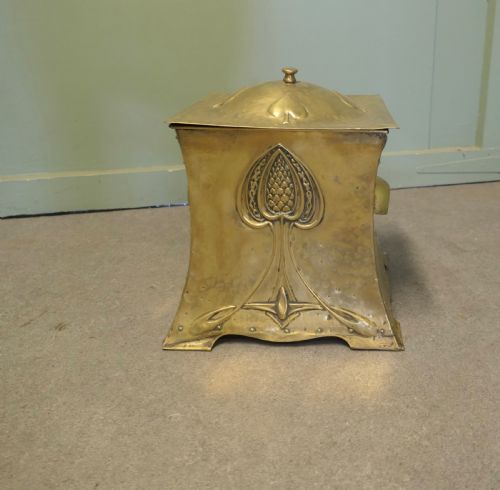
Edwardian designs tended toward cleaner lines and simpler geometric forms, reflecting the emerging Arts and Crafts movement. Production methods during this later period also incorporated more stylised Arts Nouveau motifs and lighter framing.