


Antique Metal Stops
Antique metal stops secure heavy interior doors with weight and character, forged from cast iron, brass, and bronze across Georgian and Victorian eras.
Antique Metal Stops
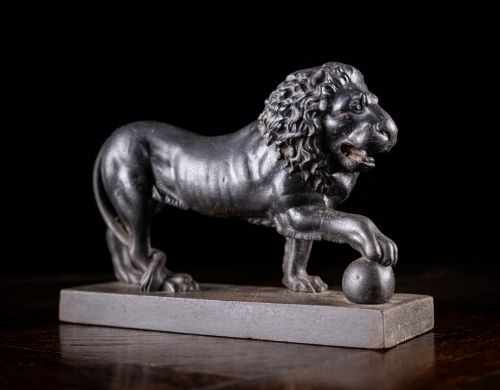
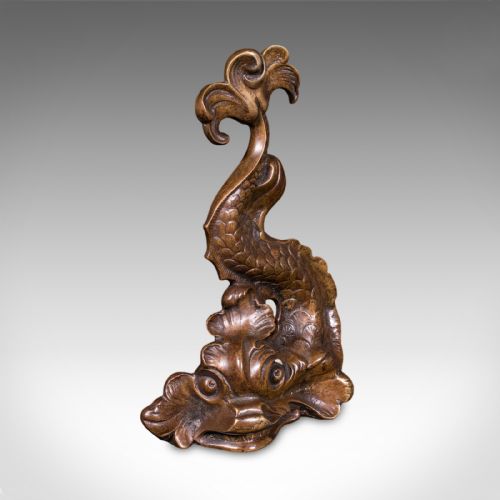
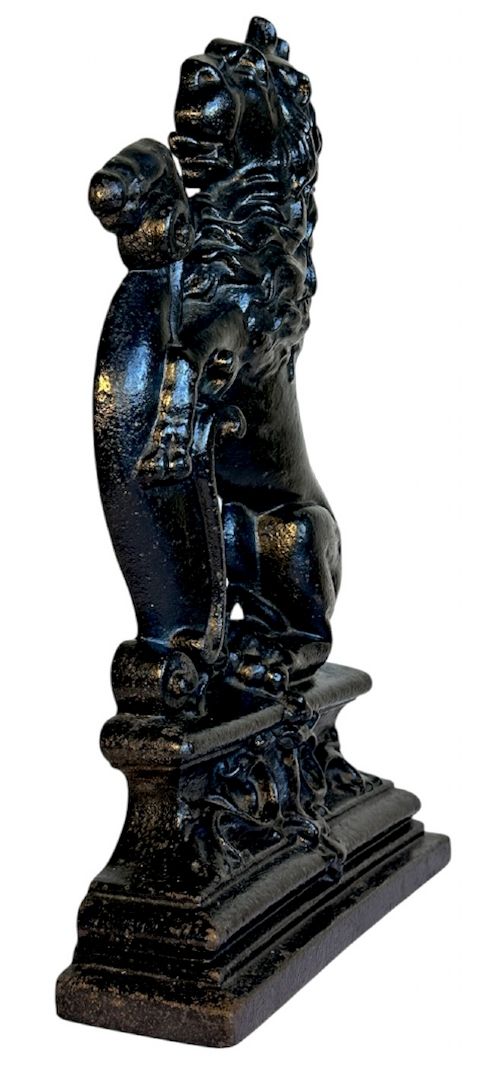
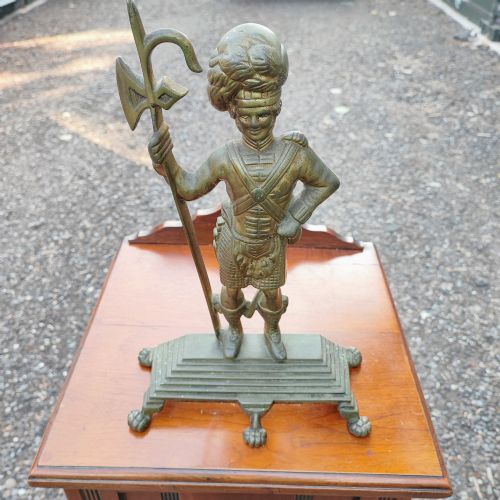
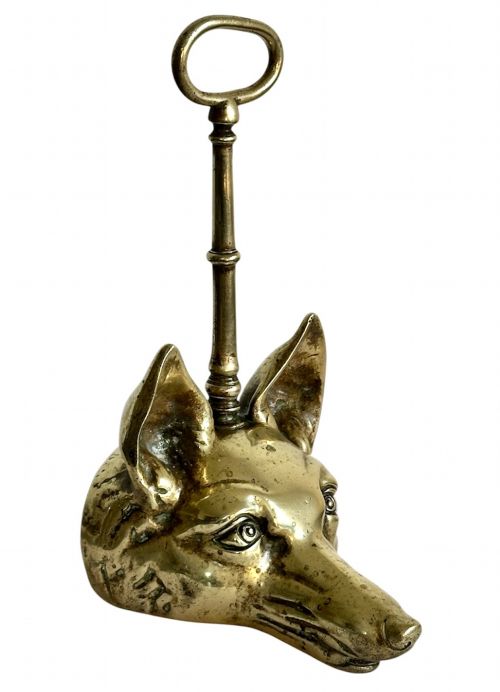
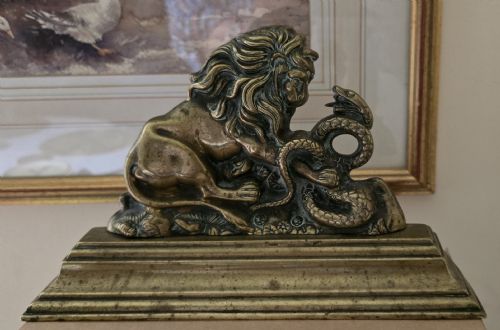
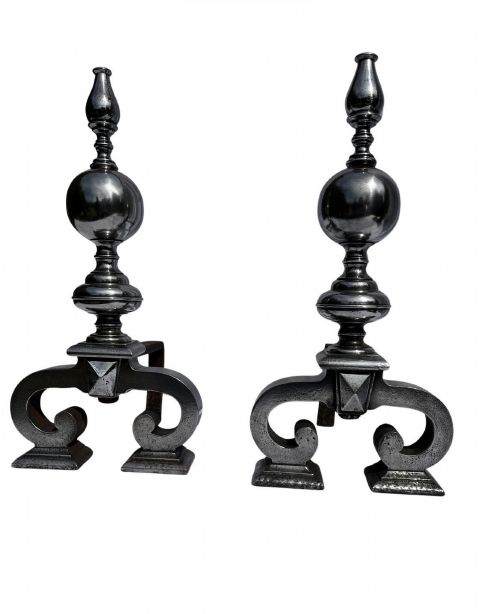
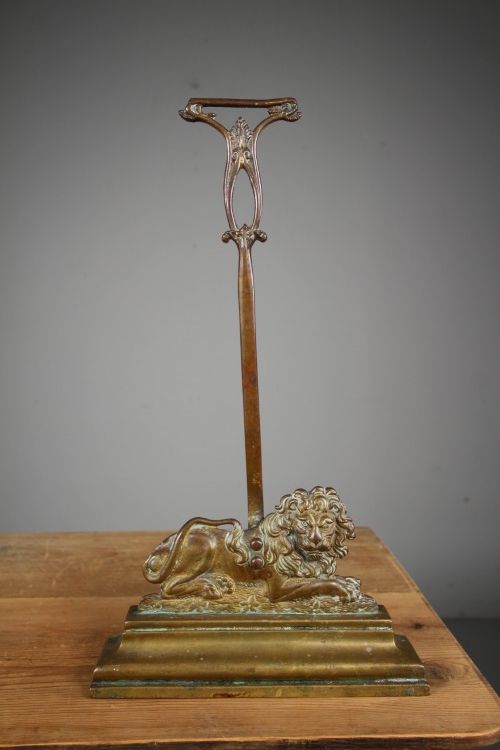
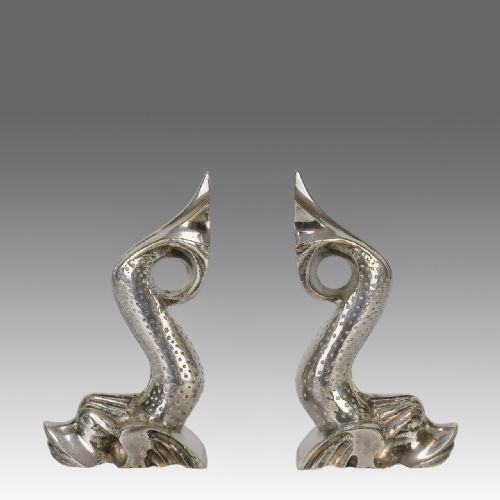
When you search for antique metal stops, you encounter practical domestic weights designed to hold heavy interior doors ajar, alongside related hearth furniture such as andirons and bookends. The forms you are most likely to meet on this page include figurative doorstops shaped as lions, dogs, soldiers, and literary figures like Mr Punch.
The selections span the Georgian, Regency, and Victorian periods, with many pieces originating from English workshops. Alongside traditional door porters, you will find fire dogs and decorative sculptures cast in robust metals.
Makers ranged from industrial foundries to named metalworkers producing utilitarian items with distinct sculptural presence. These objects functioned primarily to manage heavy drafts in large houses before central heating altered domestic architecture.
How they were made
Foundries utilised sand-casting techniques to shape molten iron, brass, and bronze into solid, heavy forms. Molten metal poured into moulds captured intricate details such as animal manes, facial expressions, and military uniforms.
Finishes varied from natural polished brass and silvered metal to dark painted surfaces and cold-painted bronze. Iron and steel components were frequently forged or cast to withstand daily domestic impacts.
Antique Metal Stops Retail Price Guide 2026
Typical asking prices for metal stops among the pieces listed under this phrase on Sellingantiques today, from the lower quarter to the upper quarter. They describe what is for sale here now, not the wider market.
Mr Punch keeps watch beside the fireplace, having spent a century guarding interior doors from sudden drafts.
What varies in quality
Weight distribution and structural integrity separate robust pieces from lesser examples. Heavy, balanced castings sit solidly on the floor, while older pieces retain the original surface patination accumulated over generations of use.
Tonks·F Abella & Sons
The Antique Metal Stops Glossary
- Door porter
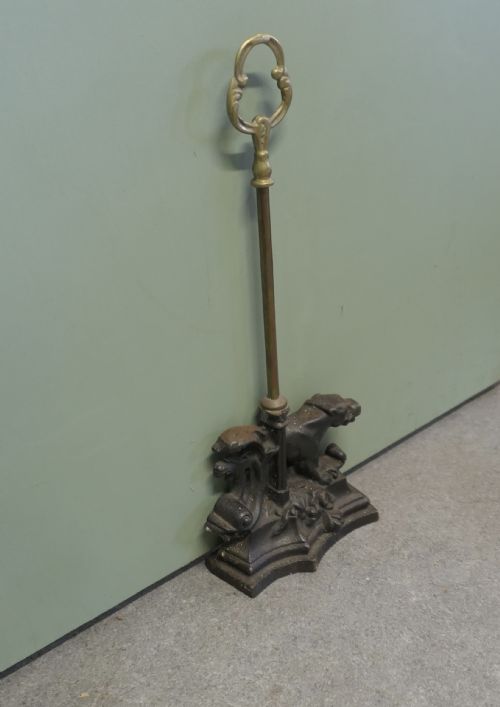
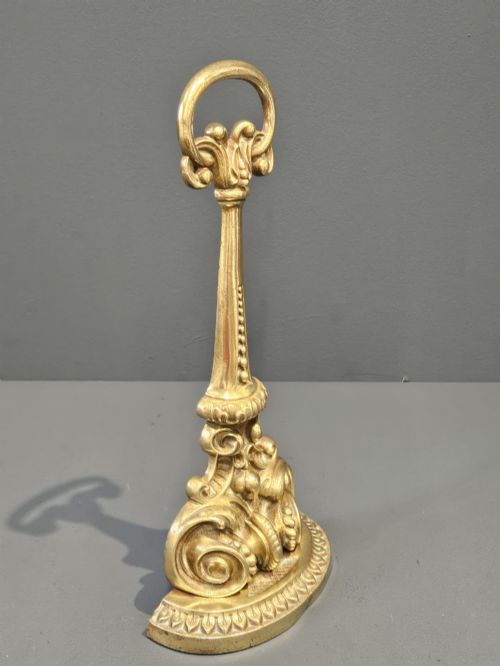
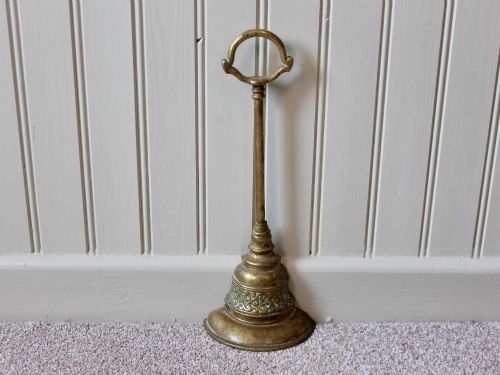
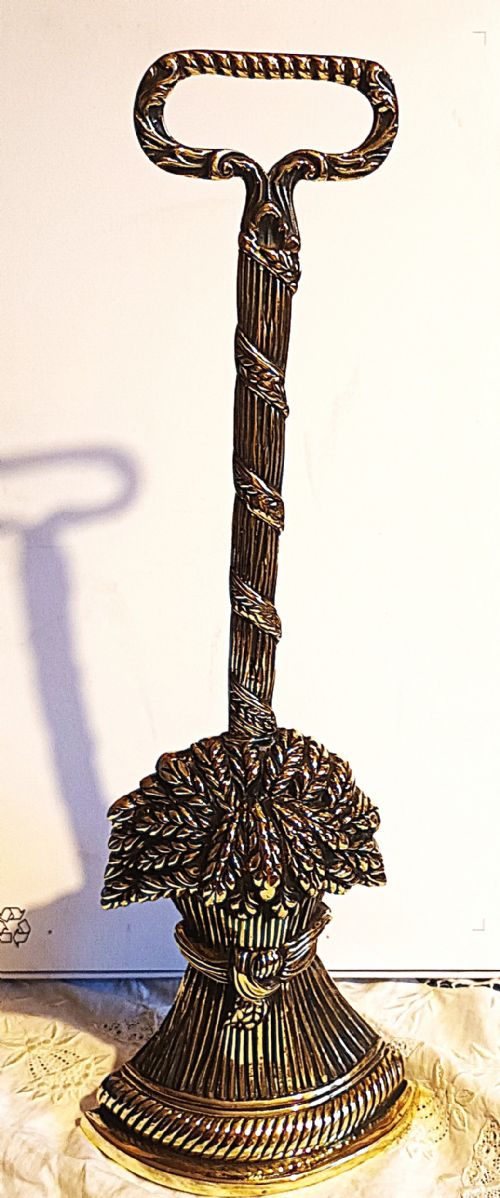
- A heavy portable weight with an upright handle, designed to be lifted and placed against a door. These pieces were common in large hallways during the nineteenth century.
- Andirons
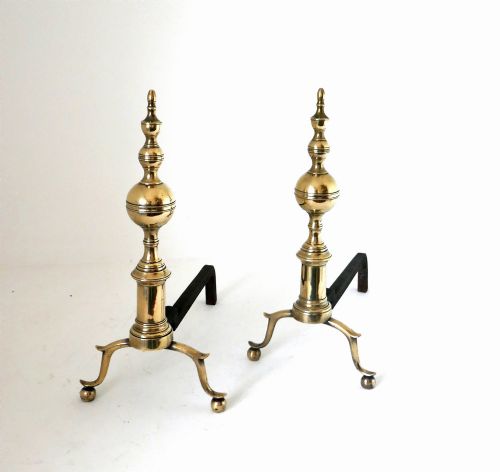
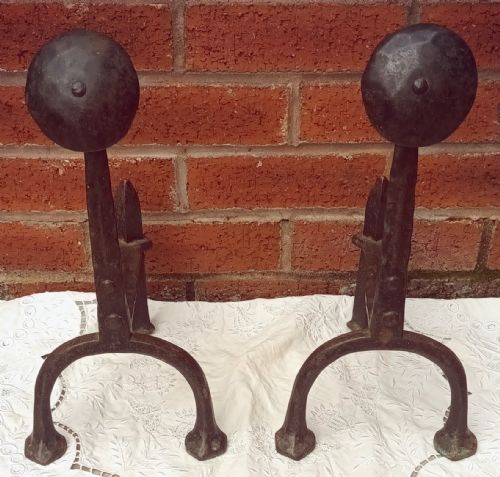
- Iron or brass supports used to hold logs in an open fireplace. Also known as fire dogs, they often feature decorative fronts that match the style of contemporary doorstops.
- Cast iron
- An iron-carbon alloy poured into moulds while molten. This material provided the necessary mass for heavy domestic door control.
- Cold painted
- A method of applying non-fired paint to bronze sculptures and bookends. This finish requires careful preservation to prevent flaking over time.
- Regency
- A British design period spanning the early nineteenth century. Pieces from this era often incorporate classical motifs like dolphins and heraldic animals.
Antique Metal Stops: Frequently Asked Questions
What is an antique metal door porter?
A door porter is a specific type of heavy metal stop fitted with an upright handle at the top. This handle allowed occupants to pick up the weight easily and move it across floorboards.
These pieces were particularly useful in high-ceilinged Georgian and Victorian rooms where heavy timber doors required reliable positioning against heavy drafts.
How do I clean antique brass stops?
Dust metal stops gently with a soft dry cloth to remove surface particles. Avoid aggressive metal polishes that strip away the aged patination accumulated over decades.
Maintaining the natural dark areas in recessed details preserves the visual depth and historical character of the casting.
Were iron doorstops painted originally?
Many nineteenth-century iron stops received protective coats of black paint or multicoloured finishes. Surviving examples sometimes show traces of original cold-painted decoration beneath accumulated dust.
Paint retention varies depending on whether the piece spent its working life in a damp hallway or beside a dry hearth.
How do I date a cast iron stop?
Dating relies on stylistic clues, mounting methods, and the crispness of the casting texture. Victorian examples frequently depict popular literary characters, animals, and military figures.
Examining the underside for wear patterns and casting seams helps distinguish nineteenth-century production from later decorative reproductions.