
Antique Metal Stand
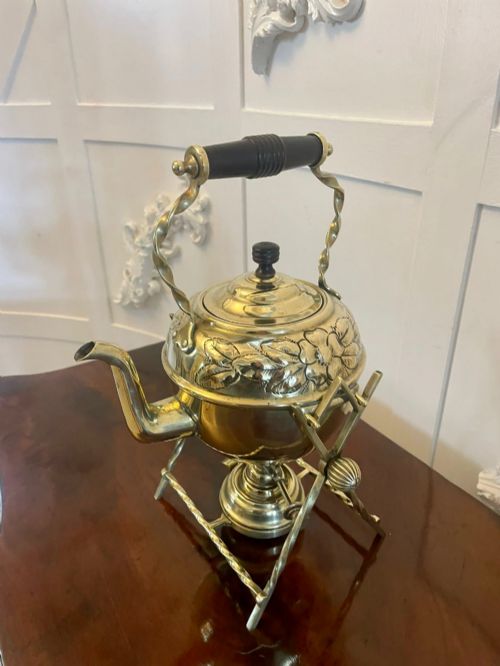
An antique metal stand brings structure and functional design into a room, spanning everything from heavy cast iron plant holders to delicate brass spirit kettles.
Antique Metal Stand
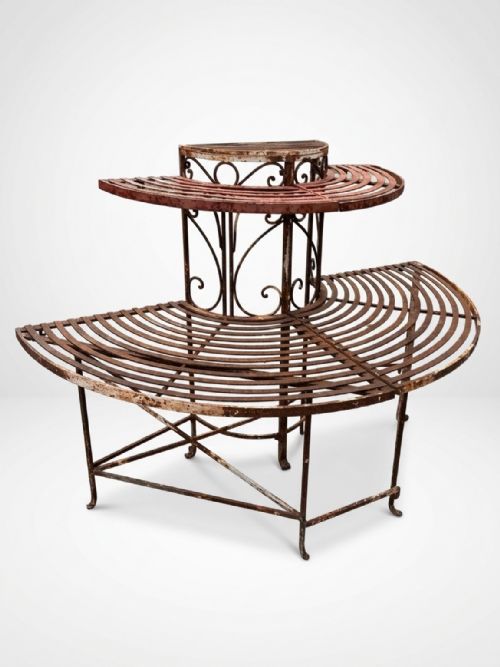
When you search for an antique metal stand, you encounter a diverse collection of utilitarian and decorative objects designed to elevate items off the floor or tabletop. These pieces range from substantial umbrella and stick stands in hallways to plant stands, jardiniere tables, and display supports.
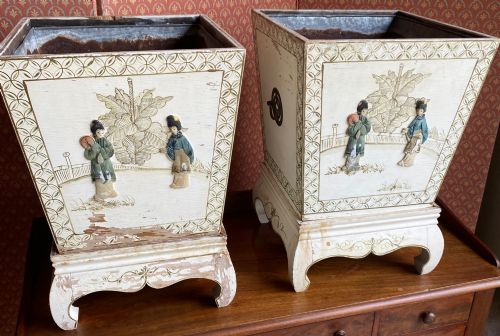
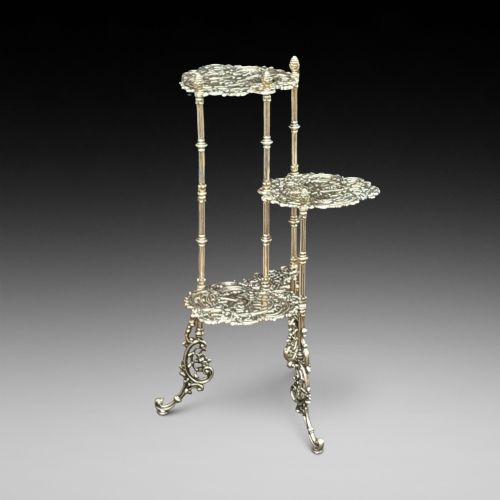
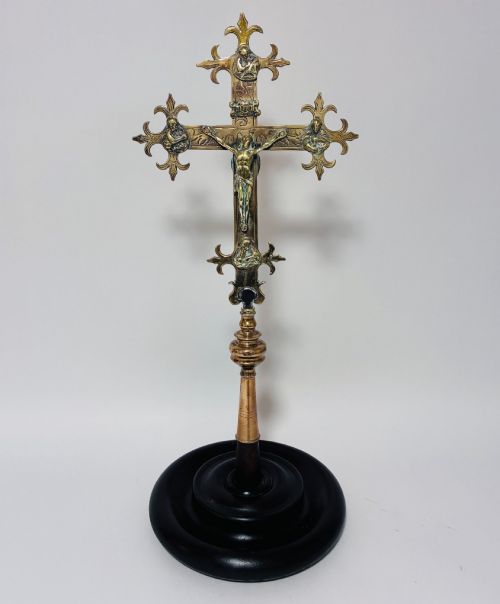
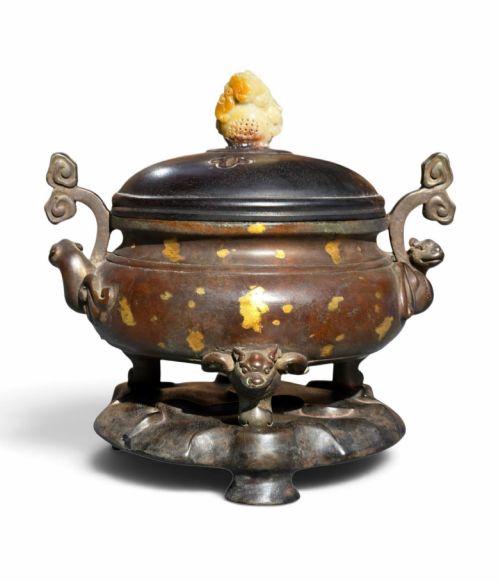
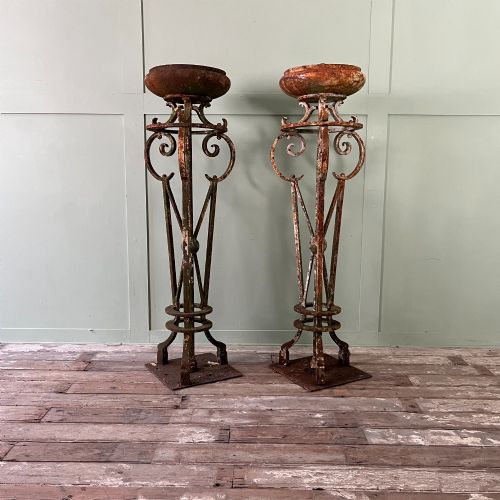
The versions you meet most frequently on this page include Victorian and later brass or wrought iron plant stands, alongside cast iron or nickel-plated umbrella holders. Alongside these, specific functional forms appear, including spirit kettles on stands and censers with custom bases.
Origins stretch across British, European, and Asian workshops, drawing on periods from the eighteenth century through to the art deco and arts and crafts movements of the twentieth century. Each form reflects the domestic habits and decorative preferences of its specific era.
Materials and construction
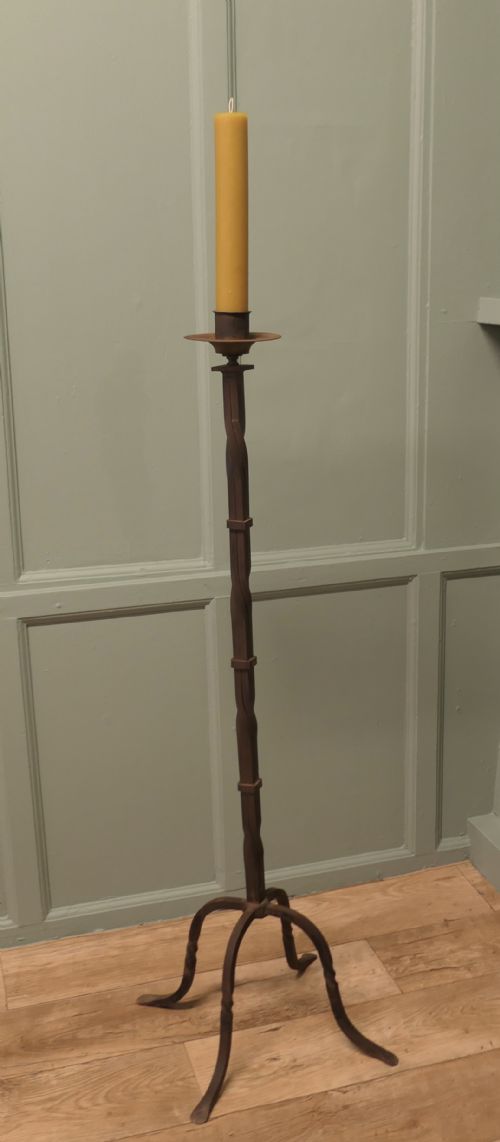
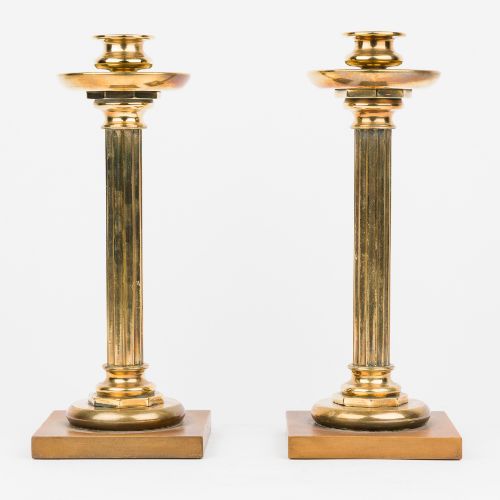
Makers utilised a range of metals depending on the intended function and decorative style of the stand. Brass, copper, bronze, and pewter dominate the offerings, often combined with cast or wrought iron for structural rigidity in floor-standing pieces.
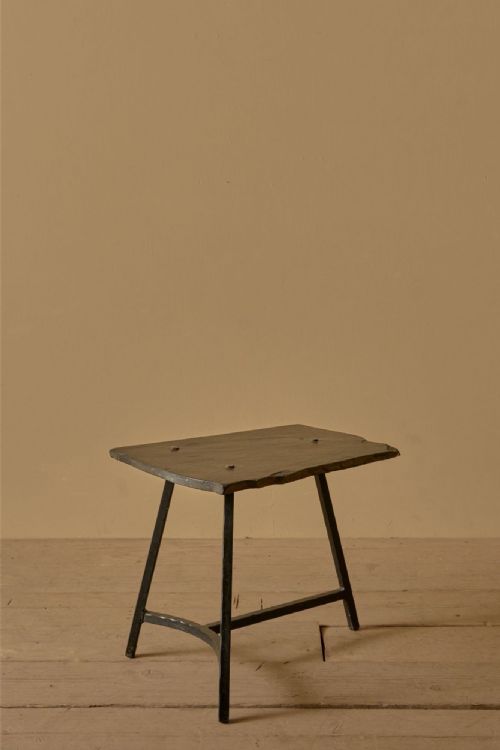
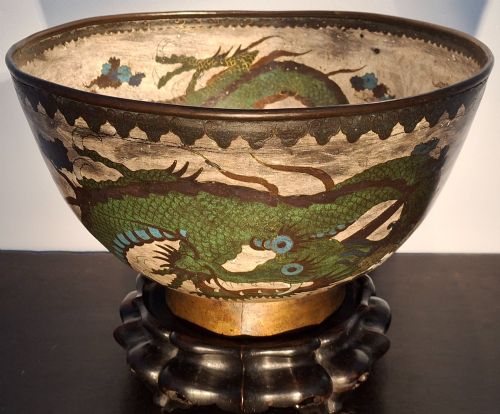
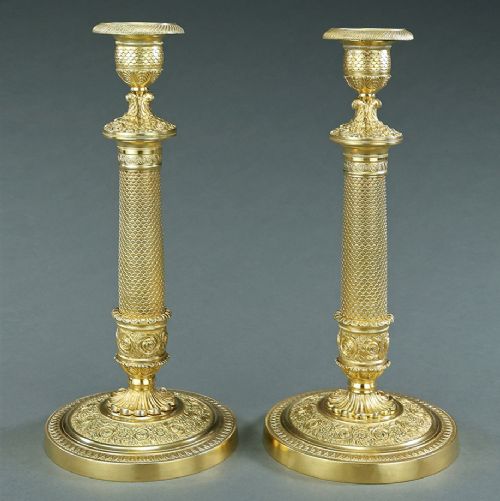
Techniques varied from blacksmith-made wrought iron manipulation to sophisticated casting, chasing, and gilt-bronze work. Surface treatments such as nickel plating, toleware painting, and cloisonne enamel add distinct visual texture to the finished objects.
Listings feature items spanning the 18th century through to the 1930s, incorporating brass, bronze, cast iron, and pewter.
Judging quality and execution
Quality in an antique metal stand rests primarily on the crispness of the casting, the integrity of the joins, and the weight of the metal utilised. Heavier pieces with thick gauge brass or substantial bronze display superior structural stability and finer detail retention.
The refinement of decorative elements - such as hand-chased foliage, integrated drip pans, or custom hardwood fittings - separates standard utility items from exceptional examples. Original surface patination and untouched patinas significantly influence the desirability of the piece.
Liberty and Co·Archibald Knox·William Hutton
The Antique Metal Stand Glossary
- Jardiniere
- An ornamental stand or container designed to hold indoor plants or flowers. They frequently appear in wrought iron or ceramic combinations.
- Censer
- A ritual vessel used for burning incense, often accompanied by a dedicated matching stand or cover. These frequently date from eighteenth-century Asian dynasties.
- Tole
- Painted or lacquered tinplate used for decorative trays and table stands. This technique originated in Europe and creates a durable, colourful surface.
- Ormolu
- Gilt bronze mounted on decorative objects and furniture during the eighteenth and nineteenth centuries. The process involves applying a gold-mercury amalgam to bronze.
- Pewter
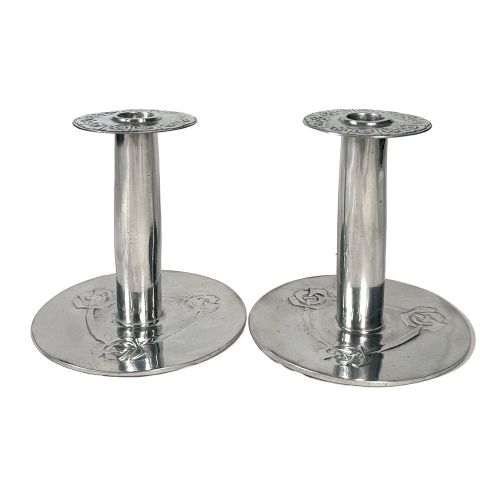
- A malleable metal alloy consisting mostly of tin, shaped into candlesticks and inkwells during the arts and crafts period.
Antique Metal Stand: Frequently Asked Questions
What were metal plant stands used for?
Victorian and Edwardian households used metal plant stands to display potted ferns and flowering plants inside living spaces. Raising plants off wooden floorboards protected surfaces from moisture damage while improving light exposure.
These stands appeared in various rooms, utilising sturdy iron or brass tripod bases and multi-tiered shelving to maximise display space.
How do I identify an umbrella stand?
Umbrella and stick stands feature deep vertical compartments designed to hold walking sticks, canes, and wet umbrellas. They incorporate drip pans at the base to catch rainwater and protect hallway flooring.
Materials typically include heavy cast iron, brass, or nickel-plated metal with internal divisions to keep items upright and organised.
Are bronze censers supplied with stands?
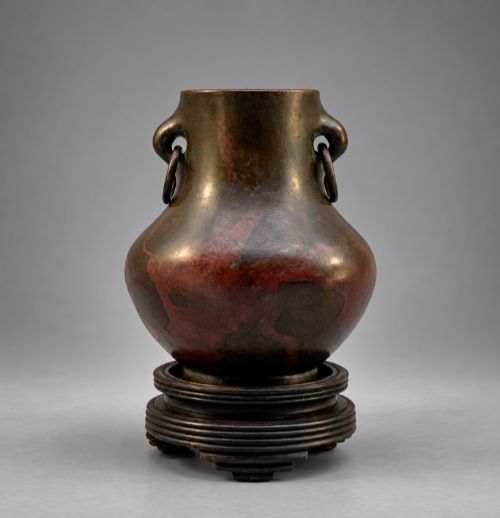
Many antique bronze censers were manufactured with matching custom stands and covers as a unified decorative set. These stands provided a stable footing and protected temple or desk surfaces from heat.
In Asian decorative arts, the stand forms an integral part of the composition, often echoing the archaistic motifs of the vessel above.
How do I date a brass stand?
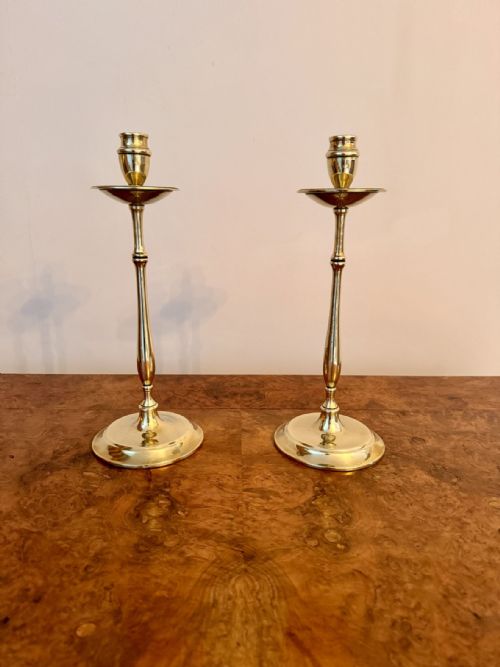
Dating relies on manufacturing techniques, weight, and prevailing decorative styles visible in the feet, handles, and surface decoration. Eighteenth-century pieces show hand-beaten or heavy sand-cast construction, whereas later nineteenth-century examples often use machine-turned elements.
Design markers like art nouveau whiplash curves or geometric art deco lines help narrow the production era.