




Antique Metal Shop Sign
An antique metal shop sign carries the grit of commerce, offering trade symbols and advertising boards forged in iron, copper, and enamel.
Antique Metal Shop Sign
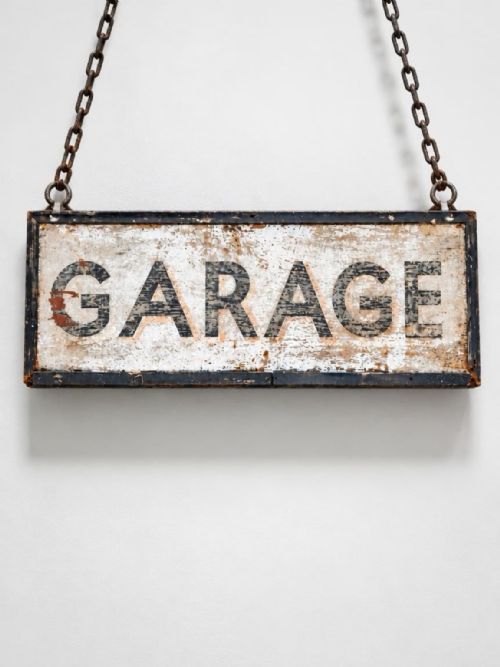
When you search for an antique metal shop sign, you encounter heavy trade markers and advertising boards that once hung above nineteenth and early twentieth-century premises. These pieces span Victorian street furniture, Edwardian chemist boards, and industrial folk art created to draw the eye of the passing public.
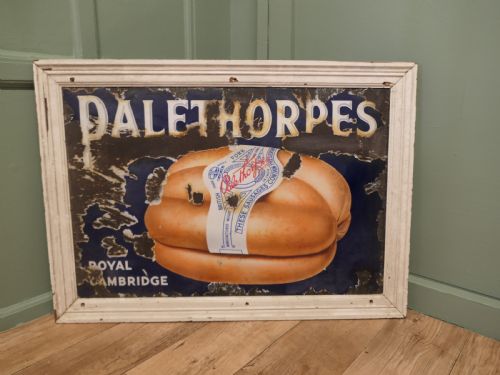
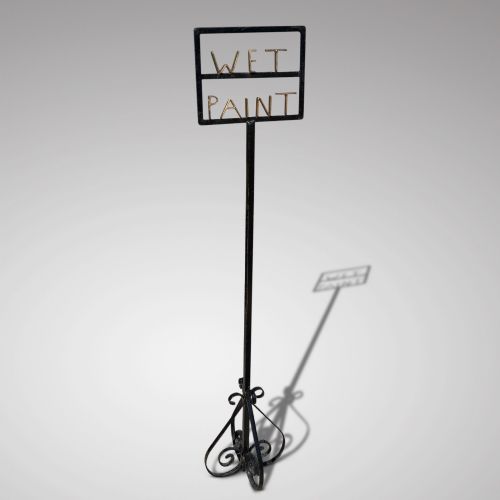
You are most likely to meet painted iron trade signs, vitreous enamel advertising boards, and shaped sheet metal forms representing specific goods or trades. The selection ranges from architectural brackets and door hardware to hanging pocket watch clocks and pharmacy displays.
Originating largely from British and French commercial life, these objects capture the physical trade of past decades. They combine utilitarian strength with striking graphical design, making them sought-after statements for modern interiors.
How they were made
Sign makers utilised robust materials such as cast iron, wrought iron, copper, and sheet metal to withstand external weather conditions. Artisans shaped these metals through hand-beating, casting, and forging before applying protective layers of paint.
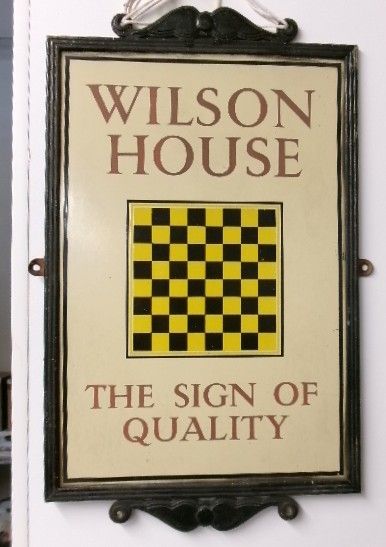
Vitreous enamel finishes involved fusing powdered glass to metal under high heat, creating glossy, durable surfaces resistant to fading. Painted wooden or metal frames often secured these panels, whilst forged brackets provided sturdy wall fixings.
Antique Metal Shop Sign Retail Price Guide 2026
Typical asking prices for metal shop sign among the pieces listed under this phrase on Sellingantiques today, from the lower quarter to the upper quarter. They describe what is for sale here now, not the wider market.
Listings feature iron, copper, sheet metal, and vitreous enamel across nineteenth-century and early twentieth-century forms.
What varies in quality
The degree of artistic execution in the lettering and pictorial imagery dictates the visual success of a piece. Skilled sign-writers achieved balanced proportions and crisp typography that remain legible and commanding.
Original surface preservation heavily influences desirability, with untouched paint patinas and stable enamel surfaces commanding greater interest than heavily restored examples.
Josef Herzog Jewellery Shop·Wilmot Key Holder
The Antique Metal Shop Sign Glossary
- Toleware
- Painted or enamelled sheet metal items produced mainly in the eighteenth and nineteenth centuries. This technique allowed makers to form lightweight yet durable domestic and trade articles.
- Vitreous Enamel
- Glass powder fused to a metal substrate at high temperatures. This process created a smooth, hard-wearing coloured surface impervious to moisture and rust.
- Wrought Iron
- Iron that has been heated and worked with tools by a blacksmith. It contains fibrous slag inclusions that give the material a distinctive grain and high tensile strength.
- Architectural Salvage
- Building components and exterior fixtures rescued from structures slated for demolition. Such items preserve historical craftsmanship for modern reuse.
Antique Metal Shop Sign: Frequently Asked Questions
How were trade signs mounted?
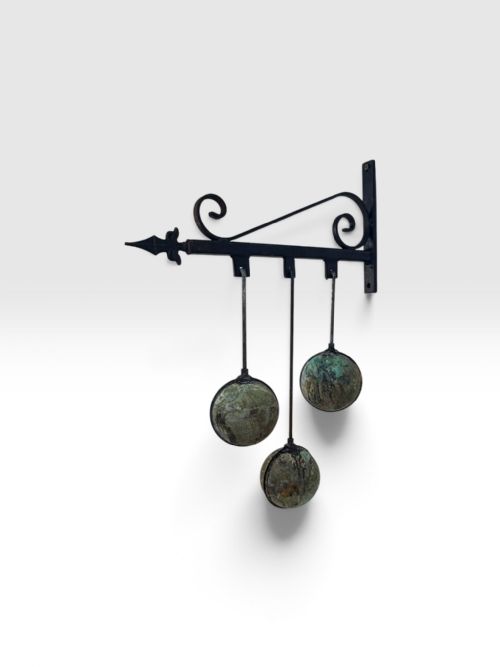
Shop signs typically hung from heavy wrought iron brackets attached directly to exterior brickwork or timber facades.
This allowed double-sided boards to swing freely, catching the attention of pedestrians walking along the street.
What trades used metal signs?
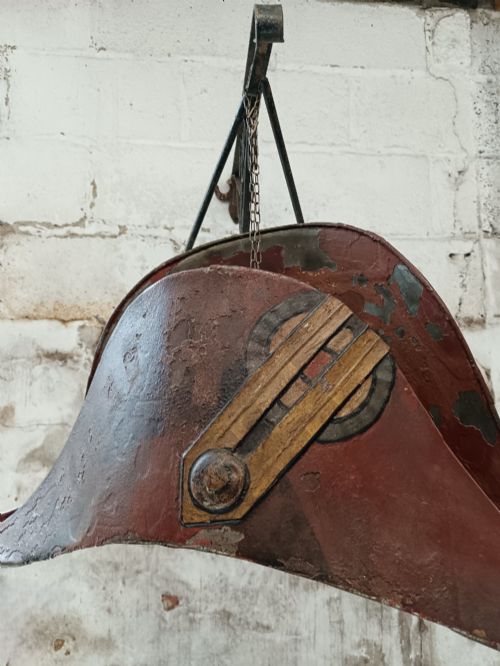
Chemists, pawnbrokers, watchmakers, and painters frequently utilised metal trade boards to advertise their specific services.
Symbolic shapes like pocket watches or bicorn hats communicated the nature of the business to a largely literate populace.
How do I clean an enamel sign?
Enamel surfaces tolerate gentle washing with warm water and mild soap to remove accumulated surface dust and grime.
Avoid abrasive scouring pads that might scratch the glossy glass coating or expose the underlying metal.
Are these signs weatherproof?
Whilst originally designed to endure outdoor conditions, antique metal signs now benefit from indoor display environments.
Protecting them from prolonged dampness prevents further rust formation and preserves the remaining historic paint.