


Antique Metal Screening
Antique metal screening turns domestic iron and brass into decorative fire guards and architectural partitions.
Antique Metal Screening
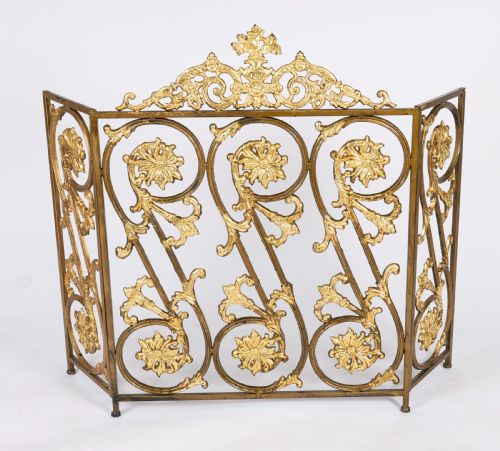
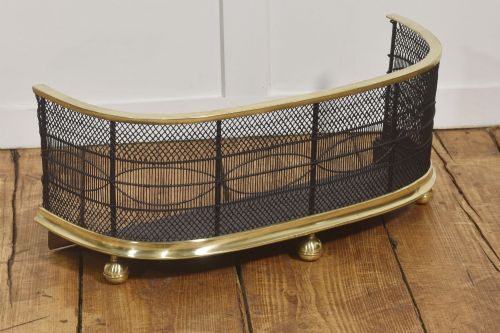
Antique metal screening encompasses fire screens, fire guards, spark guards, and architectural panels designed to manage hearths and spaces. These objects appear primarily as freestanding fireguards, folding spark screens, and occasional architectural gates.
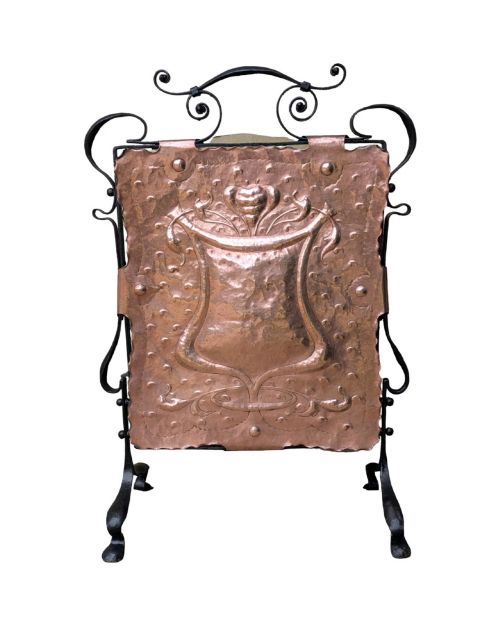
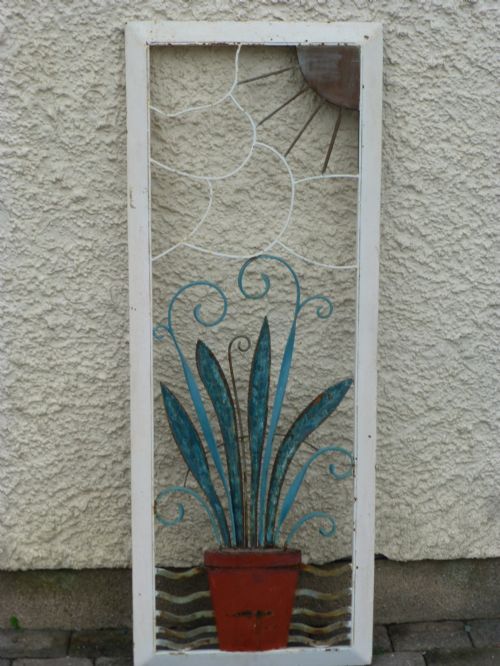
The pieces emerge from the nineteenth century through the early twentieth century, spanning Victorian, Edwardian, and specific revival movements. Brass and wrought iron dominate the forms, frequently paired with wire mesh or beaten copper sheets.
French ateliers and British workshops produced these utilitarian items with considerable artistic ambition. Domestic interiors relied upon them for safety and ornament before central heating altered the hearth.
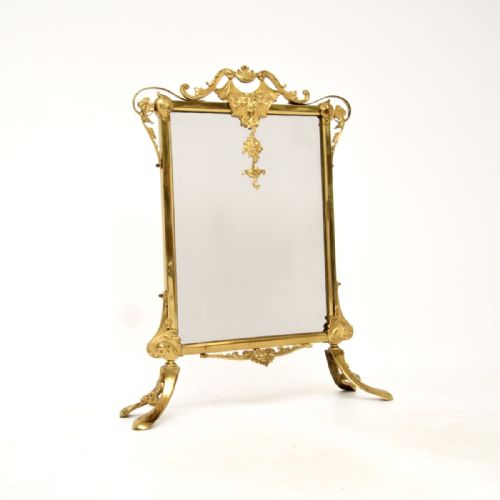
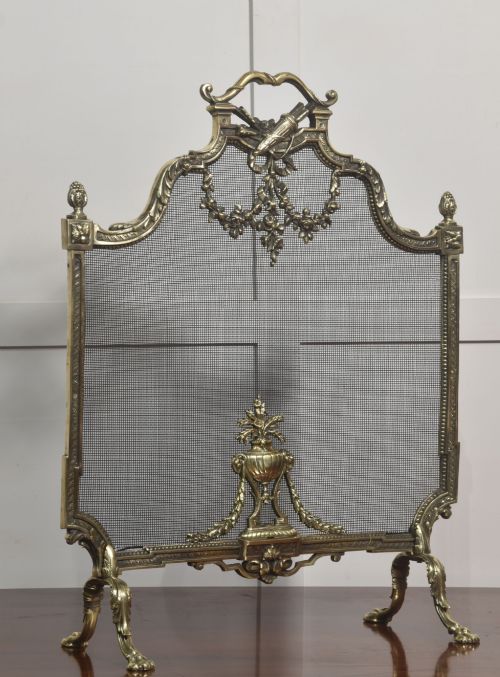
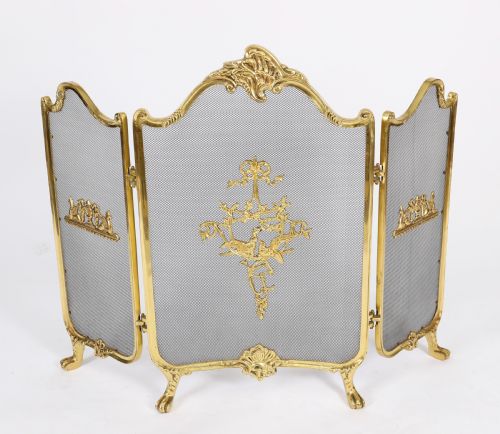
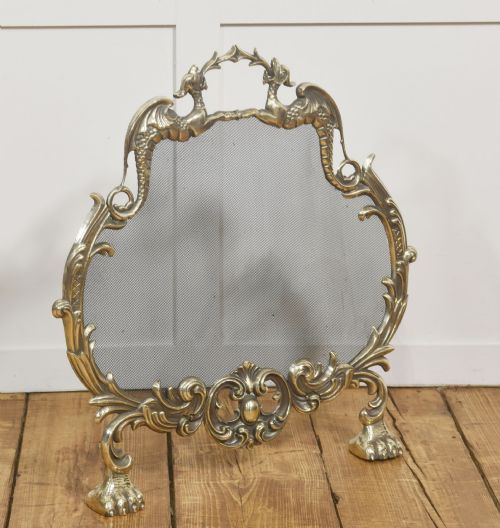
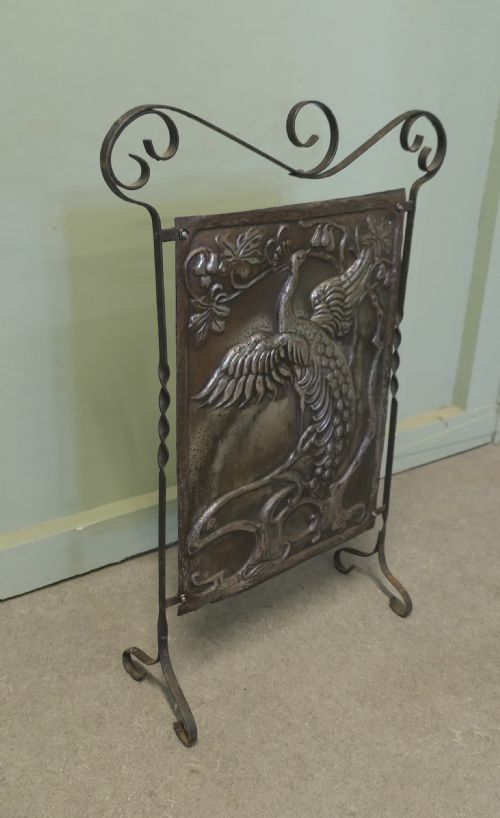
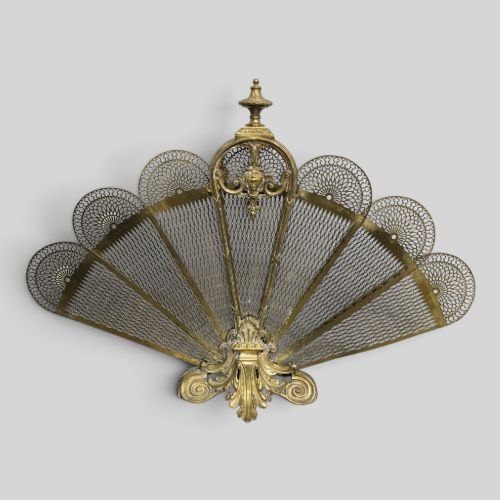
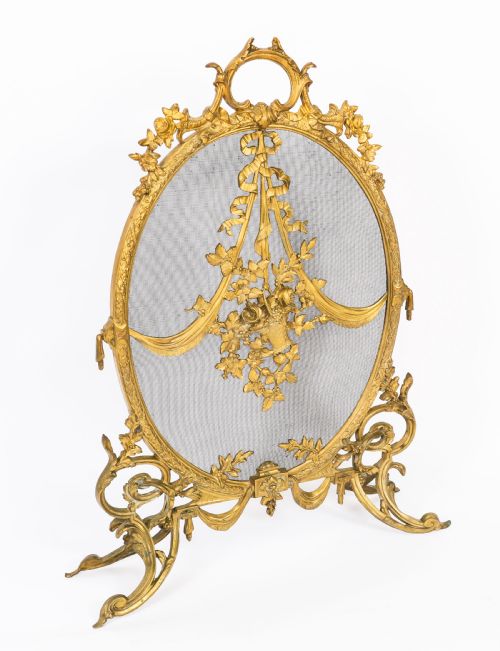
Buyers encounter French rococo revival gilt bronze pieces alongside robust Arts and Crafts ironwork. The selection reflects both formal drawing room accessories and utilitarian nursery guards.
How these pieces were made
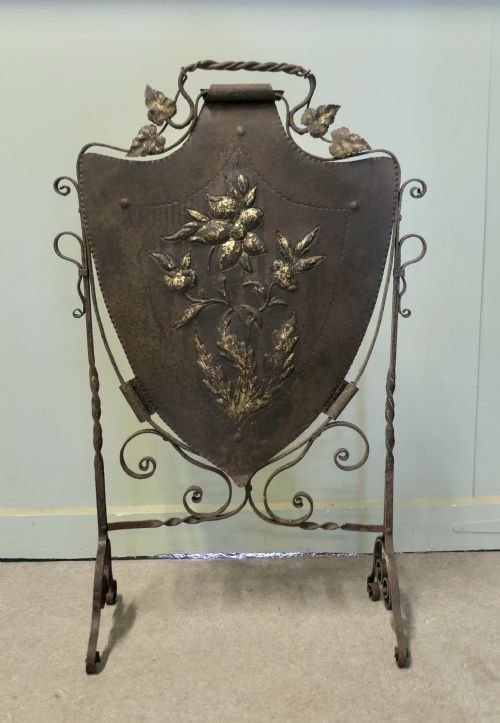
Blacksmiths and metalworkers shaped wrought iron and cast bronze using traditional forging and casting techniques. Frames were joined mechanically or by riveting, while decorative elements like floral trophies and coats of arms were chased or embossed.
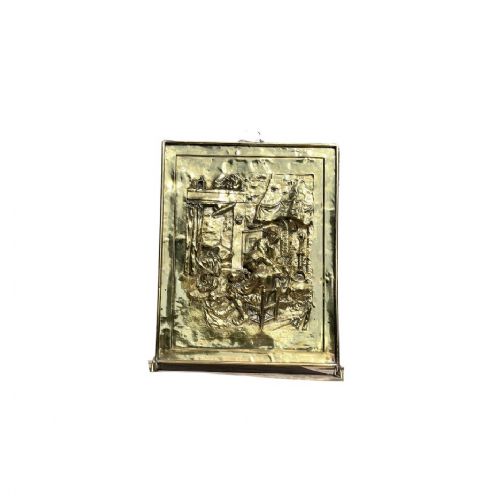
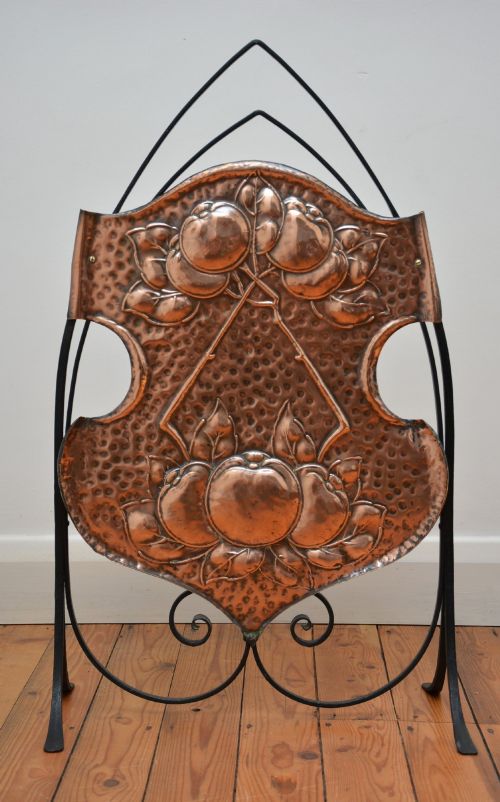
Wire mesh and fine metal screening were integrated into structural brass or iron frames to catch sparks while maintaining transparency. Polished copper panels frequently received hand-be beaten details characteristic of the Arts and Crafts movement.
Antique Metal Screening Retail Price Guide 2026
Typical asking prices for metal screening among the pieces listed under this phrase on Sellingantiques today, from the lower quarter to the upper quarter. They describe what is for sale here now, not the wider market.
Listings feature items spanning the 1870s to the 1930s, constructed predominantly in brass, iron, and copper.
What varies in quality
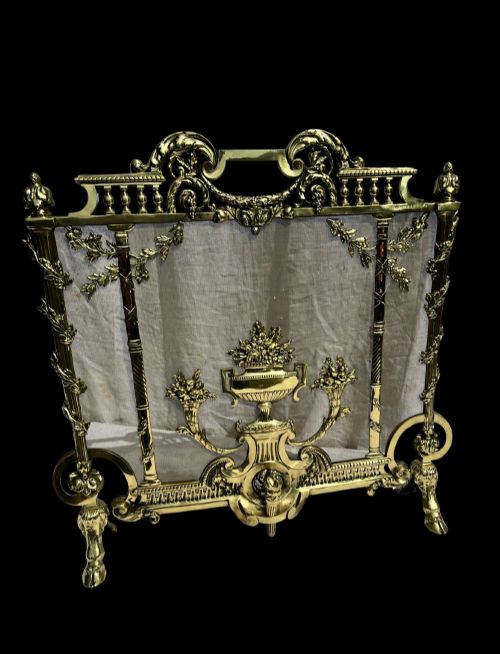
The caliber of a piece rests in the weight of the metal and the crispness of the chasing or casting. Gilt bronze and heavy brass display detailed relief work, whereas simpler wire guards rely on utilitarian construction.
Artistic cohesion separates standard production items from ambitious workshop pieces. Hand-beaten copper panels with distinct motifs stand apart from plain wire frames.
Raymond Subes
The Antique Metal Screening Glossary
- Fire guard
- A metal barrier placed before a fireplace to contain sparks and protect the room. These objects range from heavy brass frames to simple wire mesh panels.
- Gilt bronze
- Bronze that has been treated with a thin layer of gold or gold-coloured alloy. This technique imparts a rich metallic lustre to decorative frames.
- Wire mesh
- An open grid of woven metal wire used in screens to permit heat radiation while stopping embers. It forms the primary protective screen in many spark guards.
- Rococo revival
- A nineteenth-century design style emulating the exuberant curves and asymmetrical ornamentation of the French eighteenth century. It appears frequently on ornate brass and bronze frames.
Antique Metal Screening: Frequently Asked Questions
How were fire screens used?
Fire screens served primarily to protect inhabitants from the intense heat of open coal or wood fires. They also shielded room furnishings and blocked drafts when the hearth was unlit.
In domestic settings, nursery guards doubled as safety barriers to keep children and long garments away from open flames. Folding versions allowed homeowners to adjust coverage according to the fire's intensity.
What metals are most common?
Brass and wrought iron form the structural backbone of the majority of these pieces. Copper appears frequently in Arts and Crafts designs, valued for its warm tone.
Gilt bronze and gilt brass were utilised for formal drawing room screens, while plain iron served utilitarian and architectural purposes.
How do I date a metal screen?
Dating relies upon stylistic markers such as Rococo revival scrolls, Art Nouveau whiplash lines, or Arts and Crafts hand-beaten surfaces. Period terminology in listings often references Victorian or Edwardian manufacturing contexts.
Construction methods also assist with dating, as machine-woven wire mesh and specific casting techniques align with nineteenth and early twentieth-century industrial practices.
Are these screens safe for modern fires?
Many antique spark guards and wire mesh screens retain their structural integrity and can function effectively with open hearths. However, their primary modern role is often decorative or architectural.
Buyers should examine the physical condition of the mesh and frame to ensure stability before utilising any screen near an active fire.