


Antique Metal Screen
An antique metal screen brings both physical warmth and decorative finish to a room, functioning primarily as a hearth accessory.
Antique Metal Screen
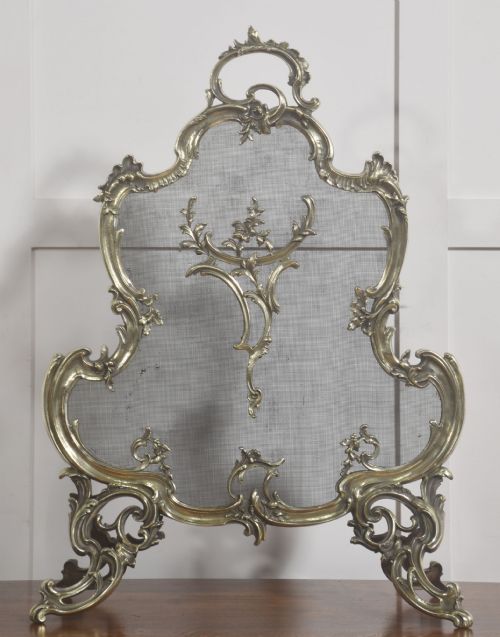
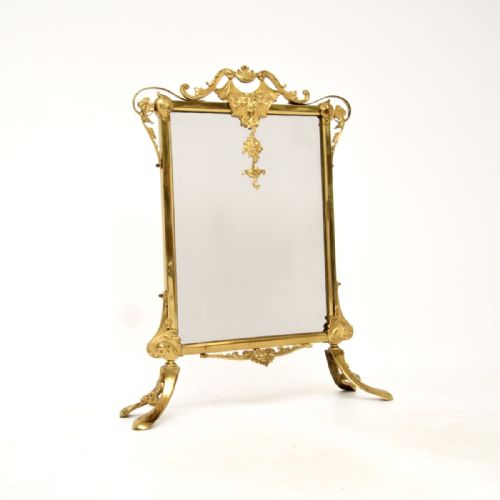
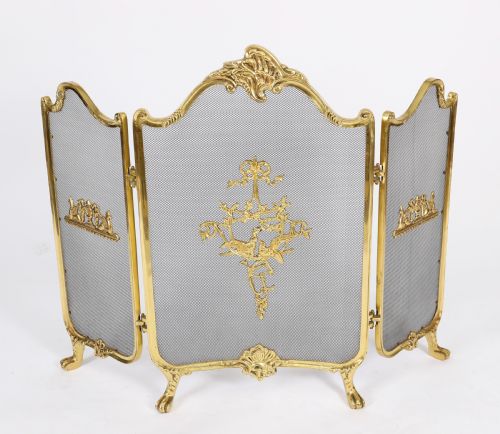
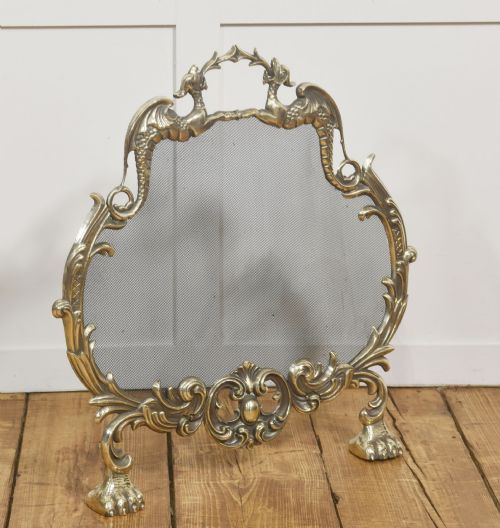
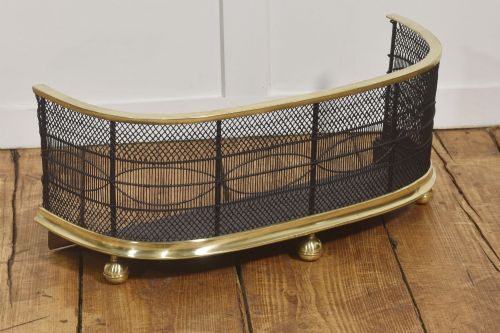
An antique metal screen is predominantly encountered in forms designed for the fireplace, serving variously as fire screens, spark guards, fire guards, and nursery fenders. These items protect the room from stray embers while adding a decorative element to the hearth.
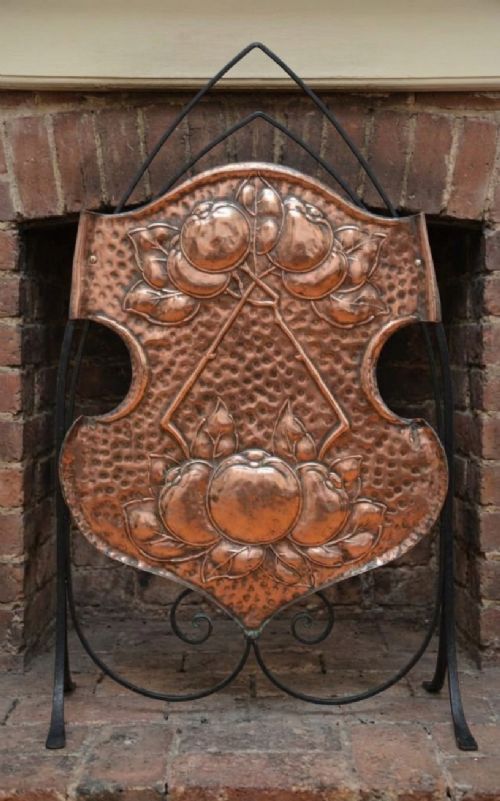
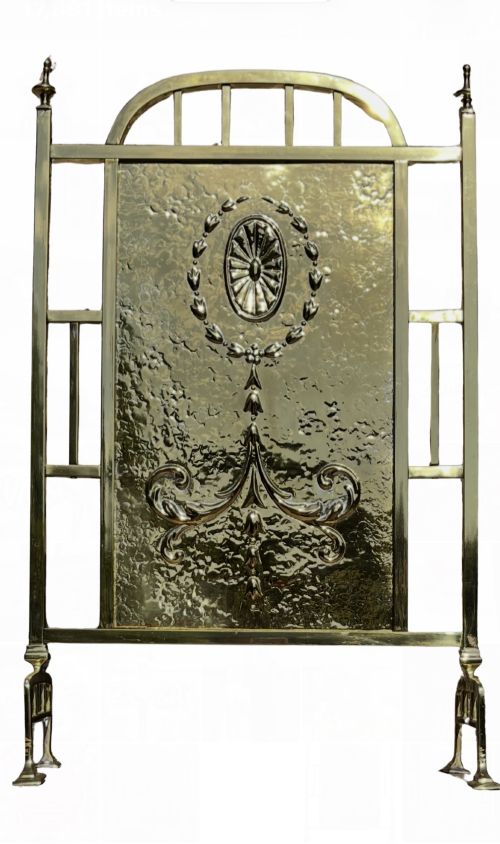
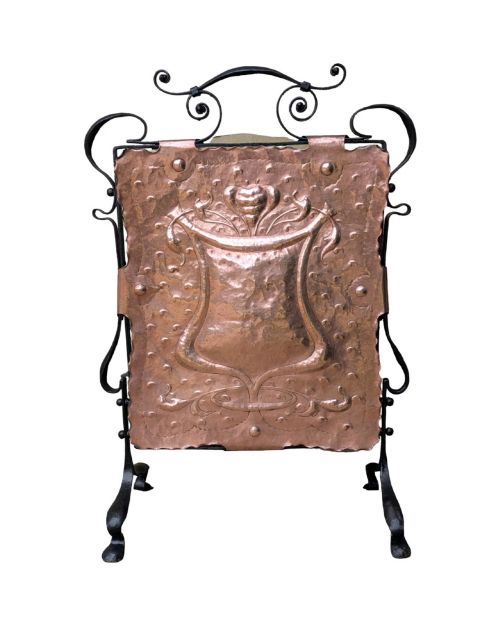
The selections span the Victorian, Edwardian, and early twentieth-century periods, alongside French revival styles. Buyers frequently encounter brass, wrought iron, and copper constructions featuring mesh, wirework, or solid panels.
Materials and construction methods
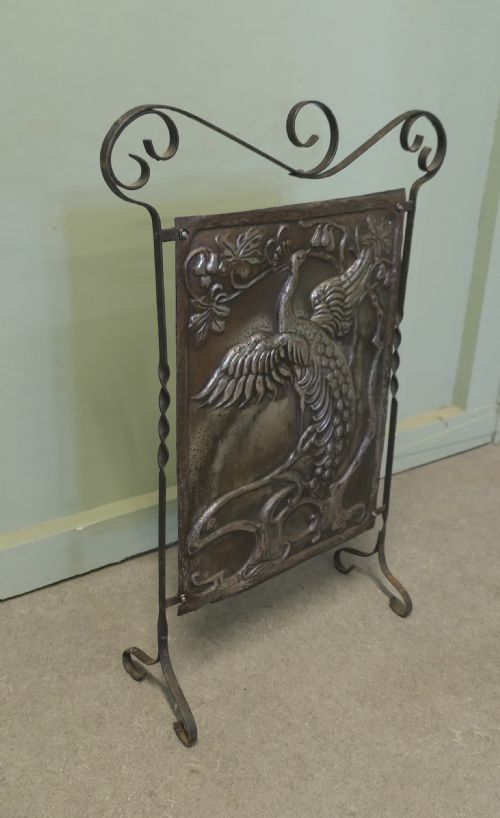
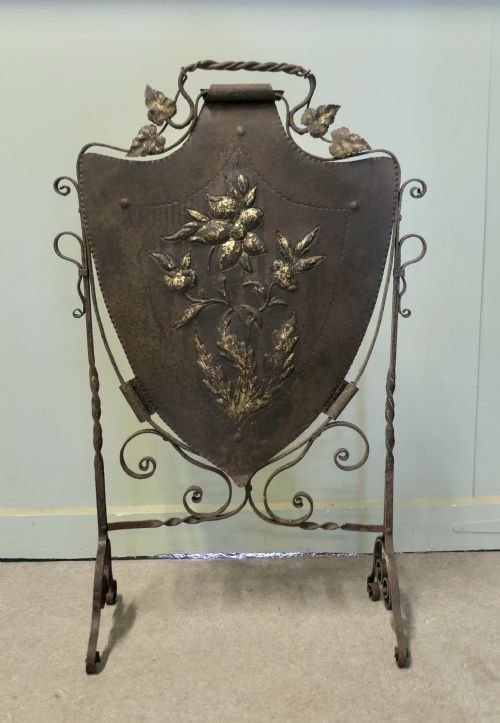
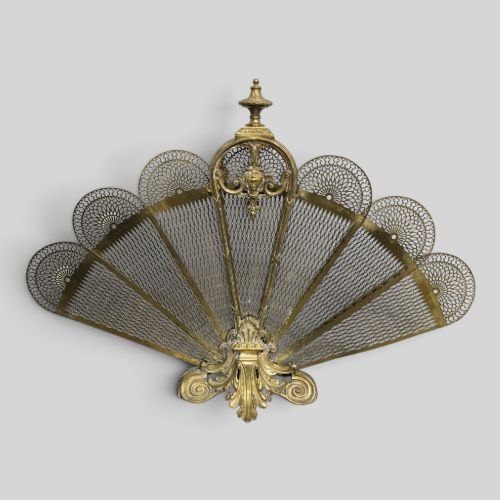
Maker construction relies heavily on brass, copper, and iron, often finished with gilding or left as polished and wrought metal. Wire mesh and fine wirework feature prominently in screens designed specifically to catch sparks.
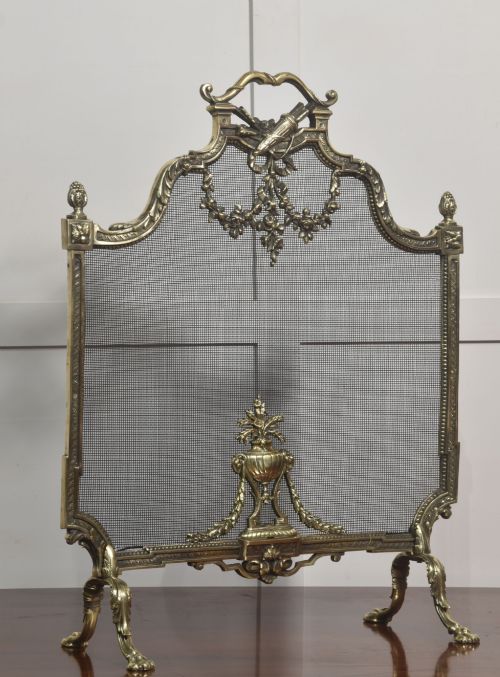
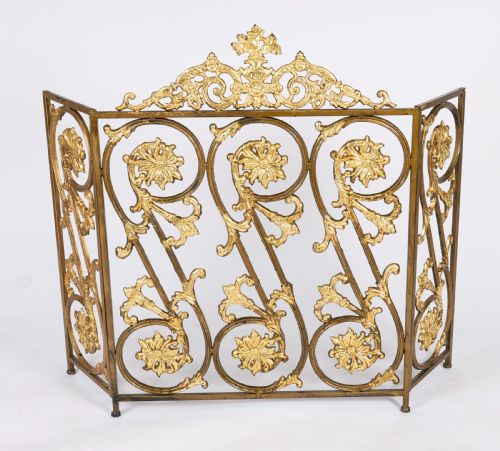
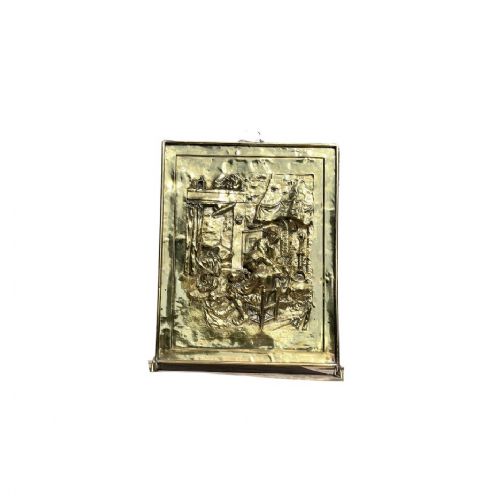
Decorative details are achieved through embossing, chasing, piercing, and sculptural elements such as floral trophies, musical motifs, and heraldic crests. Frames combine these formed metal sheets with sturdy iron or brass supports.
Antique Metal Screen Retail Price Guide 2026
Typical asking prices for metal screen among the pieces listed under this phrase on Sellingantiques today, from the lower quarter to the upper quarter. They describe what is for sale here now, not the wider market.
Some nursery fenders thoughtfully include built-in clothes rails, proving that Victorian practicality and hearth safety went hand in hand.
Assessing quality in metal screens
Quality rests in the crispness of the metalwork, distinguishing heavily chased or pierced brass and gilt bronze from simpler pressed sheets. Fine casting detail in decorative motifs such as Rococo scrolls or classical trophies indicates superior production.
Structural integrity separates standard utilitarian spark guards from fine display pieces. Weight, gauge of wire mesh, and the stability of the free-standing frame determine the durability and finish of the item.
Raymond Subes
The Antique Metal Screen Glossary
- Fire screen
- A decorative barrier placed in front of a fireplace when not in use. These often feature brass frames and mesh panels.
- Spark guard
- A functional screen or mesh barrier designed specifically to contain flying embers from an open fire. They emphasise safety alongside construction.
- Chasing
- A metalsmithing technique where designs are hammered onto the front surface rather than engraved. This creates raised ornamental patterns in brass and copper.
- Rococo revival
- A nineteenth-century design style marked by asymmetry, scrollwork, and naturalistic floral motifs. It appears frequently on French and English brass screens.
- Nursery fender
- A protective low metal guard placed around a hearth to keep children at a safe distance from the fire. Some examples include integrated clothes rails.
Antique Metal Screen: Frequently Asked Questions
What is an antique metal screen used for?
These screens serve primarily as hearth accessories to shield rooms from open flames and contain stray embers during fires. They also act as decorative focal points for the fireplace when the hearth is unlit.
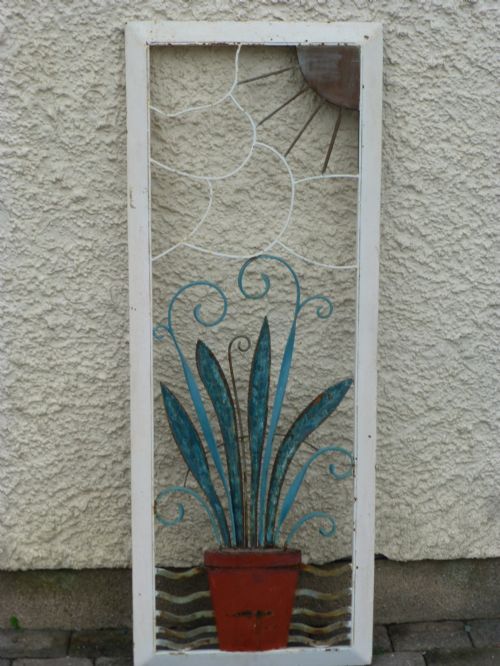
Beyond domestic hearths, certain heavy iron and bronze panels function as architectural dividers or garden elements. Their design balances utility with period aesthetics.
How do I date an antique metal screen?
Dating relies on identifying period styles such as French Rococo, Art Nouveau, Arts and Crafts, or Gothic Revival. Materials like gilt bronze point towards nineteenth-century French manufacture, while polished iron often suggests Arts and Crafts production.
Construction techniques also provide clues, as machine-woven wire mesh and stamped sheet metal became more common by the late Victorian and Edwardian eras. Maker marks or regional styles further narrow the period of origin.
Are brass fire screens difficult to maintain?
Maintenance generally involves dusting and occasional gentle cleaning to preserve the metal surface. Polishing depends entirely on whether the owner prefers a bright shine or an aged patina.
Lacquer is sometimes applied to modern surfaces, but antique pieces usually require care suited to unsealed brass or copper. Avoiding harsh chemical cleaners preserves any original gilding or chasing.
What is the difference between a fire screen and a spark guard?
A fire screen often prioritises decorative appearance, using solid panels, mirrors, tapestry, or pierced brass to ornament an unlit fireplace. Their primary role is visual enhancement.
A spark guard is engineered for active fires, featuring dense wire mesh or fine iron grids designed to catch embers. Many pieces bridge both categories, offering mesh safety behind an ornate frame.