





Antique Metal Rimmed Platter
An antique metal rimmed platter brings heavy seventeenth-century tavern weight and Georgian dining formality straight to the modern sideboard.
Antique Metal Rimmed Platter
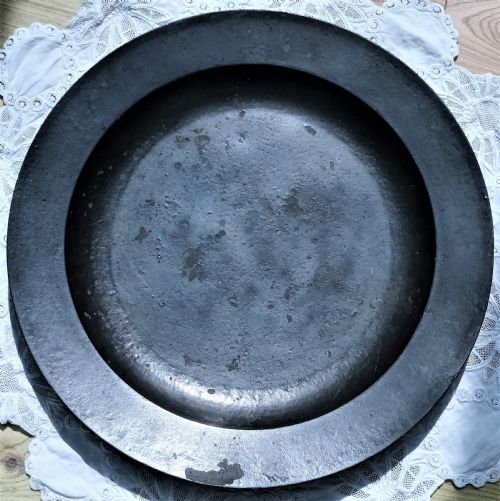
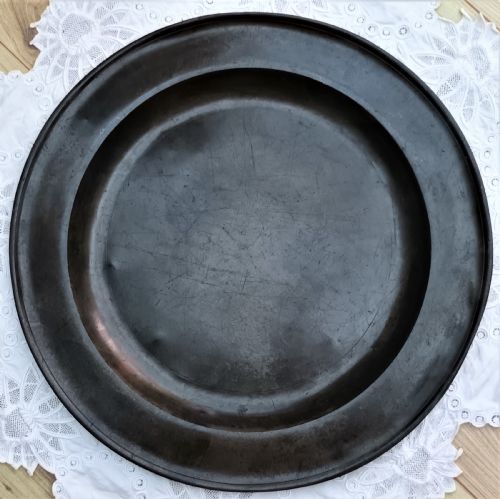
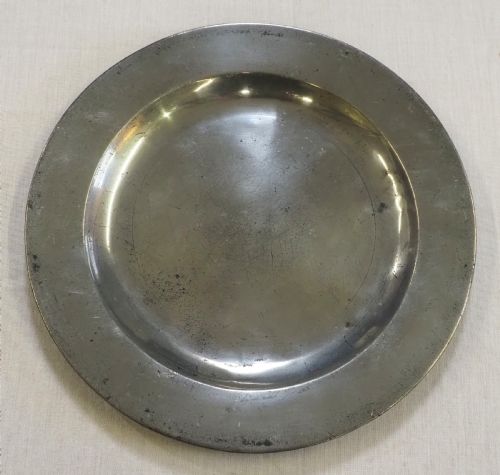
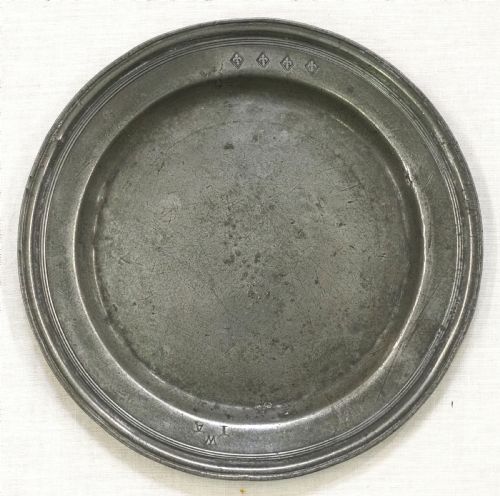
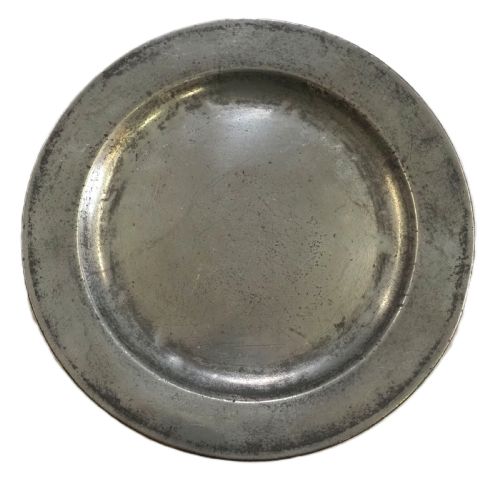
An antique metal rimmed platter comprises broad chargers, circular dishes and serving trays produced across the seventeenth, eighteenth and nineteenth centuries. The majority of pieces met here belong to the seventeenth and eighteenth centuries, shaped from pewter with plain, reeded or broad borders.
Makers fashioned these utilitarian items primarily as large serving vessels for substantial households and communal dining halls. Over time, surfaces received familial crests, incised lines or hammered textures while retaining their fundamental circular form.
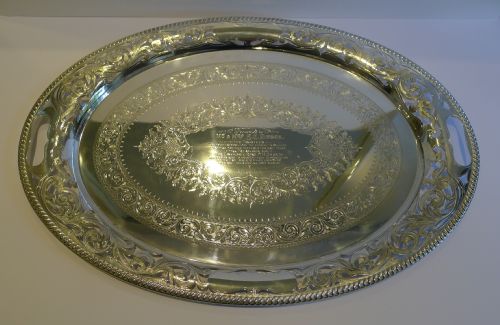
The dominant survival on this page is the English pewter charger or plate, bearing touchmarks from London and provincial workshops. Alongside pewter sit later silver-plated trays, bronze centrepieces and Old Sheffield plate spanning into the Victorian era.
Materials and methods of production
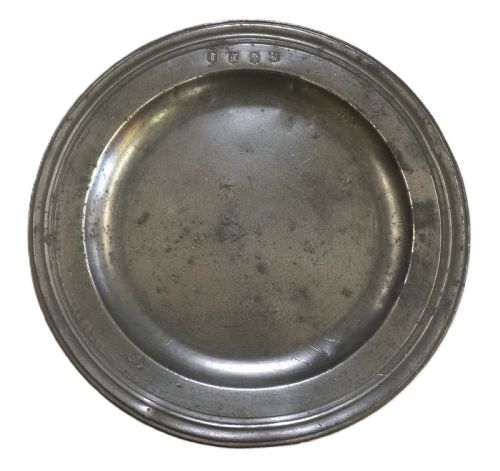
Metalworkers cast pewter into flat moulds, hammering the alloy extensively across the surface to harden the metal and achieve the desired dish depth. Edges were turned on a lathe or shaped by hand to create plain, single, double or triple reeded rims.
Silver plating and Old Sheffield plate utilised copper substrates fused or electroplated with thin layers of silver to simulate solid metal luxury at a reduced cost. Bronze items relied on traditional foundry casting to produce heavy, decorative centrepieces with raised rims.
Antique Metal Rimmed Platter Retail Price Guide 2026
Typical asking prices for metal rimmed platter among the pieces listed under this phrase on Sellingantiques today, from the lower quarter to the upper quarter. They describe what is for sale here now, not the wider market.
The listings span from the seventeenth century through the nineteenth century, utilising pewter, copper, bronze and silver-plated metals.
Distinctions in quality and execution
Quality rests upon the crispness of the reeding, the weight of the metal and the legibility of the maker touchmark stamped into the reverse. Early broad rim chargers show superior thickness and deliberate hammer marks that indicate skilled hand manipulation rather than hurried output.
The presence of crisp armorial engravings, such as family crests, elevates a piece beyond standard utilitarian ware. Conversely, worn surfaces, heavy pitting or poorly executed later repairs diminish the visual integrity of the metal.
John Duncomb·Samuel Smith·Richard King·John Tubb·Robert Moulins II·Humphrey Evans II·Thomas Templeman·Lawrence Dyer·Thomas Haward·Thomas Powell·Edward Leapidge I·John Barlow·S Duncomb·J.H. Potter
The Antique Metal Rimmed Platter Glossary
- Charger
- A large circular dish, typically exceeding sixteen inches, used for serving joints of meat or as a base plate during formal meals.
- Touchmark
- The private stamp or signature impressed by a pewterer into the metal to certify quality and identify the workshop.
- Reeded rim
- A border decorated with parallel raised bands or moulding rings running concentric to the edge of the plate.
- Old Sheffield plate
- A composite material formed by fusing a thin sheet of silver to a thicker copper core, popular before the invention of electroplating.
- Broad rim
- An exceptionally wide flat border characteristic of seventeenth-century chargers, providing stability and visual balance.
Antique Metal Rimmed Platter: Frequently Asked Questions
What were pewter metal rimmed platters used for?
These vessels served massive joints of meat, bread and communal dishes at the seventeenth and eighteenth-century dining table. Their sturdy metal construction withstood daily use in large households and institutional settings.
As dining habits shifted towards ceramic plates, many chargers transitioned into decorative wall hangings or display pieces. Their heavy metal rims made them durable enough to pass down through generations.
How do I identify seventeenth-century pewter platters?
Early seventeenth and late seventeenth-century platters generally feature very broad rims, heavy gauge metal and hand-hammered central basins. Makers often stamped their touchmarks directly onto the front rim or the underside.
Later eighteenth-century examples tended toward narrower plain rims or multiple reeded borders. Comparing the touchmark against historical registers helps narrow down the exact decade of manufacture.
Can I use antique metal platters for serving food?
Older pewter contains varying proportions of lead, meaning modern food safety standards discourage using antique metal rimmed platters for acidic or wet foods. Most owners keep them strictly for dry display or decorative purposes.
Silver-plated and copper versions from the nineteenth century require careful cleaning to avoid stripping the thin metallic surfaces. Displaying them on sideboards or mounting them on walls protects the original finish from wear.