



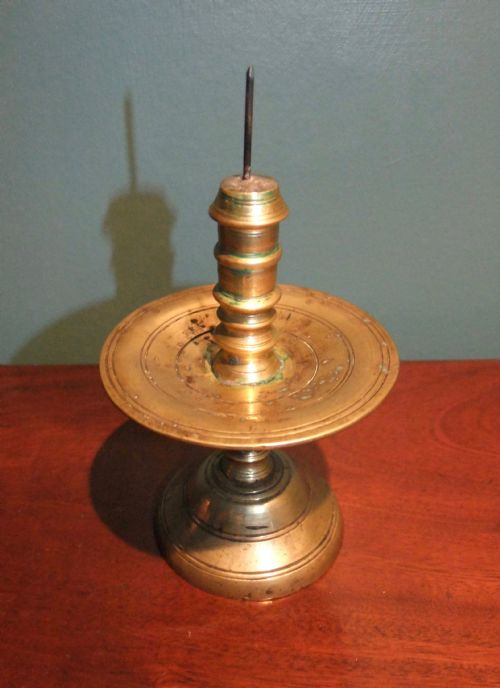


Antique Metal Pricket Holder
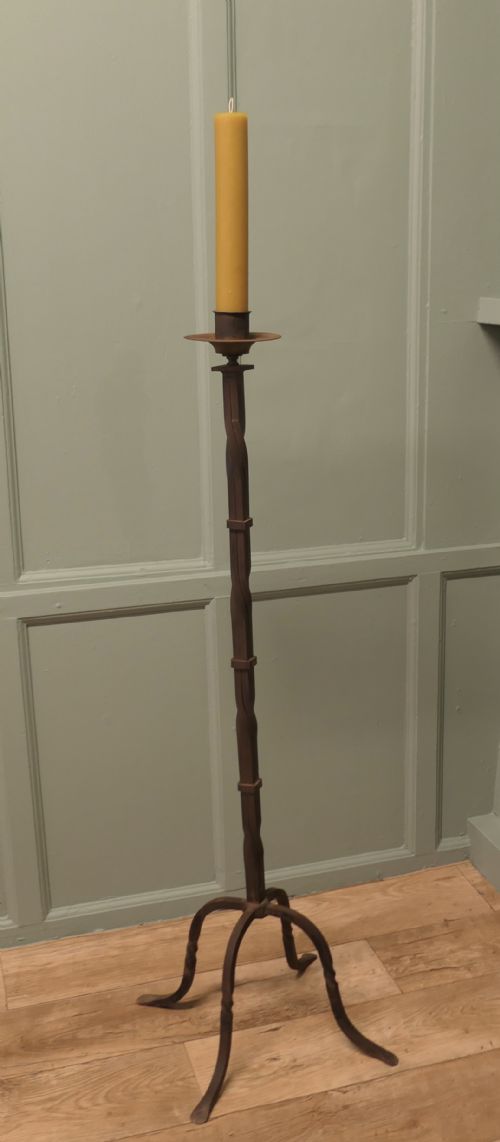
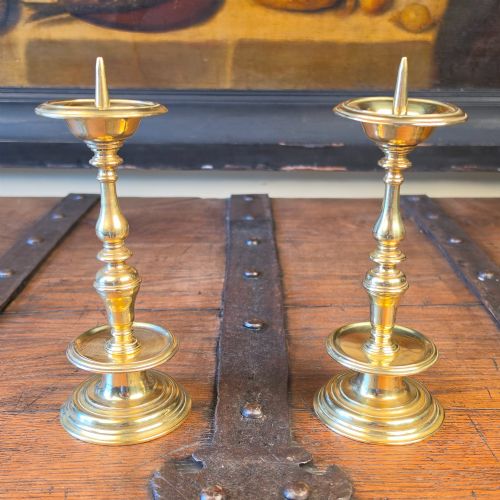
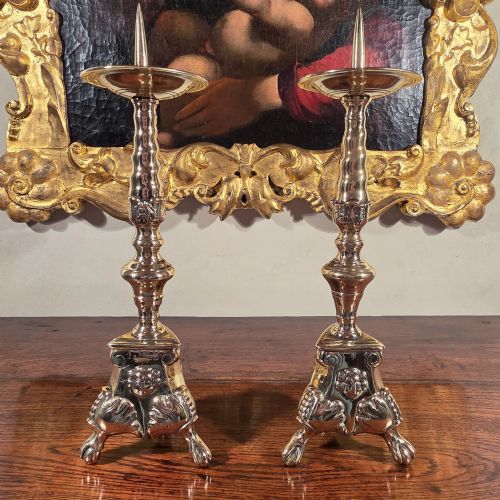
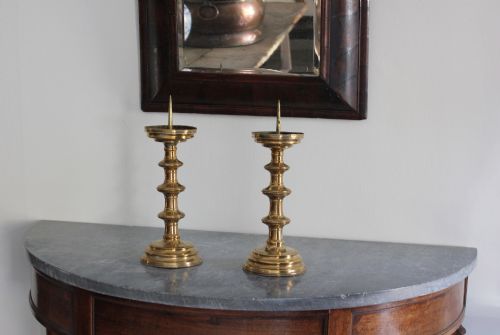
These antique metal pricket holders are solid altar and floor lights designed to spike a candle, bringing heavy period presence to a room.
Antique Metal Pricket Holder
An antique metal pricket holder is a heavy lighting piece built with an upright spike to secure a candle rather than a socket. They appear in forms such as floor candle holders, floor candlesticks, and table candlesticks spanning several centuries.
The examples gathered here run from early sixteenth century brass pairs up through seventeenth century baroque items, eighteenth century designs, and nineteenth century Gothic revival pieces. Twentieth century Dutch art deco and torcheres also appear amongst the selection.
Buyers will most frequently encounter brass and wrought iron versions on this page, often presented as pairs or occasional single stands. These objects bridge utilitarian ecclesiastical history and domestic decorative lighting.
How they were made
The construction relies heavily on cast brass and forged wrought iron, shaped into substantial bases and shafts to support large candles safely. Metal components are joined or turned to create sturdy proportions suited to heavy use.
Makers utilised traditional casting methods for brass elements, producing smooth surfaces that develop deep patination over time. Wrought iron pieces show the hammer marks and manipulation typical of blacksmith work.
Antique Metal Pricket Holder Retail Price Guide 2026
Typical asking prices for metal pricket holder among the pieces listed under this phrase on Sellingantiques today, from the lower quarter to the upper quarter. They describe what is for sale here now, not the wider market.
The listings span eight distinct periods, stretching from the sixteenth century through the art deco era of the 1930s.
What varies in quality
Quality rests in the weight of the metal and the integrity of the original construction, distinguishing heavy foundry casts from lighter reproductions. Early pieces display hand-finished details that show genuine age and tool use.
Proportion and decorative restraint dictate visual success, with simpler seventeenth century examples offering stark lines compared to ornate nineteenth century Gothic revival variants.
The Antique Metal Pricket Holder Glossary
- Pricket
- A sharp metal spike upon which a candle is impaled to hold it upright. This design predates the common socket candlestick and originates in ecclesiastical settings.
- Torchere
- A tall ornamental stand or candlestick designed to carry a light source high above the floor. These decorative pieces often feature substantial shafts and stable bases.
- Baroque
- An elaborate artistic style spanning the seventeenth and eighteenth centuries characterised by dynamic movement and rich ornamentation. In metalwork, this appears as bold scrolling and sculptural forms.
- Gothic Revival
- An architectural and decorative movement from the nineteenth century that revived medieval forms. Pieces in this style borrow heavily from ecclesiastical medieval metalwork.
Antique Metal Pricket Holder: Frequently Asked Questions
What is a pricket holder?
A pricket holder is a candlestick featuring a sharp central spike instead of a socket to hold the wax candle in place. This ancient method ensured large candles remained secure during long burns in churches and large halls.
Over the centuries, the form transitioned from strictly ecclesiastical settings into grand domestic spaces. Today, they serve as striking decorative objects that retain their historic function.
How do I date an iron candlestick?
Dating wrought iron candlesticks involves examining the forging techniques, surface texture, and stylistic markers visible in the ironwork. Earlier pieces display hand-hammered details and simple, functional silhouettes.
Later nineteenth century revivals often mimic medieval or seventeenth century styles with heavier ornamentation or machine-assisted shaping. Comparing the baseline material and assembly clues helps place the object in its correct century.
Where were these metal holders used?
These metal holders originated primarily in churches, abbeys, and large domestic halls where significant illumination was required. Floor standing models and large table versions provided steady light for rituals and gatherings.
As domestic lighting evolved, smaller brass and iron prickets found places in wealthy homes as decorative accents. They now function well on sideboards, mantels, or as floor-standing accent pieces.
How do I clean antique brass?
Antique brass requires minimal intervention to preserve the natural oxidation and dark patination accumulated over centuries. Dusting with a soft cloth is usually sufficient for daily maintenance.
Aggressive polishing strips away the historic surface character that collectors value. Gentle care ensures the metal retains its authentic age and depth of colour.