



Antique Metal Oval Mirror
An antique metal oval mirror brings reflective light and distinct period character into a room, spanning wall-mounted designs and dressing table pieces.
Antique Metal Oval Mirror
An antique metal oval mirror is a functional piece of decorative hardware designed for walls, dressing tables, and table settings. The selection includes wall mirrors, dressing table mirrors, and table centrepieces.
These items originate from various periods including Victorian, Edwardian, and the early twentieth century. Makers worked within styles such as Arts and Crafts, Rococo Revival, and Regency Style.
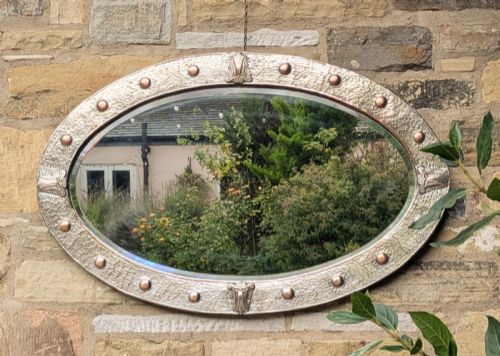
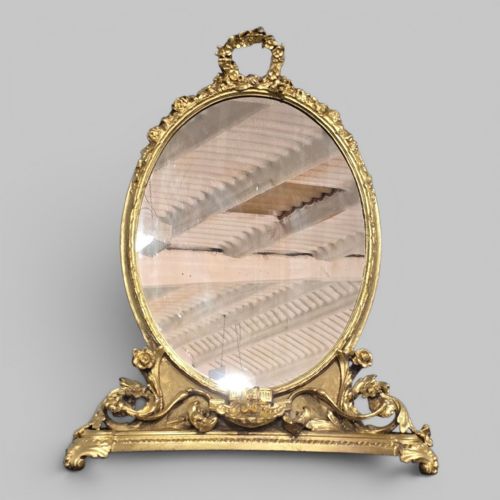
The most common forms on this page utilise brass, gilt metal, and copper frames enclosing mirrored or bevelled glass. They range from simple Edwardian wall mirrors to ornate French Rococo and Victorian dressing mirrors.
How they were made
Frames utilise metals such as brass, gilt brass, gilt metal, hammered metal, silvered metal, cast bronze, and copper. Artisans shaped these materials using techniques suited to each style.
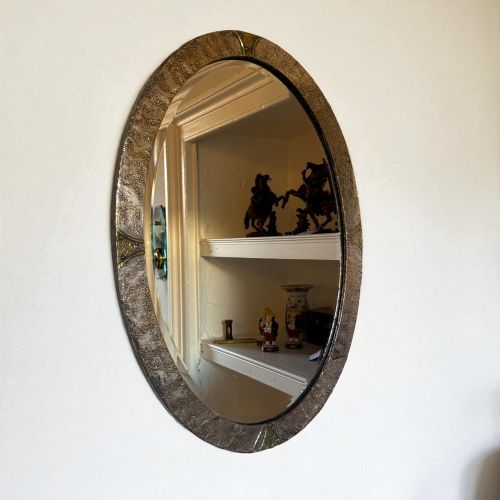
Arts and Crafts examples display hammered metal surfaces that highlight hand-working. Victorian and French pieces incorporate cast bronze and gilt metal work to achieve decorative detail.
Glass components include standard mirrored glass and bevelled glass, fitted carefully into the metal surrounds of wall and dressing table mirrors.
Antique Metal Oval Mirror Retail Price Guide 2026
Typical asking prices for metal oval mirror among the pieces listed under this phrase on Sellingantiques today, from the lower quarter to the upper quarter. They describe what is for sale here now, not the wider market.
What varies in quality
Quality depends upon the depth of detail in the metalwork and the integrity of the frame construction. Cast bronze and heavy gilt brass show greater substance than lighter plated alternatives.
The finish of the metal, whether hammered copper, silvered metal, or gilt, dictates the visual appeal. Hand-hammered Arts and Crafts frames rely on the skill of the metalworker to create texture.
Glass condition and edge treatment, particularly bevelling, influence the overall standard of the piece. Matching pairs, such as girandole wall mirrors, demonstrate a higher level of original coordination.
The Antique Metal Oval Mirror Glossary
- Bevelled glass
- Glass with an angled edge ground and polished to a specific width. This technique catches light and adds depth to the reflection.
- Girandole wall mirror
- A decorative wall mirror featuring attached candle sconces. The metal frame often incorporates arms designed to hold candles.
- Gilt metal
- Metal coated with a thin layer of gold leaf or gilt paint. This finish provides a bright, reflective golden appearance.
- Table centrepiece
- A decorative object placed in the middle of a dining table. Some 19th-century French examples combine silvered metal frames with mirrored glass.
Antique Metal Oval Mirror: Frequently Asked Questions
Where should I hang a wall mirror?
Wall mirrors suit hallways, living rooms, and above fireplaces where they can reflect light and open up the space. Hanging them at eye level ensures they function correctly as both decorative objects and practical items.
Consider the surrounding period style of your interior when choosing between an ornate Rococo frame or a simpler Arts and Crafts design.
How do I clean a metal frame?
Dust metal frames gently with a soft, dry cloth to remove everyday particles. Avoid abrasive cleaners or harsh chemicals that can strip original gilding or patina from brass, copper, and bronze.
Take care not to let cleaning liquids seep between the metal frame and the glass edge.
What is a dressing table mirror?
A dressing table mirror is a smaller glass panel supported by a frame designed to sit on top of a bureau, chest, or dressing surface. These pieces often feature adjustable stands to tilt the glass angle.
Examples from the Victorian and Edwardian periods utilise brass, gilt metal, and wood supports.
How do I identify an Arts and Crafts mirror?
Arts and Crafts mirrors feature hand-worked metal frames, typically in copper or brass, displaying visible hammer marks. The design prioritises straightforward construction over excessive ornamentation.
These pieces often date from the Edwardian era and reflect a focus on artisan craftsmanship.
Can I use a table centrepiece mirror?
Table centrepiece mirrors serve as decorative bases for dining tables, originally intended to reflect candlelight or table arrangements. Nineteenth-century French silvered metal examples provide a reflective surface for display.
They add a formal decorative element when placed in the middle of a dining or side table.