




Antique Metal Log Storage
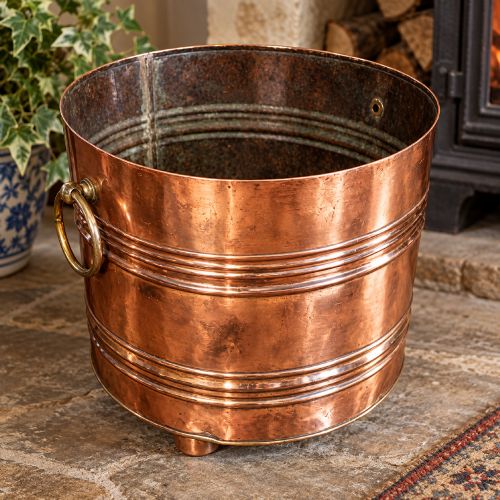
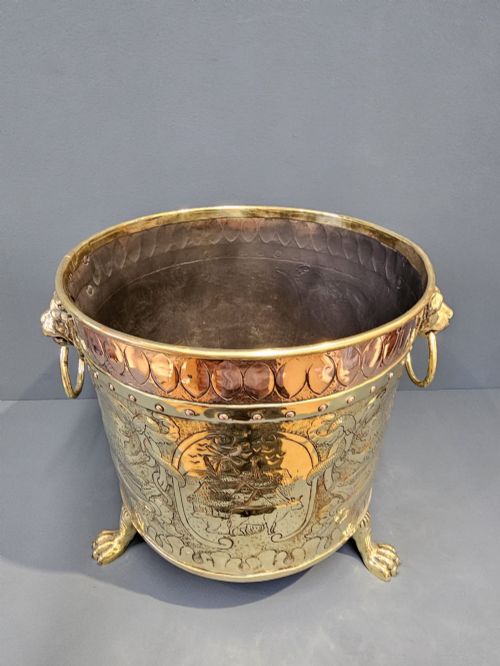
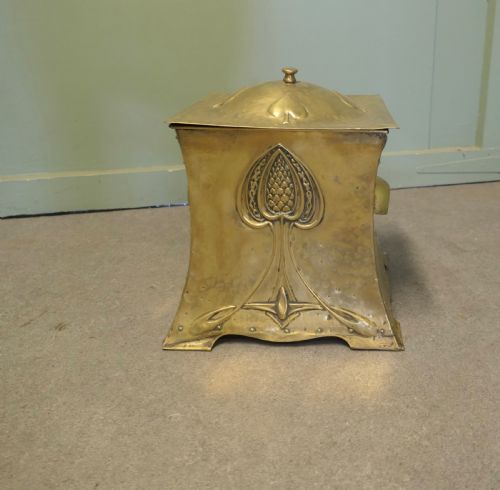
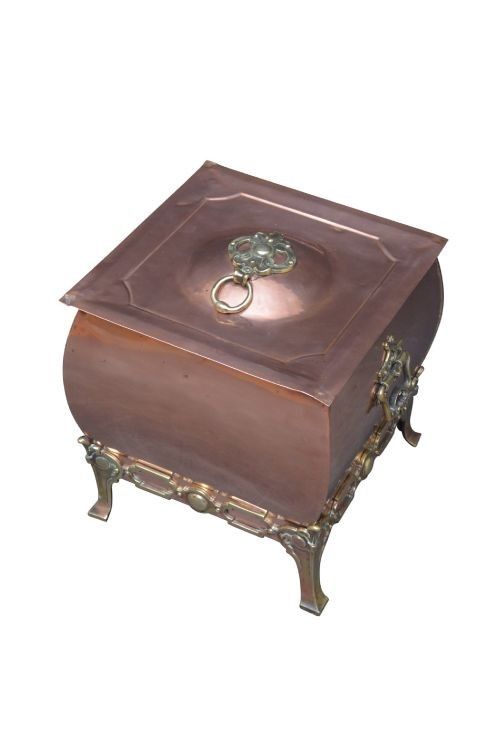
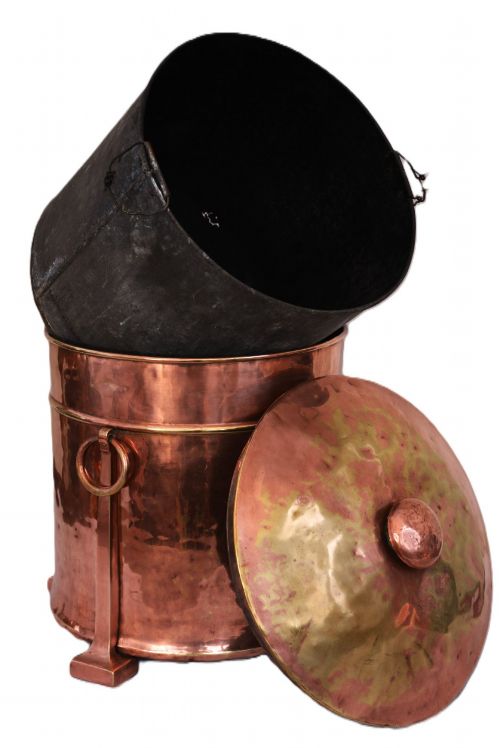
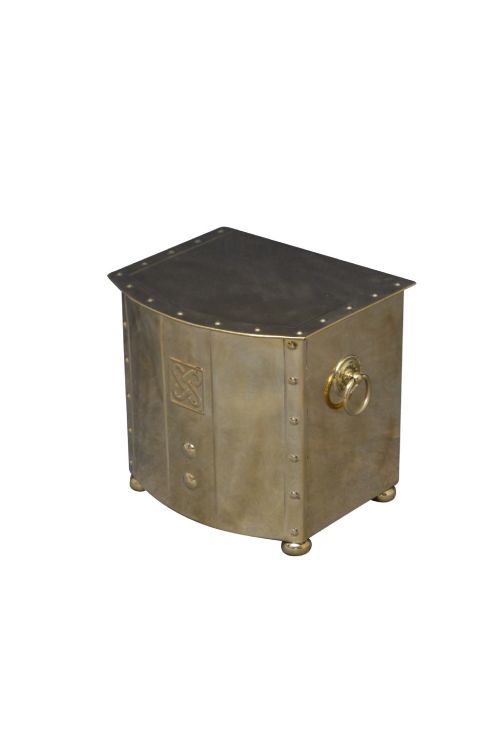
Antique metal log storage provides sturdy hearth containment for fuel, spanning Victorian coal bins to Arts and Crafts copper buckets.
Antique Metal Log Storage
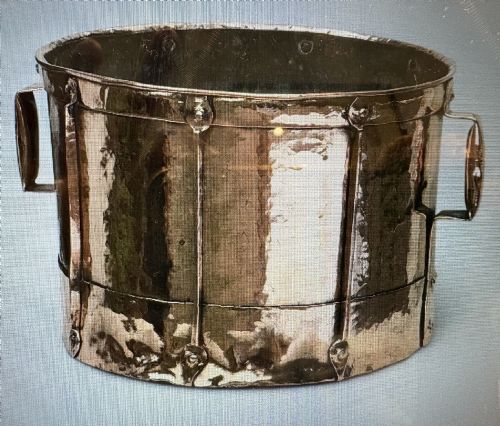
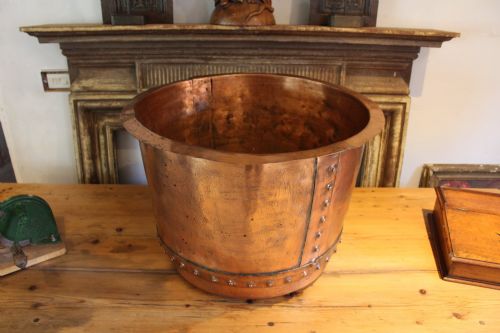
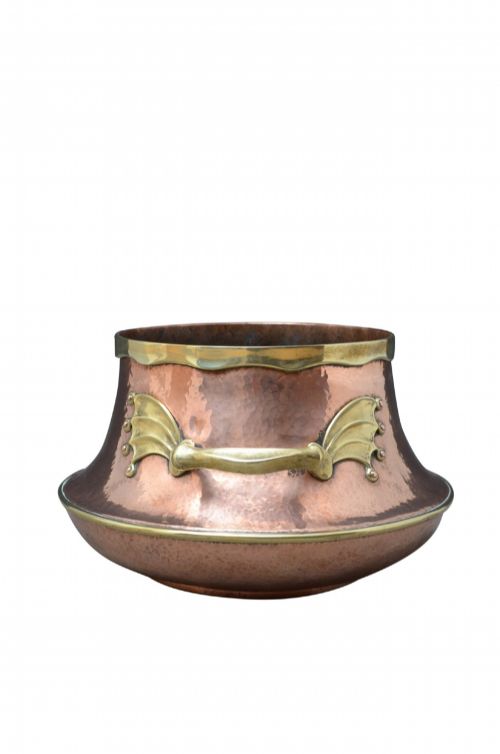
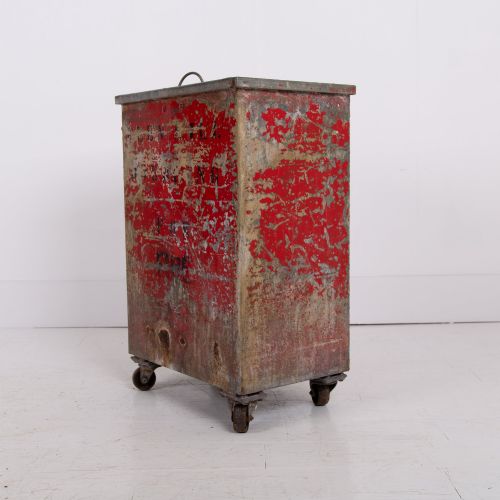
When searching for antique metal log storage, buyers encounter utilitarian vessels originally designed for coal, grain, or water repurposed for fireside fuel. The selection on this page leans heavily toward nineteenth-century Victorian and Arts and Crafts copper and brass bins, alongside industrial galvanised steel and iron pieces.
Vessels range from cylindrical log buckets and slipper boxes to wheeled bins and grain measures. Many examples double as planters and jardinières, reflecting their robust construction and metal water-holding capacity.
English, French, and Swedish origins appear frequently, bringing distinct local metalworking traditions to the domestic hearth. Pieces date primarily from the nineteenth century through the early decades of the twentieth century.
Materials and Techniques
Copper and brass dominate the material palette, often paired together with iron frames, handles, or decorative banding. Artisans formed these metals through hand-hammering, embossing, and riveting, creating durable bodies capable of withstanding heavy loads of wood.
Wrought iron and cast iron provide structural support in frames, handles, and blacksmith-made wagons. Galvanised steel and zinc appear in later industrial and utilitarian containers designed for heavy domestic or agricultural service.
Listings feature nineteenth-century copper and brass alongside galvanised steel from the nineteen-twenties.
Judging Quality
Quality rests upon the weight of the metal gauge and the integrity of the construction, such as hand-beaten surfaces versus thin machine-pressed sheets. Substantial gauge thickness prevents denting during daily hearth use.
The refinement of decorative details, including chased brass work, riveted seams, and original swing handles or iron frames, separates standard utility items from finer decorative examples.
William Soutter & Sons·Richard Arkwright Masson Mills
The Antique Metal Log Storage Glossary
- Coal scuttle
- A bucket or box designed for holding coal by the fireplace, often featuring a pivoted handle and a tapered lip for pouring. Many vintage examples now serve as log holders.
- Jardinière
- An ornamental pot or stand for plants and flowers, frequently adapted from large metal vessels like copper bins and water barrels. They bring metallic texture to interior spaces.
- Embossed
- Decorated with raised patterns pressed or hammered into the metal surface from behind. This technique adds tactile relief to copper and brass coal boxes.
- Arts and Crafts
- A design movement prioritising handcraftsmanship and simple forms over mass production. Pieces from this style often display honest construction and visible rivet details.
- Toleware
- Painted or lacquered metalware, typically tin or iron. These decorative items sometimes incorporate folk art traditions like barge work.
Antique Metal Log Storage: Frequently Asked Questions
Can I store real logs inside these metal bins?
These metal vessels were built to hold solid fuel and timber beside the fire. Their robust construction handles wood storage safely.
Check the interior dimensions to ensure larger logs fit comfortably within the specific taper or rim of the container.
How do I clean antique copper log bins?
Dust gently with a dry or slightly damp cloth to preserve the aged surface patination. Many collectors prefer the darker oxidized finish rather than a bright polished look.
Avoid harsh chemical abrasives that strip away historical surface character and wear.
Were these always meant for fireplaces?
Many items began life serving entirely different purposes, such as French grain measures, agricultural water barrels, or industrial factory bins. Their durable metal construction made them versatile enough to migrate indoors near the hearth over time.
Planters and grape hods also frequently transition into fireside storage roles.
How do I date a Victorian copper log bucket?
Examine the construction methods, such as hand-beaten hammer marks, dovetailed or riveted seams, and iron fittings. Victorian and Arts and Crafts examples often feature distinct decorative embossing styles and heavy brass drop handles.
Associated maker marks or stamps, when present, help narrow down the decade of production.