







Antique Metal Lidded Box
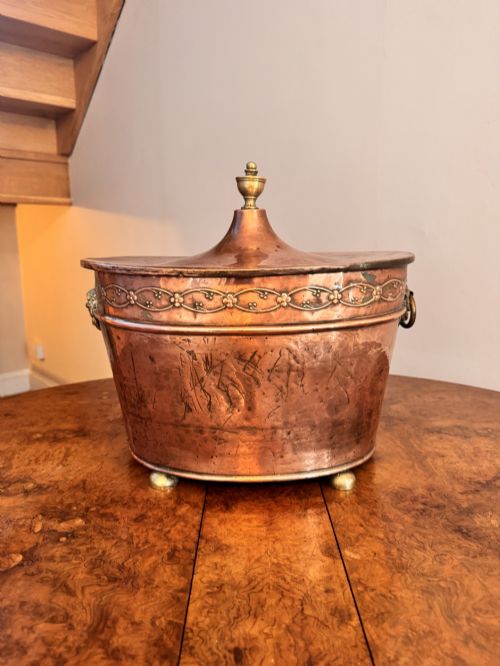
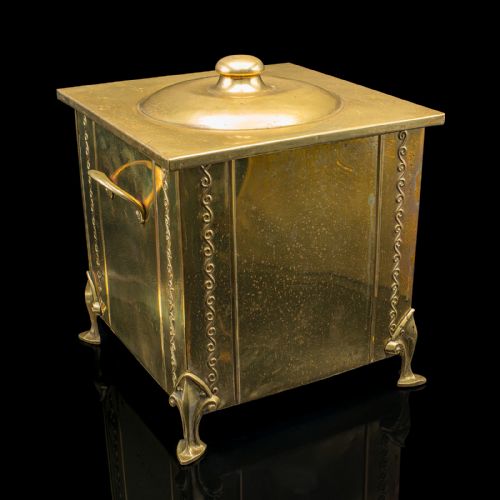
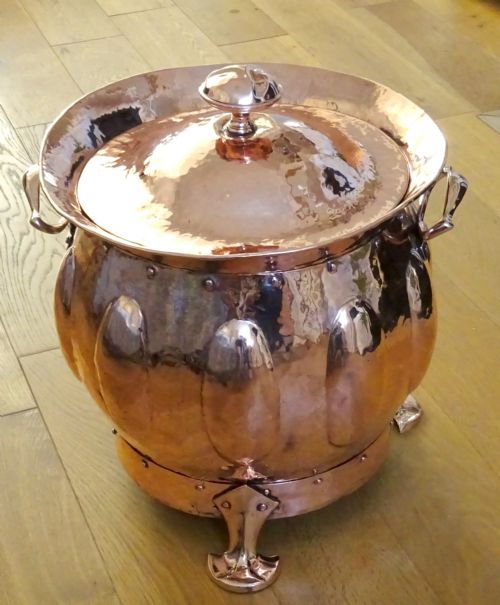
These antique metal lidded box examples range from delicate trinket receptacles to robust fireside fuel stores, offering both practical utility and decorative charm for your interior.
Antique Metal Lidded Box
An antique metal lidded box serves multiple domestic functions, encompassing everything from dainty jewellery and cigarette caddies to substantial coal scuttles and log bins. You will encounter forms spanning the Victorian, Edwardian, Art Nouveau and Art Deco periods, alongside Japanese Meiji and Edo period vessels.
The materials vary widely across the selection, featuring brass, copper, pewter, silver plate and bronze, frequently combined with glass, enamel or painted finishes. Smaller tabletop trinket boxes sit alongside floor-standing fireside containers and kitchen tea caddies.
Origin and style dictate the character of each piece, with English, continental European and Asian craftsmanship all represented. Whether you seek a decorative centrepiece or a functional storage container, these lidded receptacles reflect the aesthetic priorities of their respective eras.
How they were made
Metals such as brass, copper and bronze were cast, hammered or chased to form the primary body and secure lid of each vessel. Artisans utilised techniques like cloisonné enamel, silver plating and mixed metal inlay to add surface decoration and colour.
Many examples incorporate secondary materials, mounting glass bodies in silver-plated collars or setting enamel panels into pewter frames. Structural elements like hinges and handles were typically hand-riveted or soldered onto the main container.
Antique Metal Lidded Box Retail Price Guide 2026
Typical asking prices for metal lidded box among the pieces listed under this phrase on Sellingantiques today, from the lower quarter to the upper quarter. They describe what is for sale here now, not the wider market.
Materials span base metals like brass and copper, precious silver plate, and decorative additions of glass and enamel.
What varies in quality
The standard of craftsmanship is evident in the precision of the metalwork, the weight of the material and the smoothness of the lid closure. Superior items display crisp chasing, well-fitted hinges and integrated decorative elements rather than mass-produced uniformity.
Artistic ambition separates ordinary utility items from exceptional decorative pieces, particularly in items featuring hand-applied cloisonné enamel or mixed metal work. The integrity of surface finishes, whether patinated bronze or fire-gilt bronze, indicates the initial cost and skill involved.
THOMAS BRADBURY·W.M.F.·Liberty & Co
The Antique Metal Lidded Box Glossary
- Cloisonné
- A technique where enamel is applied to compartments created by soldering wire onto a metal base. This method produces intricate coloured patterns seen on Japanese and European vessels.
- Chasing
- A metalsmithing method where the metal is hammered from the front to sink the surface and create a low relief design. It gives texture and detail to the lids and bodies of boxes.
- Spelter
- An alloy of zinc and lead often used as a substitute for bronze in decorative metalwork. It takes patination well and was common in Victorian and Art Nouveau decorative objects.
- Tea caddy
- A small container designed originally to store loose tea leaves securely. They often feature internal compartments and lockable lids.
- Biscuit barrel
- A lidded jar used for storing dry biscuits at the dining table. These vessels typically combine a ceramic or glass body with metal mounts and a swing handle.
Antique Metal Lidded Box: Frequently Asked Questions
What were antique metal lidded boxes used for?
These boxes served numerous domestic purposes depending on their scale and material. Small vessels held jewellery, trinkets or cigarettes, while larger containers stored tea or biscuits.
Fireside versions managed fuel like coal or logs. Their primary role was both practical containment and decorative display within the home.
How do I care for antique metal boxes?
Maintenance depends entirely on the specific metal and surface finish of the box. Unlacquered brass and copper benefit from occasional gentle cleaning to manage tarnish, whereas silver plate requires appropriate polish.
Enamel panels and painted surfaces need only dusting with a soft cloth to prevent scratching. Avoid abrasive cleaners that can strip original patination or delicate mixed metal inlays.
How do I identify Art Nouveau metal boxes?
Art Nouveau pieces typically feature organic motifs, flowing asymmetrical lines and stylised floral patterns. You will often see whip-lash curves and depictions of women, insects or natural flora.
These designs frequently appear on copper, brass and pewter boxes produced around the turn of the twentieth century. Enamel inserts are also characteristic of this decorative movement.
What is Japanese Meiji metalwork?
Meiji period metalwork dates from the late nineteenth century and is renowned for exceptional technical refinement. Artisans utilised sophisticated patination methods and mixed metal applications.
Lidded bowls and gourds from this era often display cloisonné enamel or intricate bronze work featuring silver and gold highlights. These pieces reflect a high point in Japanese decorative arts.