
Antique Metal Garden Furniture
Antique metal garden furniture brings enduring structure to outdoor spaces through heavy cast iron, strapwork, and weathered finishes.
Antique Metal Garden Furniture
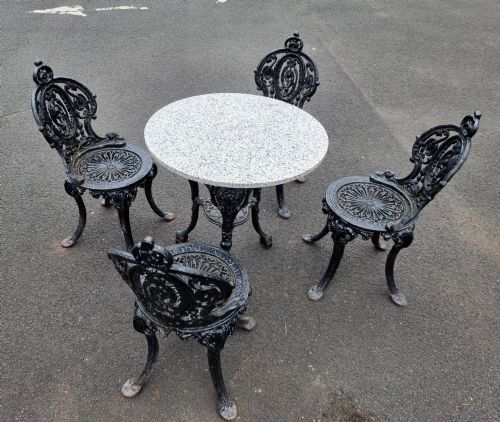
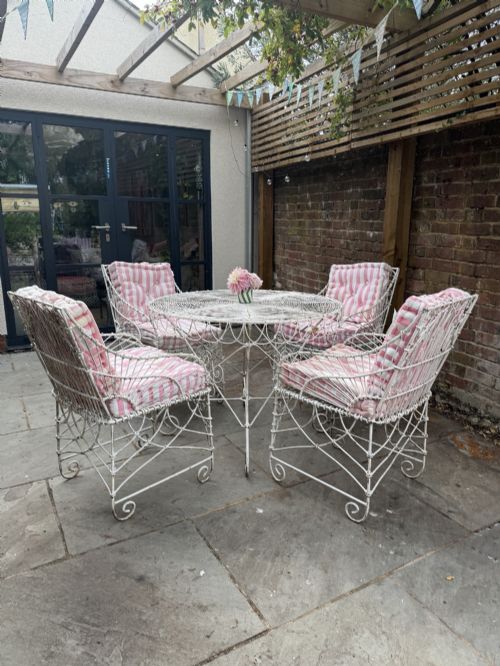
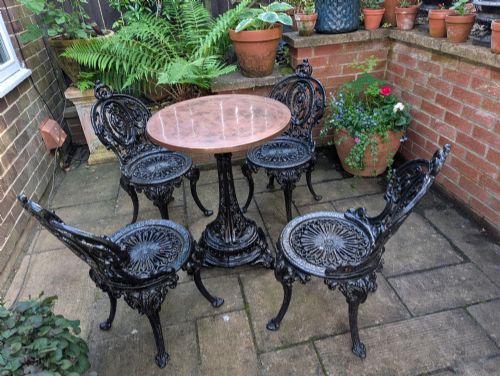
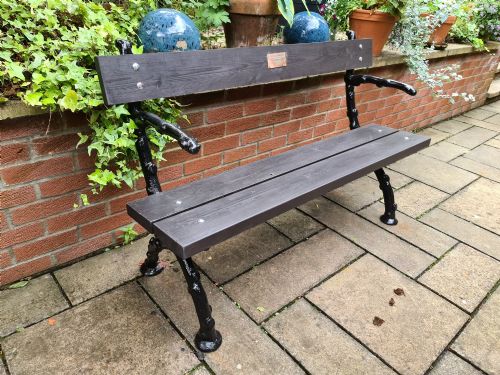
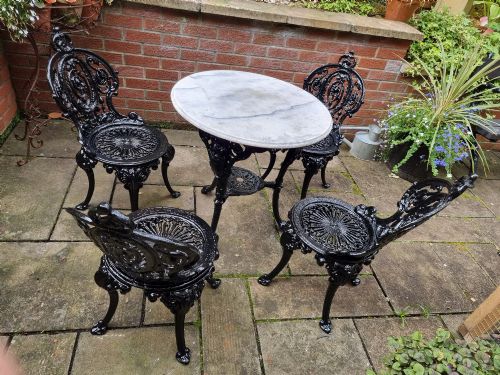
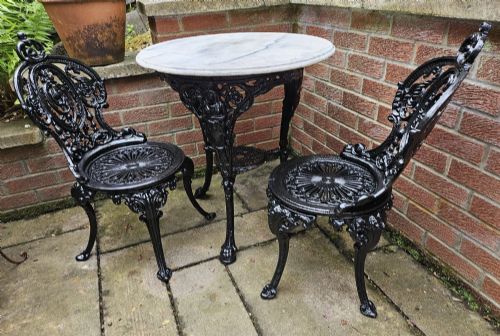
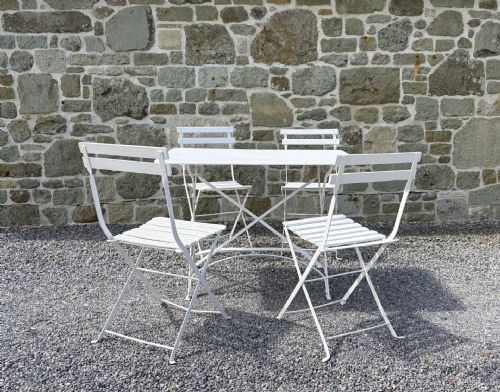
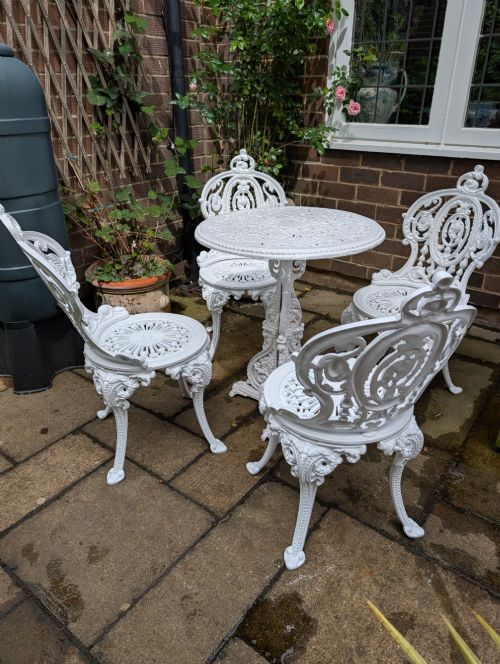
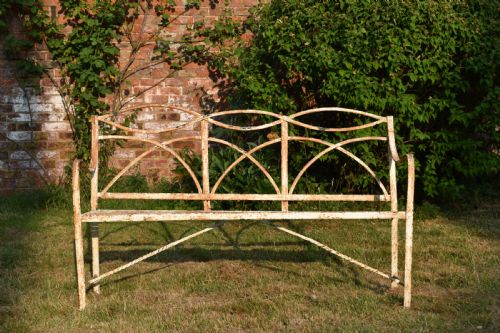
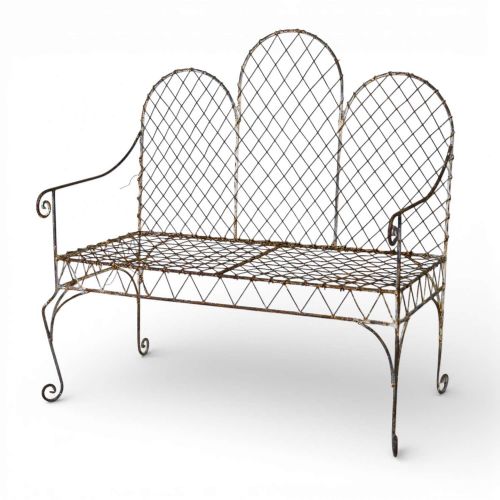
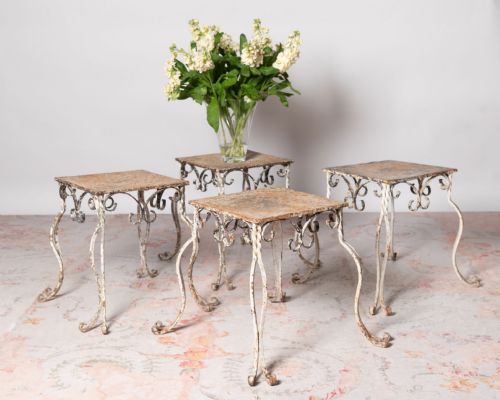
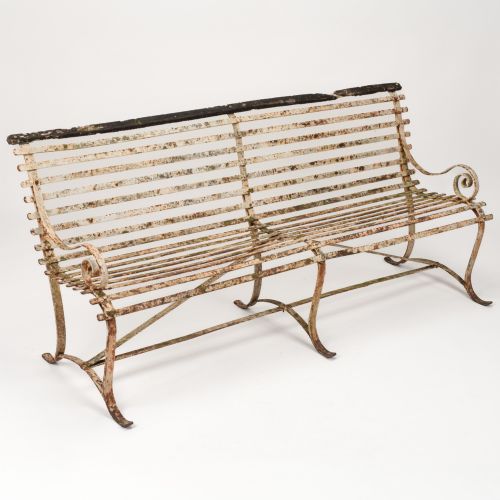
Antique metal garden furniture comprises seating, tables, and plant stands designed for outdoor use, predominantly spanning the nineteenth century through the early decades of the twentieth. You will frequently encounter Victorian cast iron benches, French dining sets, and Regency strapwork seating across these listings.
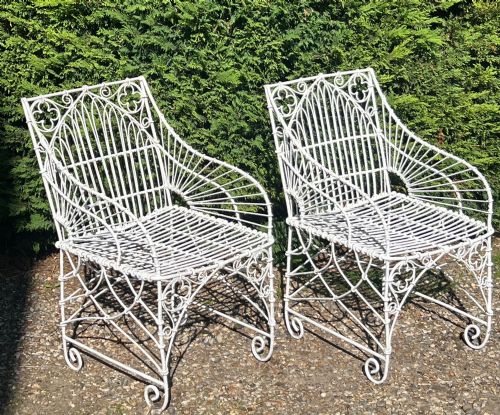
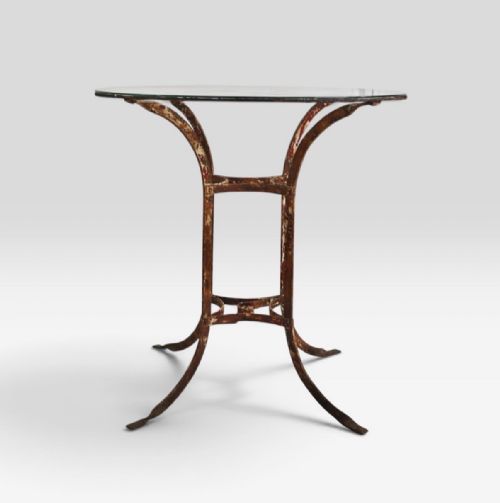
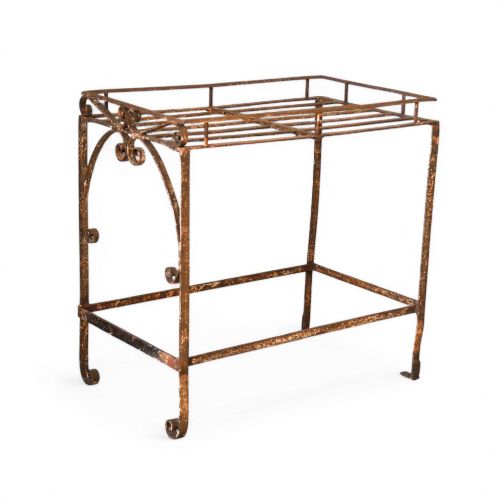
The forms range from heavy garden tables and matching chairs to specialised pieces like plant stands, garden loungers, and benches featuring canopies or lion mask arms. These objects combine utilitarian outdoor function with the decorative ironwork styles of their respective periods.
How they were made
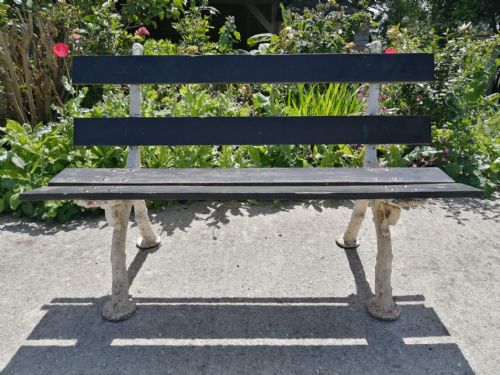
Foundries utilised cast iron and wrought iron to form durable frames, intricate backs, and sturdy table bases, often combining the metal with timber slats on seats and tabletops. Structural elements were shaped through forging or casting, creating robust pieces designed to withstand exposure to the elements.
Surface treatments typically involved layers of paint applied to protect the metal from corrosion while defining the decorative character of the piece. Artisans incorporated distinct stylistic details such as strapwork, faux bois textures, and Gothic-influenced tracery directly into the metalwork.
A few hardy chairs even come equipped with rocking capabilities for restless outdoor readers.
What varies in quality
The refinement of the casting and the crispness of decorative detailing separate standard utility pieces from exceptional examples. Finer items exhibit deeply articulated motifs, balanced proportions, and careful integration of structural elements like strapwork or faux bois bark texture.
The integrity of the material and the survival of original or early surface paint significantly influence the character of each piece. Heavier gauge ironwork and complete matching sets command greater interest due to their substantial presence and functional completeness.
Coalbrookdale·Christopher Dresser·Arras
The Antique Metal Garden Furniture Glossary
- Cast iron
- A sturdy ferrous metal poured into moulds to create intricate, rigid forms and decorative garden furniture frames. It provides the heavy structure seen in many Victorian benches and table bases.
- Wrought iron
- Iron beaten and heated by hand into strong, pliable shapes rather than poured into a mould. This technique enables the flowing lines found in strapwork benches and garden racks.
- Strapwork
- An ornamental pattern of flat, interlaced bands resembling leather straps. It defines the open, geometric aesthetic characteristic of Regency iron garden seating.
- Faux bois
- A decorative technique mimicking the natural texture and grain of wood bark. Victorian makers applied this style to cast iron furniture to blend industrial materials with rustic garden aesthetics.
Antique Metal Garden Furniture: Frequently Asked Questions
How do I care for antique metal garden furniture?
Keep the metal clean and dry, addressing any surface rust promptly with gentle brushing and protective coatings.
Store pieces under cover during harsh winter weather to preserve the painted finish and structural integrity.
Can these pieces stay outside all year?
Many cast iron and wrought iron items withstand outdoor conditions well, though prolonged exposure accelerates paint wear and rust formation.
Protecting pieces with breathable covers or moving them into sheltered areas during winter extends their lifespan.
How do I identify a Regency iron bench?
Regency pieces often feature characteristic wrought iron strapwork, geometric patterns, and lighter structural lines compared to later Victorian designs.
Look for early nineteenth-century construction methods and minimalist frames that reflect classical restraint.
What is the difference between cast and wrought iron?
Cast iron is poured into moulds, resulting in heavier, more rigidly detailed components like ornate bench backs and table bases.
Wrought iron is worked by hand while hot, producing flexible, linear elements ideal for strapwork and scroll designs.