



Antique Metal Elephant
An antique metal elephant brings centuries of craftsmanship into a room, offering functional vessels and decorative figures cast in bronze, brass, and copper.
Antique Metal Elephant
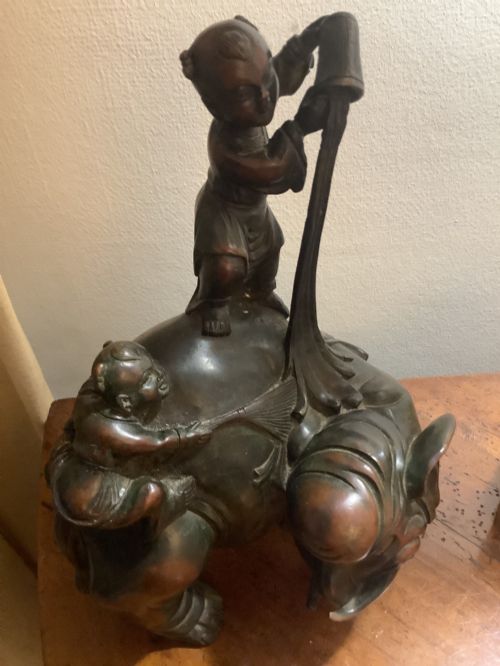
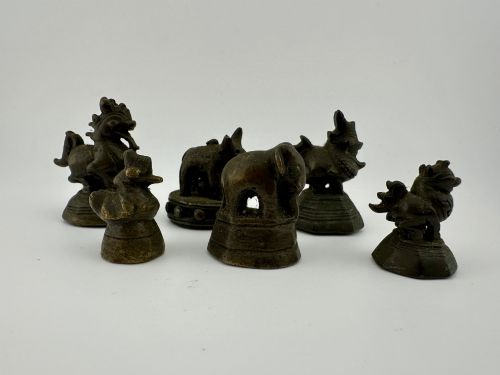
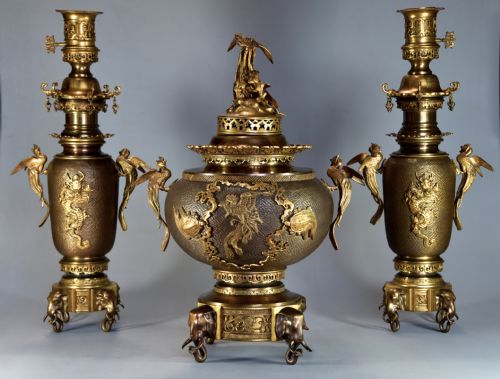
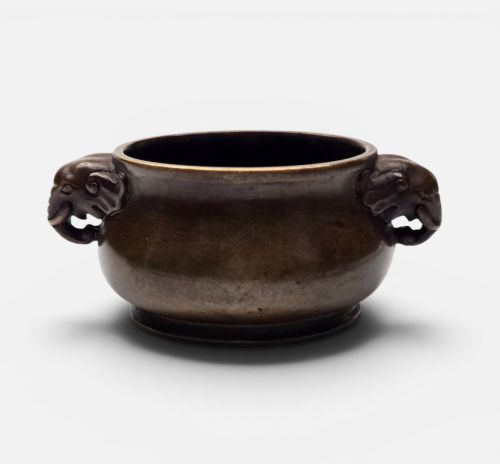
When you search for an antique metal elephant, you encounter diverse forms ranging from Chinese censers and Japanese vases to European bookends and doorstops. The pieces on this page span several centuries, with a strong representation of nineteenth-century Japanese bronze vessels and Indian brass decorative items.
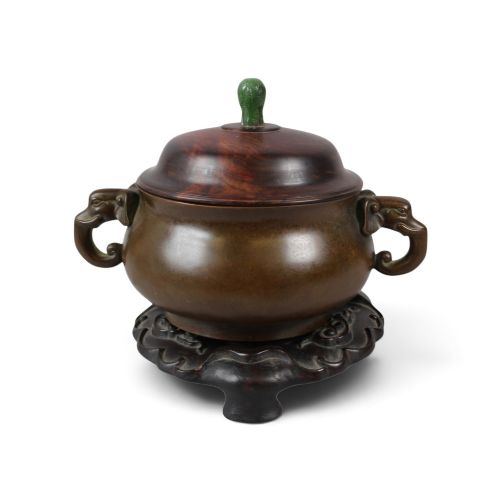
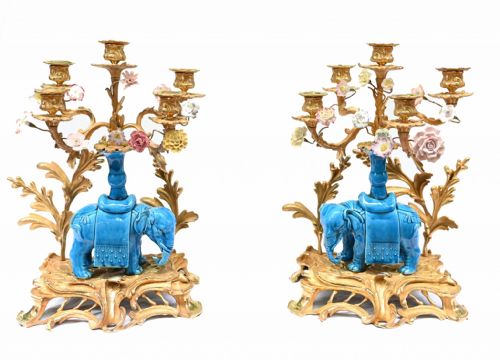
Makers utilised various metals including patinated bronze, gilt bronze, copper, and brass to shape these animals into utilitarian objects and display pieces. You frequently find elephants integrated into larger designs, such as vase handles, incense burners, and the bases of bells or bookends.
Origins stretch across Asia and Europe, reflecting distinct regional styles like Meiji period Japanese metalwork, Chinese archaistic bronzes, and Anglo-Indian designs. These pieces combine sculptural representation with functional roles in domestic interiors across different periods.
Judging quality in metal figures
The integration of secondary materials like enamel, jade, or mixed metals distinguishes standard production from finer workshop output. Preservation of the original patination and the presence of custom fittings, such as fitted hardwood stands, indicate higher standing.
Antique Metal Elephant Retail Price Guide 2026
Typical asking prices for metal elephant among the pieces listed under this phrase on Sellingantiques today, from the lower quarter to the upper quarter. They describe what is for sale here now, not the wider market.
Listings span from the seventeenth century to the twentieth century, with nineteenth-century Victorian and Meiji period Japanese bronzes appearing frequently.
Genryusai Seiya·Hunter and Palmer
The Antique Metal Elephant Glossary
- Censer
- A vessel used for burning incense. These often incorporate elephant-head handles or sculptural elephant forms.
- Jardiniere
- A large decorative pot or planter designed to hold plants. Examples in this category are cast in bronze or hand-engraved brass.
- Champlevé
- An enamelling technique where troughs are dug into the metal surface and filled with enamel colour before firing. This method decorates certain Chinese bronze vases.
- Meiji Period
- A Japanese historical era lasting from 1868 to 1912, noted for highly refined bronze casting and mixed metal vessels.
Antique Metal Elephant: Frequently Asked Questions
What were antique metal elephants used for?
Many of these pieces served practical functions in domestic and scholarly settings, operating as incense burners, vases, opium weights, or doorstops.
Other items functioned purely as decorative sculptures, bookends, or garniture sets designed to display the metalworker's skill.
How do I identify a Meiji period bronze?
Meiji period Japanese bronzes typically display precise casting, controlled patination, and intricate surface details such as mixed metal accents.
They often take the form of baluster urns, vases, or sculptural figures created during the late nineteenth and early twentieth centuries.
Where were brass elephant jardinières made?
Brass jardinières and planters with elephant motifs frequently originate from India, particularly during the late nineteenth-century Raj period.
These items often feature distinctive hand-engraved patterns across the brass surface.
How should I clean antique bronze?
Antique bronze requires minimal intervention to preserve its original patination and aged surface character.
Dusting with a dry, soft cloth is usually sufficient, avoiding harsh metal polishes that can remove historical patinas.