



Antique Metal Door Knocker
An antique metal door knocker transforms an entrance with character, offering heavy brass, bronze, or iron shaped by hands long gone.
Antique Metal Door Knocker
An antique metal door knocker serves as functional entrance hardware, appearing in forms ranging from simple rings to elaborate figural sculptures. When you search for an antique metal door knocker, you encounter items designed to announce visitors through solid mass and striking sound.
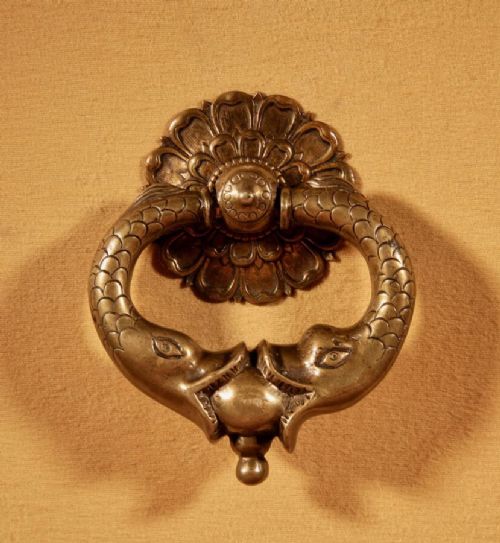
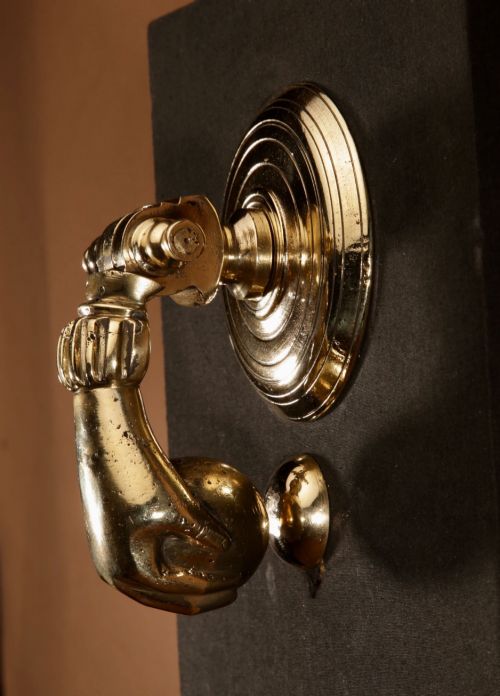
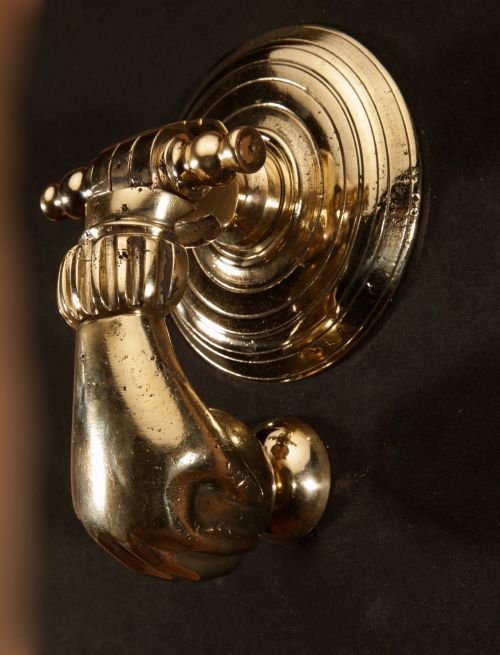
The pieces on this page span the 18th century, the 19th century, the Victorian era, and the mid-twentieth century. Most examples you meet here are cast in brass, bronze, or cast iron, taking shapes such as hands, lions, dolphins, and serpents.
Continental, Regency, and Georgian styles sit alongside Victorian designs. You find both complete assemblies with striking plates and individual knockers intended for direct mounting.
How they were made
Foundry work relies on casting molten metal into sand or lost-wax moulds, a method that captures intricate details like scales, feathers, and fingers. Makers utilised brass and bronze for durability and a rich appearance, alongside robust cast iron for heavier duty applications.
A sea serpent waits silently by the threshold, proving that Victorian ironmongers enjoyed startling unsuspecting guests.
What varies in quality
The definition in the casting separates a mediocre piece from a superior one, as crisp tooling reveals the hand of a skilled artisan rather than a hurried production. Heavier weight and solid construction indicate substantial metal content rather than thin hollow shells.
Surface patination develops naturally over decades, showing deep tones and wear patterns that machine-aged replicas cannot imitate. The integrity of the pivot mechanism and the matching of the original striking plate complete the measure of a fine piece.
Kenrick & Sons
The Antique Metal Door Knocker Glossary
- Striking plate
- The metal plate mounted on the door face where the knocker hits, protecting the timber from repeated impacts. It often matches the decorative style of the knocker itself.
- Doctors knocker
- A specific pattern featuring a hinged upper hammer and a fixed lower mounting, historically used so visiting physicians could be identified swiftly by staff. It remains a classic Georgian and Victorian form.
- Patina
- The surface sheen and colour acquired by metal through age, handling, and oxidation. A genuine patina provides depth and warmth that distinguishes old metal from modern finishes.
- Lost-wax casting
- A historic method where a wax model is melted out and replaced with molten metal. This technique allows for complex figural shapes like hands, serpents, and ram heads.
- Chasing
- The manual finishing of a metal casting using small hammers and punches to sharpen details and remove surface blemishes. Fine chasing elevates a utilitarian object into decorative art.
Antique Metal Door Knocker: Frequently Asked Questions
How do I mount a heavy door knocker safely?
Heavy brass and bronze knockers require secure through-bolts rather than simple wood screws to bear the weight and the repeated shock of use. Ensure the fixings match the period of the door and do not pinch the pivoting joint.
Check the thickness of your timber before purchasing, as older bolts may need adjustment to fit modern insulated doors without causing damage.
Can I polish my antique brass knocker?
Polishing removes the accumulated dark patina that tells the age of the piece, so many collectors prefer to leave the surface untouched. A gentle wipe with a soft cloth removes surface dust without stripping the character.
If you choose to polish, use a mild cream and avoid harsh abrasives that wear away the fine cast details and sharp edges of the design.
What is the difference between a doctors knocker and a standard ring?
A doctors knocker splits into two parts, with a fixed lower post and a hinged upper knocker that strikes it directly. Standard ring or figural knockers pivot from a single top mount and strike the door or a backplate.
This functional split allowed medical practitioners to have a distinct sound that alerted households instantly, whereas standard knockers served general visitors.
How do I date a cast iron or bronze knocker?
Dating relies on stylistic clues like Regency neoclassical lines, Victorian naturalism, or Georgian proportions combined with the manufacturing marks left by the foundry. Sand-cast surfaces often show slight irregularities that modern automated casting smooths away.
Comparing the bolt fixings and the wear patterns around the pivot point also helps determine whether a piece dates from the nineteenth century or later.