


Antique Metal Cups
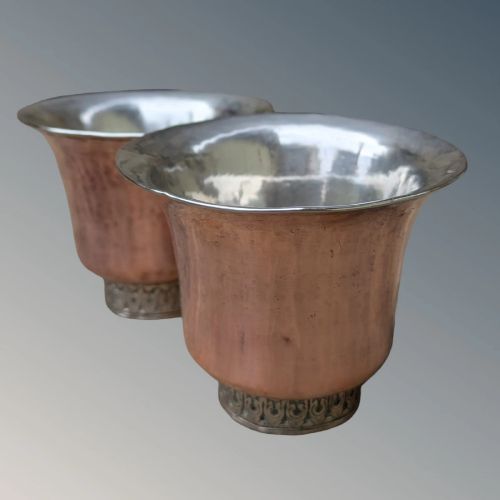
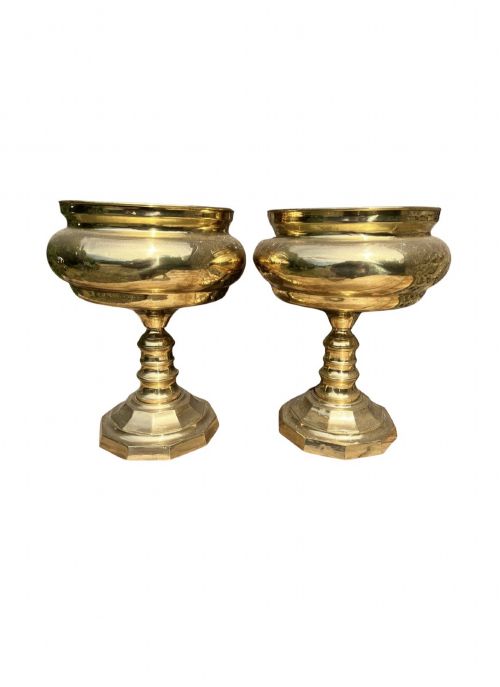
These antique metal cups combine functional vessels and decorative forms spanning multiple centuries in copper, pewter, silver, and bronze.
Antique Metal Cups
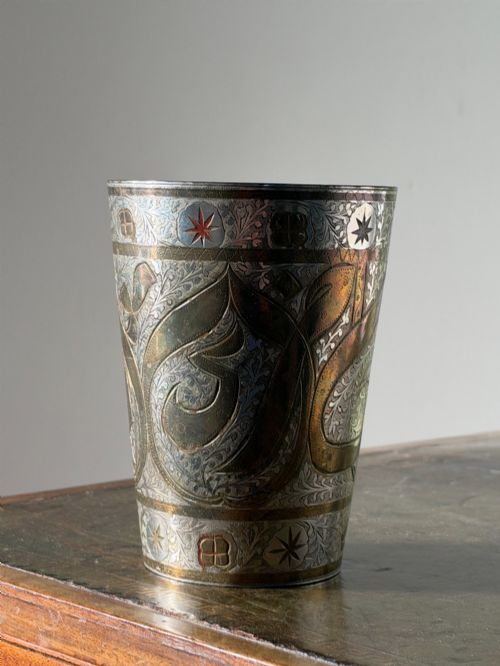
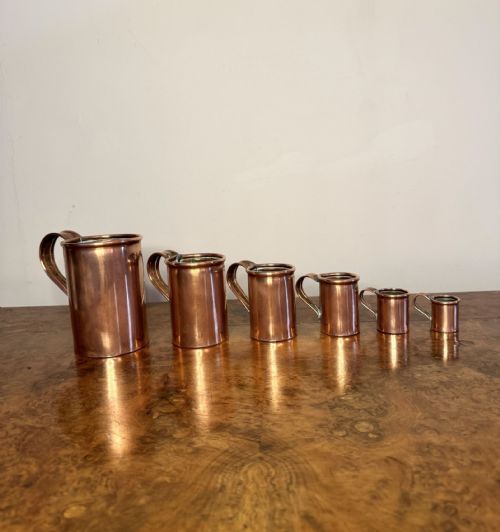
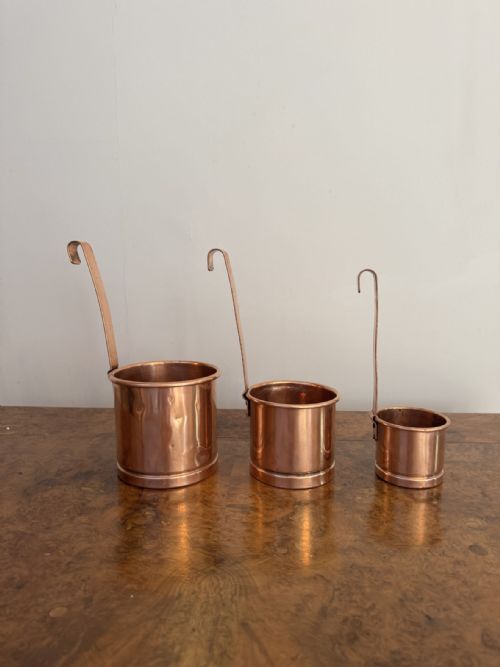
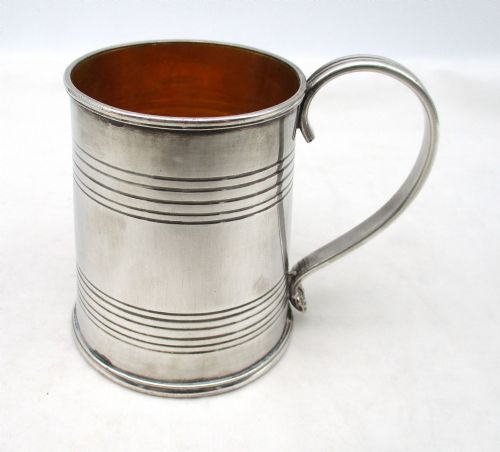
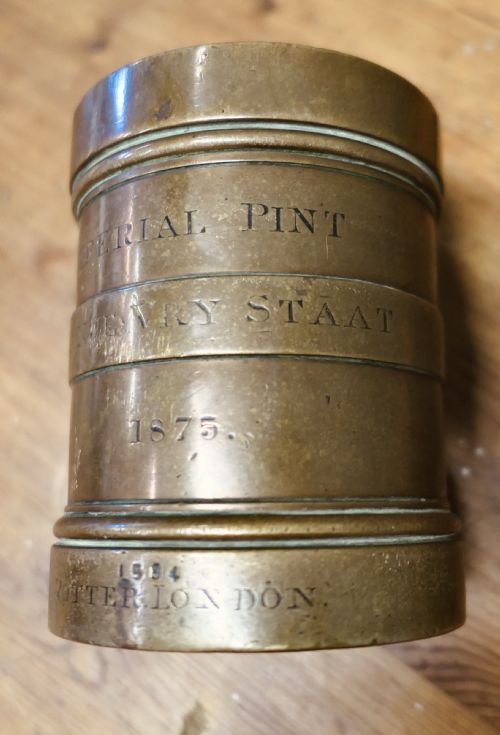
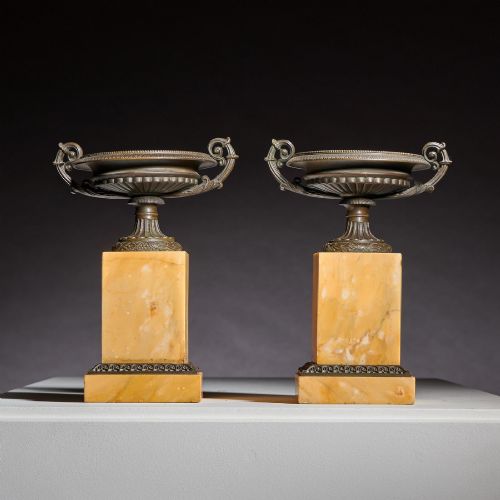
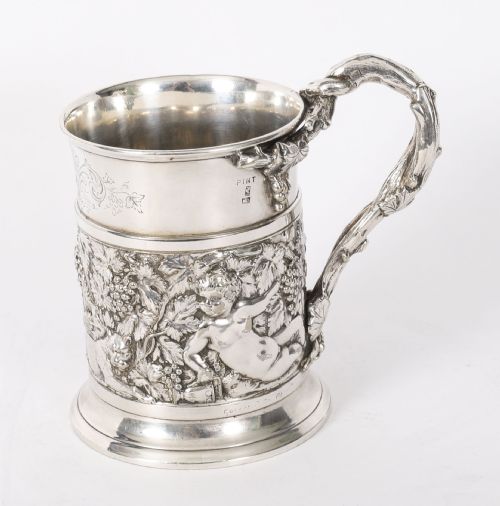
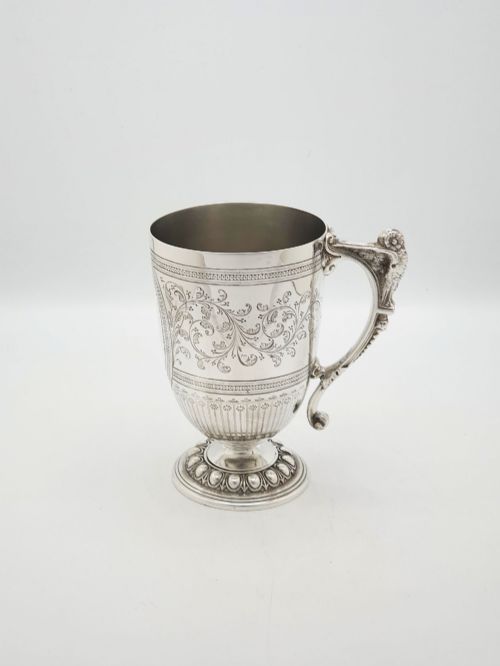
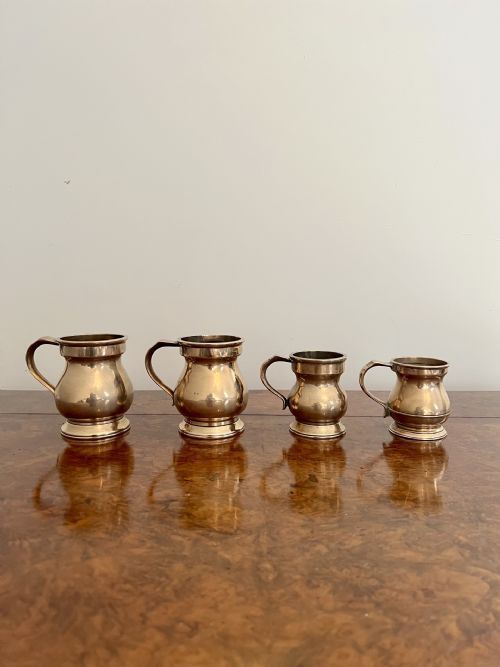
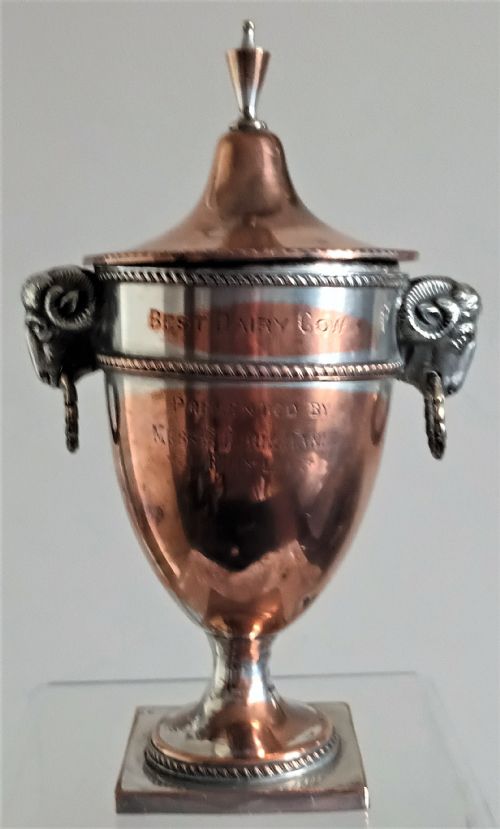
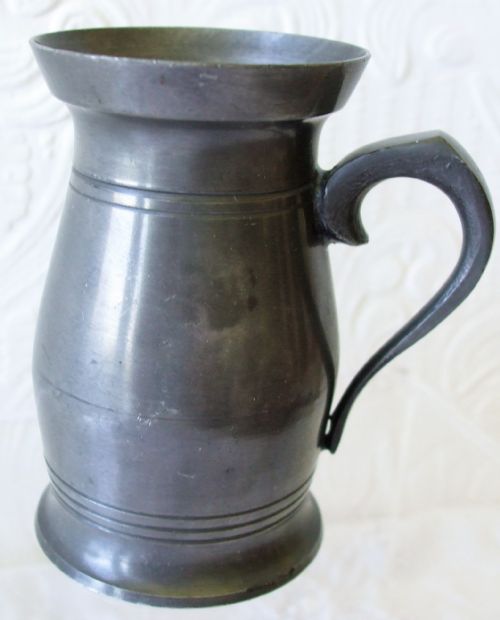
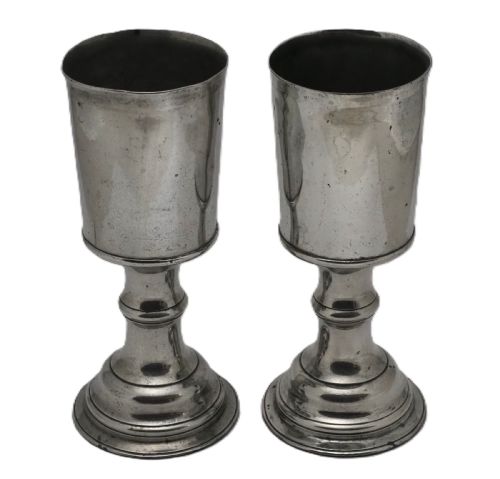
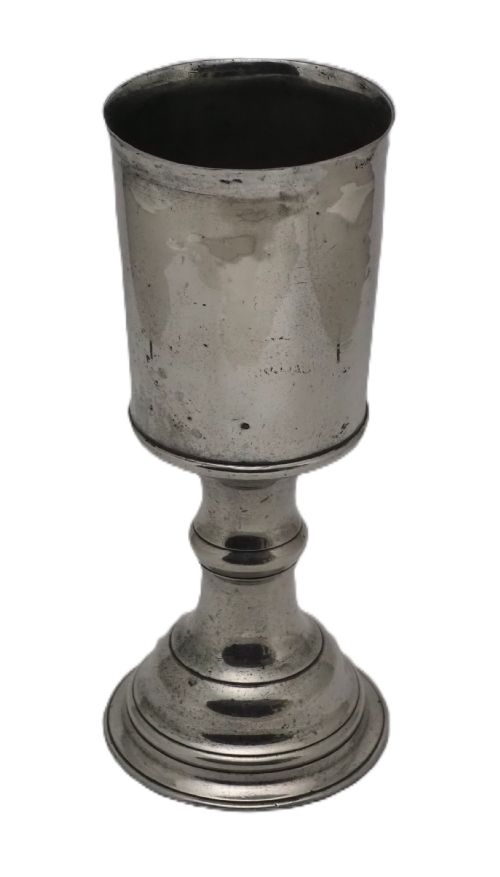
The most common examples on this page are Victorian copper measures and silver-plated tankards, alongside eighteenth-century pewter chalices and nineteenth-century bronze Grand Tour trophies. These items reflect both everyday utilitarian service and grand decorative arts traditions across British, European, and Asian origins.
How they were made
The physical construction relies heavily on casting, hammering, and spinning various metals including copper, brass, pewter, and silver plate over copper blanks like Old Sheffield Plate. Makers shaped these materials into robust forms such as tankards, beakers, and measures, frequently adding cast handles or applied decorative mounts.
Surface decoration involves techniques like embossing, engraving, and gilding, alongside detailed enamelling in cloisonné pieces. Workshops also combined metals with other materials, mounting bronze vessels onto marble bases or pairing silver with cherry wood.
Antique Metal Cups Retail Price Guide 2026
Typical asking prices for metal cups among the pieces listed under this phrase on Sellingantiques today, from the lower quarter to the upper quarter. They describe what is for sale here now, not the wider market.
Materials represented include copper, pewter, bronze, brass, silver, and cloisonne enamel.
What varies in quality
Quality rests in the crispness of the chased or embossed detail and the structural integrity of joints, handles, and feet. Superior examples display balanced proportions, clean soldering, and careful finishing rather than heavy wear or clumsy repairs.
The distinction between standard utility items and finer pieces often lies in the thickness of the metal sheet, the weight of the casting, and the skill involved in any surface engraving or applied ornamentation.
Potter of London·G R Collis·Picards·Kayserzinn
The Antique Metal Cups Glossary
- Tankard
- A tall drinking vessel with a single handle, typically featuring a hinged or open lid and a cylindrical body.
- Chalice
- A stemmed sacramental cup designed for drinking wine, often set upon a wide, supportive foot.
- Tazza
- A shallow saucer-like ornamental cup or dish mounted upon a stem and foot, originating from Renaissance forms.
- Old Sheffield Plate
- A composite material formed by fusing a thin layer of silver to a thicker copper base, common before electroplating.
- Pewter
- A malleable alloy primarily composed of tin, used historically for tableware, measures, and drinking vessels.
Antique Metal Cups: Frequently Asked Questions
What were antique metal cups used for?
These vessels served diverse roles ranging from household measurement and daily drinking to religious communion and commemorative display.
Many examples functioned as tavern measures for ale, while others were created as christening gifts or decorative souvenirs for travellers.
How do I clean antique metal cups?
Cleaning depends entirely on the specific metal composition and historical surface finish of the piece.
Pewter and silver plate require gentle specialised polishes, whereas patinated copper or bronze often benefits from minimal intervention to preserve its age.
How can I tell the period of a metal cup?
Dating relies on observing manufacturing marks, stylistic traits, and the physical characteristics of the metal.
Georgian and Victorian pieces often show specific capacity stamps, maker hallmarks, or stylistic revivals such as Gothic and Classical motifs.
Are pewter cups safe for drinking?
Modern safety standards differ from historical practices, particularly regarding older alloy mixtures.
Historical pewter from earlier centuries can contain varying trace elements, making these items better suited for display rather than daily consumption.