

Antique Metal Crafts
These antique metal crafts bring functional design into a room through beaten copper, polished pewter and wrought iron.
Antique Metal Crafts
When buyers search for antique metal crafts, they encounter functional household metalwork spanning the Victorian period through the early twentieth century. The selection leans heavily towards domestic items produced during the Arts and Crafts and Art Nouveau movements, reflecting a distinct shift toward hand-finished craftsmanship.
The most common forms on this page include copper coal scuttles, pewter bowls, wrought iron fire screens, and brass candlesticks. These utilitarian objects served everyday domestic purposes in period homes while displaying artistic ambition through decorative metalwork.
Origins span British workshops, Liberty and Co productions, and continental European pieces, with significant representation from the Newlyn school and Amsterdam designs. Collectors find both domestic hearth accessories and tabletop vessels that bridge the gap between utility and ornament.
How they were made
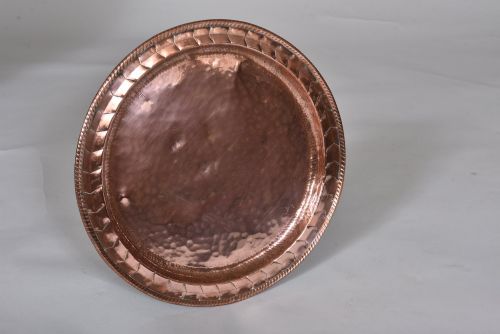
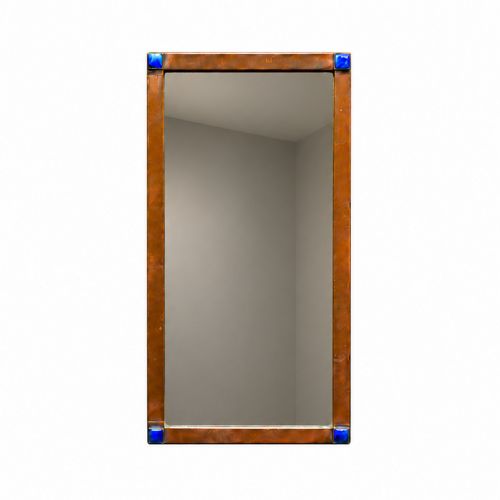
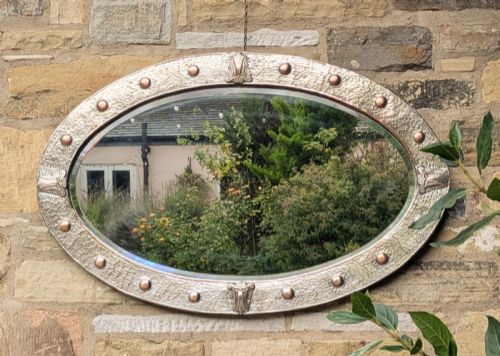
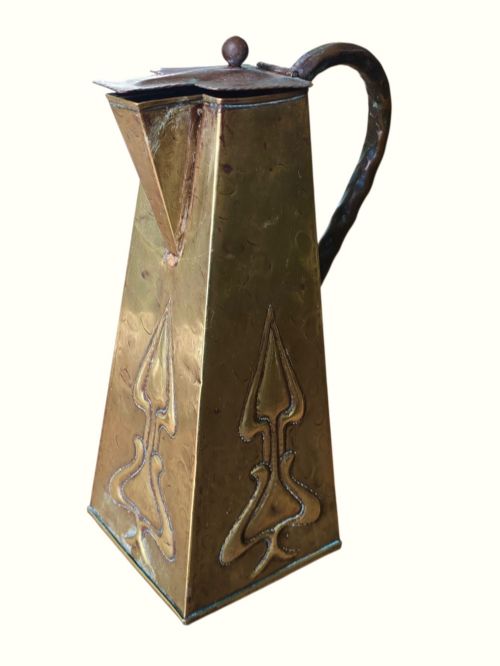
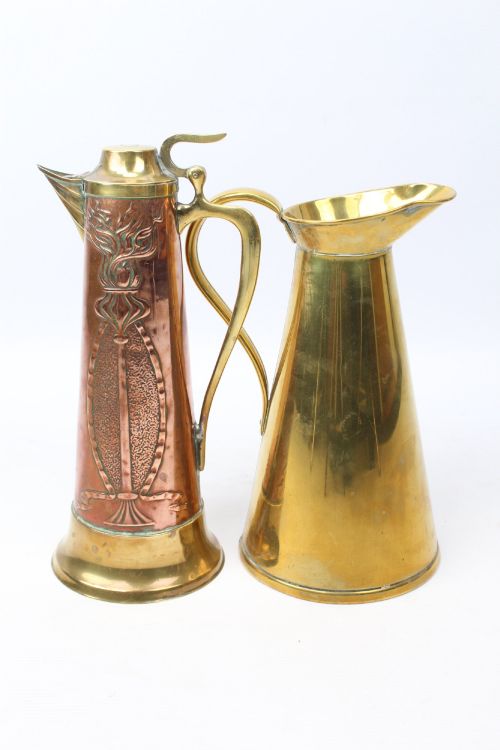
Makers shaped sheet copper and brass by hand, striking the metal repeatedly to create distinct surface textures known as hammering. This technique left visible marks of the artisan's labour on bowls, mirrors, and coal bins.
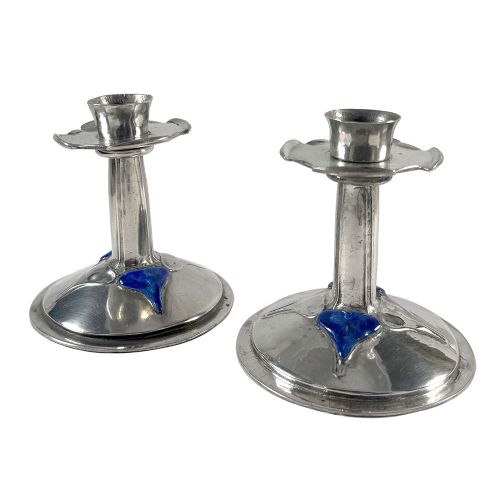
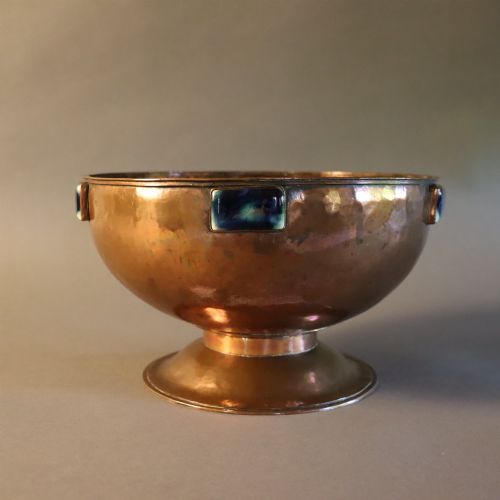
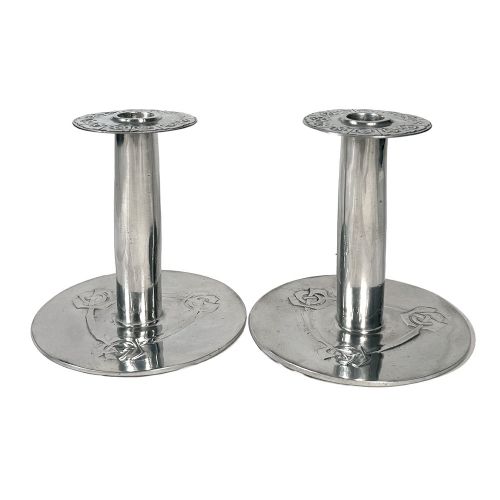
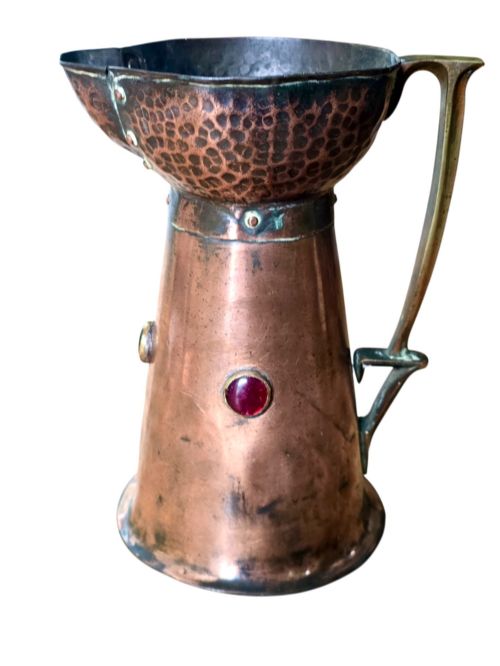
Pewter objects utilised casting and spinning methods, often incorporating pewter alloys branded as Tudric. Workers combined these metals with decorative accents such as Ruskin cabochons, glass inserts, and cane handles.
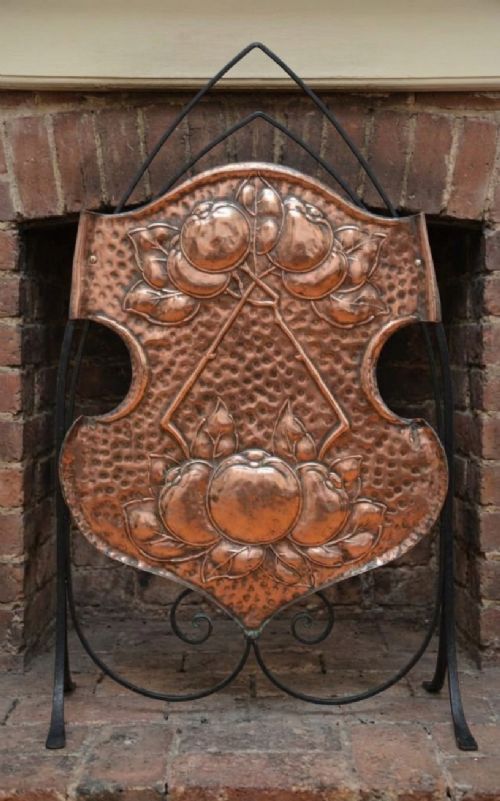
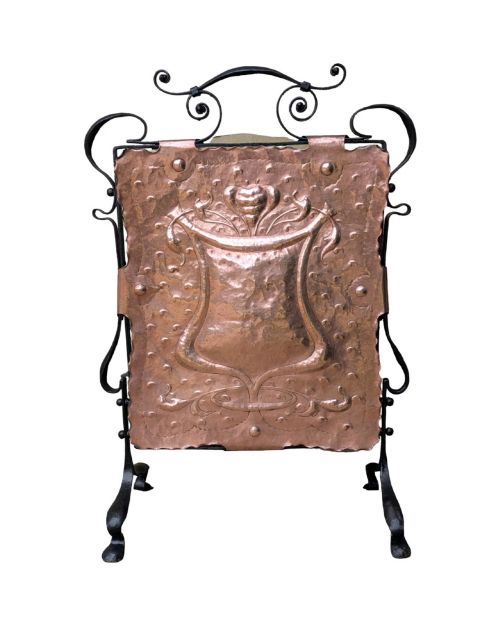
Ironwork relied on traditional blacksmithing techniques, utilising wrought and cast iron for sturdy fire baskets, andirons, and hearth screens. Rivets and forged joints held heavy structural components together without concealing the manual construction.
Antique Metal Crafts Retail Price Guide 2026
Typical asking prices for metal crafts among the pieces listed under this phrase on Sellingantiques today, from the lower quarter to the upper quarter. They describe what is for sale here now, not the wider market.
Listings span eight distinct decades of production, running from the late eighteenth century through the nineteen thirties.
What varies in quality
The distinction between standard production and superior craftsmanship rests in the depth and regularity of the hand-hammered surface. Master artisans achieved subtle, rhythmic facet patterns on copper and brass, whereas lesser examples show flat, machine-stamped uniformity.
Design complexity and maker attribution elevate certain pieces significantly above ordinary domestic wares. Items bearing specific workshop stamps, or designer signatures such as Archibald Knox, demonstrate superior artistic vision and refined material selection.
Integrity of construction and preservation of original patination dictate the standing of surviving metalwork. Pieces retaining untouched patinas, original pierced lids, and unpolished surfaces demonstrate proper historical survival.
Archibald Knox for Liberty and Co·William Hutton·Oliver Baker·Tiffany Studios New York·William Soutter and Sons
The Antique Metal Crafts Glossary
- Tudric
- A trade name used by Liberty and Co for a range of high-quality pewter items produced during the early twentieth century. These pieces frequently incorporated stylized floral motifs and enamel cabochons.
- Patination
- The natural surface change and coloration acquired by metals through age and oxidation over decades. Collectors value uncleaned surfaces that display deep historical character.
- Cabochon
- A polished, convex gemstone or coloured glass inset used as a decorative accent on metal vessels and inkwells. They frequently appear in Arts and Crafts metalwork to add contrasting colour.
- Repoussé
- A metalworking technique where the artisan hammers the design from the reverse side to form a raised relief on the front. This method creates dimensional ornamentation on copper mirror frames and wall plaques.
- Portico
- An architectural clock case style featuring vertical pillars supporting a lintel above the dial. These French Empire timepieces utilised gilt bronze and metal components.
Antique Metal Crafts: Frequently Asked Questions
How do I clean antique copper?
Antique copper generally requires minimal intervention to preserve its historic surface appearance. Removing dust with a soft, dry cloth maintains the metal without stripping away decades of acquired oxidation.
Harsh chemical polishes should be avoided because they remove the dark patination that collectors look for. Light dusting is sufficient for daily care.
What is Tudric pewter?
Tudric is the specific brand name used by the London retailer Liberty and Co for their line of pewterware. Introduced around nineteen hundred, these items employed artists like Archibald Knox to create distinct designs.
The alloy used for Tudric items contained a high proportion of silver, giving the finished vessels a brighter lustre than standard pewter. Many pieces feature model numbers stamped on the base.
How can I date Arts and Crafts metalwork?
Dating relies on stylistic indicators, construction methods, and maker marks associated with specific design movements. The Arts and Crafts movement flourished from the late Victorian era through the nineteen twenties.
Hand-riveted joints, visible hammer marks, and specific workshop stamps provide chronological clues. Surviving registration numbers or retailer marks help narrow down the production decade.
Were fire screens purely decorative?
Fire screens served a practical function in period drawing rooms by shielding occupants from the intense heat of open hearths. When the fireplace was unlit, they also concealed the empty grate during warmer months.
Craftsmen utilised wrought iron, copper, and glass to construct these durable screens. The decorative panels often featured floral motifs or heraldic shields suited to interior aesthetics.