


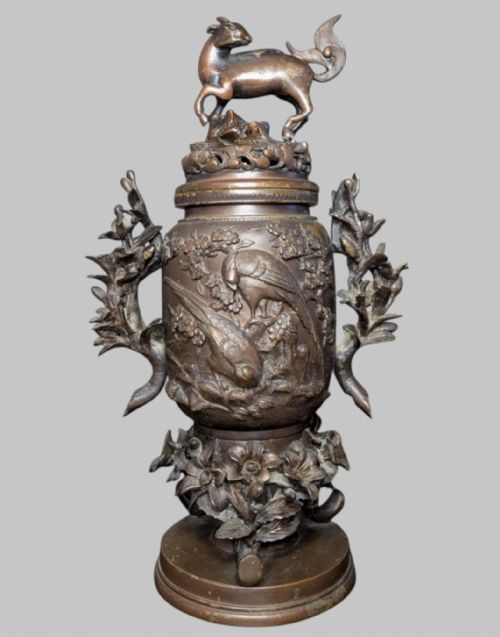


Antique Metal Censer
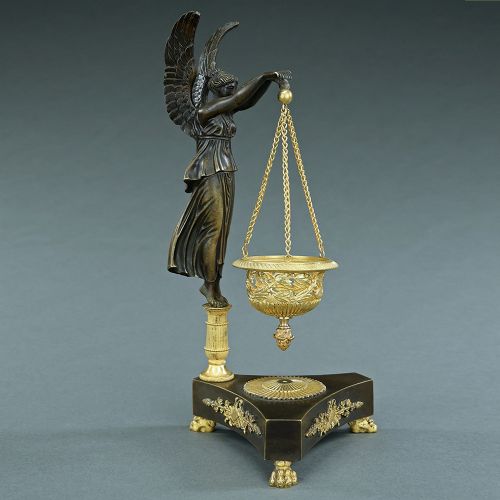
An antique metal censer brings centuries of ritual craft and sculptural presence into a room, offering both traditional function and striking decorative weight.
Antique Metal Censer
An antique metal censer serves primarily as a vessel for burning aromatic resins, woods, or incense, spanning centuries of domestic and ritual use. When exploring this page, a buyer encounters pieces originating predominantly from Chinese dynasties, alongside Japanese and European workshops.
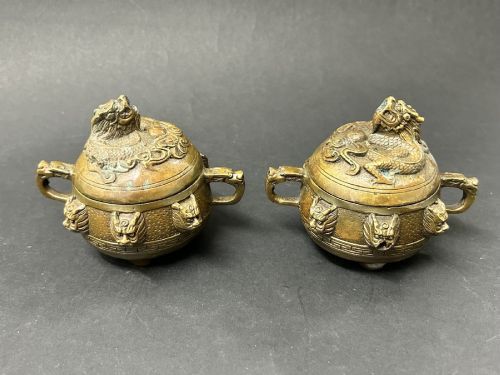
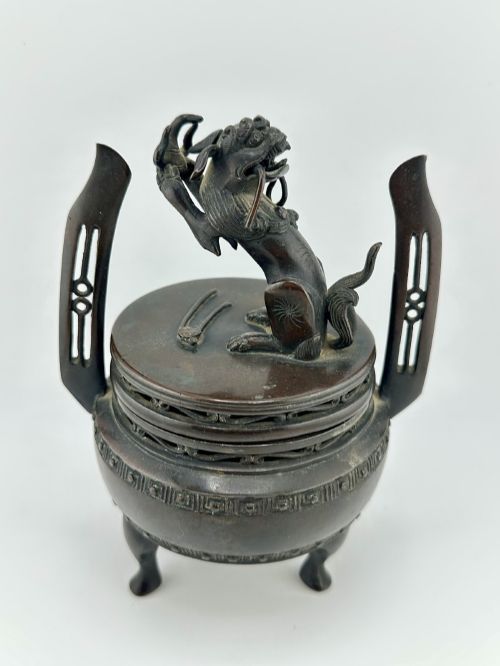
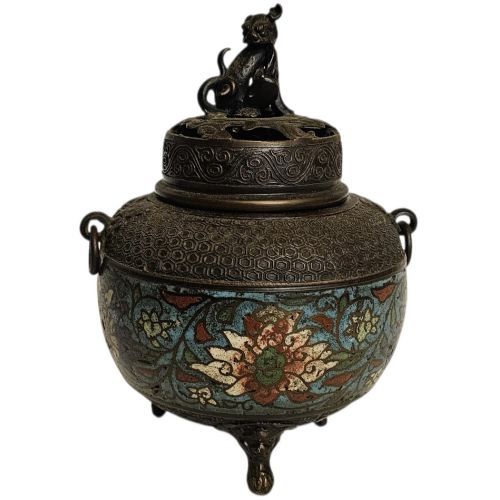
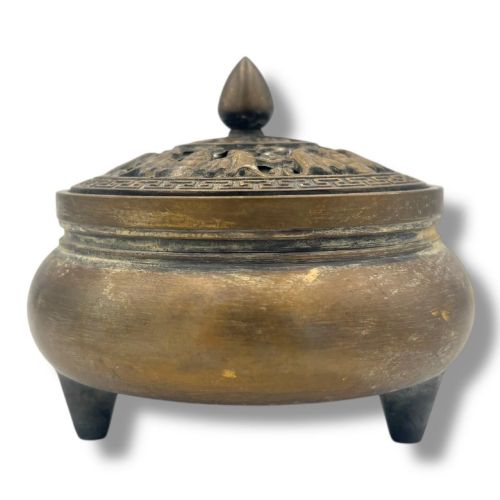
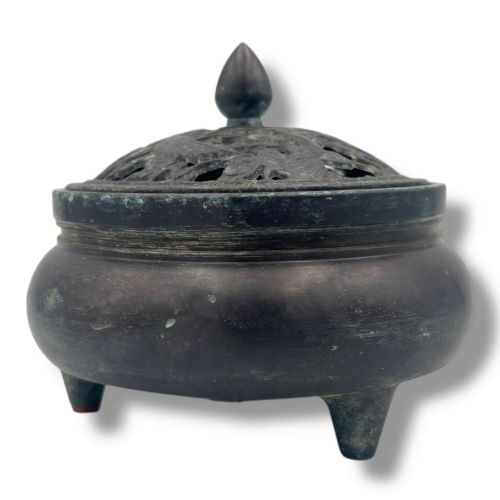
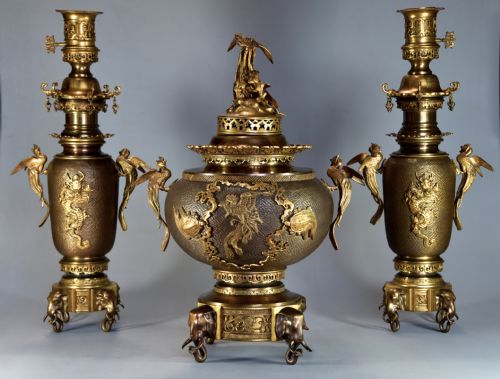
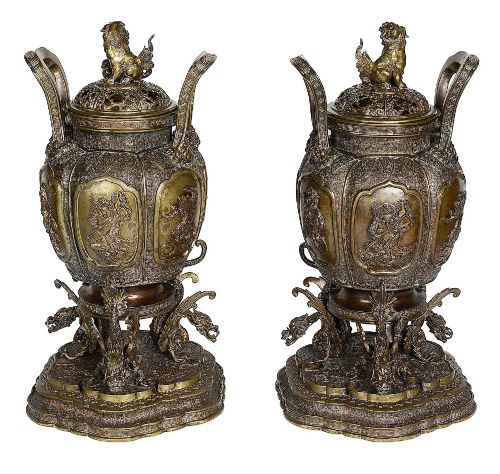
The most common forms on this page include tripod vessels, scholar's desk pieces, and lidded urns often detailed with mythical beasts or floral reliefs. These objects range from heavy ritual bronzes down to miniature studio pieces designed for quiet contemplation.
How they were made
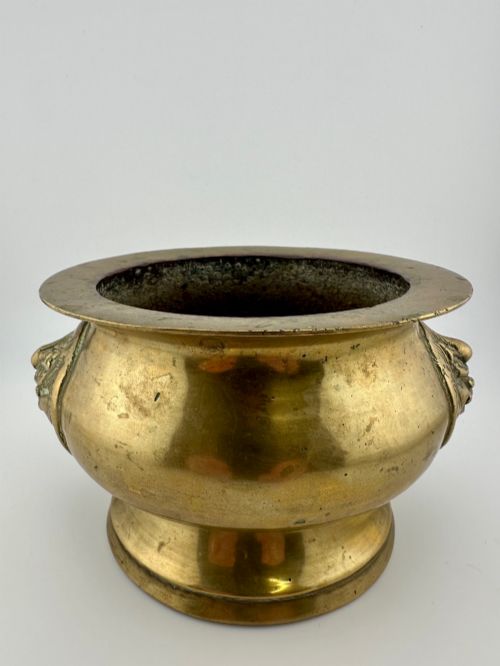
Censers on this page rely heavily on cast bronze and brass, shaped through traditional foundry methods that yield substantial weights and resonant walls. Many examples incorporate surface treatments such as gold-splashing, patination, or detailed relief work.
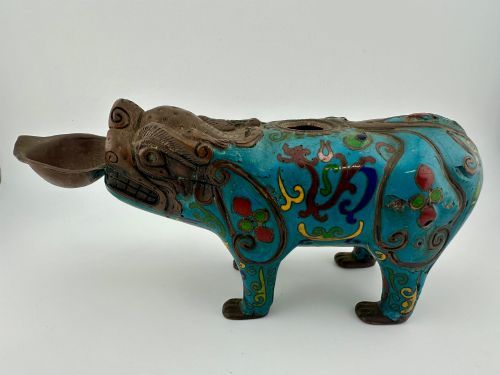
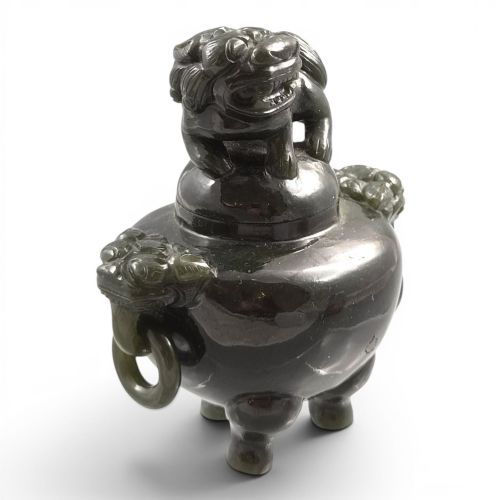
A distinct subset integrates decorative techniques like cloisonné enamel, where wire cells hold vibrant coloured pastes, or incorporates carved hardstones such as jade for lids, finials, and stands.
Antique Metal Censer Retail Price Guide 2026
Typical asking prices for metal censer among the pieces listed under this phrase on Sellingantiques today, from the lower quarter to the upper quarter. They describe what is for sale here now, not the wider market.
Listings feature pieces spanning from the 16th-century Ming Dynasty through the Qing Dynasty, the Meiji period, and 19th-century European workshops.
What varies in quality
Quality rests in the precision of the casting and the density of the metal, where heavier, master-cast vessels produce a clear bell-like resonance and display crisp relief detailing. The refinement of the patina also matters, distinguishing carefully maintained surfaces from dull or over-cleaned metal.
The sophistication of decorative elements, including hand-carved hardstone finials, custom zitan stands, and well-executed maker or reign marks, elevates certain scholarly and ritual pieces above standard decorative wares.
The Antique Metal Censer Glossary
- Tripod
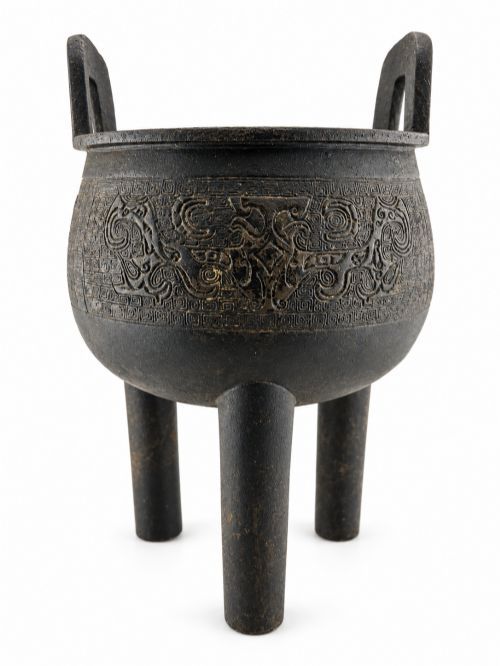
- A vessel supported by three legs, commonly seen on archaic and scholarly ritual burners.
- Cloisonne
- Enamelling technique where thin metal wires form raised barriers to contain coloured paste before firing.
- Taotie
- A stylized zoomorphic mask motif frequently cast onto archaic ritual bronzes.
- Finial
- A decorative ornament fixed to the top of a censer cover.
- Ding
- An ancient Chinese ritual cauldron form featuring a round or square bowl on legs.
Antique Metal Censer: Frequently Asked Questions
How were antique censers used?
These vessels burned incense during religious ceremonies, imperial court rituals, and quiet moments in scholar's studies. The rising smoke was meant to purify the surrounding space.
Over time, they evolved from functional ritual gear into treasured decorative art objects displayed prominently within domestic interiors.
Can I still burn incense in them?
Many of these metal vessels remain structurally sound and capable of holding heat and ash safely. You should place sand or heat-resistant ash inside the bowl first.
Exercise caution with delicate patinas, antique liners, or pieces featuring inlaid hardstones that might react poorly to direct heat.
How do I identify a reign mark?
Reign marks stamped or engraved onto the base denote the imperial period during which the design style originated. Many later dynasties reproduced earlier marks as a tribute to historical masterworks.
Evaluating the wear, patina, and metal composition alongside the mark helps determine the actual age of the piece.
What is a scholar's censer?
Scholar's censers are smaller, highly tactile vessels created for the desks of literate elites in historical China. They prioritized understated elegance, fine tactile weight, and subtle patination.
These pieces were designed to aid concentration and poetic inspiration during long hours of writing and reading.