


Antique Metal Box
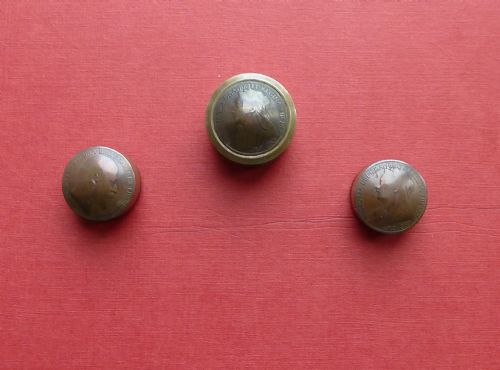
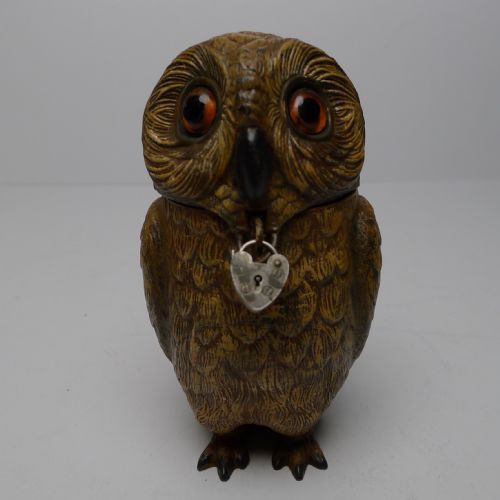
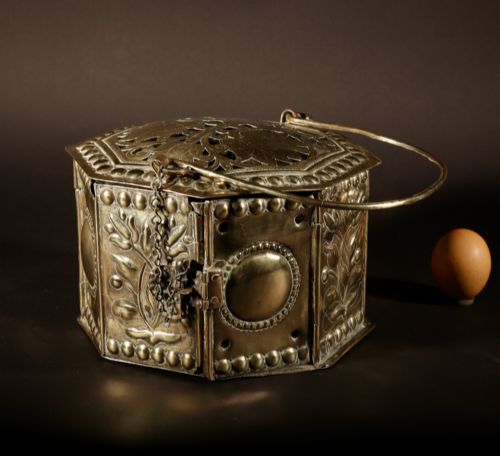
When collectors seek an antique metal box, they discover an array of small personal vessels and large hearth containers forged from brass, iron, and copper.
Antique Metal Box
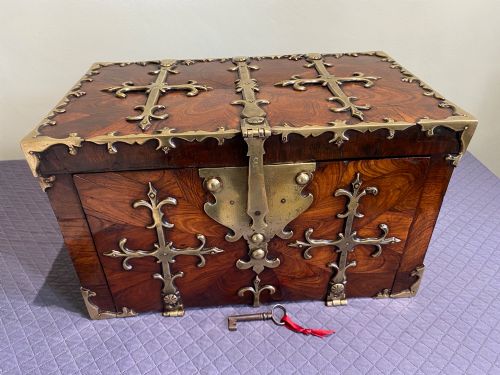
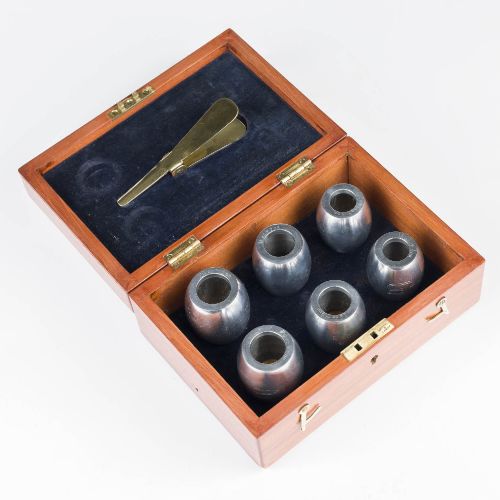
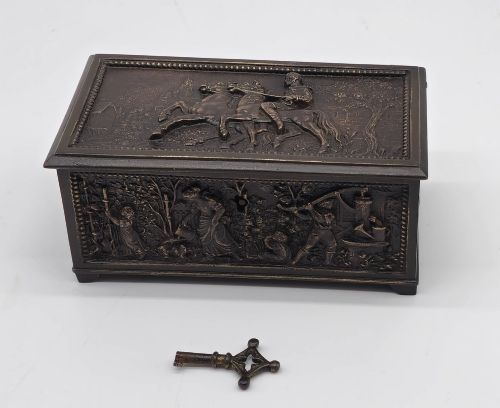
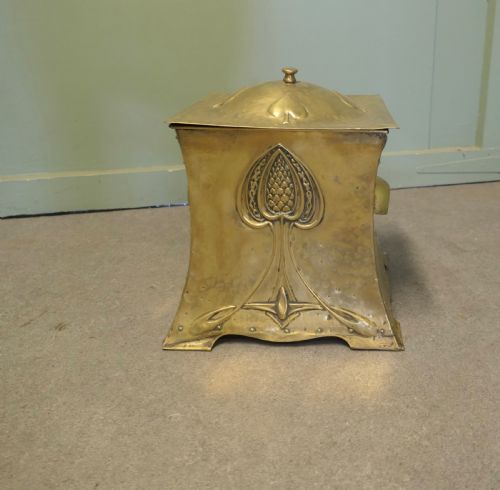
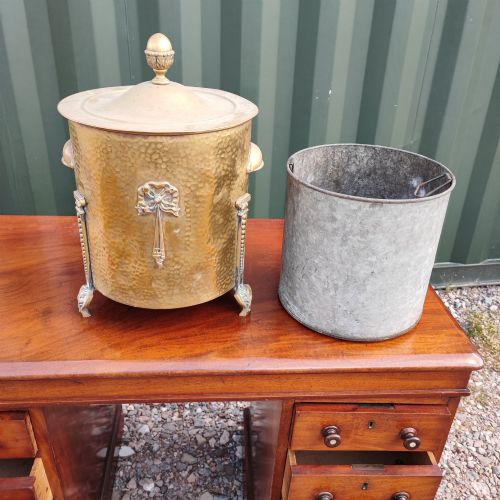
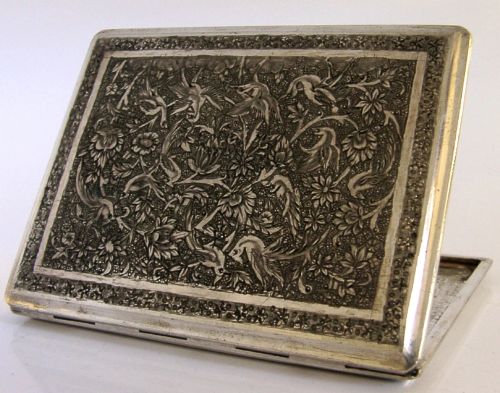
An antique metal box encompasses a diverse array of utilitarian and decorative receptacles spanning from the seventeenth to the early twentieth century. Buyers encounter intimate personal containers such as engraved brass snuff boxes, silver cigarette cases, and gilt-metal jewellery caskets alongside substantial domestic items like coal scuttles, deed trunks, and foot stoves.
The selection ranges across distinct historical periods, including Georgian, Victorian, Edwardian, and Arts and Crafts movements. Smaller pocket items often display intricate hand-engraved inscriptions, while larger pieces utilise robust materials like cast iron and tinplate for household storage and fireside utility.
How They Were Made
Artisans forged these pieces using foundational metalworking techniques such as casting, hammering, and hand-engraving on copper, brass, and steel. Many containers combine metal with secondary elements like wood, leather, tortoiseshell, and enamel to enhance their decorative appeal.
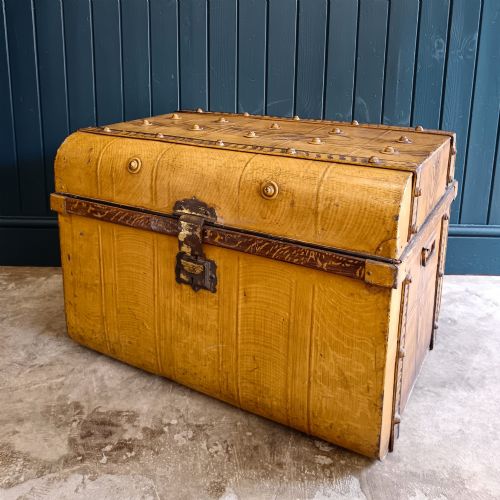
Larger storage items and deed chests integrate durable iron hardware, locks, and metal bindings for structural strength. Surface finishes vary from hand-painted faux-wood effects and toleware japanning to intricate ormolu mounts and pietra dura inlay.
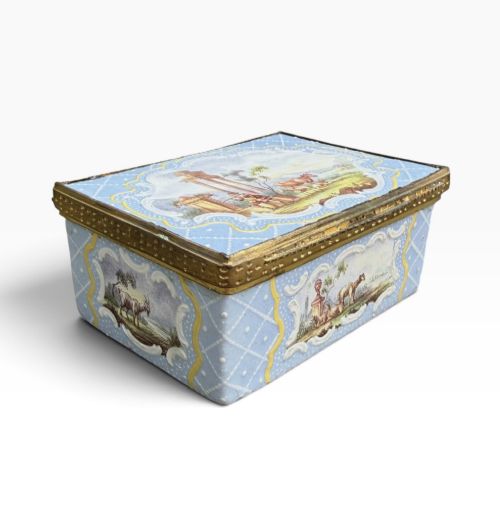
Materials range from humble iron and brass to fine silver, tortoiseshell, moss agate, and ormolu.
What Varies in Quality
The distinction between standard utility items and finer examples rests upon the precision of the metalwork and the crispness of any engraved decoration. Pieces featuring named makers, dated personal inscriptions, or specialised techniques like cold painting display superior craftsmanship.
The integrity of original hardware, hinges, and locks influences the desirability of larger trunks and caskets. Gradations in quality also appear in the selection of complementary materials, such as banded agates, inset hand-painted plaques, or fine silverwork.
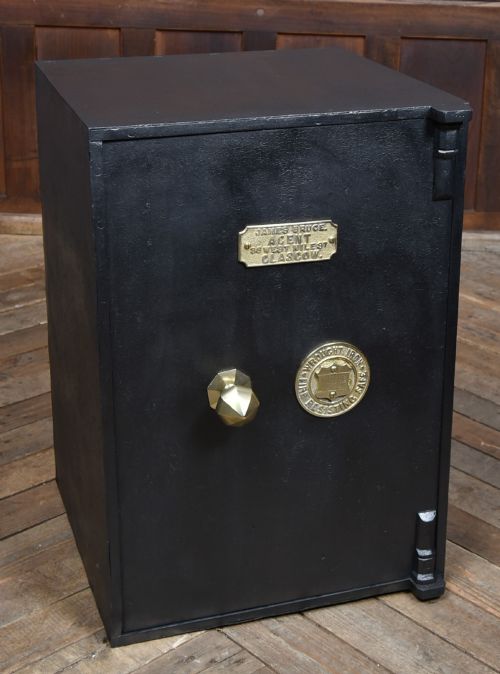
De Grave Short And Co·James Bruce·Coalbrookdale·F Whitfield And Co·Mappin And Webb
The Antique Metal Box Glossary
- Toleware
- Japanned or painted metalware produced for domestic use. This technique allowed tin and steel objects to mimic more costly Oriental lacquer finishes.
- Ormolu
- Gilded bronze or brass applied to decorative objects and furniture. It provides a bright golden surface that enhanced nineteenth-century caskets and boxes.
- Pietra dura
- Inlay technique utilising polished coloured stones to create pictorial designs. Artisans set these stone mosaics into marble or metal bases on luxury boxes.
- Pewter
- An alloy historically composed chiefly of tin with copper and lead. This metal was frequently cast into plates, snuff boxes, and early storage vessels.
- Spelter
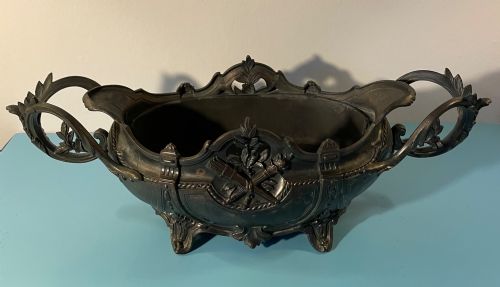
- Zinc alloy used as a cost-effective substitute for bronze. Makers cast it into decorative money boxes, figures, and architectural ornaments.
Antique Metal Box: Frequently Asked Questions
What were small antique metal boxes used for?
Small vessels served primarily for holding tobacco, snuff, patches, or personal trinkets. Owners carried pocket-sized containers daily as fashionable personal accessories.
Many examples feature personalized owner names, dates, or commemorative event engravings, reflecting their intimate association with the original user.
How do I date an antique metal box?
Dating relies on combining stylistic evidence, manufacturing techniques, and any engraved personal inscriptions or hallmarks present on the metal. Georgian and Victorian pieces often exhibit distinct decorative motifs tied to their specific era.
Reference points such as maker stamps, patent marks, or documented working periods of the craftsman provide further chronological clarity.
What is the difference between a casket and a trunk?
Caskets are smaller, highly decorative containers designed for jewellery, letters, or vanity items, frequently featuring gilt bronze, stone inlays, or velvet linings. Trunks and deed boxes are utilitarian storage vessels built from heavy iron, tinplate, or bound leather.
While caskets sat prominently on dressing tables or desks, trunks were constructed for travel, document archiving, or household storage.
How should I clean an antique metal box?
Preserving the historical patina is essential, so aggressive metal polishes should be avoided on antique surfaces. Gentle dusting with a soft dry cloth removes surface grime safely.
For pieces with specialised finishes like toleware paint, painted spelter, or japanning, moisture can cause permanent damage and should be kept away entirely.