

Antique Metal Bowl
An antique metal bowl brings weight, texture, and centuries of domestic or ceremonial history directly into a modern room.
Antique Metal Bowl
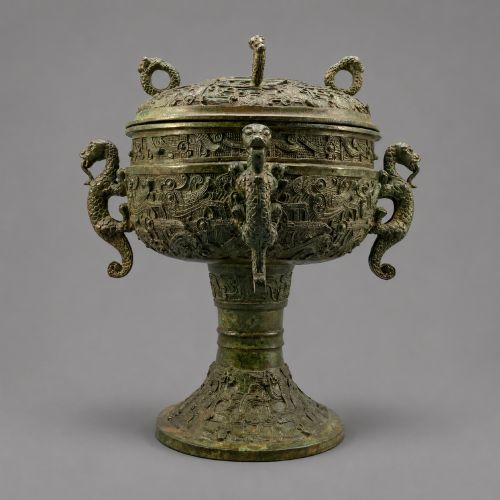
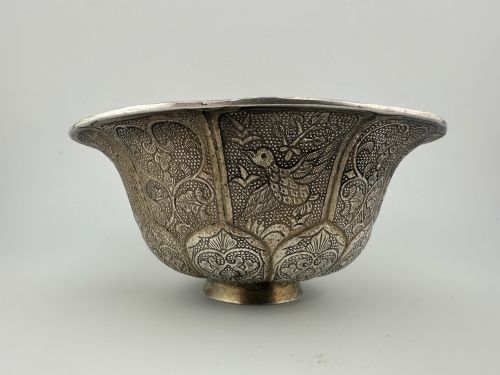
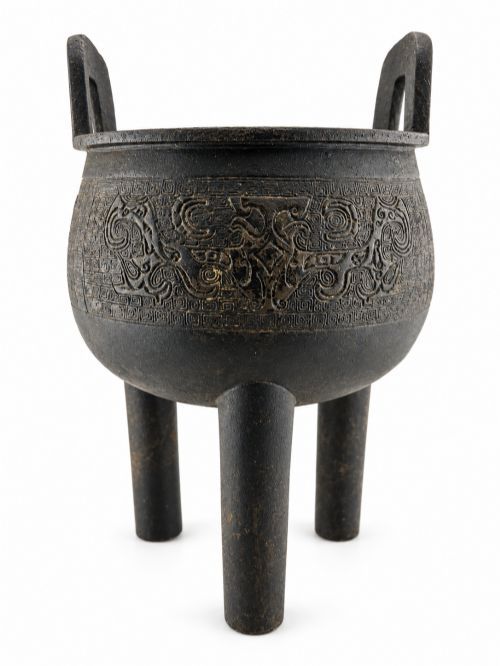
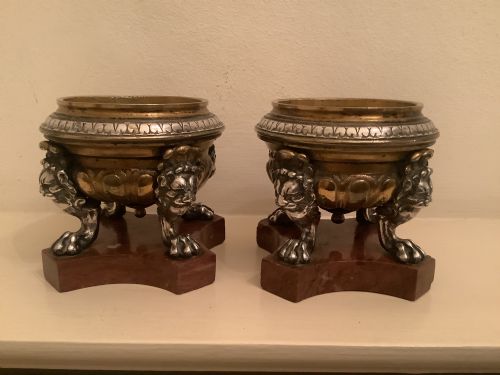
When someone searches for an antique metal bowl, they encounter a diverse lineage of vessels spanning utilitarian kitchenware, scholarly Chinese bronzes, and decorative European tazzas. The selection ranges from robust copper preserving pans and heavy apothecary mortars to intricate champlevé enamel dishes and grand tour centrepieces.
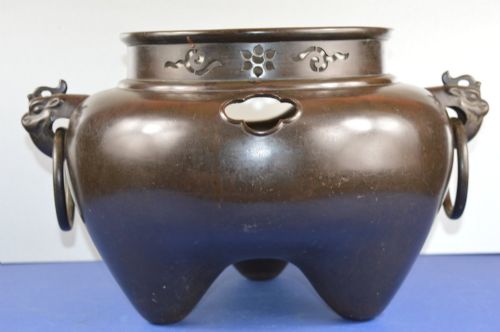
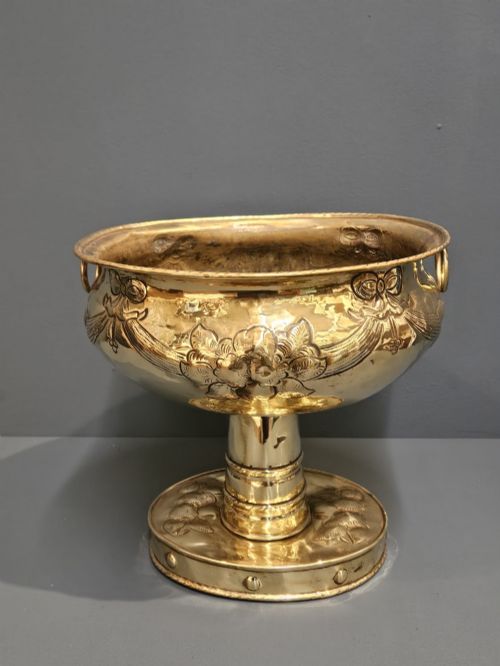
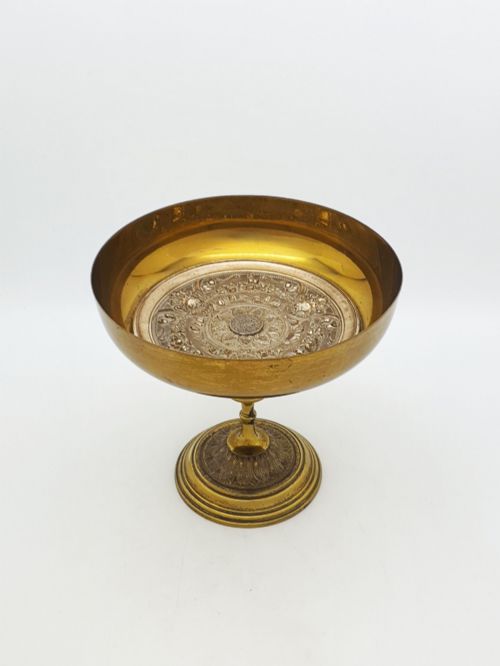
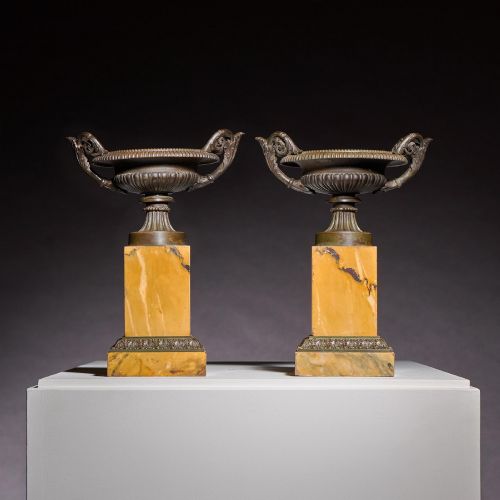
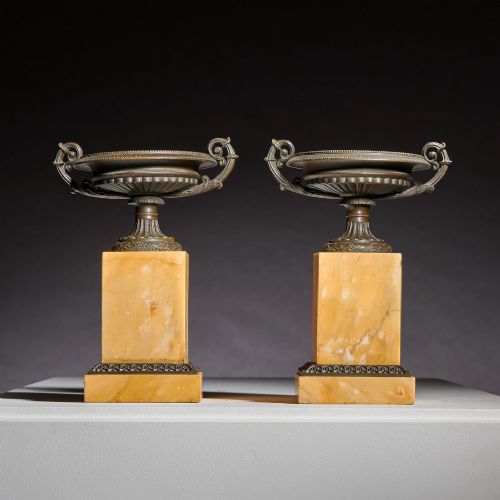
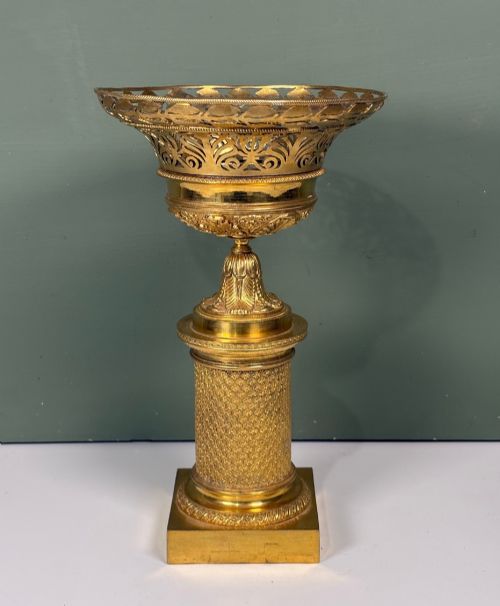
Domestic copper pans and brass cachepots sit alongside Chinese bronze censers bearing imperial seal marks and Arts and Crafts pewter bowls. French empire tazzas mounted on Siena marble bases represent the decorative aspirations of the nineteenth century, while Nuremberg alms dishes reflect sixteenth-century craftsmanship.
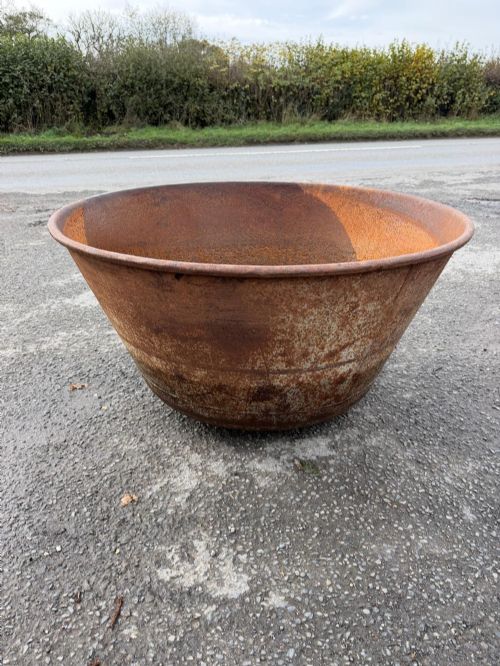
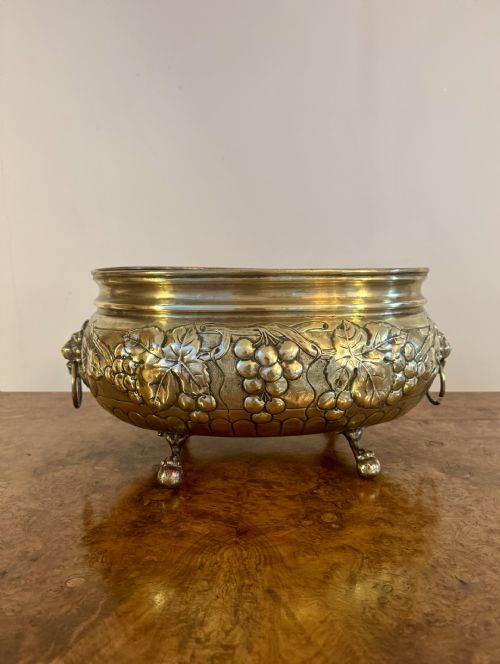
The version a buyer meets most frequently on this page is the nineteenth-century brass or copper vessel, alongside decorative bronze tazzas and cast iron garden planters. These pieces demonstrate how utilitarian metals transitioned into display items over successive centuries.
How they were made
Makers utilised casting, hammering, and turning to shape bronze, brass, copper, and pewter into durable vessels. Heavy kitchen pans and mortars were cast in sand moulds or hammered from thick copper sheets, leaving visible tool marks and substantial weight.
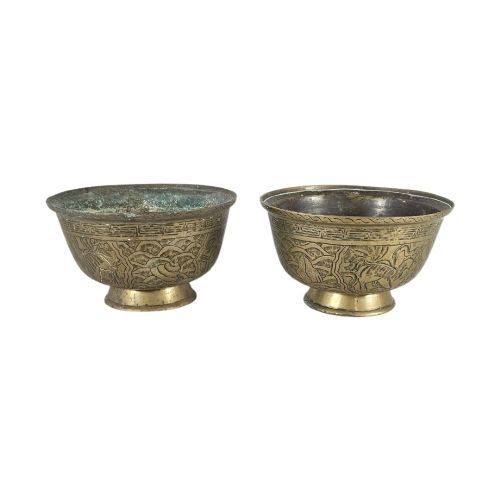
Decorative surfaces relied on chasing, engraving, and silver inlay, as seen in Islamic wash bowls and Chinese export white metal pieces. Gilt bronze and champlevé enamel combined metalwork with coloured vitreous pastes to create richly patterned display objects.
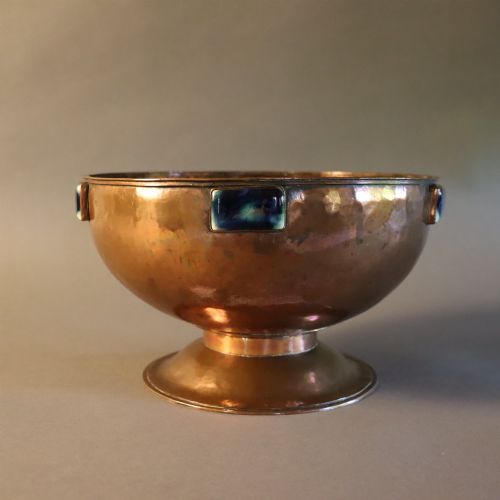
Pewter vessels from the Arts and Crafts movement incorporated hammered finishes and applied cabochons, highlighting the physical properties of the metal. Marble bases were turned and polished to support cast bronze tazzy dishes and classical centrepieces.
Antique Metal Bowl Retail Price Guide 2026
Typical asking prices for metal bowl among the pieces listed under this phrase on Sellingantiques today, from the lower quarter to the upper quarter. They describe what is for sale here now, not the wider market.
Listings span eight distinct centuries, running from sixteenth-century Nuremberg alms dishes to twentieth-century Art Deco lighting and metalware.
What varies in quality
Quality in these metal vessels rests upon the crispness of the casting, the thickness of the original metal, and the integrity of any applied decoration. Heavy gauge copper and dense bronze demonstrate superior material substance compared to lighter, later adaptations.
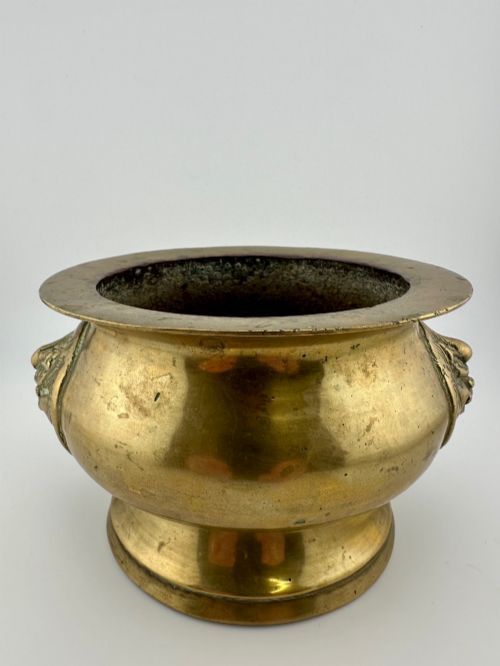
The refinement of chasing and the survival of original patination separate utilitarian kitchen vessels from high-status academic or salon pieces. Details such as cast lion mask handles, integral scholar's marks, and fire gilding indicate workshop execution of a high order.
Liberty & Co·Oliver Baker·Charles Schneider
The Antique Metal Bowl Glossary
- Tazza
- A shallow bowl or cup mounted on a stem and foot, commonly used for display or serving fruit in nineteenth-century settings.
- Censer
- A vessel designed for burning incense, frequently cast in bronze and marked with imperial or scholarly seals in Chinese traditions.
- Champlevé
- An enamelling technique where troughs are dug into a metal surface and filled with vitreous paste before firing.
- Cachepot
- An ornamental pot used to conceal an ordinary flowerpot, often formed from pierced or polished brass.
- Comport
- A decorative pedestal dish intended for dessert or fruit presentation on formal dining tables.
Antique Metal Bowl: Frequently Asked Questions
How were heavy bronze censers used?
Scholars and emperors utilised bronze censers in private studies and temples to burn aromatic resins during meditation or writing. These heavy vessels retained heat effectively and served as focal points for contemplation.
Over centuries, their form evolved from utilitarian ritual implements into prized collector items displayed on carved wooden stands within scholarly interiors.
What is the difference between a tazza and a cachepot?
A tazza is an elevated pedestal dish designed primarily for visual display or serving, often featuring classical bronze and marble components. A cachepot functions as an outer container for holding plants and flowers.
While both utilise metals like brass, bronze, and copper, their domestic applications differ significantly between formal tabletop decoration and practical horticulture.
How should antique copper pans be cleaned?
Preserving the dark oxidation and historic patina requires minimal intervention, typically limited to gentle dusting and occasional waxing. Aggressive metal polishes strip away centuries of accumulated character and alter the surface colour.
Many collectors prefer to leave kitchen pans in their raw, untouched state to showcase the authentic evidence of active nineteenth-century use.
How do you date a bronze mortar?
Dating relies on the weight, wall thickness, style of the handles, and any cast heraldic arms or maker marks. Earlier examples from the sixteenth and seventeenth centuries tend to display thicker, sand-cast walls with simple moulded rims.
Comparing the rim profile and alloy composition against documented apothecary pieces helps establish the likely manufacturing period.