






Antique Metal Bird Art
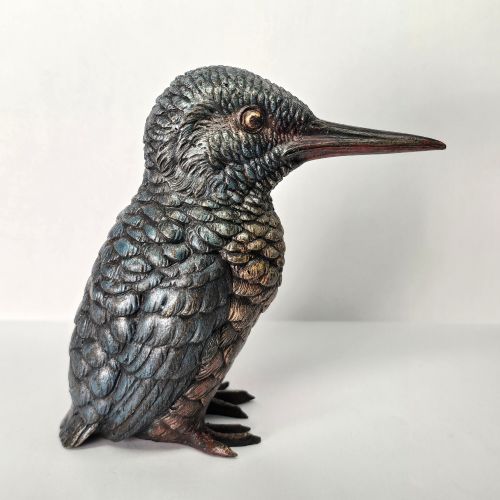
Antique metal bird art brings together winged creatures cast in bronze, hammered in brass, and traced in cloisonné enamel from the nineteenth century onward.
Antique Metal Bird Art
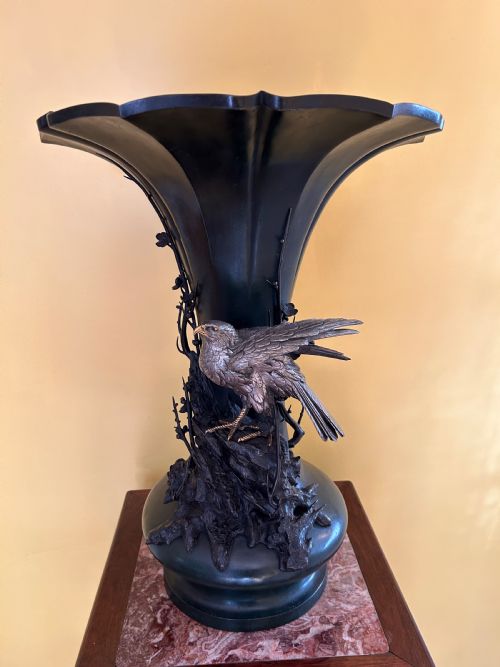
Antique metal bird art encompasses sculptural figures, decorative vessels, and architectural pieces such as weathervanes created across the nineteenth and early twentieth centuries. Buyers seeking these items will frequently encounter Japanese Meiji period bronzes, cloisonné enamel vases and chargers, and European Art Deco sculptures.
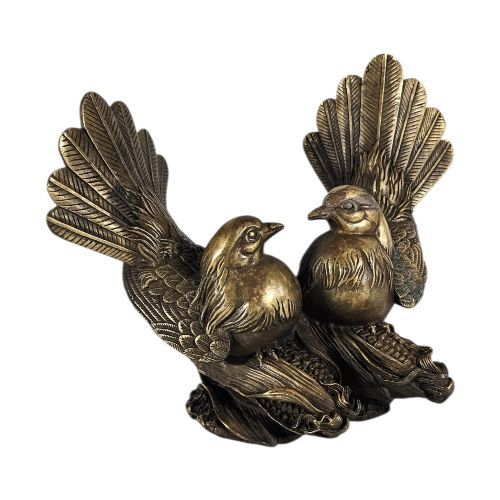
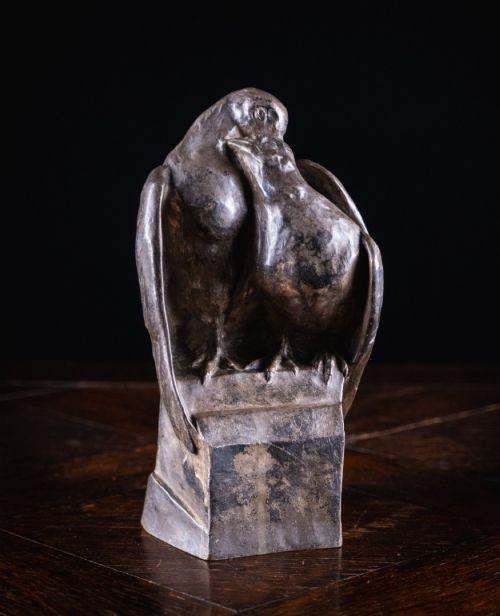
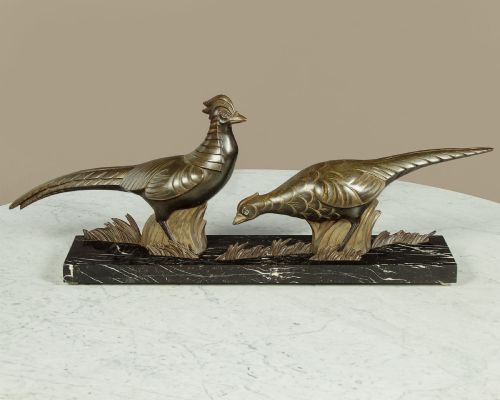
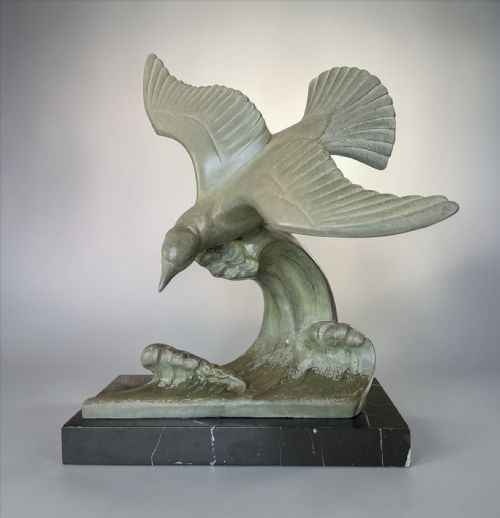
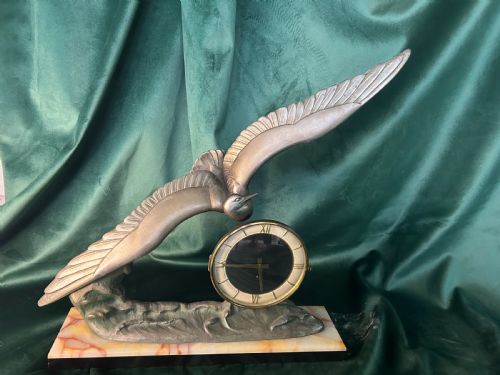
The selection ranges from utilitarian objects like brass bird cages and owl scarers to purely decorative items including bronze bookends, mantel clocks, and framed plaques. Forms vary widely from naturalistic pairs of pigeons and golden pheasants to stylised seagulls and mythical phoenixes.
Origins span across English folk art, French decorative design, and East Asian workshops, particularly late Qing dynasty Chinese bronzes and Japanese Meiji period metalwork. These pieces capture avian subjects through diverse cultural lenses, reflecting both domestic utility and high decorative arts.
Materials and methods
Makers utilised durable base metals such as bronze, brass, and copper, often casting figures in heavy proportions or hammering sheet metal for architectural items like weathervanes. Bronze elements frequently display patination or mixed metal additions to delineate plumage and detail.
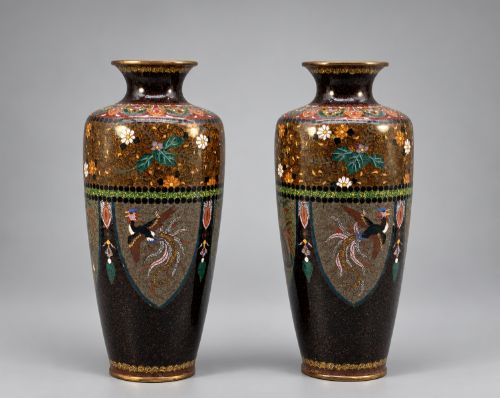
Cloisonné and champlevé enamel techniques introduce vibrant colour to copper and brass surfaces, creating intricate patterns of feathers and foliage divided by thin metal wires. Porcelain and glass occasionally combine with metal frames, alongside painted tin and lacquer panels.
Antique Metal Bird Art Retail Price Guide 2026
Typical asking prices for metal bird art among the pieces listed under this phrase on Sellingantiques today, from the lower quarter to the upper quarter. They describe what is for sale here now, not the wider market.
An owl bird scarer stands ready to frighten feathered intruders, proving that even pest control could take a decorative turn in the 1930s.
Judging quality in metal bird pieces
Quality rests upon the precision of the casting and the crispness of the chisel work in bronzes and brasses, where finer pieces capture realistic musculature and feather texture without softness. In enamel work, the regularity of the wire cells and the smooth fusion of the coloured pastes distinguish superior examples.
Artistic expression and proportion dictate value, as seen in the dynamic posture of an Art Deco pheasant or the balanced symmetry of a pair of phoenix vases. Signed pieces and those retaining original patination or rich surface colour command greater attention from collectors.
Herzig
The Antique Metal Bird Art Glossary
- Cloisonné
- An enamelling technique where metal wire is soldered to a metal base to form compartments filled with paste and fired. This method creates detailed chromatic designs across vases, plates, and chargers.
- Meiji Period
- The era in Japanese history spanning from 1868 to 1912, characterised by exceptional metalwork and enamel production exported globally. Pieces from this time often incorporate bronze and complex cloisonné.
- Patina
- The chemical alteration or surface sheen that develops on bronze, brass, and copper over time through age and exposure. A desirable surface layer enhances the depth of sculptural bird forms.
- Totai Shippo
- A Japanese technique where enamel is applied to a porcelain body rather than metal, often mimicking the appearance of tree bark or natural textures. These plates combine ceramic bases with wirework.
- Weathervane
- An architectural instrument placed on roofs to show wind direction, frequently fashioned as a bird from sheet metal in folk art traditions. These functional objects served rural buildings.
Antique Metal Bird Art: Frequently Asked Questions
What metals were commonly used?
Makers most frequently worked in bronze, brass, and copper to form these avian subjects. These durable metals allowed for detailed casting, hammering, and the application of enamel.
Enamel work specifically relied on copper bases to receive the coloured glass pastes. Mixed metal applications also appear, combining different alloys for tonal contrast on feathers.
How do I identify Meiji period pieces?
Japanese Meiji period items typically display exceptional technical precision in bronze casting or cloisonné enamel work. Look for fine wirework depicting birds like phoenixes or doves alongside traditional signatures.
These objects date from the late nineteenth to the early twentieth century. They often arrive as large decorative vases, chargers, or sculptural pairs.
Where were bird cages placed?
Decorative brass bird cages from the early twentieth century served as ornamental hanging fixtures or tabletop objects within domestic interiors. They reflect the period interest in elaborate metalwork for living spaces.
While constructed from sturdy brass, their primary role was decorative rather than housing live birds. They integrate architectural wirework into interior design.
What is Art Deco bird art?
Art Deco bird sculptures and bookends from the 1930s embrace streamlined forms, stylised geometry, and modern materials. Subjects like seagulls and golden pheasants capture the dynamic movement of the era.
These pieces often feature cast bronze or figural metalwork mounted on marble bases. They represent a shift toward sleek, modern aesthetic interpretations of nature.