



Antique Metal Balusters
Antique metal balusters form a diverse group of upright supports and vessel stems cast in brass, bronze, copper, and pewter from past centuries.
Antique Metal Balusters
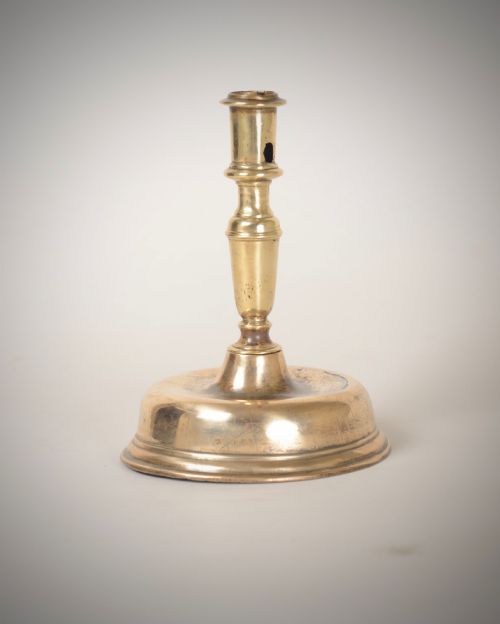
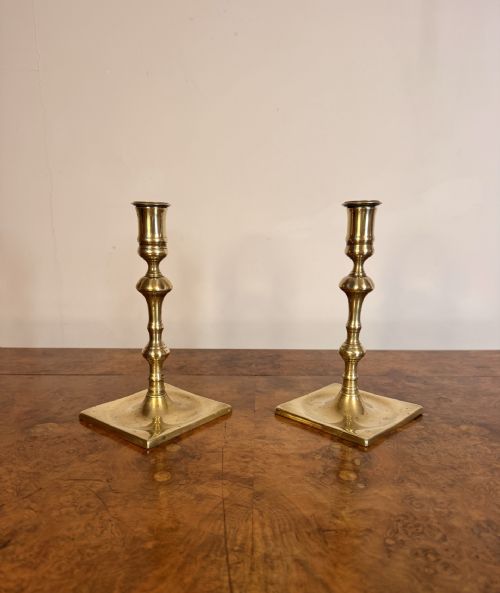
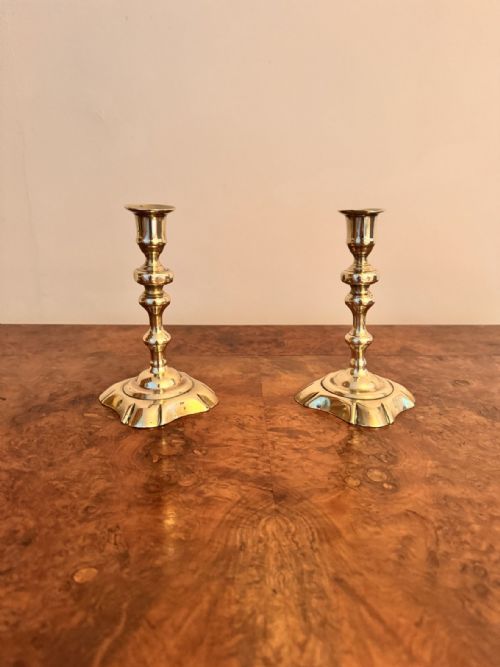
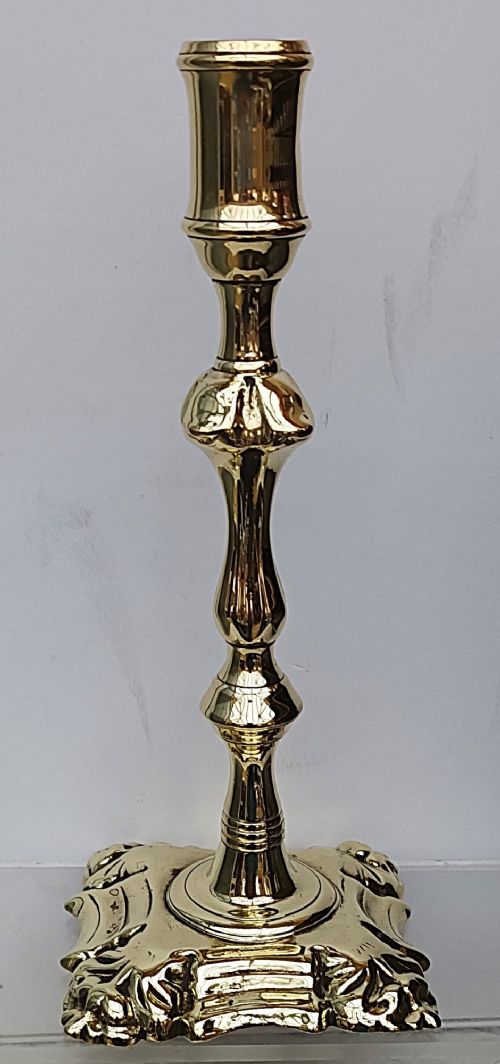
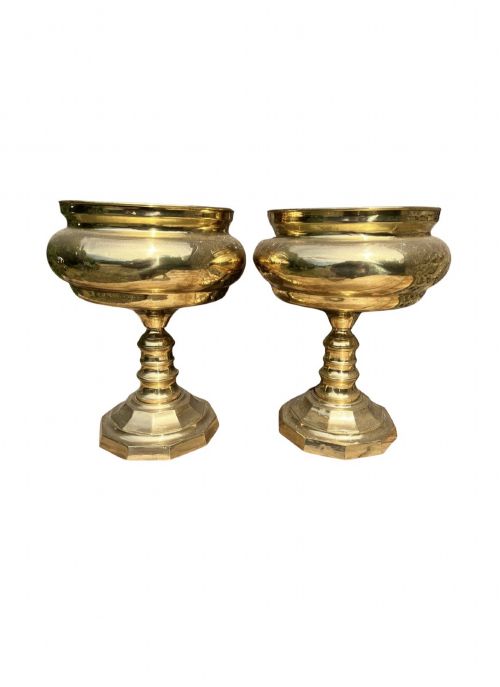
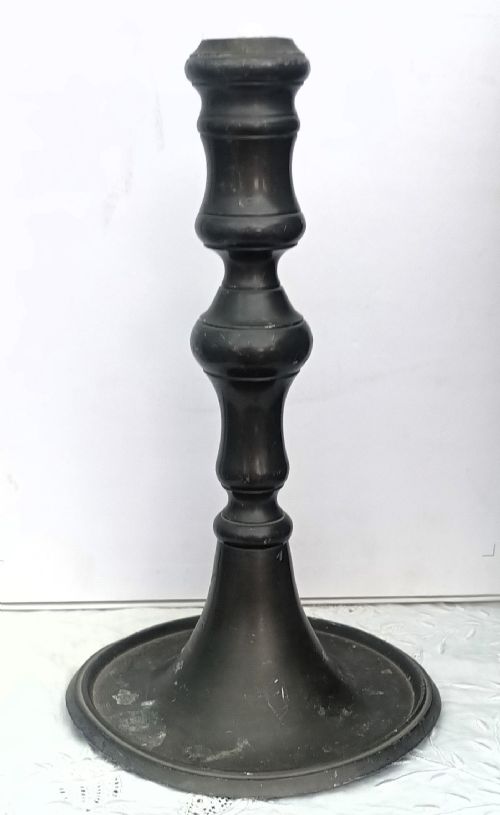
These items encompass architectural supports, candlesticks, and vase stems shaped in the characteristic swelling baluster profile. When searching for antique metal balusters, buyers encounter items ranging from small tabletop candlesticks to substantial bronze and copper vessels.
The objects span multiple periods, including the seventeenth, eighteenth, and nineteenth centuries, with Victorian examples appearing frequently alongside earlier Georgian and Stuart forms. Materials vary from standard brass and pewter to mixed metal and cloisonne.
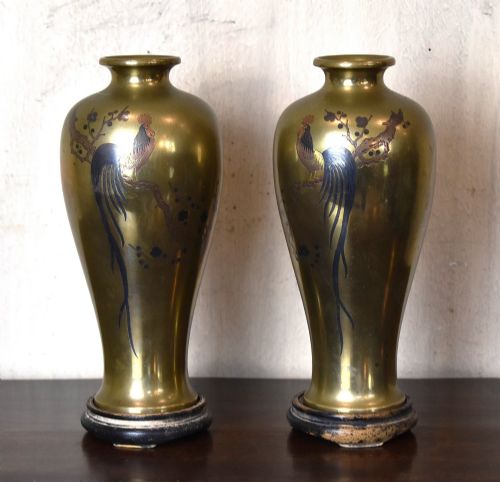
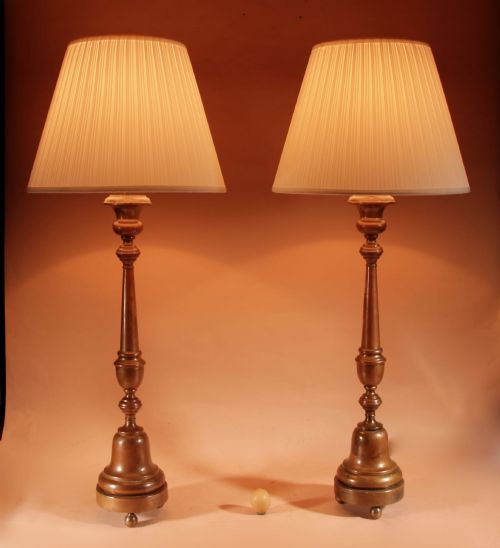
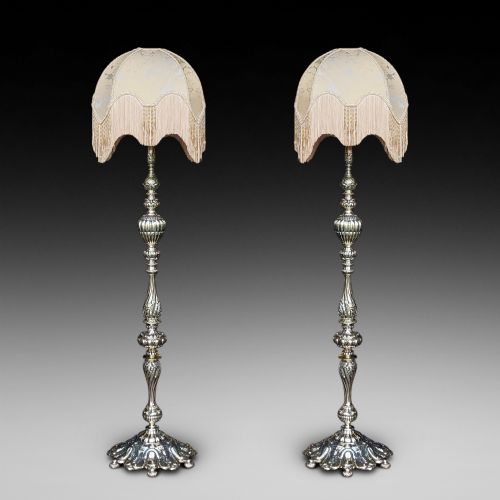
Forms include candlesticks, standard lamps, and baluster-shaped vases originating from English, Dutch, and Japanese workshops. Each piece reflects the decorative tastes of its specific period of production.
How they were made
Metalworking techniques for these pieces rely heavily on casting in brass, bronze, copper, and pewter. Many items utilise multi-part casting methods, particularly for vessels and candlesticks with distinct stems and bases.
Surface decoration involves methods such as champleve enamel, high-relief casting, and mixed metal applications. Pewter items frequently display touchmarks and capacity stamps hammered or cast directly into the metal.
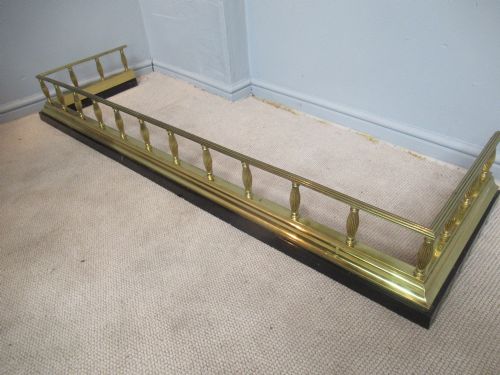
Finishes range from polished brass surfaces to patinated bronze and patinated copper alloys. Iron and steel components appear in heavier utilitarian items such as fire dogs and fenders.
Antique Metal Balusters Retail Price Guide 2026
Typical asking prices for metal balusters among the pieces listed under this phrase on Sellingantiques today, from the lower quarter to the upper quarter. They describe what is for sale here now, not the wider market.
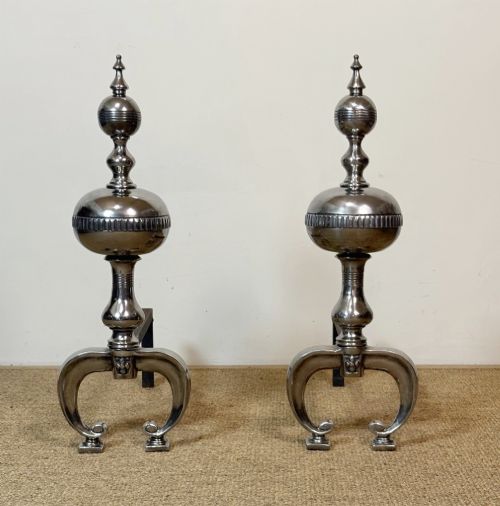
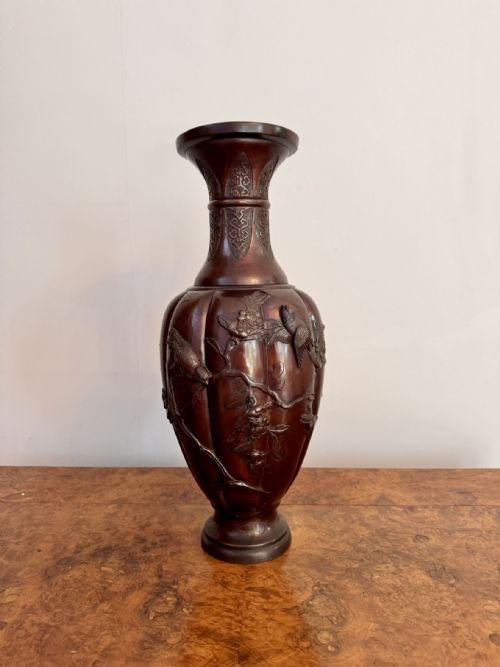
Object forms documented here include fire dogs, standard lamps, lidded measures, and baluster-shaped vases from multiple traditions.
What varies in quality
Quality in these metal objects depends heavily on the crispness of the casting and the weight of the material used. Heavier specimens generally indicate substantial metal content and superior durability.
The refinement of surface detail, particularly in relief work and decorative mounts, separates standard production items from finer workshop examples. Preservation of original patination and clear maker or capacity marks also influences overall merit.
Richard Morton
The Antique Metal Balusters Glossary
- Baluster
- An architectural term describing an upright pillar or column with a swelling lower section that tapering towards the top. This profile frequently defines the stems of candlesticks and vases.
- Champleve
- An enamelling technique where troughs or cells are hollowed out in the metal surface and filled with vitreous enamel before firing. It appears on various decorative bronze vases.
- Pewter
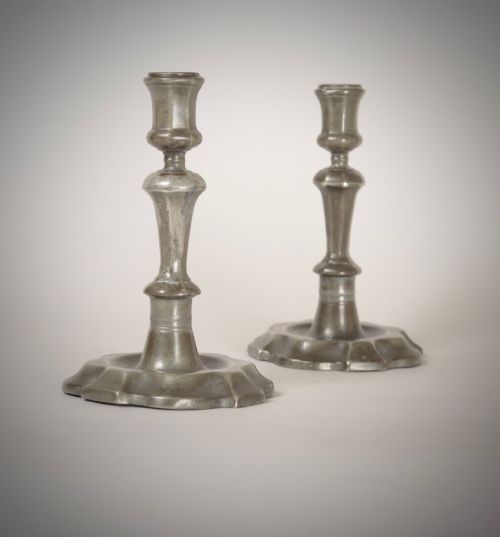
- A malleable metal alloy consisting primarily of tin, traditionally used for tableware, measures, and candlesticks. Antique examples often bear touchmarks indicating the maker or inspection region.
- Heemskerk
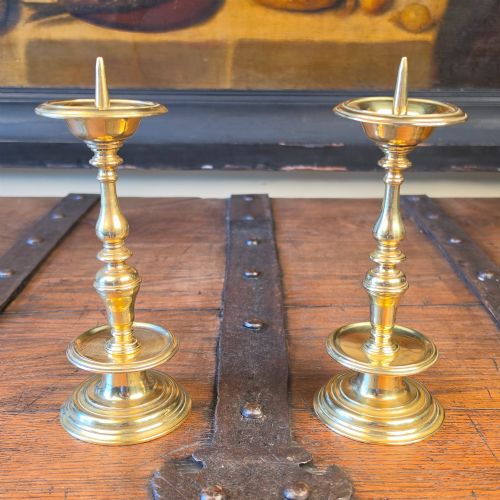
- A distinct style of heavy brass candlestick originating in the Netherlands during the seventeenth century, characterised by a central drip pan and prominent knops.
- Cloisonne
- A decorative metalwork technique where wires are soldered to a base to form compartments filled with enamel paste. This method decorates several Japanese bronze vessels in the listings.
Antique Metal Balusters: Frequently Asked Questions
What metals are used in these pieces?
The listings show items created from brass, bronze, copper, pewter, silver, and iron. Many pieces utilise copper alloys or mixed metals.
Specific forms like candlesticks and measures rely heavily on brass and pewter, while decorative vases commonly feature bronze.
Where did these metal objects originate?
The pieces originate from various regions including England, the Netherlands, China, Japan, France, and Tibet. Each region employed distinct decorative styles and casting techniques.
European pieces often follow Georgian or Victorian designs, whereas Asian examples incorporate Edo and Meiji period aesthetics.
What is a pewter measure?
Pewter measures are utilitarian vessels created to hold specific liquid volumes for trade and domestic use. They frequently feature imperial capacity marks or touchmarks.
Examples range from lidded half-pint measures to gallon vessels stamped with verification ciphers.