

Antique Menu Stand
An antique menu stand holds the evening's dining choices in silver, oak, or brass upon the well-set table.
Antique Menu Stand
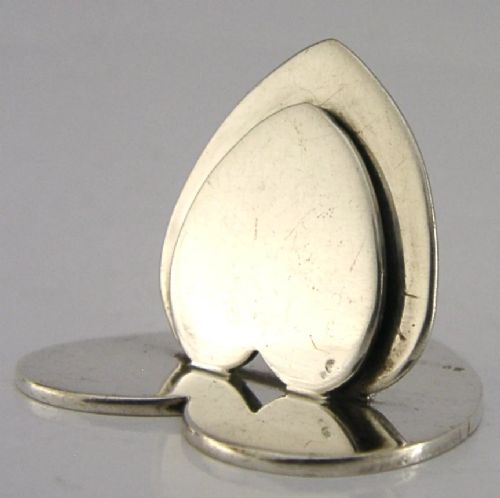
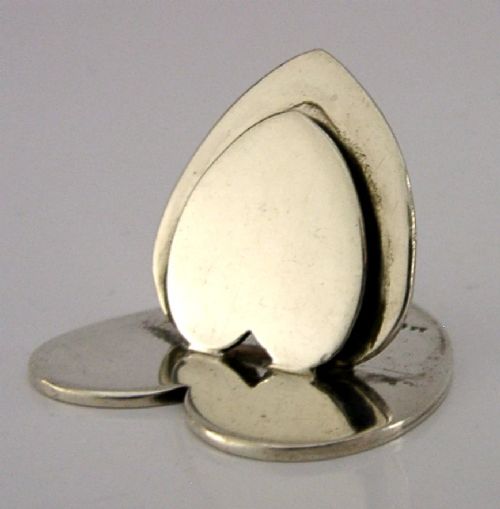
An antique menu stand serves to display food selections and place names clearly to diners at formal meals. These small silver mounts, card holders, and larger reading lecterns appear across Victorian, Edwardian, and later twentieth-century dining settings.
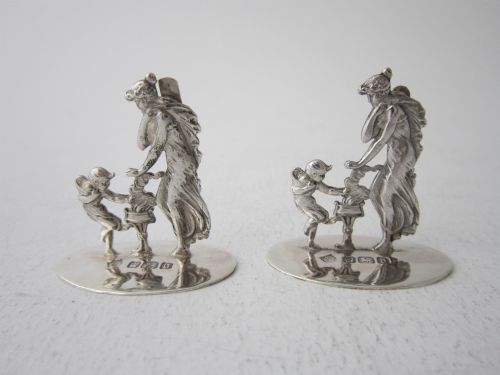
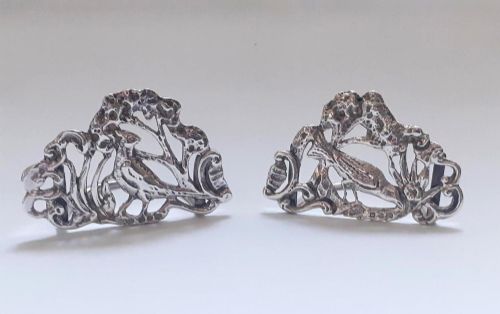
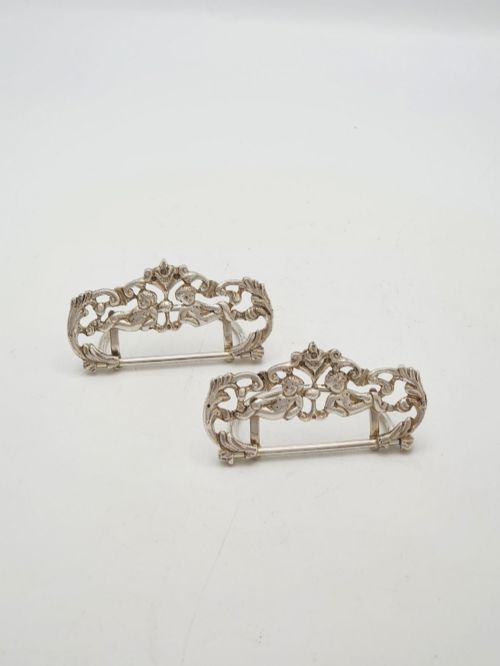
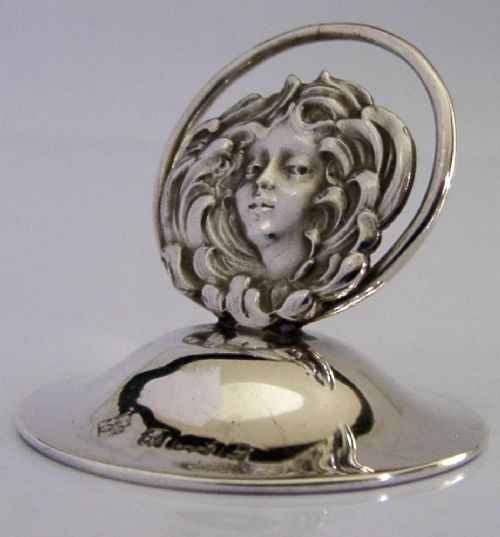
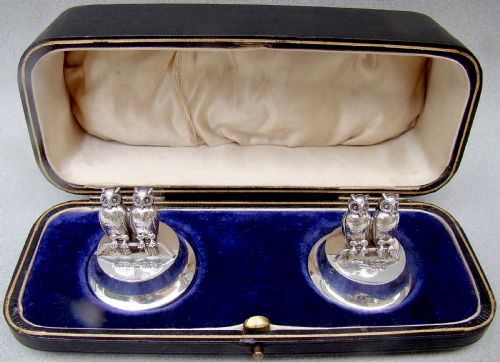
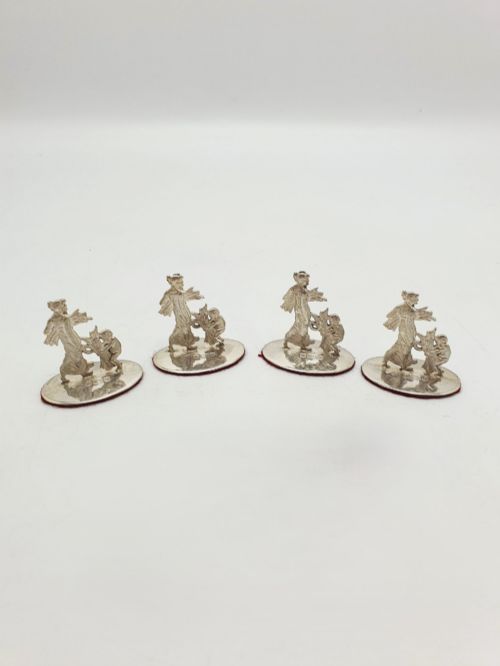
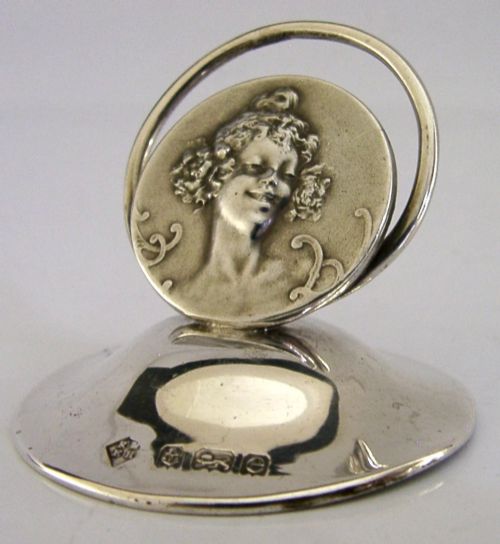
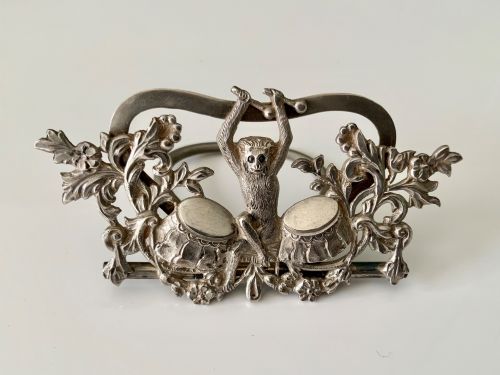
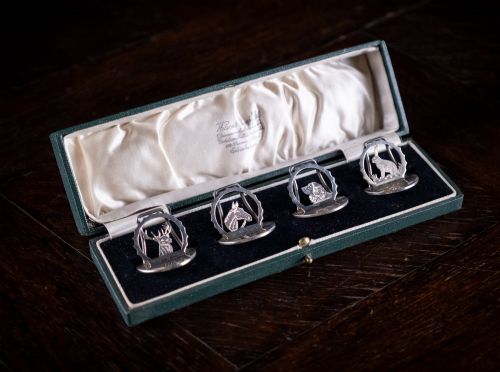
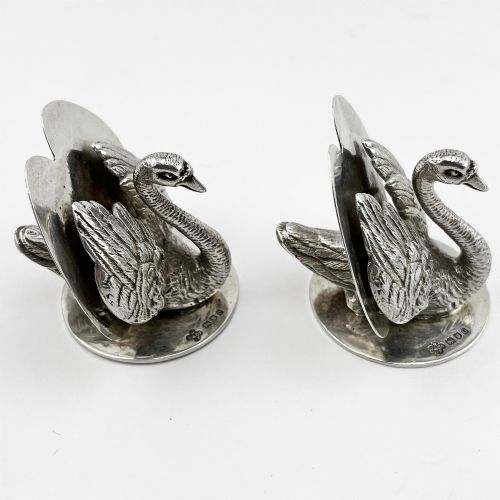
The most common examples on this page are Edwardian sterling silver pieces modelled into figural shapes, animals, and birds. Makers produced these accessories singly or in matching sets for dining tables.
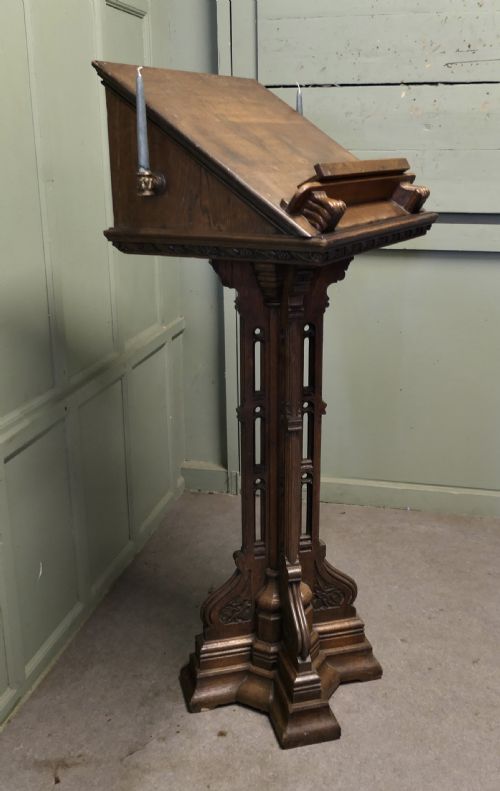
Larger floor-standing lecterns and reception podiums in carved oak represent the commercial side of hospitality rather than domestic dining. These larger pieces guided guests at restaurants and grand hotels during the nineteenth and early twentieth centuries.
Materials and Construction
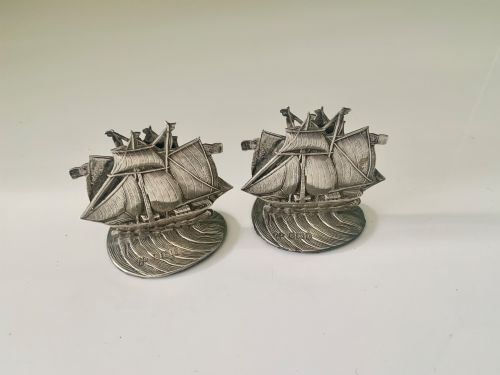
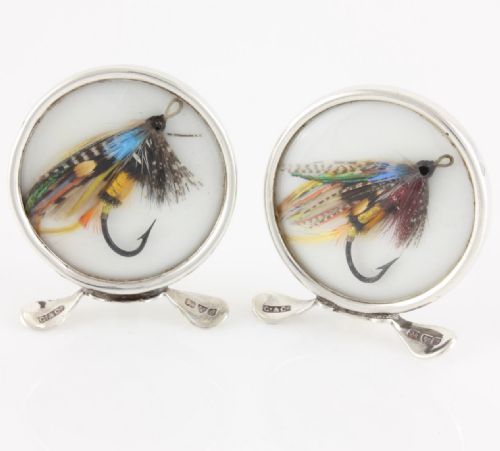
Silversmiths cast, chased, and pierced sterling silver to create intricate figural subjects such as owls, foxes, maidens, and galleons. Many of these table accessories incorporate enamel details, glass accents, or fitted velvet and silk within presentation cases.
Larger architectural pieces rely on traditional woodworking techniques, utilising carved oak for reading pods and brass for structural fittings. Metal components often carry hallmarks indicating the assay office and date of production.
Antique Menu Stand Retail Price Guide 2026
Typical asking prices for menu stand among the pieces listed under this phrase on Sellingantiques today, from the lower quarter to the upper quarter. They describe what is for sale here now, not the wider market.
Listings feature sterling silver, velvet, enamel, and carved oak across Victorian, Edwardian, and later periods.
Distinctions in Quality
Renowned makers and retailers such as Sampson Mordan, Levi & Salaman, and Asprey command greater attention through superior metalwork and distinct artistic modelling. Plain or unhallmarked examples lack this specific attribution and workshop pedigree.
Sampson Mordan·Levi & Salaman·Grey & Co·Asprey
The Antique Menu Stand Glossary
- Sterling silver
- A silver alloy containing 92.5 percent pure silver by mass, standard for quality British tableware and menu holders.
- Hallmark
- An official stamp applied to precious metals indicating the maker, assay office, and year of testing.
- Lectern
- A small sloping reading desk or stand used to support cards and documents at an angle.
- Place card holder
- A miniature table accessory designed to hold a guest name card, often matching the style of the menu stand.
- Chasing
- A metalworking technique where the smith pushes metal from the front with a hammer and punches to create relief designs.
Antique Menu Stand: Frequently Asked Questions
What is an antique menu stand?
An antique menu stand is a decorative table accessory designed to hold dining menus upright for guests to read easily.
These pieces range from small silver table clips to larger wooden lecterns used in domestic and hospitality settings.
How were menu holders used?
Hosts placed these stands on dining tables to display the courses of a formal meal or to designate guest seating.
Matching sets allowed large dinner parties to maintain a uniform theme across multiple tables.
How do I identify the date?
British silver menu stands usually feature stamped hallmarks indicating the specific assay office and year letter.
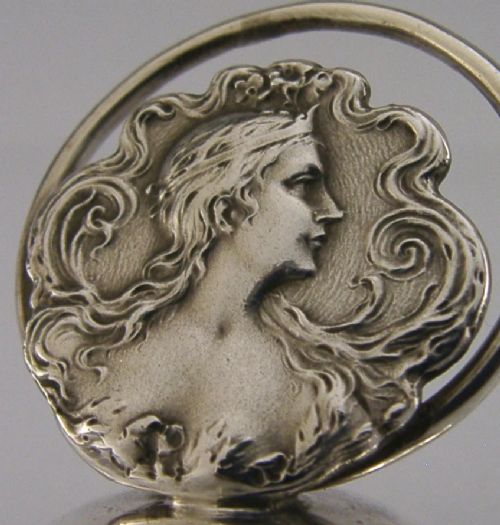
Stylistic cues such as Art Nouveau curves or Edwardian figural motifs also help narrow down the period of manufacture.
What are figural menu holders?
Figural menu holders are shaped to represent animals, birds, human characters, or symbolic objects like galleons and sentry boxes.
Silversmiths cast these detailed forms to add character and conversation topics to the dining table.