

Antique Menu Card Holders
Antique menu card holders are small silver table accessories that organise dining tables, with figural and animal designs leading the selection.
Antique Menu Card Holders
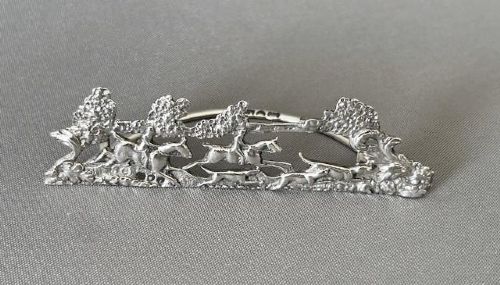
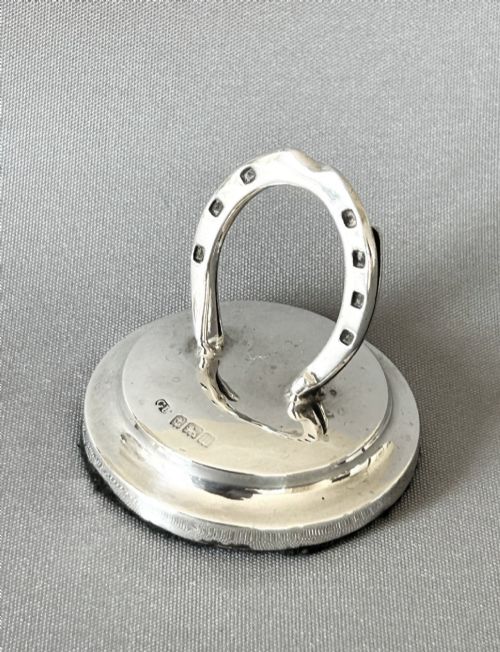
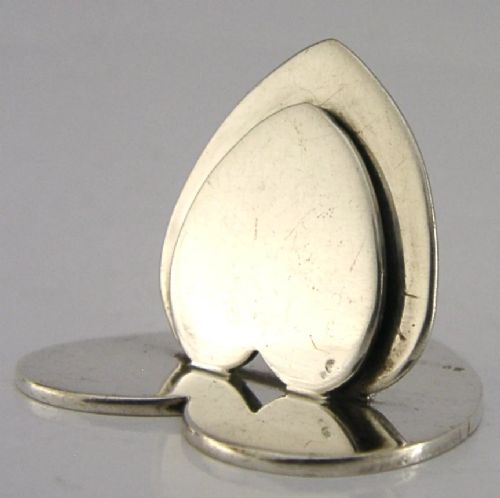
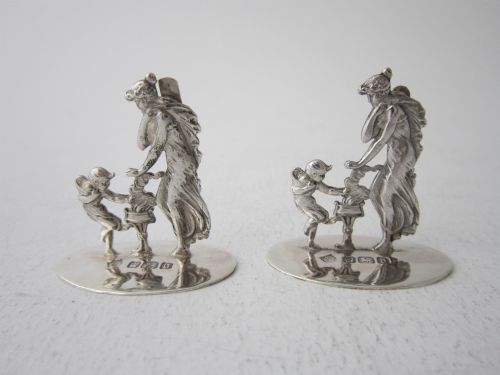
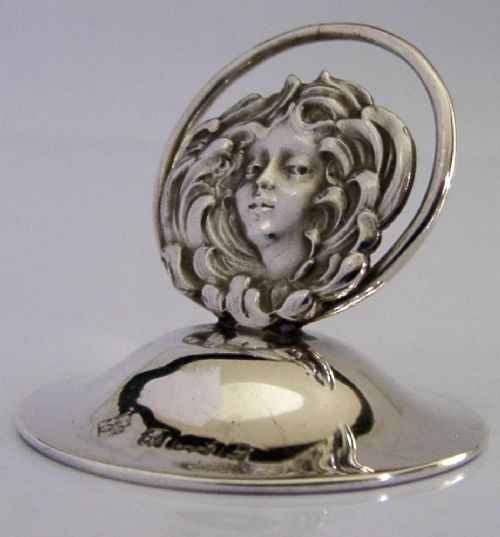
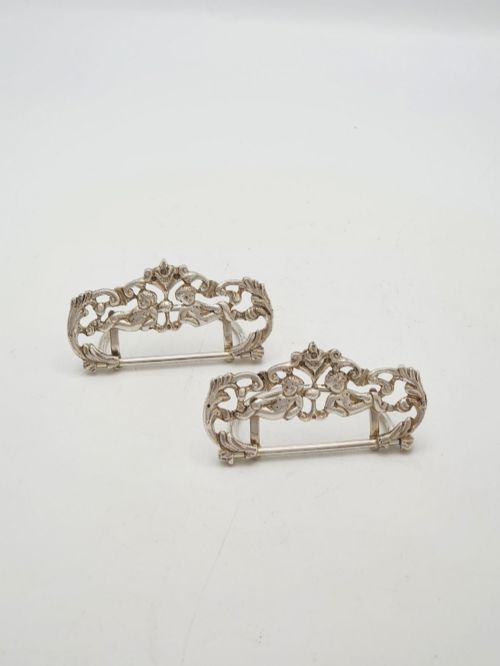
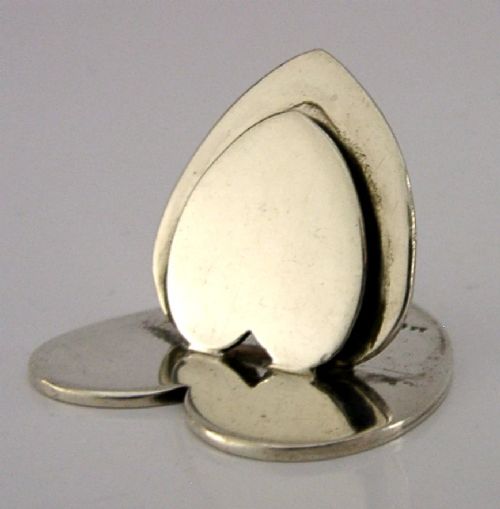
Antique menu card holders sit on formal dining tables to display the evening's courses or guest names clearly to diners. Collectors encounter these pieces chiefly in sterling silver or silver plate, ranging from simple clips to elaborate figural sculptures.
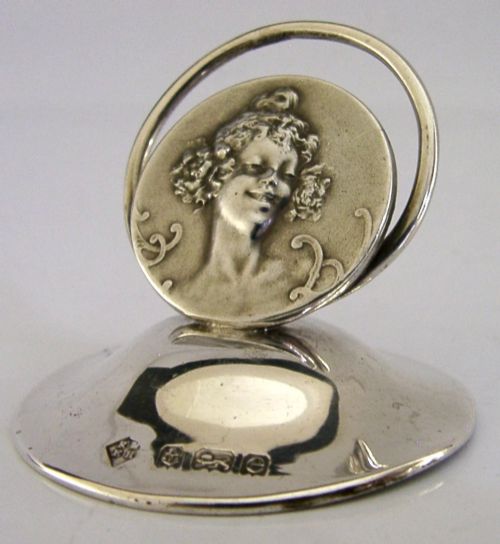
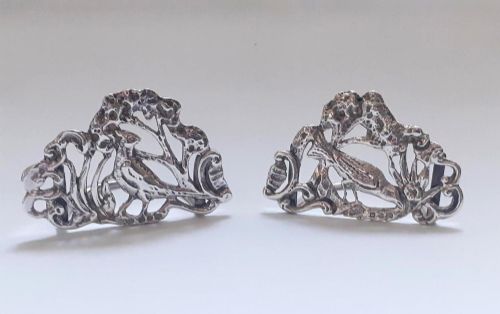
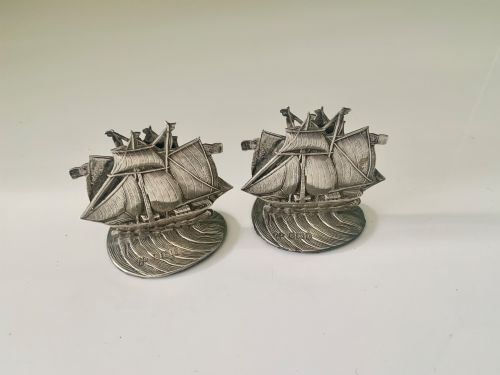
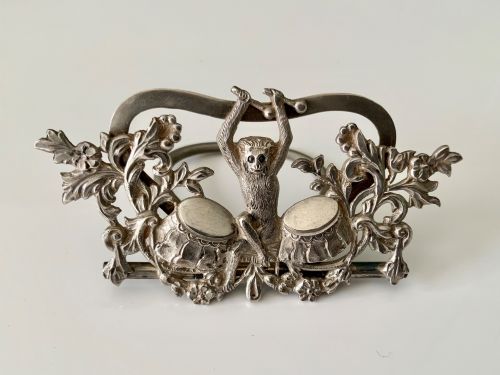
The objects stem predominantly from the Edwardian and Victorian eras, though examples stretch into the 1920s, 1930s, and 1950s. Animal subjects, military motifs, and literary characters shape the forms most frequently seen on this page.
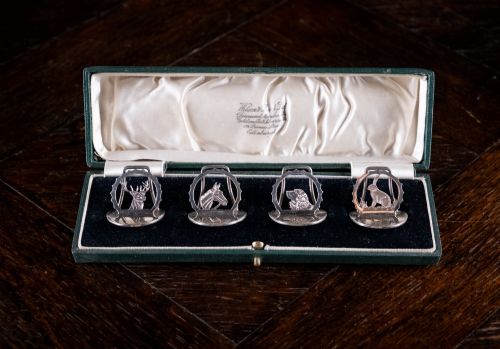
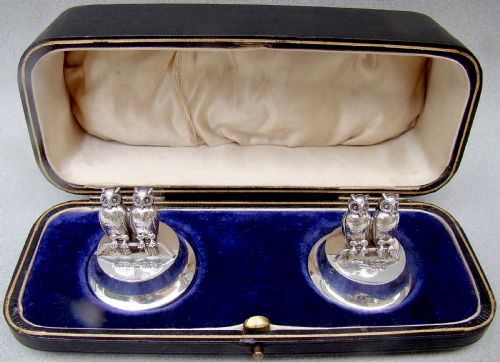
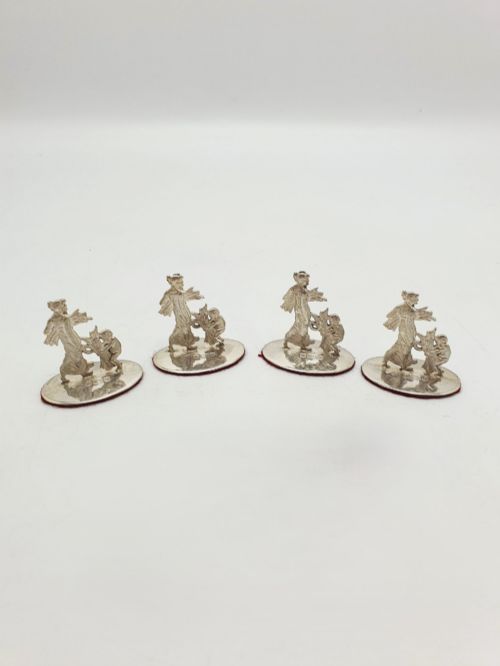
Makers produced them individually or in matched sets of two, four, or more to service formal multi-course dinners. They function as both practical table settings and miniature decorative sculptures.
How They Were Made
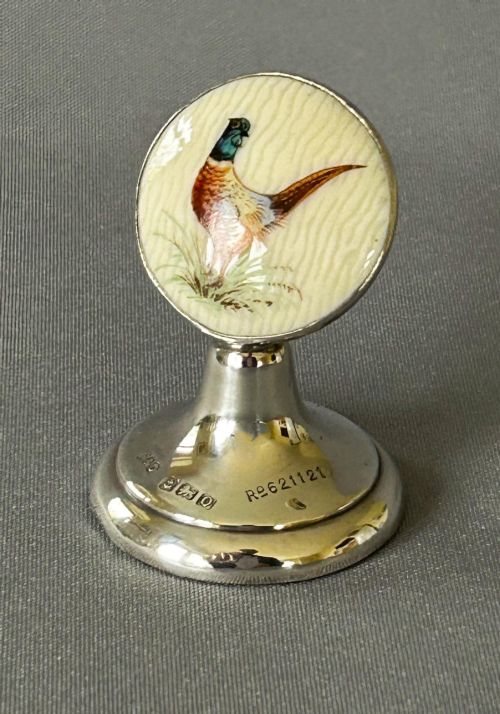
Silversmiths utilised sterling silver and silver plate, often combining cast figural elements with weighted bases to support the card safely. Enamel work frequently adds colour to flags, animals, and heraldic details on the pieces.
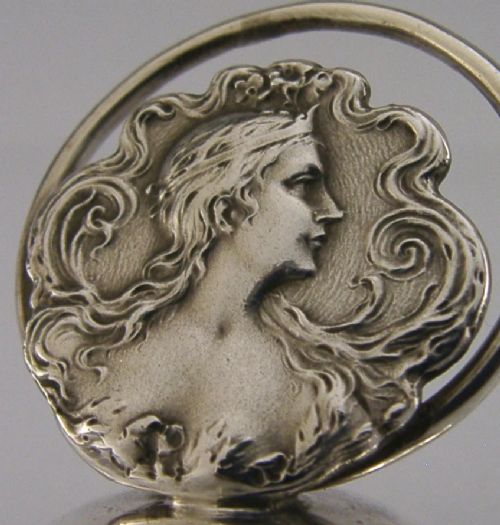
Techniques involved casting three-dimensional figures such as owls, foxes, galleons, and maidens, then soldering them to sturdy weighted bases fitted with slot or clip mechanisms. Makers also integrated textiles like silk, velvet, and leather into boxed presentations for sets.
Antique Menu Card Holders Retail Price Guide 2026
Typical asking prices for menu card holders among the pieces listed under this phrase on Sellingantiques today, from the lower quarter to the upper quarter. They describe what is for sale here now, not the wider market.
Listings feature sterling silver and silver plate materials across Edwardian, Victorian, and mid-twentieth-century periods.
What Varies In Quality
The refinement of the casting defines the upper tier of antique menu card holders, where facial expressions on animals or figures remain sharp and clear. Lesser examples show softened details from worn moulds or mass production.
Complete original sets demonstrate superior desirability compared to assembled groups or single survivors. The presence of intact vitreous enamel and legible hallmarks from recognised makers further elevates the standard of a piece.
Sampson Mordan·Levi and Salaman·A. Wilcox·Grey and Co·Asprey·Liberty
The Antique Menu Card Holders Glossary
- Sterling silver
- An alloy consisting of 92.5 percent silver and 7.5 percent other metals, typically copper, used widely in British tableware. Hallmarks stamped into the metal verify its standard and origin.
- Place card holder
- A miniature table accessory designed to hold a guest's name card rather than a menu. These often share matching designs and manufacturing periods with menu holders.
- Weighted base
- A loaded interior, often filled with plaster or resin and covered with a base plate, giving a small silver figure the stability to hold upright cards without tipping.
- Figural
- A style of decorative art shaped in the likeness of human, animal, or character subjects. These three-dimensional sculptures form a major category within table silver.
Antique Menu Card Holders: Frequently Asked Questions
What is an antique menu card holder?
Antique menu card holders are small metal stands designed to display printed menu cards upright on dining tables.
They emerged during the Victorian and Edwardian periods when formal multi-course dinners required detailed menus at each table.
How were menu holders used at the table?
Hosts placed them around the dining table so guests could read the upcoming courses for the meal.
Pairs or larger sets were distributed across the table surface, sometimes doubling as place name markers for guests.
How do I date a silver menu holder?
Dating relies heavily on the silver hallmarks stamped onto the metal, which indicate the assay office and year of production.
Stylistic cues such as Art Nouveau curves or Edwardian figural subjects also help narrow down the manufacturing decade.
How should I display silver menu holders?
They display well inside glass cabinets or on open shelving where their small details remain visible.
Collectors often group sets together on small trays or tables to showcase animal or figural themes.