



Antique Memento Mori
These antique memento mori pieces remind us of mortality through skulls, skeletons and hair, offering a tangible connection to historical remembrance.
Antique Memento Mori
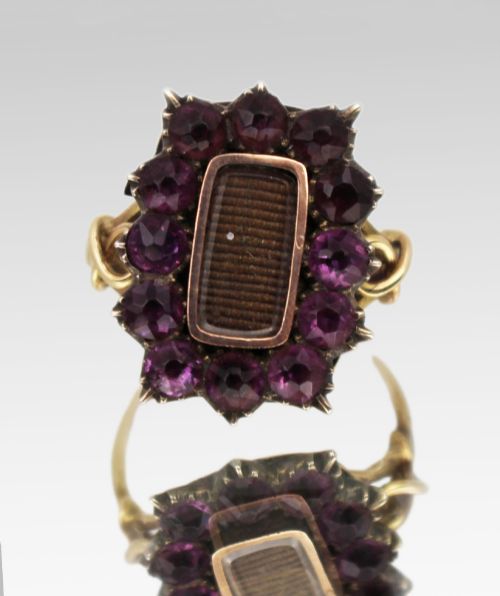
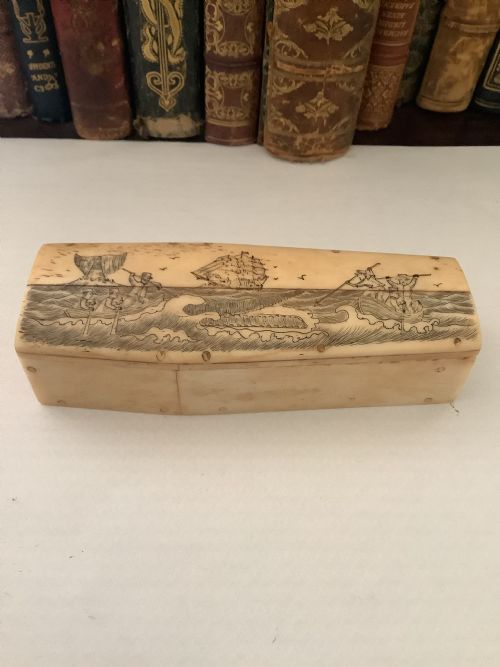
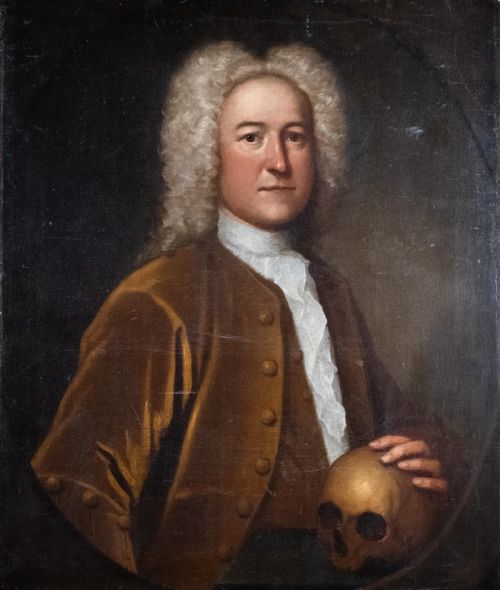
An antique memento mori spans intimate personal jewellery and striking sculptural objects designed to prompt reflection on human mortality. The pieces collected under this search phrase encompass rings, brooches, oil paintings, carved bone and horn sculptures, and taxidermy displays.
Earliest examples include Georgian gold hair mourning rings and 18th century carved skulls, while later Victorian items incorporate glass stones, enamel and delicate seed pearls. Walking stick handles, candle holders and altar crucifixes also appear alongside canvas studies of Saint Jerome and vanitas still lifes.
How they were made
Makers utilised precious metals like gold alongside organic materials such as bone, stag horn and human hair to construct these items. Oil paint on canvas brings depth to the portraits and vanitas scenes, while glass, paste and enamel accent the wearable pieces.
Carving, painting and metalwork dominate the physical construction across periods. Sculptural items display intricate hand-carved detail in bone and horn, whilst jewellery combines fine wirework for hair with cast gold settings.
Listings for antique memento mori span canvas, wood, glass, bone, gold and human hair across the eighteenth, nineteenth and early twentieth centuries.
What varies in quality
The sophistication of the carving separates exceptional sculptural work from simpler items, particularly in bone and horn. Finely detailed skulls and figures reveal a greater depth of artistry than standard decorative pieces.
Material selection and the intricacy of assembly dictate the standard of wearable items. Gold settings paired with enamel, seed pearls or genuine hair demonstrate higher craftsmanship than pieces utilising paste or simpler glass stones.
Niels Wiwel·Paula Wildhack
The Antique Memento Mori Glossary
- Memento mori
- An artistic or symbolic reminder of the inevitability of death. These objects often feature skulls, skeletons or skeletal motifs.
- Vanitas
- An artwork style featuring symbols of mortality and transience, such as skulls and fading flowers, to contrast earthly wealth with the permanence of death.
- Mourning ring
- A finger ring worn in memory of a deceased person, frequently incorporating hairwork, enamel or gold settings.
- Seed pearl
- A very small, naturally occurring pearl often used in Georgian and Victorian jewellery to embellish intricate patterns.
- Corpus Christi
- Latin for body of Christ, referring to depictions of Jesus on the cross, often linked with religious or contemplative items.
Antique Memento Mori: Frequently Asked Questions
What is an antique memento mori?
An antique memento mori is an object created to remind the beholder of their mortality. These range from personal jewellery like hair mourning rings to carved bone skulls and oil paintings.
Such items reflect historical attitudes towards death and remembrance, spanning the eighteenth, nineteenth and early twentieth centuries.
How were mourning rings used?
Mourning rings were commissioned to commemorate deceased loved ones, often worn by family members as a personal tribute. They frequently incorporated braided human hair, gold settings and inscriptions.
By wearing the ring, the bereaved kept a physical piece of the departed close at hand during periods of social mourning.
What materials appear in these pieces?
Makers used a wide array of organic and precious materials to create these items. Gold, bone, stag horn, canvas, oil paint, glass stones, enamel and human hair all feature prominently in the historical record.
Each material served a specific purpose, from the durability of cast gold in rings to the fine detail achievable in carved bone sculptures.
How do I date a memento mori piece?
Dating relies on stylistic conventions, material choices and hallmarks where present. Georgian pieces often utilise specific hairwork patterns and closed-back gold settings, while Victorian examples incorporate distinct Gothic revival motifs.
Comparing the specific object type, such as a Georgian hair brooch or an Edwardian skeleton sculpture, against established period benchmarks helps clarify its origin.