



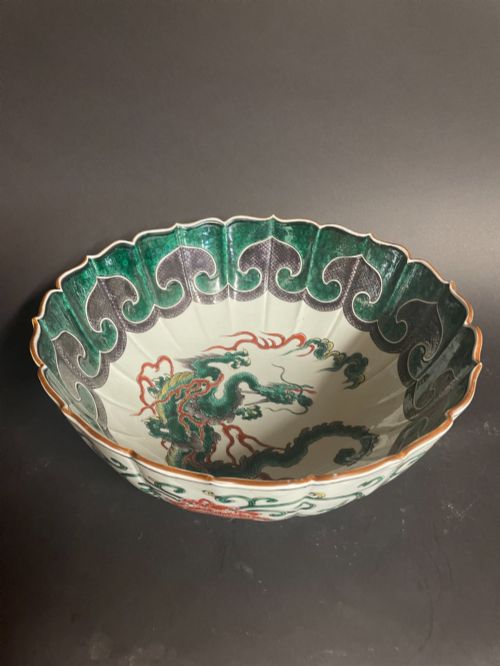

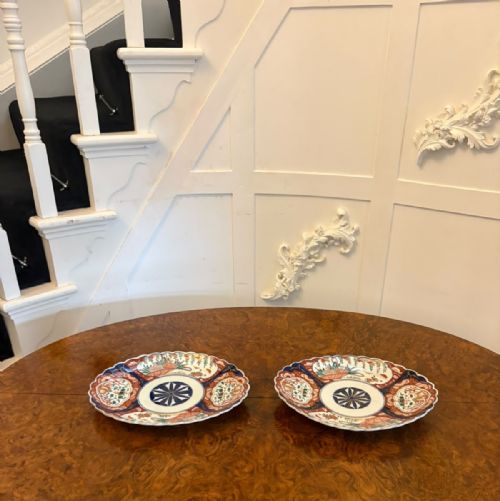


Antique Meiji Ceramic Dish
An antique meiji ceramic dish brings bold hand-painted palettes and intricate forms into a room, shaped by centuries of Japanese ceramic traditions.
Antique Meiji Ceramic Dish
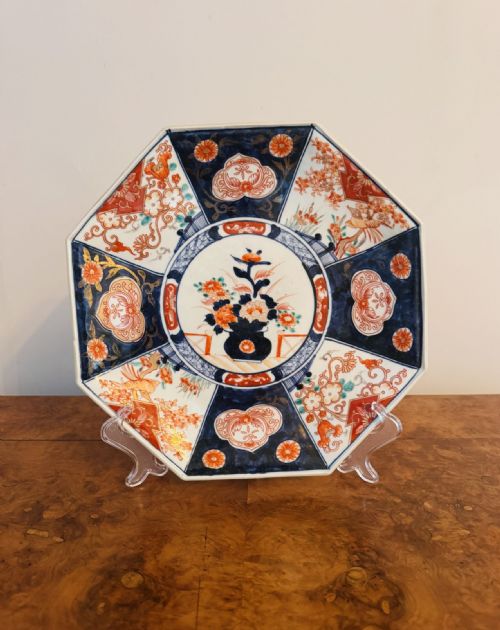
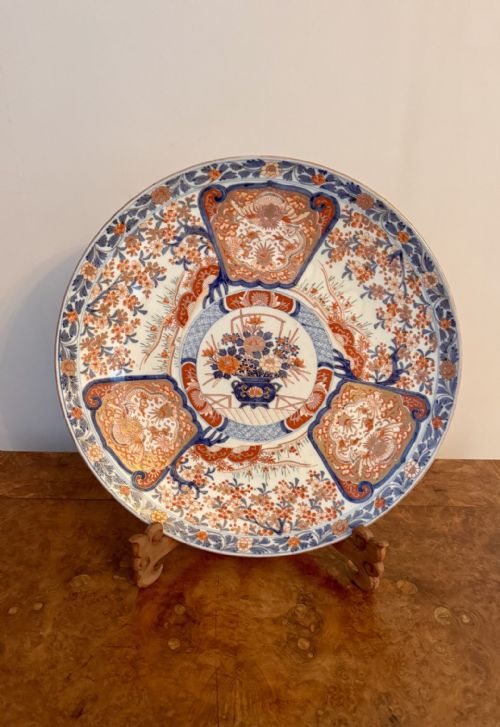
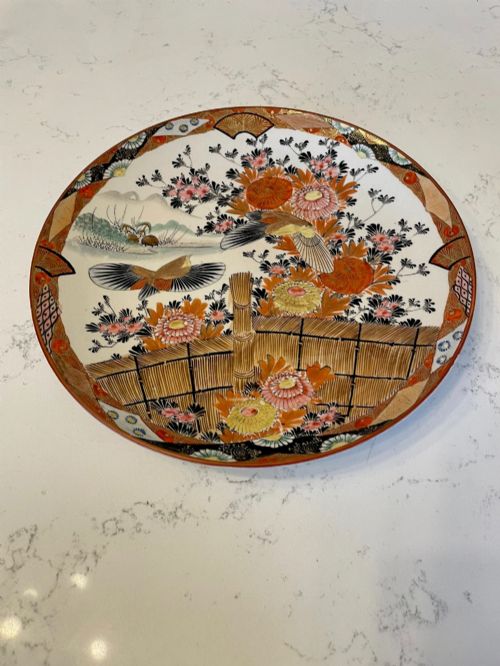
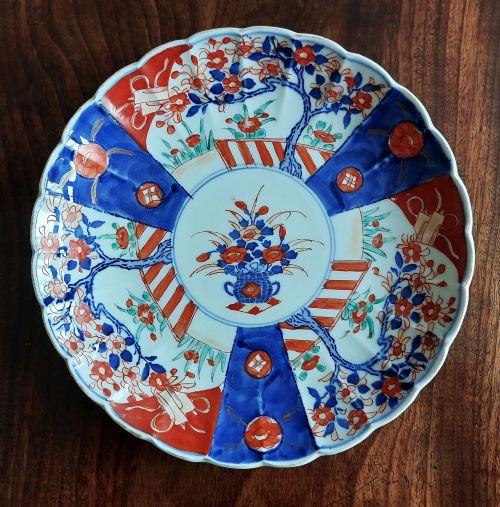
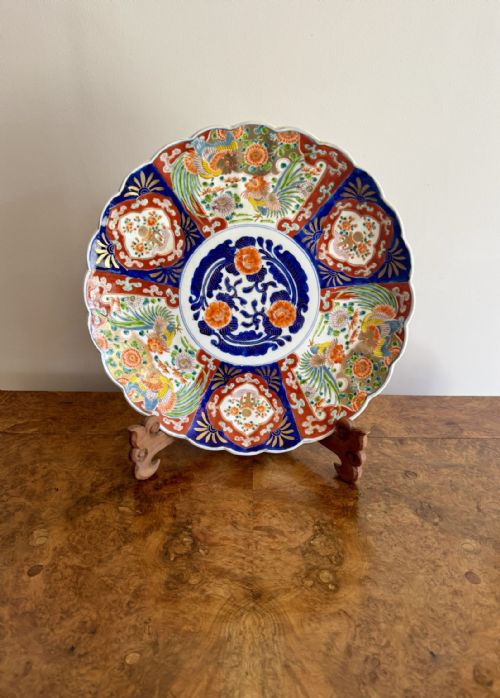
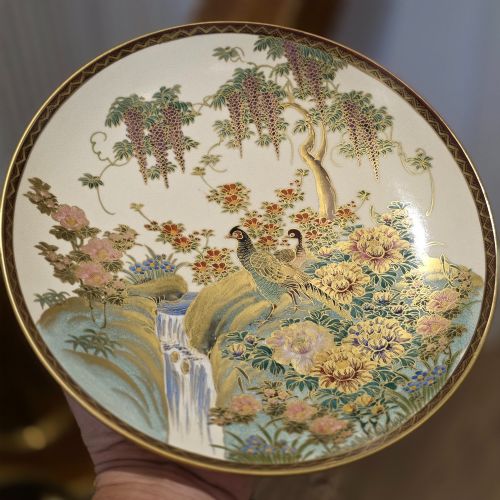
When you search for an antique meiji ceramic dish, you encounter a variety of decorative plates, bowls, and chargers originating from Japan during the late nineteenth and early twentieth centuries. The selection on this page leans heavily towards Japanese Imari porcelain alongside Satsuma earthenware pieces, spanning periods from the Edo transition through to the Meiji and Taisho eras.
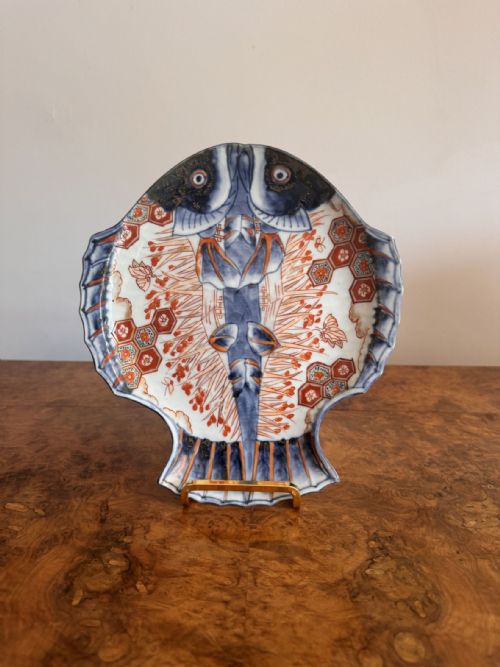
The forms range from traditional circular plates and scalloped chargers to specific shapes like fish, shells, and squares. These items served primarily for decorative display, showcasing intricate floral, bird, and figural scenes that reflect the aesthetic shifts of the period.
How they were made
Makers utilised porcelain and earthenware as the primary ceramic bodies, shaping them into plates, bowls, and chargers with scalloped or moulded edges. Artisans then applied detailed hand-painted designs using rich glazes and enamel.
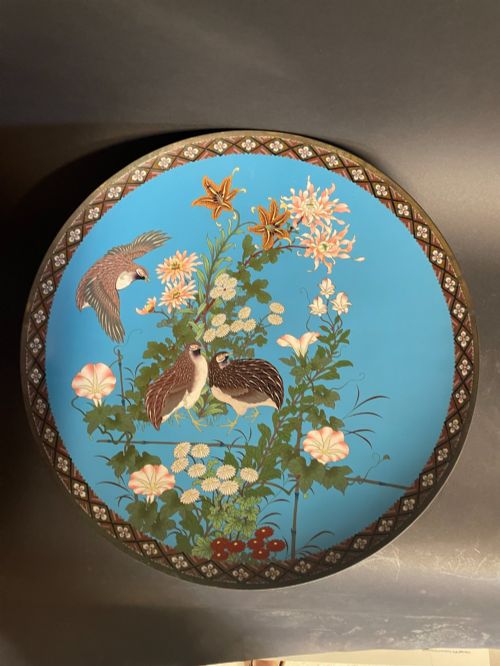
Many examples incorporate gold leaf or gilding to highlight specific motifs within the floral and bird patterns. Cloisonné work and specialised techniques like moriage appear on specific decorative bowls and chargers, adding texture and depth to the surface.
Listings feature items spanning the Victorian era through to the 1920s, with a strong concentration of pieces dated around 1900.
What varies in quality
The precision and detail of the hand-painted brushwork separate standard production pieces from finer examples. Artisans who executed complex bird and floral designs with crisp lines and balanced compositions achieved a higher standard of craftsmanship.
The application of glaze, gold leaf, and enamel dictates the visual depth of the object. Pieces that feature signed artist marks or unusual moulded forms, such as fish and shell shapes, generally reflect a greater level of workshop skill.
Koshida·Gyokkō·Kozan
The Antique Meiji Ceramic Dish Glossary
- Imari
- A style of Japanese porcelain decorated in underglaze blue and overglaze red, gold, and other colours. This palette dominates the plates and chargers seen in these listings.
- Satsuma
- A type of Japanese earthenware featuring a pale, ivory crackle glaze that typically serves as a canvas for elaborate polychrome and gilt enamel painting.
- Charger
- A large decorative plate intended for display rather than for serving food at a table.
- Moriage
- A decorative ceramic technique using raised slip to create textured, dimensional patterns on the surface of the vessel.
- Meiji Period
- The era in Japanese history spanning from 1868 to 1912, corresponding with significant artistic production exported to Western markets.
Antique Meiji Ceramic Dish: Frequently Asked Questions
How do I identify a Satsuma dish?
Satsuma pieces are characterised by an earthenware body covered in an ivory-coloured glaze with a fine network of crackles. They frequently feature detailed polychrome and gilt designs depicting figures, birds, and flowers.
You can often spot maker signatures on the underside of these bowls and dishes, pointing to specific Kyoto workshops from the late nineteenth century.
Were these dishes used for food?
While the forms include standard plates and bowls, many larger chargers and decorative dishes were made primarily for display in European and American households during the Meiji period.
The delicate enamel and gold leaf on many examples suggest they were valued as ornamental art objects rather than everyday tableware.
What is Japanese Imari porcelain?
Imari porcelain refers to wares decorated in a distinct palette of cobalt blue underglaze, iron red overglaze, and added gold leaf. The designs often incorporate dense floral and bird motifs across scalloped or round surfaces.
This style represents the vast majority of porcelain plates and bowls found within these nineteenth-century listings.
How should I display a charger?
Large chargers and decorative plates suit wall mounting with appropriate hardware or placement on sturdy plate stands within a cabinet. Their wide diameters and detailed central motifs make them natural focal points in a room.
Ensure the display method supports the weight of the ceramic evenly without placing stress on the rim.