






Antique Medicine Box
An antique medicine box holds the bottled remedies and travelling cures of past centuries, prized for its clever internal engineering and fitted compartments.
Antique Medicine Box
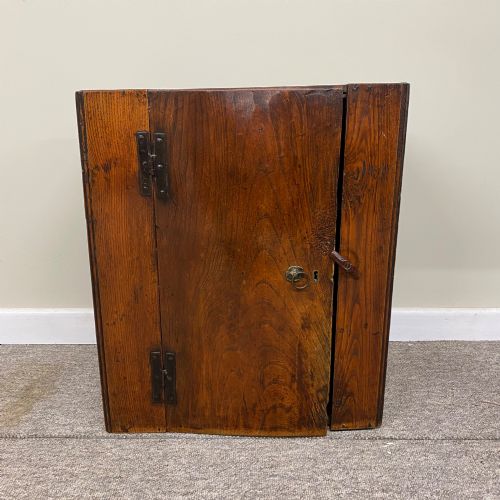
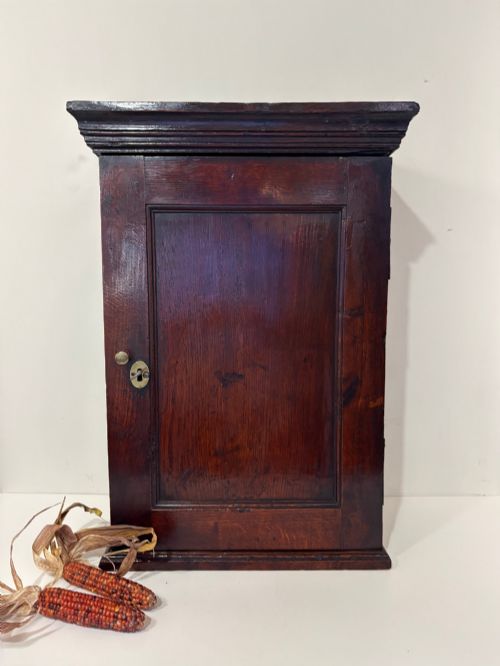
An antique medicine box provides a compact storage system for pharmaceutical bottles, scales, and pill boxes used by doctors, travellers, and households. The selection includes Georgian mahogany travelling cases, Victorian apothecary cabinets, wall-mounted spice cupboards, and small silver pill boxes.
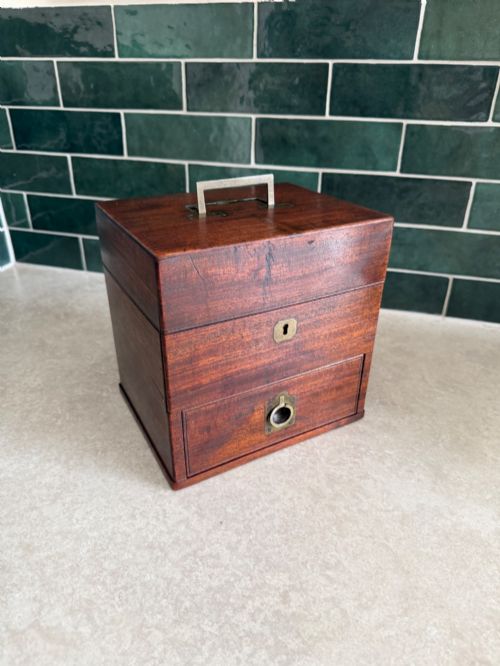
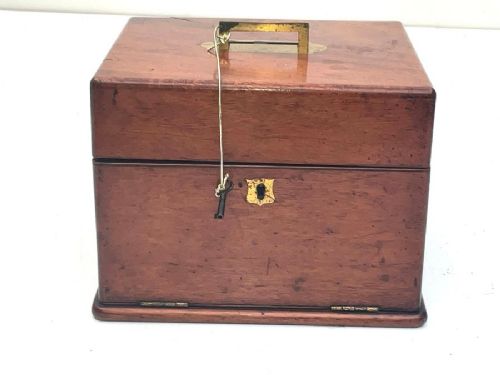
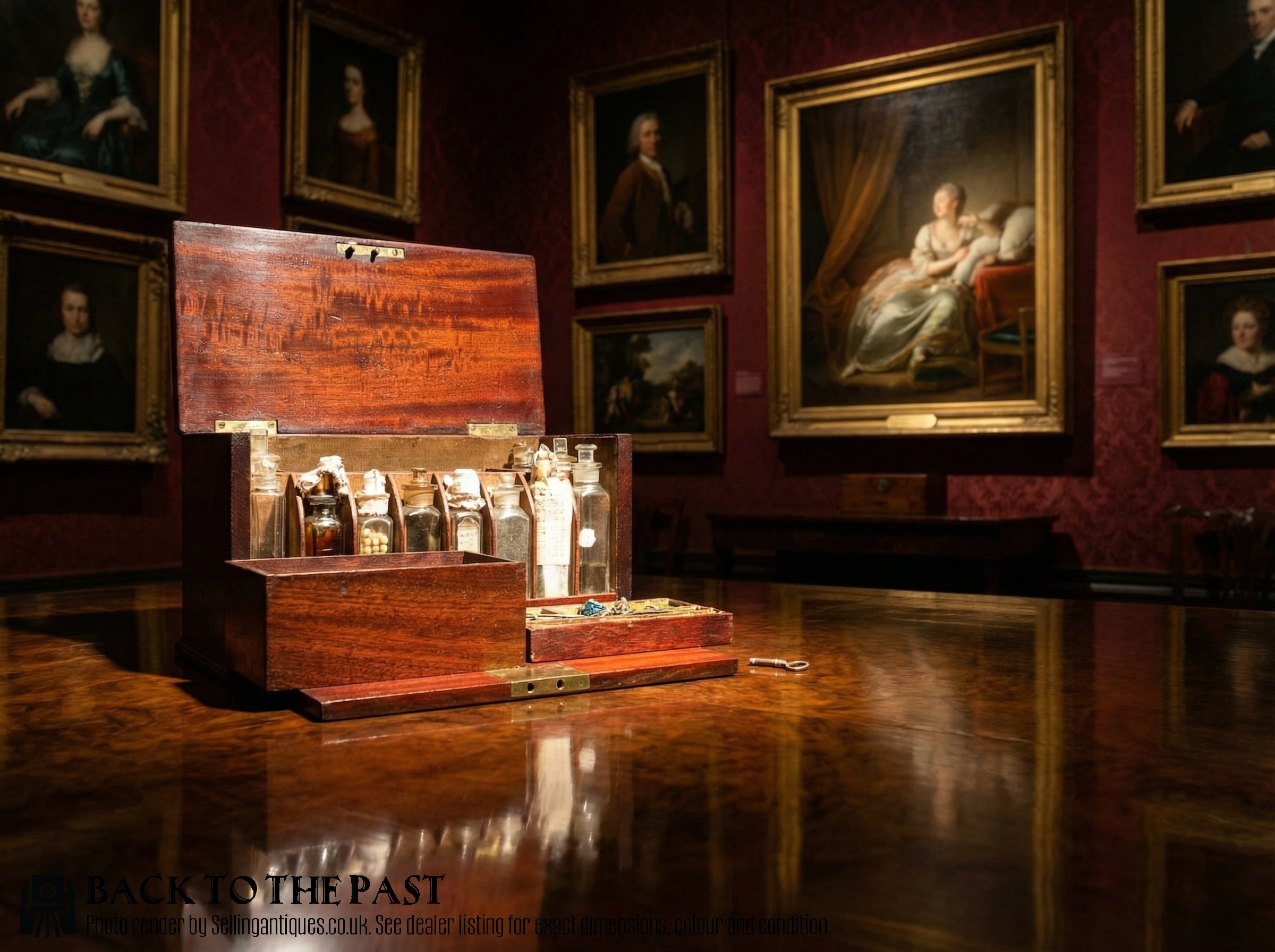
Most examples date from the eighteenth and nineteenth centuries, spanning the Georgian, Regency, and Victorian periods. Buyers frequently encounter fitted mahogany boxes featuring interior drawers, glass bottles, and brass carrying handles designed for secure transport.
How they were made
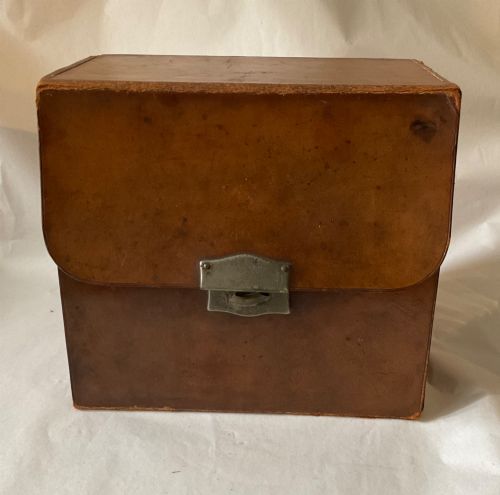
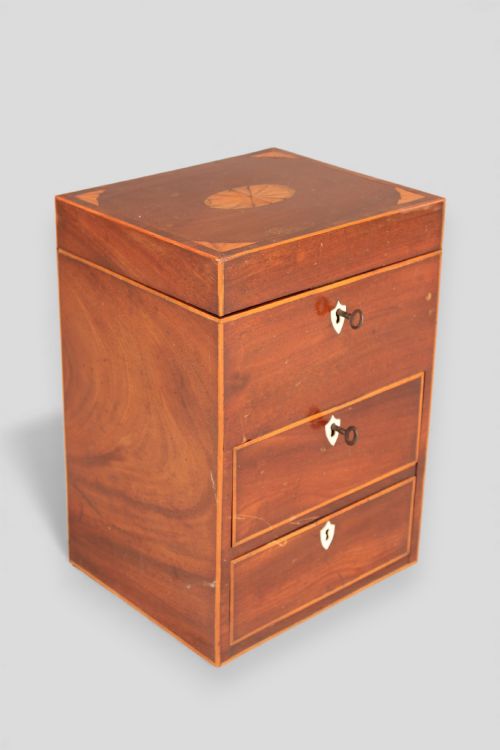
Cabinetmakers constructed these pieces primarily in mahogany, oak, and burr walnut, often incorporating brass handles, locks, and corner brackets to withstand travel. Interiors frequently combined velvet linings with compartments tailored to hold glass medicine bottles and sterling silver pill boxes securely.
Specialised examples utilise carved oak, leather casing, or guilloche enamel, demonstrating the precise woodworking and metalworking techniques characteristic of British, French, and Austrian workshops.
Antique Medicine Box Retail Price Guide 2026
Typical asking prices for medicine box among the pieces listed under this phrase on Sellingantiques today, from the lower quarter to the upper quarter. They describe what is for sale here now, not the wider market.
One historical piece recorded in the archive took the form of a folk art Burmese lacquer toad of fortune.
What varies in quality
Quality rests upon the completeness of the original internal fittings, such as intact glass bottles, mixing jars, and original locks with working keys. Boxes retaining their original velvet linings and maker labels command greater appreciation.
The refinement of the cabinetmaking distinguishes the work, seen in neatly dovetailed joints, selected mahogany or walnut veneers, and solid brass hardware rather than plated substitutes.
The Antique Medicine Box Glossary
- Apothecary box
- A fitted wooden case designed to transport medicines, scales, and pharmaceutical bottles safely. These boxes often feature concealed drawers and secure locking mechanisms.
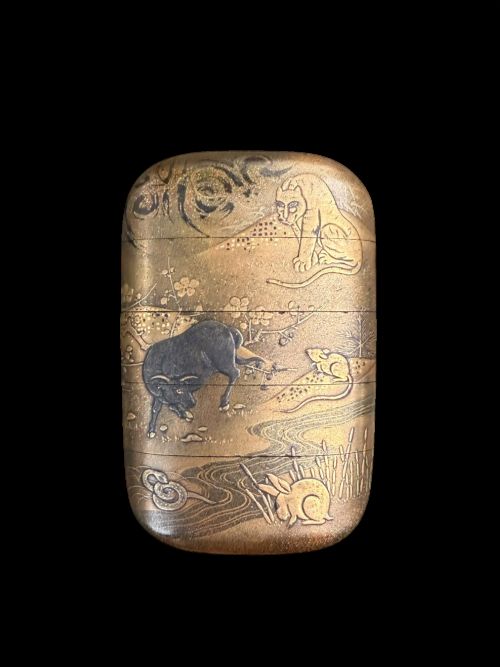
- Inro
- A traditional Japanese multi-tiered case suspended from a sash, occasionally utilised for carrying medicines or herbs. Examples appear in carved black lacquer.
- Campaign case
- A sturdy travelling box built with recessed brass handles and reinforced corners for military officers or physicians on the move. These pieces prioritise durability and compact storage.
- Guilloche enamel
- A decorative metal technique involving precise engine-turned patterns beneath a translucent enamel coating. This finish appears frequently on small silver pill boxes.
Antique Medicine Box: Frequently Asked Questions
What did they store inside?
These boxes held glass medicine bottles, pill boxes, weighing scales, and mortars for compounding remedies. Many retained powders, tinctures, and liquid medicines required for travel or home treatment.
Larger cabinets accommodated veterinary supplies or broader apothecary inventories, while smaller silver or lacquer pieces served for personal daily pills.
How do I date an antique medicine box?
Dating relies upon timber selection, hardware design, and cabinet construction methods. Georgian and Regency examples often utilise solid mahogany with flush brass handles and hand-cut dovetails.
Victorian pieces frequently introduce varied veneers, fitted velvet trays, and mass-produced brass screws or locks that help narrow the period of manufacture.
Were all boxes meant for travel?
Not every piece served a travelling physician; many functioned as stationary wall cabinets, spice cupboards, or tabletop apothecary chests. Wall-hanging cupboards remained fixed in domestic kitchens or dispensaries.
Travelling cases featured robust brass carrying handles and secure locks designed specifically for carriage transport and field use.
How should I care for the wood and velvet?
Maintain the wood with a traditional wax polish applied sparingly to preserve the natural finish of the mahogany or oak. Avoid modern silicone sprays that damage antique timber.
Protect interior velvet linings from direct sunlight to prevent fading and keep the box in a stable humidity environment to protect the wooden joins.