


Antique Medical Glass
Antique medical glass represents the practical and decorative vessels used in healing practices, sought after for its tactile weight and clear association with nineteenth-century apothecaries.
Antique Medical Glass
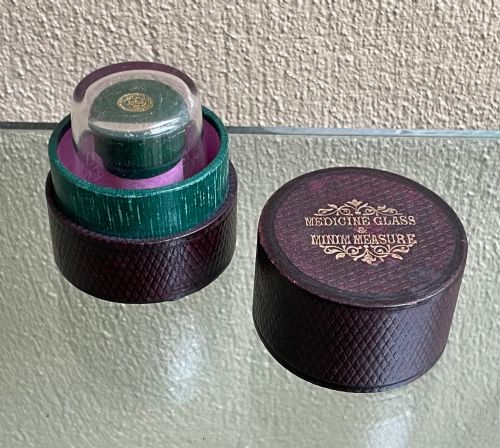
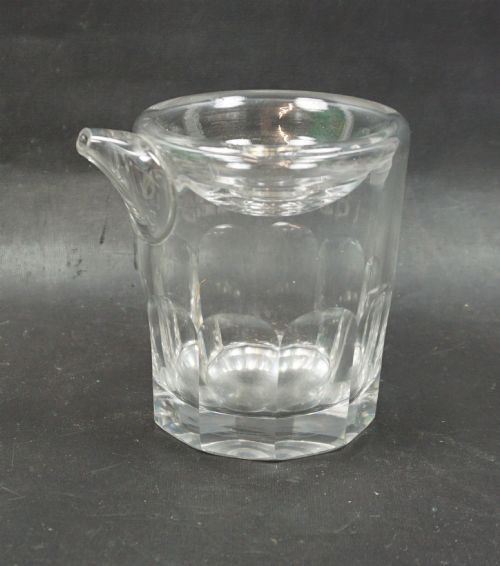
When buyers search for antique medical glass, they encounter utilitarian vessels such as pharmacy carboys, chemist bottles, and apothecary jars alongside smaller measuring glasses and feeding cups. These objects span periods from the Georgian era through the Edwardian years and the nineteen-thirties.
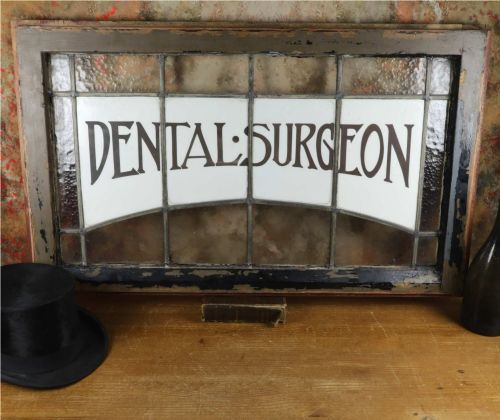
The most common pieces on this page are glass apothecary bottles and jars, often accompanied by fitted mahogany or wooden boxes and chests. Such items originate from domestic medicine chests, chemist shops, and dental practices.
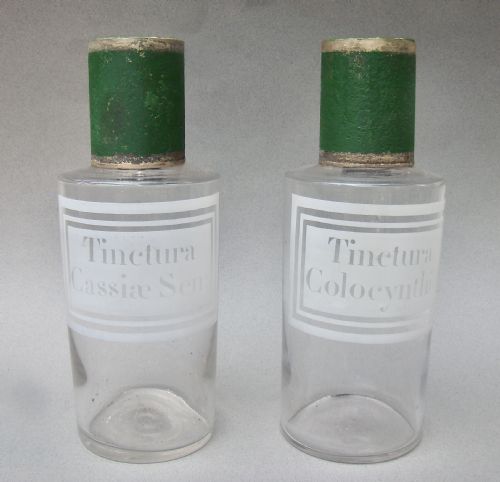
Specialised items also appear, including etched French jars, lens kits for opticians, and travel medical sets featuring brass and leather components. Each piece reflects the clinical and domestic healthcare methods of its respective century.
Materials and construction
The objects combine hand-blown and moulded glass with fitted enclosures made from mahogany, brass, and velvet. Many pharmaceutical bottles and larger carboys display the irregularities of early glassblowing techniques.
Cabinets and travelling cases utilise timber construction with internal partitions designed to secure delicate glass vessels during transport. Details such as paper labels, gold leaf lettering, and lead elements complete the assembly of these functional items.
A timepiece shaped like a caduceus brings clinical symbolism directly to the mantelpiece.
Distinctions in quality
Quality rests on the integrity of the glass and the completeness of the set, particularly where fitted wooden boxes retain their original bottles and measuring glasses. Etched decoration and crisp hand-blown forms elevate individual jars and carboys.
The survival of associated cases, leather linings, and original stoppers distinguishes finer examples from loose or mismatched components. Makers' signatures on fitted instruments further mark out superior production.
John Millikin
The Antique Medical Glass Glossary
- Carboy
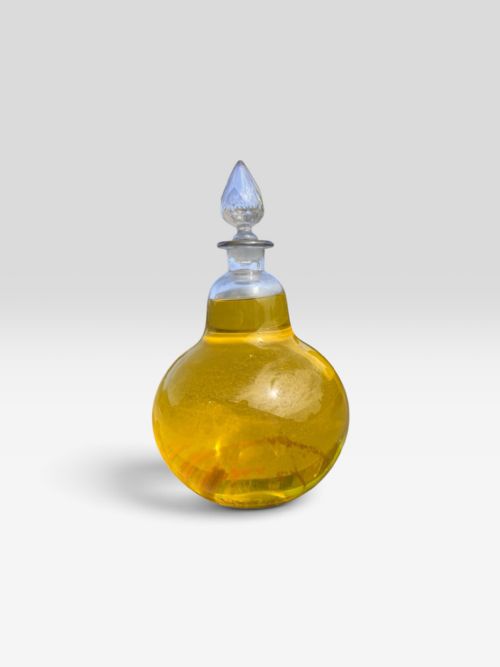
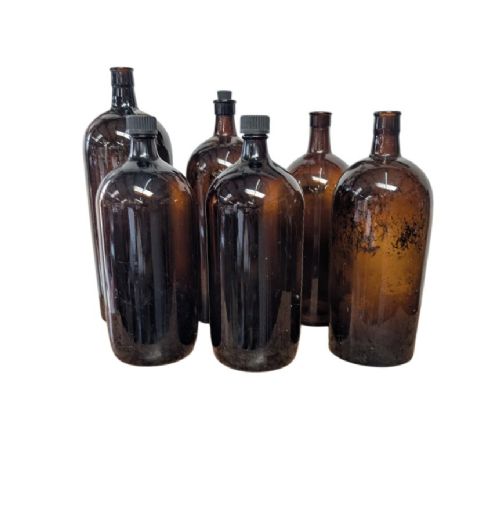
- A large glass vessel used in pharmacies to store liquids or display coloured water in shop windows. These substantial pieces often feature heavy hand-blown bodies.
- Apothecary jar
- A container designed to hold dried herbs, powders, or medicines in a chemist's shop. They frequently include matching glass lids and paper or painted labels.
- Medicine glass
- A small graduated vessel used for measuring liquid doses accurately. Examples range from simple pressed glass measures to crystal feeding cups.
- Cupping set
- A medical kit comprising glass cups and associated equipment used for bloodletting or drawing congestion. These sets are typically housed in fitted wooden boxes.
- Chemist bottle
- A smaller bottle produced for dispensing individual prescriptions. They appear in clear, amber, and green glass variants.
Antique Medical Glass: Frequently Asked Questions
What were apothecary bottles used for?
Apothecary bottles held medicinal liquids, powders, and chemical compounds in chemist shops and domestic settings.
They were designed to preserve contents securely, often featuring ground glass stoppers or corks.
How do I date antique glass bottles?
Dating relies on manufacturing marks, pontil scars from hand-blowing, and the colour or tint of the glass itself.
Associated wooden boxes and paper labels also provide contextual clues to the production period.
Are medicine chests complete?
Some travelling medical chests retain their original compliment of bottles, scales, and measuring glasses.
Others have suffered losses or replacements over time, which affects their overall composition.
How should I display medical glass?
Medical glass suits placement in well-lit cabinets where light can pass through the tinted or clear vessels.
Keeping them away from direct heat protects any surviving paper labels and wooden cases.